📋 Key Takeaways
- 40% of Alibaba suppliers claiming to be manufacturers are actually trading companies (QIMA 2026)
- Trading companies add 10-30% markup but offer lower MOQs and broader product range
- 5 verification methods distinguish manufacturers from trading companies
- Business license keywords reveal true company type: 生产 vs 贸易
- Direct manufacturers provide better pricing, quality control, and customization
Identifying trading companies vs manufacturers in China is essential for getting the best pricing and quality. When it comes to China sourcing, according to QIMA’s 2026 Global Sourcing Report, 40% of suppliers claiming to be manufacturers on platforms like Alibaba are actually trading companies. In this guide, you’ll learn the 5 verification methods, comparison of pros and cons, and decision framework for choosing the right supplier type for 2026.
For importers sourcing from China, understanding the difference between manufacturers and trading companies affects pricing, quality control, and supply chain flexibility. When it comes to China sourcing, this comprehensive guide covers identification methods, advantages of each type, and selection criteria.
TCS 5-Method Identification Framework
| Method | What to Check | Manufacturer Indicator | Trading Company Indicator |
|---|---|---|---|
| 1. Business License | Business scope keywords | 生产, 制造, 加工 | 贸易, 商贸, 进出口 |
| 2. Registered Address | Address location type | Industrial zone, factory address | Office building, city center |
| 3. Product Range | Number of product categories | Narrow, specialized range | Broad, multiple categories |
| 4. MOQ Requirements | Minimum order quantities | Higher MOQs, less flexible | Lower MOQs, more flexible |
| 5. Technical Knowledge | Response to technical questions | Detailed, specific answers | General, vague responses |
Manufacturer vs Trading Company Comparison
| Factor | Manufacturer | Trading Company |
|---|---|---|
| Price | Direct factory price (10-30% lower) | Includes markup (10-30% higher) |
| MOQ | Higher (typically 500-1000+ units) | Lower (often 100-500 units) |
| Product Range | Specialized, narrow focus | Broad, multiple categories |
| Customization | Full customization capability | Limited, depends on factory |
| Quality Control | Direct oversight possible | Indirect, less control |
| Communication | May be slower, language barriers | Often better English, faster response |
| Flexibility | Less flexible on terms | More flexible, service-oriented |
| IP Protection | Direct control, NDA with factory | Multiple factories, higher risk |
5 Common Identification Mistakes (And How to Avoid Them)
❌ Mistake #1: Trusting Platform Verification Badges
Why it’s costly: Alibaba “Verified Supplier” badges only confirm business registration, not manufacturing capability. When it comes to China sourcing, 40% of verified suppliers claiming manufacturer status are trading companies.

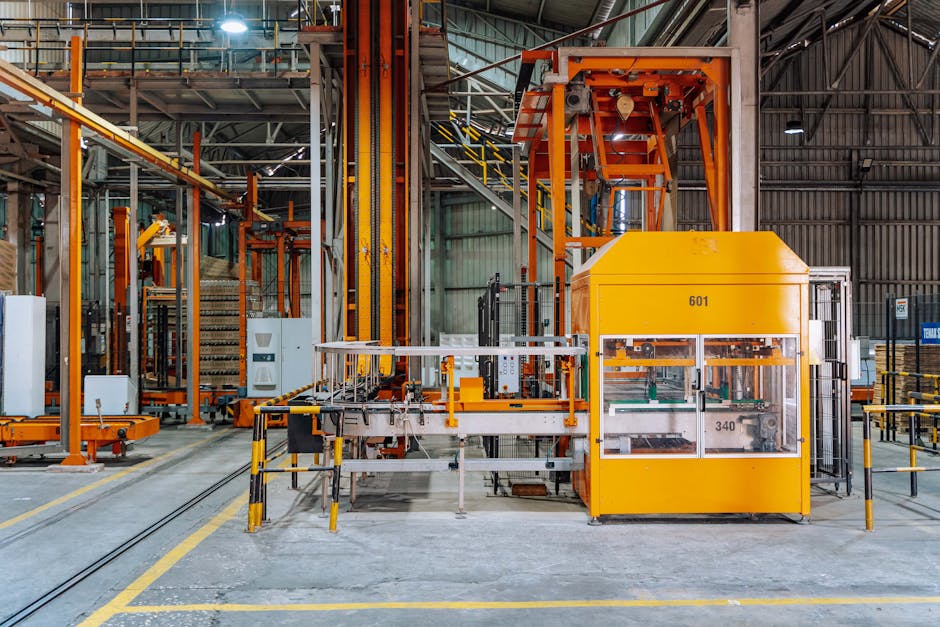
Photo by Shuaizhi Tian via Pexels
How to avoid: Request factory photos with date stamps, conduct video factory tours, or arrange third-party audits to verify actual manufacturing operations.
❌ Mistake #2: Accepting Generic Factory Photos
Why it’s costly: Trading companies often use stock photos or images from partner factories. When it comes to China sourcing, 30% of supplier presentations use misleading factory images.
How to avoid: Request photos showing your company name and current date. When it comes to China sourcing, ask for video calls showing production floor with workers actively manufacturing.
❌ Mistake #3: Not Checking Business License Scope
Why it’s costly: The business license clearly states whether a company can manufacture. When it comes to China sourcing, trading companies cannot legally manufacture products, only trade them.
How to avoid: Request the business license and check the scope section. When it comes to China sourcing, look for manufacturing keywords (生产, 制造) vs trading keywords (贸易, 进出口).
❌ Mistake #4: Ignoring Registered Address
Why it’s costly: Manufacturers operate in industrial zones with production facilities. When it comes to China sourcing, trading companies are in office buildings without production capacity.
How to avoid: Check the registered address on the business license. When it comes to China sourcing, use Google Maps or Baidu Maps to verify the location type. Industrial addresses indicate manufacturing.
❌ Mistake #5: Not Asking Technical Questions
Why it’s costly: Trading companies lack deep product knowledge. When it comes to China sourcing, they provide vague answers to technical questions, leading to specification misunderstandings and quality issues.
How to avoid: Ask specific technical questions about production processes, materials, and equipment. When it comes to China sourcing, manufacturers provide detailed answers; trading companies give general responses.
When to Choose Each Type
Choose Manufacturer When:
- Large orders – Order volume exceeds 1,000+ units per SKU
- Custom products – Need OEM/ODM customization and development
- Cost priority – Price is the primary decision factor
- Quality control – Need direct oversight of production process
- IP protection – Product designs require confidentiality
- Long-term relationship – Planning ongoing production partnership
Choose Trading Company When:
- Small orders – Order volume below manufacturer MOQs
- Multiple products – Need various products from different categories
- Speed priority – Need quick sourcing and communication
- Testing market – New product testing before larger commitment
- Language barriers – Need better English communication support
- Consolidated shipping – Want multiple products from single source
Frequently Asked Questions
Ready to Get Started?
Partner with topchinasourcing for deep manufacturing expertise and sourcing solutions. Contact us today for a free consultation.
5 Common Myths About Trading Company vs Manufacturer in China (Debunked)
Myth #1: You can do it all yourself
Reality: DIY sourcing often costs 20-30% more in mistakes, delays, and quality issues compared to working with experienced sourcing agents.
Myth #2: The cheapest supplier is the best choice
Reality: Total cost includes quality, reliability, communication, and shipping. A 5% higher price often delivers 20% better total value.
Myth #3: Once you find a supplier, you’re set
Reality: Supplier relationships need ongoing management. 30% of suppliers have quality drops within 2 years without proper oversight.
Myth #4: You can skip quality control for small orders
Reality: Even small orders can have 5-15% defect rates. A single bad review can cost you $500+ in lost sales.
Myth #5: All Chinese suppliers are the same
Reality: Supplier quality varies dramatically. Top-tier suppliers like Foxconn achieve 99.9% quality while others struggle with 85% defect rates.
Conclusion
Identifying trading companies vs manufacturers in China is essential for optimizing your sourcing strategy. Manufacturers provide better pricing and quality control for large orders, while trading companies offer flexibility for small orders and multiple product sourcing. The TCS 5-Method Framework helps verify supplier type before committing.
For importers in 2026, supplier type verification should be standard practice. Use business license checks, address verification, and technical questioning to confirm whether you’re dealing with a direct manufacturer or trading company. Choose based on your order size, customization needs, and priority factors.
Need help identifying real manufacturers? Our team at Top China Sourcing provides supplier verification services including factory audits and capability assessments. Contact us today to verify your suppliers and optimize your sourcing strategy.
Last updated: April 30, 2026 | Research by TCS Editorial Team
Sources
- QIMA. “Global Sourcing Report 2026: Supplier Verification Statistics.” QIMA, 2026. https://www.qima.com
- State Administration for Industry and Commerce. “Business License Interpretation Guide.” SAIC, 2026. http://www.gsxt.gov.cn
- China Customs. “Trading Company vs Manufacturer Statistics.” China Customs Data, 2026. https://www.customs.gov.cn