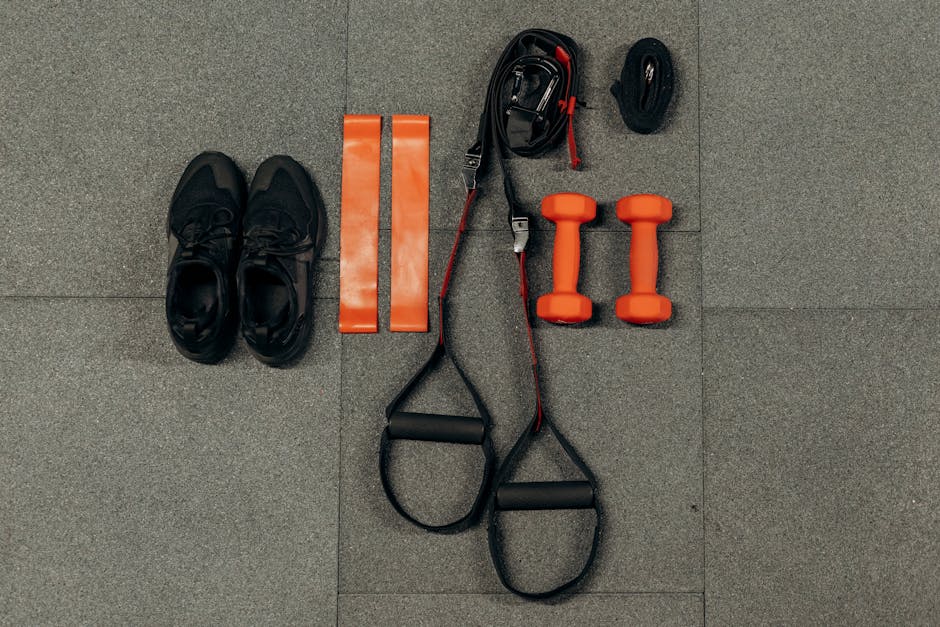
Sourcing Sporting Goods from China: 2026 Quality Guide
The global sporting goods industry continues to thrive in 2026, with Chinese manufacturers playing a pivotal role in supplying everything from fitness equipment to team sports gear. With the global sports equipment market valued at over $150 billion and projected to grow at 6.5% annually, understanding how to effectively source sporting goods from China has become essential for retailers, distributors, and brand owners worldwide.
Key Takeaways
- China produces over 65% of the world’s sporting goods, with specialized manufacturing hubs in Fujian, Guangdong, and Zhejiang provinces
- Quality standards have improved dramatically, with major manufacturers holding ISO, BSCI, and sport-specific certifications
- Cost savings of 35-55% are achievable compared to Western manufacturing while meeting international quality standards
- Lead times range from 25-60 days depending on product complexity and customization requirements
- Third-party quality inspection is essential, with costs of $250-500 per inspection preventing costly returns
China’s Sporting Goods Manufacturing Landscape
China’s dominance in sporting goods manufacturing is the result of decades of investment in specialized production capabilities, skilled labor, and integrated supply chains. In 2026, the country’s sporting goods industry employs over 2 million workers and generates more than $45 billion in annual exports.
Major Manufacturing Hubs
Understanding regional specializations is crucial for effective sourcing:
| Province | Specialization | Key Products | Average Factory Size |
|---|---|---|---|
| Fujian (Quanzhou/Jinjiang) | Athletic Footwear & Apparel | Sports shoes, athletic wear, team uniforms | 500-5,000 workers |
| Guangdong (Dongguan/Shenzhen) | Fitness Equipment | Treadmills, bikes, weights, home gyms | 200-1,500 workers |
| Zhejiang (Yongkang/Jinhua) | Outdoor & Recreation | Camping gear, cycling, water sports | 100-500 workers |
| Jiangsu (Shanghai area) | Ball Sports & Equipment | Basketballs, footballs, rackets, nets | 150-800 workers |
| Shandong (Qingdao/Weihai) | Fishing & Water Sports | Fishing rods, reels, kayaks, surfboards | 100-400 workers |
Industry Evolution and Quality Transformation
The Chinese sporting goods industry has undergone a remarkable transformation over the past two decades. In 2026, over 80% of export-oriented factories hold ISO 9001 certification, compared to just 25% in 2005. This quality revolution has been driven by:
- International Brand Partnerships: Decades of OEM manufacturing for Nike, Adidas, Under Armour, and Decathlon have elevated production standards
- Domestic Brand Growth: Chinese brands like ANTA, Li-Ning, and Xtep have invested heavily in quality and innovation
- Government Standards: Stricter regulations and enforcement have raised industry-wide quality baselines
- Automation Investment: Smart manufacturing adoption has improved consistency and precision
Product Categories and Sourcing Considerations
Fitness Equipment
Fitness equipment represents the largest category of sporting goods exports from China. The post-pandemic home fitness boom has created sustained demand, with Chinese manufacturers producing everything from basic dumbbells to sophisticated smart fitness devices.
Key fitness equipment categories include:
- Cardio Equipment: Treadmills ($150-800 wholesale), exercise bikes ($80-400), ellipticals ($120-500), rowing machines ($100-350)
- Strength Training: Dumbbells ($1-8 per kg), barbells ($15-50), weight plates ($1.50-4 per kg), benches ($30-150)
- Functional Fitness: Kettlebells ($2-6 per kg), resistance bands ($0.50-3), medicine balls ($8-25)
- Smart Fitness: Connected equipment with screens and apps ($300-2,000)
Major fitness equipment manufacturers in China include Impulse (Qingdao), WNQ (Shanghai), and Johnson Health Tech (Taiwan-owned with major China operations). These companies offer OEM/ODM services and maintain rigorous quality standards.
Team Sports Equipment
China produces the majority of the world’s team sports equipment, from balls to protective gear. Key categories include:
- Balls: Soccer balls ($3-15), basketballs ($4-20), volleyballs ($3-12), footballs ($5-25)
- Protective Gear: Helmets ($8-40), pads ($5-30), guards ($2-15)
- Team Uniforms: Jerseys ($3-12), shorts ($2-8), team sets ($15-50 per player)
Quality varies significantly by manufacturer. For balls, look for FIFA Quality Pro, NFHS, or official league certifications. Major producers like Huajian (Guangdong) and Forward (Jiangsu) supply official match balls for professional leagues worldwide.
Outdoor and Adventure Gear
The outdoor gear sector has seen explosive growth, with Chinese manufacturers now producing high-quality camping, hiking, and adventure equipment. Key products include:
- Camping: Tents ($15-150), sleeping bags ($8-60), backpacks ($10-80)
- Cycling: Helmets ($5-25), lights ($2-15), accessories ($1-20)
- Water Sports: Kayaks ($150-600), paddleboards ($180-500), life jackets ($8-30)
- Winter Sports: Skis ($80-300), snowboards ($60-250), boots ($40-150)
Zhejiang province, particularly Yongkang, has become a hub for outdoor equipment manufacturing. Many factories here started with metal fabrication and have expanded into comprehensive outdoor gear production.
Athletic Footwear and Apparel
Fujian province, especially Quanzhou and Jinjiang, is known as China’s “Shoe Capital.” This region produces over 1 billion pairs of athletic shoes annually, including OEM production for most major global brands.
Price ranges for athletic footwear:
- Basic Athletic Shoes: $5-15 FOB
- Mid-Range Performance: $15-35 FOB
- Premium/Athletic: $35-80 FOB
- Technical/Specialized: $50-150 FOB
Finding Reliable Suppliers
Supplier Verification Checklist
Thorough supplier verification is essential for successful sporting goods sourcing:
- Business License Verification: Confirm legal registration and manufacturing scope
- Quality Certifications: Verify ISO 9001, ISO 14001, BSCI, SA8000, and product-specific certifications
- Production Capability: Assess equipment, capacity, and workforce skills
- Quality Control Systems: Review in-house testing capabilities and QC procedures
- Client References: Contact existing customers in your market
- Compliance Records: Check for any safety recalls or regulatory issues
Key Certifications for Sporting Goods
| Product Category | Essential Certifications | Safety Standards |
|---|---|---|
| Fitness Equipment | ISO 9001, CE, UL/ETL (electrical) | EN 957, ASTM F2276 |
| Balls (Soccer, Basketball) | FIFA Quality, NFHS, ISO 9001 | EN 71, ASTM |
| Protective Gear | CE, NOCSAE (helmets), ASTM | EN 1078, ASTM F1492 |
| Cycling Equipment | CE, CPSC (helmets) | EN 1078, CPSC 1203 |
| Children’s Sports | EN 71, ASTM F963, CPC | Lead testing, phthalates |
Online Platforms and Trade Shows
Key sourcing channels for sporting goods include:
- Alibaba: Largest selection with 30,000+ sporting goods suppliers. Look for Gold Suppliers with 5+ years and Trade Assurance.
- Made-in-China: More curated supplier base with better verification.
- Global Sources: Strong representation of established manufacturers.
- China Sport Show: Annual exhibition in Shanghai with 1,500+ exhibitors.
- Canton Fair: Comprehensive trade show with dedicated sporting goods sections.
- ISPO Shanghai: Specialized outdoor and sports industry exhibition.
Quality Control and Testing
Critical Quality Parameters
Quality requirements vary by product category, but key parameters include:
- Materials: Material composition, durability, colorfastness, and environmental compliance
- Construction: Stitching quality, bonding strength, assembly precision
- Performance: Functional testing under actual use conditions
- Safety: Sharp edges, toxic substances, structural integrity
- Durability: Cycle testing, wear resistance, environmental exposure
Third-Party Testing Requirements
For sporting goods sold in regulated markets, third-party testing is often mandatory:
- United States: CPSC testing for children’s products, ASTM standards for equipment
- European Union: CE marking requires conformity assessment, EN standards compliance
- Australia: AS/NZS standards for protective equipment and children’s products
Testing costs vary by product:
- Chemical Testing: $50-300 per test
- Mechanical Testing: $100-500 per test
- Full Product Testing: $500-2,000 depending on complexity
Common Quality Issues
Myth: Chinese Sporting Goods Are Always Inferior Quality
Reality: This perception is outdated. In 2026, China produces sporting goods for virtually every major global brand. The same factories producing for Nike, Adidas, and Decathlon are available for private label production. Quality depends on supplier selection, specifications, and quality control—not country of origin. Many Chinese manufacturers have invested millions in advanced equipment and quality systems.
Common quality issues to watch for:
- Material Substitution: Suppliers using lower-grade materials than specified. Prevention: Require material certificates and conduct random testing.
- Inconsistent Sizing: Variations in dimensions affecting fit and performance. Prevention: Provide detailed specifications with tolerances.
- Poor Stitching/Assembly: Weak seams or joints leading to premature failure. Prevention: Define stitch counts, thread specifications, and conduct pull tests.
- Finish Defects: Paint chips, rough edges, or cosmetic issues. Prevention: Clear cosmetic standards and visual inspection protocols.
Pricing and Cost Analysis
Understanding Cost Structure
Sporting goods pricing from Chinese manufacturers typically breaks down as:
- Raw Materials: 45-65% of cost (varies significantly by product)
- Labor: 15-25% of cost (rising 8-12% annually in China)
- Overhead: 10-15% of cost
- Profit Margin: 10-20% of cost
Price Benchmarks by Category
| Product | Low-End FOB | Mid-Range FOB | Premium FOB |
|---|---|---|---|
| Treadmill (home use) | $120-180 | $180-350 | $350-700 |
| Dumbbell Set (20kg) | $15-25 | $25-45 | $45-80 |
| Soccer Ball (match quality) | $4-8 | $8-15 | $15-30 |
| Athletic Shoes | $5-12 | $12-28 | $28-60 |
| Camping Tent (4-person) | $18-35 | $35-70 | $70-150 |
| Bicycle Helmet | $4-8 | $8-18 | $18-35 |
Hidden Costs to Consider
Beyond the quoted FOB price, factor in:
- Ocean Freight: $2,000-5,000 per 20ft container (varies with market conditions)
- Import Duties: 0-25% depending on product and trade agreements
- Quality Inspection: $250-500 per inspection
- Testing Costs: $500-2,000 per product for certification testing
- Insurance: 0.5-1% of cargo value
- Warehousing: $0.50-2.00 per cubic meter monthly
Minimum Order Quantities
Typical MOQs by Product Type
MOQs vary significantly based on product customization:
- Stock Products: MOQs as low as 50-100 units
- Custom Colors/Logo: MOQs 200-500 units
- Full Custom Design: MOQs 500-2,000 units
- Private Label: MOQs 1,000-5,000 units
For new product development:
- Molds/Tooling: $2,000-15,000 for most sporting goods
- Sample Lead Time: 7-21 days
- Production Lead Time: 25-60 days after sample approval
Shipping and Logistics
Shipping Options
Most sporting goods ship via ocean freight due to volume and weight:
- FCL (Full Container Load): Most economical for orders over $15,000
- LCL (Less than Container Load): Suitable for smaller orders, higher per-unit cost
- Air Freight: Only for urgent, high-value, or lightweight items
Lead Time Planning
Typical timeline for sporting goods orders:
- Sample Development: 7-21 days
- Sample Revision: 5-10 days per round
- Production: 25-45 days (simple), 45-60 days (complex)
- Quality Inspection: 2-4 days
- Ocean Freight: 15-35 days to US, 25-40 days to Europe
- Customs Clearance: 3-7 days
Legal and Compliance Considerations
Safety Regulations by Market
Sporting goods are subject to various safety regulations:
- United States: CPSC regulations, ASTM standards, state-specific requirements (California Prop 65)
- European Union: CE marking, REACH chemical restrictions, EN standards
- Canada: CCPSA, CSA standards
- Australia: AS/NZS standards, ACCC requirements
Intellectual Property Protection
When developing custom sporting goods:
- Register designs and trademarks in China before production
- Use NDAs with all suppliers
- Consider design patents for innovative products
- Work with reputable manufacturers who respect IP
Building Successful Supplier Relationships
Communication Best Practices
Effective communication with Chinese suppliers requires:
- Clear, detailed specifications with drawings and photos
- Written confirmation of all requirements
- Regular production updates and milestone reviews
- Understanding of Chinese holidays (Chinese New Year, Golden Week)
- Building personal relationships through visits and video calls
Long-Term Partnership Benefits
Developing strong supplier relationships provides:
- Better Pricing: Loyal customers receive preferential rates
- Priority Production: Capacity allocation during peak seasons
- Quality Focus: Suppliers prioritize quality for valued partners
- Flexibility: Smaller MOQs and faster turnarounds
- Innovation Access: Early access to new products and capabilities
Common Mistakes to Avoid
Mistake #1: Insufficient Specifications
Vague specifications lead to quality issues and disputes. Provide detailed requirements including materials, dimensions, tolerances, colors, and performance criteria.
Mistake #2: Skipping Pre-Production Samples
Never proceed to production without approving samples. The cost and time for sampling is minimal compared to the risk of receiving unsellable products.
Mistake #3: Neglecting Quality Control
Pre-shipment inspection is essential. A $300 inspection can prevent a $30,000 problem with defective products.
Mistake #4: Ignoring Compliance Requirements
Safety regulations are strictly enforced in Western markets. Non-compliant products can result in recalls, fines, and liability issues.
Future Trends in Sporting Goods Sourcing
Sustainability and Eco-Friendly Materials
Consumer demand for sustainable products is driving change in sporting goods manufacturing. In 2026, expect:
- Increased use of recycled materials (recycled polyester, ocean plastics)
- Water-based adhesives and eco-friendly finishes
- Sustainable packaging requirements from major retailers
- Carbon footprint transparency requirements
Smart and Connected Products
The integration of technology into sporting goods continues to accelerate:
- Connected fitness equipment with app integration
- Wearable sensors in apparel and equipment
- Smart balls with tracking technology
- AR/VR training equipment
Supply Chain Diversification
While China remains dominant, buyers are increasingly diversifying to Southeast Asia. However, China’s complete supply chain ecosystem, skilled workforce, and infrastructure continue to provide significant advantages for most sporting goods categories.
Conclusion
Sourcing sporting goods from China in 2026 offers compelling advantages: cost savings of 35-55%, access to sophisticated manufacturing capabilities, and a mature supplier ecosystem. Success requires careful supplier selection, clear specifications, robust quality control, and compliance with market-specific regulations.
The Chinese sporting goods industry has evolved dramatically, with many manufacturers now producing world-class products for global brands. By following the guidelines in this comprehensive guide, buyers can successfully navigate the sourcing process and build profitable, sustainable supply relationships.
Key success factors include thorough supplier verification, detailed specifications, pre-shipment inspection, and compliance testing. With proper due diligence and relationship management, sourcing sporting goods from China can be a significant competitive advantage for businesses of all sizes.