
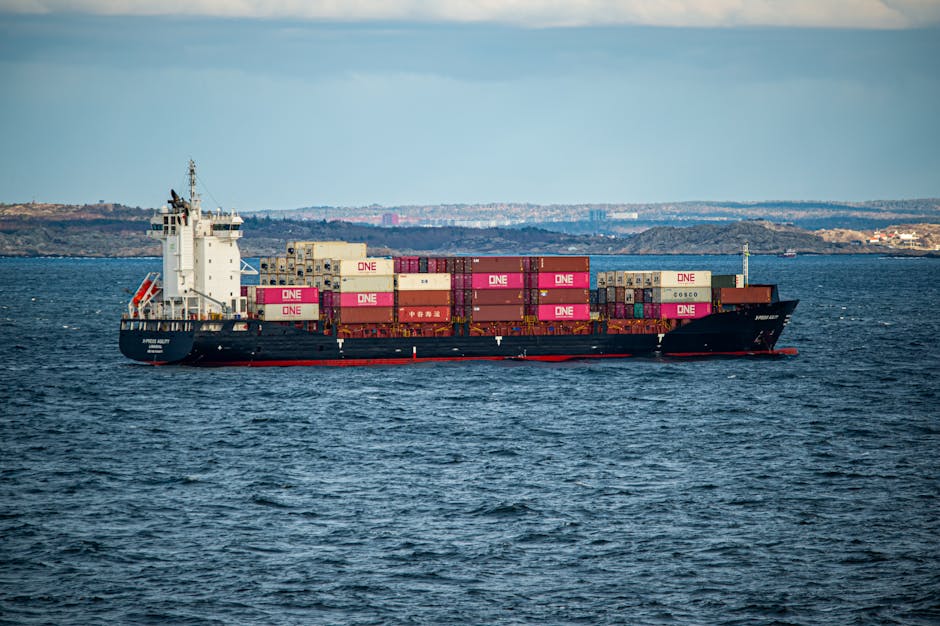
Shipping insurance protects your investment when importing from China. When considering shipping from China, With cargo spending weeks at sea or in transit, risks including damage, loss, and delays are real. Understanding shipping insurance options, coverage types, and claims processes helps you protect your business from financial loss. This 2026 guide covers everything you need to know about shipping insurance for China imports. Major players like FedEx are commonly used in this space.
📌 Key Takeaways
- Cost: Typically 0.3-1% of cargo value for comprehensive coverage
- Coverage types: All-risk, named perils, and total loss only options
- Essential for: Sea freight, high-value goods, and fragile products
- Claims process: Document damage immediately, notify insurer within 24-72 hours
- Incoterms: Understand who’s responsible for insurance under each term
Why Shipping Insurance Matters
Risks During Transit
International shipping involves multiple risks. When considering China shipping, Physical damage: rough handling, crushing, water damage. Loss: container overboard, theft, misdelivery. Delays: port congestion, customs holds, carrier issues. General average: contribution to cargo sacrifice in emergencies. Temperature/humidity: damage to sensitive goods. Contamination: exposure to other cargo. While serious incidents are relatively rare, when they occur, losses can be total. Insurance transfers this risk from you to the insurer.
Carrier Liability is Limited
Don’t assume carriers are responsible for full cargo value. When considering freight, Carrier liability is limited by international conventions. Sea freight (Hague-Visby Rules): typically $500 per package or 2 SDR per kg, whichever is higher. Air freight (Montreal Convention): 22 SDR per kg (about $30/kg). These limits are far below typical cargo values. Carriers also have many exemptions from liability. For full protection, you need cargo insurance.
General Average Protection
General average is a maritime principle where all cargo owners share losses from voluntary cargo sacrifice. When considering shipping from China, Example: if a ship jettisons containers to save the vessel, all cargo owners must contribute. Even if your cargo is safe, you may owe money. Without insurance, you could face substantial unexpected costs. Marine cargo insurance covers general average contributions. This protection alone justifies insurance for sea freight.
Types of Shipping Insurance
All-Risk Coverage
All-risk is the most comprehensive coverage. When considering China shipping, Covers: physical loss or damage from any external cause, unless specifically excluded. Common exclusions: inherent vice (product defects), delay, war, strikes, nuclear events. Benefits: broad protection, easier claims process, and peace of mind. Best for: most commercial shipments, high-value goods, and comprehensive protection. All-risk is recommended for most importers. The premium is slightly higher but coverage is comprehensive.
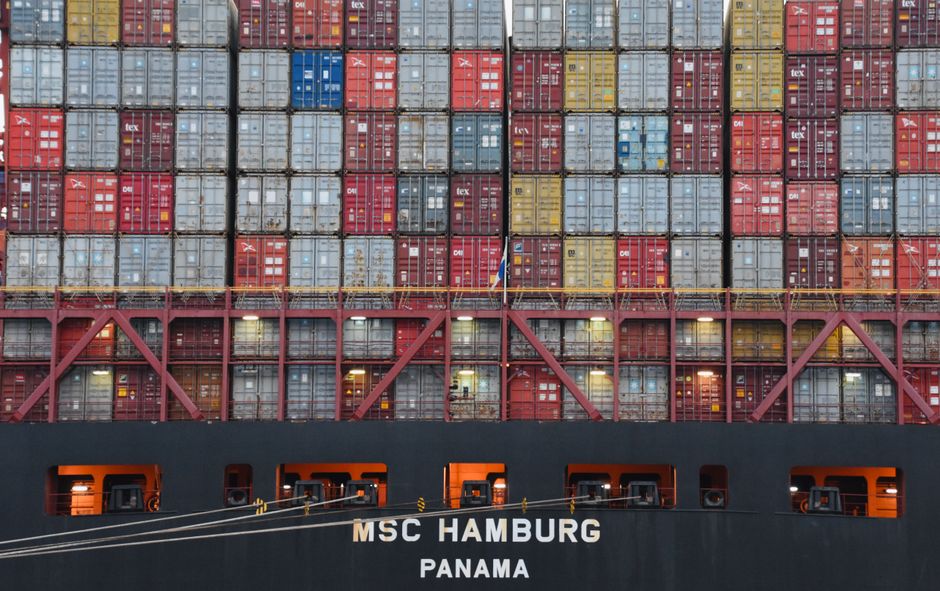
Photo by Jonas F via Pexels
Named Perils Coverage
Named perils covers only specified risks. When considering freight, Covered perils typically include: fire, explosion, collision, stranding, sinking, jettison, and heavy weather. Not covered: any cause not specifically listed. Benefits: lower premium than all-risk. Drawbacks: narrower coverage, more difficult claims (must prove covered cause). Best for: low-value cargo, experienced shippers, and cost-conscious importers. Named perils requires understanding exactly what’s covered.
Total Loss Only
Total loss only covers complete loss of shipment. When considering shipping from China, Covers: actual total loss (cargo destroyed), and constructive total loss (recovery cost exceeds value). Not covered: partial damage, theft of part of shipment. Benefits: lowest premium. Drawbacks: very limited coverage. Best for: low-value bulk commodities, and risk-tolerant importers. Total loss only is rarely recommended for commercial goods where partial damage is possible.
Insurance Coverage Comparison
| Coverage Type | What’s Covered | Premium | Best For |
|---|---|---|---|
| All-Risk | All external causes (except exclusions) | 0.3-1% | Most shipments, high-value goods |
| Named Perils | Specific listed causes only | 0.2-0.5% | Low-value, cost-conscious |
| Total Loss Only | Complete loss only | 0.1-0.3% | Bulk commodities |
| War Risk | War, terrorism, piracy | Additional 0.1-0.3% | High-risk routes |
What Shipping Insurance Covers
Standard Coverage
Standard cargo insurance typically covers: physical loss or damage during transit, general average contributions, salvage charges, sue and labor charges (costs to minimize loss), and reasonable expenses to prevent loss. When considering China shipping, Coverage applies from warehouse to warehouse: from origin warehouse to destination warehouse, including all intermediate transit. The policy should specify coverage territory and duration.
Common Exclusions
Standard policies exclude certain risks. When considering freight, Inherent vice: damage from product’s own characteristics (spoilage, rust). Willful misconduct: intentional damage by insured. Delay: financial loss from delayed delivery. Insufficient packaging: damage from inadequate packing. Loss of market: price changes during transit. War and strikes: unless specifically added. Nuclear events: typically excluded. Read your policy carefully to understand exclusions.
Optional Extensions
Additional coverage can be added for: war risk (conflict zones, terrorism), strikes, riots, civil commotion (SRCC), on-deck cargo (usually excluded), temperature-controlled cargo, and project cargo. When considering shipping from China, These extensions increase premium but provide important coverage for specific situations. Discuss your needs with your insurance broker.
Shipping Insurance Costs
Premium Rates
Insurance premiums vary based on risk factors. Typical all-risk rates: 0.3-0.5% of cargo value for standard goods, 0.5-1.0% for higher-risk goods, and 1.0-2.0%+ for high-risk cargo. Factors affecting rates: cargo type and value, shipping route and method, packaging quality, claims history, and destination country risk. Get quotes from multiple insurers. Premium differences can be significant.
Minimum Premiums
Most insurers have minimum premiums. Typical minimum: $50-150 per shipment. For small shipments, minimum may exceed percentage-based premium. For regular shippers, open cargo policies (annual policies) may be more economical. Open policies cover all shipments during the policy period with monthly reporting. Discuss options with your broker based on shipping volume.
Cost Example
Example insurance cost calculation. Cargo value: $50,000. Premium rate: 0.5%. Premium: $50,000 × 0.005 = $250. Minimum premium: $100 (lower than calculated, so minimum applies). Total insurance cost: $250. For $50,000 cargo, $250 insurance protects against potential total loss. The cost-benefit is clear: small premium for significant protection.
Insurance and Incoterms
Who Buys Insurance?
Incoterms determine insurance responsibility. EXW (Ex Works): buyer arranges all insurance. FOB (Free on Board): buyer arranges insurance from port. CIF (Cost, Insurance, Freight): seller provides minimum insurance. CIP (Carriage and Insurance Paid): seller provides insurance. DAP/DDP: seller typically insures. Under CIF/CIP, seller’s insurance may be minimum coverage. Consider buying your own insurance for comprehensive protection.
CIF Insurance Limitations
CIF terms require seller to provide insurance, but coverage may be limited. Minimum coverage: Institute Cargo Clauses (C) – named perils only. May not cover all risks you want. Coverage amount: typically 110% of CIF value. May not reflect actual replacement cost. Policy language: may be in seller’s language. Claims: may be difficult for buyer to file. If buying CIF, consider additional insurance for comprehensive coverage.
Recommended Approach
For best protection, buy your own insurance regardless of Incoterms. Benefits: you control coverage type and amount, you deal directly with insurer, policy in your language, and claims process is straightforward. Cost is typically similar to seller-provided insurance. Work with a broker who understands international cargo. This approach gives you control and protection.
How to Buy Shipping Insurance
Through Freight Forwarder
Many freight forwarders offer cargo insurance. Benefits: convenient, integrated with shipping, and forwarder handles paperwork. Drawbacks: may not offer best rates, limited insurer options, and may add markup. If using forwarder’s insurance, ask: which insurer?, what coverage?, and what’s the premium? Compare with buying directly from insurers.
Through Insurance Broker
Insurance brokers specialize in cargo coverage. Benefits: access to multiple insurers, expert advice, competitive rates, and claims assistance. Find brokers specializing in marine cargo insurance. Ask for quotes from multiple insurers. A good broker helps you get appropriate coverage at competitive rates.
Direct from Insurer
Large insurers offer direct cargo insurance. Major cargo insurers: Chubb, Allianz, AIG, Zurich, and others. Benefits: direct relationship, potentially lower cost. Drawbacks: less personalized service, may require volume. For regular shippers, direct relationships can be cost-effective.
Information Needed for Quotes
To get insurance quotes, provide: cargo description and value, shipping method (sea, air, rail), origin and destination, packaging type, shipping dates, and any special requirements (temperature, fragile). More accurate information yields accurate quotes and proper coverage. Don’t understate value to save premium—it limits your coverage.
Filing Insurance Claims
When Damage is Discovered
Act immediately when damage is discovered. At destination: note damage on delivery receipt, take photos of damage, don’t refuse shipment (accept with notation), and notify insurer within 24-72 hours (check policy). During transit: if notified of incident, contact insurer immediately. Prompt notification is required by most policies. Failure to notify promptly can void coverage.
Documentation Required
Claims require documentation. Essential documents: original insurance policy or certificate, commercial invoice (proof of value), bill of lading or air waybill, packing list, delivery receipt with damage notation, photos of damage, repair estimates or replacement quotes, and survey report if applicable. Keep all documentation organized. Missing documents delay claims.
Claims Process
Typical claims process. Step 1: Notify insurer immediately. Step 2: Submit claim form and documentation. Step 3: Insurer may survey damage. Step 4: Insurer reviews claim. Step 5: Settlement offer or denial. Step 6: Payment if approved. Timeline: simple claims 30-60 days, complex claims 90+ days. Work with your broker to navigate the process.
Common Claim Mistakes
Mistake 1: Not Notifying Promptly
Most policies require notification within 24-72 hours. Delayed notification can void your claim.
Mistake 2: Not Documenting Damage
Without photos and written notation on delivery receipt, proving damage is difficult.
Mistake 3: Discarding Damaged Goods
Keep damaged goods for inspection. Disposal before inspection can void claim.
Mistake 4: Under-Insuring
Insuring for less than actual value results in partial payment. Insure for full replacement value.
Mistake 5: Not Reading Policy
Understand your coverage before you need to file a claim. Know exclusions and requirements.
Tips for Effective Insurance
Insure for Full Value
Always insure for full replacement value. Include: product cost, freight cost, duties paid, and expected profit margin. Under-insurance results in average clause application: if insured for 80% of value, you receive 80% of claim. The small premium savings from under-insuring isn’t worth the risk. Calculate true replacement cost including all expenses.
Use Proper Packaging
Insurance doesn’t cover damage from inadequate packaging. Use appropriate packaging for your product and shipping method. Follow industry standards. Document packaging with photos. If damage occurs, proper packaging documentation supports your claim. Poor packaging gives insurers reason to deny claims.
Keep Records
Maintain complete records for each shipment. Insurance policy/certificate, commercial documents, shipping documents, photos of goods and packaging, and delivery documentation. Good records support claims and help resolve disputes. Organize records by shipment for easy access.
Review Coverage Annually
Review your insurance coverage annually. Has cargo value changed? Are you shipping different products? Have routes changed? Is claims history affecting rates? Are there new coverage options? Regular reviews ensure your coverage matches your needs. Work with your broker to optimize coverage and cost.
Conclusion
Shipping insurance is essential protection for China imports, transferring transit risks from your business to an insurer. This guide covered: why insurance matters—carrier liability is limited and risks are real, coverage types from all-risk to total loss only, costs typically 0.3-1% of cargo value, how Incoterms affect insurance responsibility, and the claims process and documentation requirements. The key principles: always insure for full replacement value, choose coverage appropriate for your cargo and risk tolerance, notify insurer immediately if damage occurs, document everything thoroughly, and work with experienced insurance professionals. Shipping insurance is a small cost that protects against potentially catastrophic losses. For most importers, the question isn’t whether to insure, but what type and amount of coverage to buy. Work with a knowledgeable broker to get appropriate coverage at competitive rates, and sleep better knowing your cargo is protected.
Need Help with Shipping Insurance for China Imports?
Top China Sourcing can help you understand insurance options and connect you with reliable insurance providers. We help ensure your shipments are properly protected. Contact us today to discuss your shipping insurance needs.
Last updated: April 30, 2026 | Shipping Insurance Guide by TCS Editorial Team
Sources
- Institute Cargo Clauses (A, B, C)
- International Chamber of Commerce Incoterms 2020
- Hague-Visby Rules (Sea Carriage)
- Montreal Convention (Air Carriage)
- TCS Insurance Database 2026