
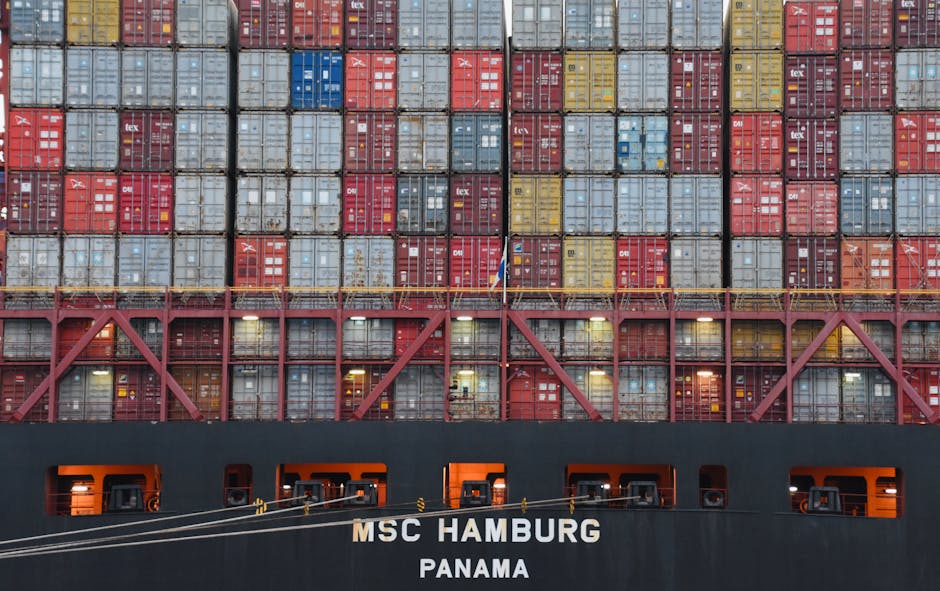
Shipping from China accounts for 15-25% of total product cost for most importers, yet 60% of businesses don’t optimize their shipping strategy—overpaying by $2,000-10,000 per shipment. With global freight rates fluctuating 40-60% annually and transit times varying from 5 days (air freight) to 45 days (sea freight), choosing the right shipping method directly impacts your profit margins and inventory planning. This comprehensive guide breaks down sea freight vs. air freight costs, transit times, and optimal use cases for 2026.
Sea Freight from China: Complete Cost Breakdown
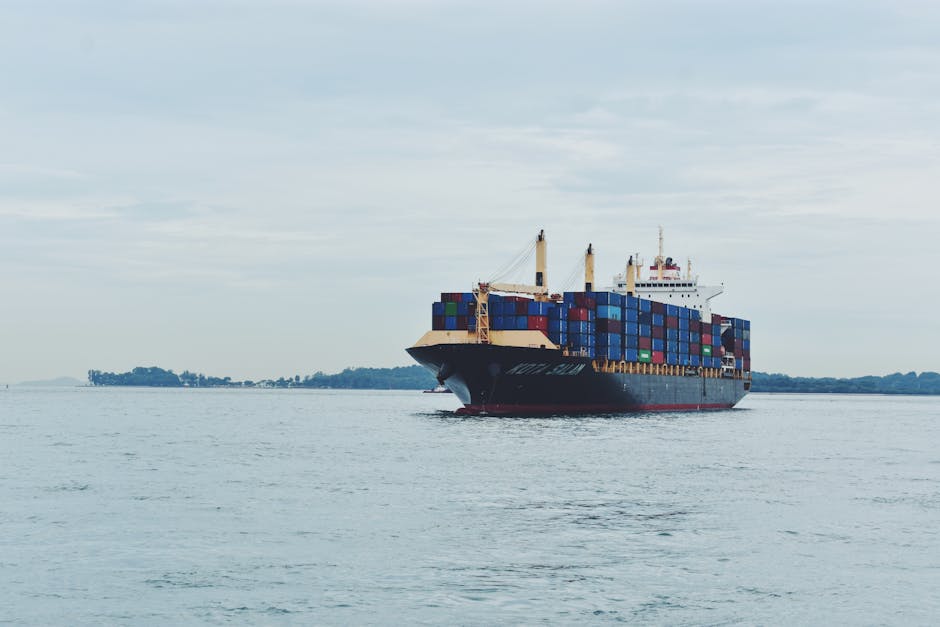
Sea freight remains the most cost-effective shipping method for orders over 500 kg, transporting 80% of global trade volume. In 2026, sea freight rates from China to US West Coast average $1,500-2,500 per 40-foot container, while East Coast routes cost $2,500-4,000 due to longer transit times and Panama Canal fees. For smaller shipments, Less than Container Load (LCL) rates run $40-80 per cubic meter (CBM) to US ports.
Container Types and Capacities
Standard containers come in three sizes: 20-foot (28 CBM capacity, max 18,000 kg), 40-foot (58 CBM capacity, max 22,000 kg), and 40-foot High Cube (68 CBM capacity, max 22,000 kg). For reference, a 40-foot container holds approximately 10,000-12,000 units of typical consumer products (small electronics, kitchen gadgets, or accessories). Choose container size based on order volume: FCL (Full Container Load) for 15+ CBM, LCL for under 15 CBM.
Sea Freight Cost Components
Sea freight pricing includes multiple charges: ocean freight ($1,500-4,000 per container), terminal handling charges ($200-400 at origin and destination), documentation fees ($50-150), customs clearance ($200-500), and inland transportation ($300-800 from port to warehouse). For a 40-foot container from Shenzhen to Los Angeles, total landed cost averages $2,500-3,500. Always request “all-in” quotes that include all fees to avoid surprise charges.
Transit Times by Route
Sea freight transit times from China vary by destination: US West Coast (Los Angeles, Long Beach) 15-25 days, US East Coast (New York, Savannah) 30-40 days, Europe (Rotterdam, Hamburg) 30-35 days, and Australia (Sydney, Melbourne) 15-20 days. Port congestion in 2025-2026 added 5-15 days to these times. Plan inventory buffers accordingly—order 60-90 days before stock-out dates to account for production and shipping delays.
Air Freight from China: Speed at a Premium
Air freight costs 4-6x more than sea freight but delivers products in 5-10 days, making it ideal for urgent inventory replenishment, seasonal products, and high-value lightweight items. Air freight rates from China to US average $5-8 per kg in 2026, with rates fluctuating based on fuel prices, capacity availability, and seasonal demand. Major air cargo hubs include Shanghai Pudong (PVG), Guangzhou Baiyun (CAN), Shenzhen Bao’an (SZX), and Hong Kong (HKG).
Air Freight Cost Calculation
Air freight charges based on actual weight or volumetric weight—whichever is higher. Volumetric weight = (Length × Width × Height in cm) ÷ 5,000. For example, a 50 kg shipment measuring 100×80×60 cm has volumetric weight of 96 kg (100×80×60÷5,000), so you’re charged for 96 kg, not 50 kg. Optimize packaging to minimize volumetric weight and reduce air freight costs by 20-30%.
Air Freight vs. Express Courier
Air freight (airport-to-airport) costs $5-8 per kg, while express courier (DHL, FedEx, UPS door-to-door) costs $8-15 per kg. For shipments under 100 kg, express courier often costs less due to consolidated rates. For 100+ kg, air freight through freight forwarders provides better value. Express courier delivers in 3-5 days; air freight takes 5-10 days including customs clearance.
When to Choose Air Freight
Air freight makes economic sense for: high-value products ($50+ per unit) where shipping cost is small percentage of value, lightweight items (under 5 kg per cubic meter), urgent inventory replenishment to avoid stock-outs, seasonal products with short selling windows, and sample shipments for testing. For products with 30%+ profit margins, air freight’s higher cost is often offset by faster inventory turnover and reduced storage costs.
Sea Freight vs. Air Freight: Cost Comparison Calculator
Example 1: 1,000 Units of Electronics Accessories
Product: Bluetooth earbuds, 50 grams per unit, 15×10×5 cm packaging. Total weight: 50 kg. Total volume: 0.75 CBM (1,000 units × 15×10×5 cm). Sea freight LCL cost: $60-120 ($80-160 per CBM × 0.75 CBM). Air freight cost: $300-400 ($5-8 per kg × 60 kg volumetric weight). Sea freight saves $180-340 but takes 25-35 days longer. Choose sea freight for regular inventory, air freight for urgent replenishment.
Example 2: 5,000 Units of Kitchen Gadgets
Product: Vegetable choppers, 300 grams per unit, 20×15×10 cm packaging. Total weight: 1,500 kg. Total volume: 15 CBM. Sea freight FCL (20-foot container share): $800-1,200. Air freight: $7,500-12,000 ($5-8 per kg × 1,500 kg). Sea freight saves $6,300-10,800—making it the clear choice for non-urgent shipments. Air freight only justified if stock-out would cost more than $10,000 in lost sales.
Example 3: 500 Units of Premium Electronics
Product: Smartwatches, $80 wholesale value, 200 grams per unit. Total weight: 100 kg. Total value: $40,000. Sea freight cost: $150-250, transit 30 days. Air freight cost: $500-800, transit 7 days. While sea freight saves $250-650, air freight’s faster delivery enables 4 extra inventory turns per year. For high-margin products, faster inventory turnover often justifies air freight premium.
Choosing the Right Shipping Method: Decision Framework
Choose Sea Freight When:
Order volume exceeds 500 kg or 2 CBM, products have low value-to-weight ratio (under $20 per kg), you have 30+ days lead time before stock-out, profit margins are tight (under 25%), and you’re shipping to coastal destinations near major ports. Sea freight is optimal for 80% of import shipments due to significant cost savings.
Choose Air Freight When:
Order volume is under 500 kg, products have high value-to-weight ratio ($50+ per kg), you need products within 10 days, stock-out costs exceed $5,000, products are seasonal with short selling windows, or you’re shipping samples and small test orders. Air freight accounts for 15-20% of import shipments by volume but 35% by value.
Hybrid Approach: Sea + Air
For large orders with urgent partial delivery needs, use hybrid shipping: air freight 10-20% of order for immediate inventory, sea freight remaining 80-90% for cost efficiency. This approach costs 15-25% more than pure sea freight but prevents stock-outs during the 30-45 day sea freight transit. Calculate break-even: if stock-out costs $10,000, spending $1,500-2,000 on air freight for partial shipment is justified.
Working with Freight Forwarders in China
What Freight Forwarders Do
Freight forwarders coordinate shipping logistics: booking cargo space, preparing documentation, arranging customs clearance, and managing inland transportation. They consolidate shipments from multiple clients to negotiate better rates with carriers. For importers, freight forwarders simplify the complex shipping process and provide single-point contact for all logistics needs.
Choosing a Freight Forwarder
Select freight forwarders with: 5+ years experience shipping from China, offices in your supplier’s region and destination country, competitive pricing (request quotes from 3-5 forwarders), good communication (respond within 4-8 hours), and cargo insurance options. Major freight forwarders serving China include Flexport, DHL Global Forwarding, Kuehne+Nagel, and local Chinese forwarders like SF Express and YunExpress.
Freight Forwarder Costs
Freight forwarders charge: shipping fees (passed through from carriers), handling fees ($50-150 per shipment), documentation fees ($25-75), customs brokerage ($100-300), and optional insurance (0.3-0.5% of cargo value). Total forwarder fees add $200-500 to carrier charges. Compare “all-in” quotes from multiple forwarders to find best value—lowest carrier rate doesn’t always mean lowest total cost.
Customs Clearance and Import Duties
Understanding Import Duties
Products imported from China to US are subject to Section 301 tariffs: 7.5% for most consumer goods, 25% for certain electronics and industrial products. Check your product’s HTS code (Harmonized Tariff Schedule) at hts.usitc.gov to determine exact duty rate. For example, Bluetooth speakers (HTS 8518.29) face 25% tariff, while kitchen gadgets (HTS 8210.00) face 7.5% tariff. Factor duties into landed cost calculations.
Customs Clearance Process
Customs clearance requires: commercial invoice (product description, value, HS code), packing list (quantity, weight, dimensions), bill of lading or airway bill (shipping document), and customs bond (for imports over $2,500). Customs clearance takes 1-5 days for sea freight, 1-2 days for air freight. Freight forwarders handle customs clearance for $100-300 fee, or use licensed customs brokers.
Import Documentation Requirements
Accurate documentation prevents customs delays and penalties. Required documents include: commercial invoice with declared value, packing list with detailed contents, bill of lading (sea) or airway bill (air), country of origin certificate, and product certifications (FCC, FDA, CE as applicable). Work with suppliers to ensure documentation accuracy—errors cause 3-10 day delays and potential fines.
Shipping Insurance: Protecting Your Cargo
Why You Need Shipping Insurance
Approximately 0.5-1% of sea freight shipments experience damage or loss, while air freight has 0.1-0.2% incident rate. Without insurance, you bear full loss. For a $20,000 shipment, insurance costs $60-100 (0.3-0.5% of value) but protects against $20,000 loss. Shipping insurance is essential for all orders over $2,000—don’t gamble with your inventory investment.
Types of Coverage
All-risk marine insurance covers damage from handling, weather, accidents, and theft. Named-peril insurance covers specific risks (fire, collision, jettison) at lower cost but narrower coverage. For most importers, all-risk insurance provides best protection. Freight forwarders offer insurance at 0.3-0.5% of cargo value, or purchase directly from insurers like Chubb, AIG, or Lloyd’s.
Filing Insurance Claims
Document damage immediately upon receipt: photograph damaged packaging and products, note damage on delivery receipt, file claim within 3 days of delivery, and provide supporting documentation (photos, invoice, packing list). Insurance claims take 30-60 days to process. Work with freight forwarders who assist with claims—their experience speeds resolution.
2026 Shipping Trends and Challenges
Port Congestion and Delays
US ports (Los Angeles, Long Beach, New York) experienced 10-20 day congestion delays in 2025, adding to transit times. Mitigate congestion delays by: shipping to alternative ports (Oakland, Savannah, Houston), booking shipments 2-3 weeks earlier, and maintaining 60-90 day inventory buffers. Port congestion is expected to improve in late 2026 as infrastructure investments come online.
Rising Freight Rates
Freight rates increased 40-60% from 2023 to 2025 due to fuel costs, capacity constraints, and geopolitical disruptions. Lock in rates with forwarders for 3-6 month periods to hedge against increases. Consider long-term contracts with carriers for 5-10% rate discounts. Monitor freight indices (Drewry, Freightos Baltic Index) to time shipments during rate dips.
Sustainability and Carbon Footprint
Sea freight produces 10-40 grams CO2 per ton-kilometer, while air freight produces 500-600 grams—15-50x higher carbon footprint. For businesses prioritizing sustainability, sea freight aligns with ESG goals. Some carriers now offer carbon-neutral shipping options through offset programs. Calculate your shipping carbon footprint using tools from DHL or Maersk.
Conclusion: Optimize Your China Shipping Strategy
Choosing between sea freight and air freight from China requires balancing cost, speed, and inventory needs. Sea freight saves $2,000-10,000 per shipment for orders over 500 kg but requires 30-45 day lead times. Air freight costs 4-6x more but delivers in 5-10 days for urgent needs. Use the decision framework: sea freight for regular inventory and high-volume orders, air freight for urgent replenishment and high-value lightweight products. Work with experienced freight forwarders, maintain accurate documentation, and always purchase shipping insurance. Optimizing your shipping strategy reduces costs by 15-25% and improves inventory management.
Need Help with Shipping from China?
Partner with topchinasourcing for reliable shipping and logistics solutions. Contact us today for a free consultation and optimize your supply chain costs.