
Choosing between sea freight and air freight from China is one of the most important logistics decisions you’ll make. The right choice balances cost, speed, and your specific business needs. This 2026 comparison guide provides detailed analysis of sea freight vs air freight costs, transit times, and best use cases to help you make informed shipping decisions for your China imports.
📌 Key Takeaways
- Cost difference: Sea freight $0.10-0.30/kg vs air freight $4-8/kg—air is 15-40x more expensive
- Time difference: Sea freight 25-50 days vs air freight 5-10 days
- Sea freight best for: Large volumes (500kg+), non-urgent shipments, cost-sensitive products
- Air freight best for: Urgent shipments, high-value products, small volumes, short shelf life
- Decision factors: Volume, urgency, product value, cash flow, and inventory strategy
Sea Freight Overview
How Sea Freight Works
Sea freight involves transporting goods by ocean vessel. Process: cargo is loaded into containers at origin port, containers are loaded onto vessels, vessels travel to destination port, containers are unloaded and cleared through customs, and goods are delivered to final destination. Two options: FCL (Full Container Load) for shipments filling a container, and LCL (Less than Container Load) for smaller shipments sharing container space. Sea freight is the backbone of global trade, handling 90% of world trade by volume.
Sea Freight Advantages
Sea freight offers significant benefits. Cost efficiency: lowest cost per unit for large volumes, typically $0.10-0.30 per kg. Volume capacity: can ship massive quantities in containers. Product variety: suitable for almost any product type including hazardous materials. Environmental impact: lowest carbon footprint per unit shipped. Reliability: established schedules and routes. For most commercial imports, sea freight is the default choice due to cost advantages.
Sea Freight Disadvantages
Sea freight has limitations. Speed: slow transit times of 25-50 days to most destinations. Inventory carrying cost: goods in transit tie up capital. Planning required: must order well in advance. Risk exposure: longer transit means more time for potential issues. Minimum volumes: LCL available but FCL is most economical. Port dependency: requires port access or inland transportation. These disadvantages are manageable with proper planning.
Air Freight Overview
How Air Freight Works
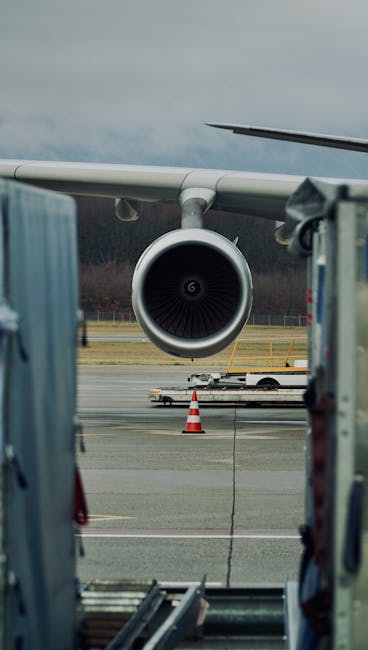
Air freight transports goods by commercial or cargo aircraft. Process: cargo is delivered to airport, cleared for export, loaded onto aircraft, flown to destination airport, cleared through customs, and delivered to final destination. Options: commercial passenger aircraft belly cargo (most common), dedicated cargo aircraft, and charter flights for urgent/large shipments. Air freight handles high-value and time-sensitive cargo that justifies premium pricing.
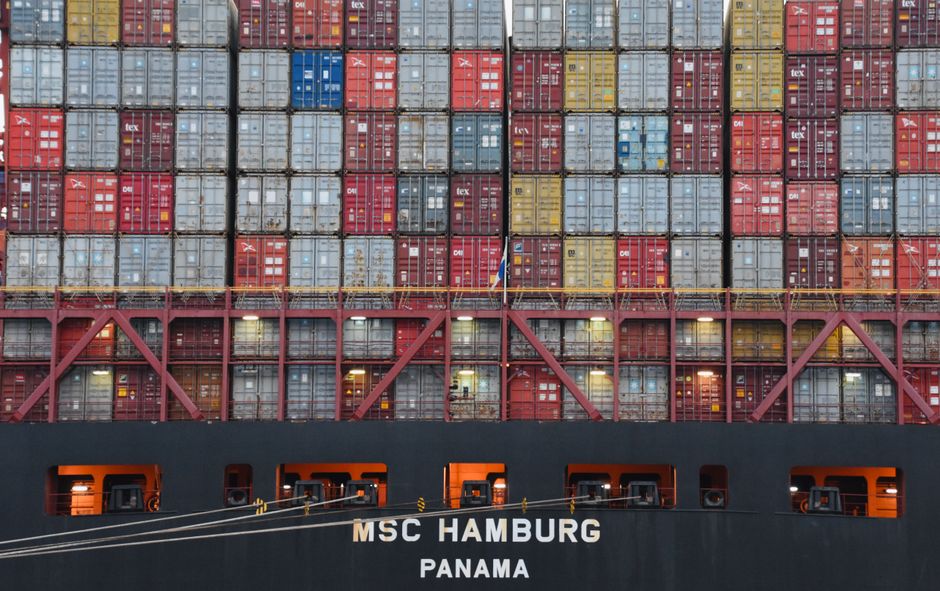
Photo by Jonas F via Pexels
Air Freight Advantages
Air freight provides unique benefits. Speed: fastest transit times of 5-10 days including customs. Reliability: high on-time performance, predictable schedules. Security: better security and lower theft risk. Inventory efficiency: faster turnover, less capital tied up. Flexibility: can ship smaller quantities more frequently. Insurance: lower premiums due to reduced risk exposure. For urgent or high-value shipments, air freight advantages outweigh cost premium.
Air Freight Disadvantages
Air freight has significant limitations. Cost: 15-40x more expensive than sea freight per kg. Weight limits: aircraft have maximum weight and dimension restrictions. Product restrictions: hazardous materials, batteries, and certain goods face restrictions. Volume limits: not economical for large volumes. Environmental impact: highest carbon footprint per kg. Customs scrutiny: may face more inspections. Air freight is a premium service with premium pricing.
Cost Comparison
Per Kilogram Costs
| Shipping Method | Cost per kg | Example: 500kg Shipment | Example: 5000kg Shipment |
|---|---|---|---|
| Sea Freight LCL | $0.10-0.30 | $50-150 | $500-1,500 |
| Sea Freight FCL | $0.05-0.15 | N/A (minimum 10,000kg) | $250-750 |
| Air Freight | $4-8 | $2,000-4,000 | $20,000-40,000 |
| Express | $6-15 | $3,000-7,500 | $30,000-75,000 |
Total Landed Cost Impact
Shipping cost affects total landed cost significantly. Example: Product cost $10/kg, order 1,000kg ($10,000 product cost). Sea freight: $200 (2% of product cost). Air freight: $6,000 (60% of product cost). Total landed cost: Sea $10,200 vs Air $16,000. The shipping method choice adds $5,800 to total cost—57% more for air freight. For low-margin products, air freight may eliminate profit entirely. Calculate total landed cost before deciding.
Hidden Costs to Consider
Beyond base shipping cost, consider: Inventory carrying cost: goods in transit 30+ days tie up capital. At 10% annual cost of capital, 30 days adds 0.8% to product cost. Storage costs: if goods arrive early or can’t be received. Insurance: higher for air freight due to value concentration. Customs duties: may be higher if goods arrive earlier and payment is due. Rush fees: if sea freight shipment is delayed and you need expedited delivery. Factor all costs into your decision.
Transit Time Comparison
Sea Freight Transit Times
Sea freight transit times from major Chinese ports: To US West Coast (Los Angeles, Long Beach): 25-35 days. To US East Coast (New York, Savannah): 35-50 days. To Northern Europe (Rotterdam, Hamburg): 30-40 days. To Mediterranean (Genoa, Barcelona): 28-35 days. To Australia (Sydney, Melbourne): 15-20 days. Add 5-10 days for port congestion, customs clearance, and inland transportation. Plan 40-60 days total from shipment to receipt.
Air Freight Transit Times
Air freight transit times from China: To US: 3-5 days flight time, 5-10 days total including customs. To Europe: 2-4 days flight time, 5-8 days total. To Australia: 2-3 days flight time, 4-7 days total. Express services (DHL, FedEx, UPS): 3-7 days door-to-door. Air freight is 3-5x faster than sea freight, enabling rapid inventory replenishment and response to demand changes.
Planning Implications
Transit time affects inventory planning. Sea freight: requires forecasting demand 60-90 days ahead, larger safety stock, more capital tied up in inventory. Air freight: enables just-in-time inventory, smaller safety stock, faster response to demand changes. Consider your inventory strategy when choosing shipping method. Some businesses use sea freight for regular replenishment and air freight for emergency restocking.
When to Choose Sea Freight
Large Volume Shipments
Sea freight is most economical for large volumes. FCL break-even: typically 10-15 CBM makes FCL cheaper than LCL. LCL vs air break-even: typically 500kg-1,000kg where sea becomes significantly cheaper. For orders over 1,000kg, sea freight is almost always more economical. Calculate cost per kg for both options at your specific volume. The larger the shipment, the more sea freight saves.
Non-Urgent Deliveries
When you have time, sea freight is the economical choice. Situations: regular replenishment orders, planned product launches, seasonal inventory buildup, and products with stable demand. If you can plan 60-90 days ahead, sea freight provides significant cost savings. Build lead time into your planning process to enable sea freight.
Cost-Sensitive Products
For products with tight margins, sea freight may be necessary. Low-margin products: shipping cost significantly impacts profitability. Commodity products: price competition requires lowest costs. Large, heavy products: air freight cost prohibitive. Budget-conscious customers: cost savings can be passed on. If product margins can’t absorb air freight costs, sea freight is the only viable option.
Products Unsuitable for Air
Some products must ship by sea. Large items: furniture, machinery, oversized goods. Heavy items: construction materials, industrial equipment. Hazardous materials: many can’t fly or face restrictions. Batteries and electronics: face air cargo restrictions. Liquid products: quantity restrictions for air. Check product restrictions before assuming air freight is an option.
When to Choose Air Freight
Urgent Shipments
When time is critical, air freight is worth the premium. Situations: stockouts requiring emergency replenishment, missed sea freight deadlines, customer commitments requiring fast delivery, and seasonal peaks requiring quick response. Calculate the cost of stockout (lost sales, customer dissatisfaction) vs air freight premium. Often, the cost of being out of stock exceeds air freight cost.
High-Value Products
For expensive products, air freight cost is proportionally smaller. Example: Product cost $100/kg, shipping cost $6/kg (air) vs $0.20/kg (sea). Air freight adds 6% to product cost vs 0.2% for sea. The 5.8% difference may be acceptable for faster delivery and lower inventory carrying cost. High-value products can absorb air freight costs more easily.
Small Volume Orders
For small orders, air freight may be the only practical option. Under 100kg: express shipping is often simplest. 100-500kg: air freight is practical. 500-1,000kg: compare air vs sea LCL costs. Under 500kg, sea freight minimum charges may make air freight competitive. Get quotes for both options at your specific volume.
Short Shelf Life Products
Products with limited shelf life require fast shipping. Examples: seasonal fashion, trending products, perishable goods, and products with upcoming regulatory changes. If product value declines significantly over time, air freight may be necessary to capture value. Calculate product value degradation vs shipping time.
Hybrid Strategies
Sea for Base, Air for Peaks
Many businesses use both methods strategically. Approach: ship regular inventory by sea freight (low cost), use air freight for emergency replenishment (fast), and maintain safety stock to buffer variability. This strategy minimizes shipping costs while maintaining service levels. Plan sea freight shipments to cover base demand, with air freight as backup for demand spikes or delays.
Split Shipments
For large orders, consider splitting between sea and air. Strategy: ship 80-90% by sea freight for cost efficiency, ship 10-20% by air freight for immediate availability. This provides product for immediate sales while bulk shipment arrives. Useful for new product launches or seasonal peaks. Calculate optimal split based on demand forecast and costs.
Seasonal Planning
Plan shipping method based on seasonal patterns. Approach: use sea freight for pre-season inventory buildup, use air freight for in-season replenishment, and reduce inventory post-season. This matches shipping method to urgency and cost sensitivity. Plan 3-4 months ahead for seasonal products to enable sea freight for bulk of inventory.
Decision Framework
| Factor | Choose Sea Freight | Choose Air Freight |
|---|---|---|
| Volume | Over 500kg | Under 500kg |
| Urgency | Non-urgent (60+ days) | Urgent (under 15 days) |
| Product Value | Low-medium value | High value ($50+/kg) |
| Margins | Tight margins | Healthy margins |
| Inventory Strategy | Planned, stable demand | Just-in-time, variable |
Conclusion
The choice between sea freight and air freight depends on your specific situation—there’s no universal right answer. This guide compared: costs showing sea freight at $0.10-0.30/kg vs air freight at $4-8/kg, transit times of 25-50 days for sea vs 5-10 days for air, sea freight best for large volumes, non-urgent shipments, and cost-sensitive products, and air freight best for urgent shipments, high-value products, and small volumes. The key decision factors: volume (larger favors sea), urgency (faster favors air), product value (higher value tolerates air cost), margins (tight margins require sea), and inventory strategy (planned vs responsive). Calculate total landed cost for both options at your specific volume. Consider hybrid strategies using sea for base inventory and air for peaks. The right shipping strategy supports your business goals—whether that’s minimizing cost, maximizing speed, or balancing both.
Need Help Choosing Shipping Methods?
Top sourcing from China provides logistics consulting to help you choose the right shipping method for each shipment. We analyze your volume, timeline, and costs to recommend optimal shipping strategies. Contact us today to optimize your China shipping.
Last updated: April 30, 2026 | Sea vs Air Freight Guide by TCS Editorial Team
Sources
- Freightos Air Freight Index 2026
- World Container Index 2026
- IATA Air Cargo Market Analysis
- TCS Shipping Cost Database 2026
- International Shipping Cost Comparison Studies