
📋 Key Takeaways
- RoHS compliance is mandatory for all electrical and electronic equipment sold in the EU market
- 10 restricted substances including lead, mercury, cadmium, and hexavalent chromium
- Maximum concentration limits of 0.1% (1000 ppm) for most substances, 0.01% for cadmium
- Testing costs $300-$2,000 per product depending on complexity and testing scope
- Documentation required includes test reports, declarations, and technical files
Importing electronics from China requires strict adherence to RoHS compliance regulations. When it comes to product certification, the Restriction of Hazardous Substances Directive limits the use of specific hazardous materials in electrical and electronic equipment. For importers sourcing electronics from China in 2026, understanding RoHS requirements is essential for accessing the European market and maintaining regulatory compliance.
The RoHS compliance process for China imports involves material testing, supplier verification, and comprehensive documentation. When it comes to product certification, many importers underestimate the complexity of RoHS compliance, leading to customs delays, market access denials, and potential enforcement actions. Understanding the requirements helps ensure smooth market entry and protects your business from costly compliance failures.
What is RoHS and Why Does It Matter?
RoHS (Restriction of Hazardous Substances) is a European Union directive that restricts the use of specific hazardous materials in electrical and electronic equipment. When it comes to product certification, originally adopted in 2003 and updated in 2011 (RoHS 2) and 2015 (RoHS 3), the directive aims to protect human health and the environment by reducing exposure to dangerous substances. For importers sourcing from China, RoHS compliance is mandatory for selling products in the EU market.
The 10 Restricted Substances
RoHS restricts the use of 10 hazardous substances in electrical and electronic equipment. When it comes to product certification, each substance has a maximum concentration value (MCV) that cannot be exceeded:
| Substance | Maximum Concentration | Common Uses |
|---|---|---|
| Lead (Pb) | 0.1% (1000 ppm) | Solder, batteries, PVC stabilizers |
| Mercury (Hg) | 0.1% (1000 ppm) | Lamps, switches, batteries |
| Cadmium (Cd) | 0.01% (100 ppm) | Batteries, pigments, plating |
| Hexavalent Chromium (Cr6+) | 0.1% (1000 ppm) | Chromate coatings, pigments |
| Polybrominated Biphenyls (PBB) | 0.1% (1000 ppm) | Flame retardants |
| Polybrominated Diphenyl Ethers (PBDE) | 0.1% (1000 ppm) | Flame retardants |
| Bis(2-Ethylhexyl) phthalate (DEHP) | 0.1% (1000 ppm) | Plasticizers in PVC |
| Butyl benzyl phthalate (BBP) | 0.1% (1000 ppm) | Plasticizers |
| Dibutyl phthalate (DBP) | 0.1% (1000 ppm) | Plasticizers, adhesives |
| Diisobutyl phthalate (DIBP) | 0.1% (1000 ppm) | Plasticizers |
Products Covered by RoHS
RoHS applies to all electrical and electronic equipment (EEE) falling within 11 product categories:
- Large household appliances – Refrigerators, washing machines, stoves
- Small household appliances – Vacuum cleaners, toasters, irons
- IT and telecommunications equipment – Computers, phones, routers
- Consumer equipment – TVs, audio equipment, video cameras
- Lighting equipment – Lamps, light fixtures, LED bulbs
- Electrical and electronic tools – Drills, saws, sewing machines
- Toys, leisure, and sports equipment – Electric toys, video games
- Medical devices – Diagnostic equipment, therapy devices
- Monitoring and control instruments – Thermostats, scales
- Automatic dispensers – Vending machines, ATMs
- Other EEE – Cables, spare parts
RoHS Compliance Process: Step-by-Step Guide
Step 1: Identify Applicable Product Categories
The first step in achieving RoHS compliance is determining whether your product falls within scope. When it comes to product certification, products are covered if they:
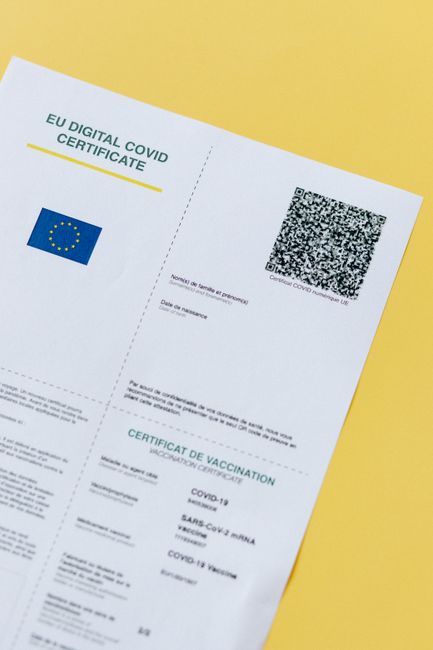
Photo by Nataliya Vaitkevich via Pexels
- Require electric currents or electromagnetic fields to function
- Are designed for use with voltage ratings up to 1000V AC or 1500V DC
- Are intended for the EU market
Step 2: Conduct Material Assessment
Identify all materials and components in your product that may contain restricted substances. When it comes to product certification, high-risk materials include:
- Solder and solder joints – May contain lead
- PVC cables and insulation – May contain lead, cadmium, phthalates
- Batteries – May contain lead, cadmium, mercury
- Plastic housings – May contain flame retardants (PBB, PBDE)
- Metal finishes – May contain hexavalent chromium
- Displays and lamps – May contain mercury
Step 3: Obtain Supplier Declarations
Request RoHS declarations from all suppliers and component manufacturers. When it comes to product certification, a valid RoHS declaration should include:
- Product or component identification
- Statement of compliance with RoHS directive
- List of applicable exemptions (if any)
- Test report references
- Supplier contact information and signature
Step 4: Conduct Testing
Testing is essential for verifying RoHS compliance, especially when supplier declarations are unavailable or unreliable. When it comes to product certification, testing options include:
- Screening tests – XRF (X-ray fluorescence) for quick material analysis
- Verification tests – Chemical analysis for precise measurement
- Homogeneous material testing – Testing of individual materials that cannot be mechanically separated
Step 5: Create Technical Documentation
Maintain comprehensive technical documentation demonstrating compliance. When it comes to product certification, required documentation includes:
- Product description and bill of materials
- Supplier RoHS declarations
- Test reports from accredited laboratories
- Material declarations for all components
- EU Declaration of Conformity
Step 6: Issue Declaration of Conformity
The EU Declaration of Conformity is a legal document stating that your product complies with RoHS requirements. When it comes to product certification, this document must:
- Identify the product (name, model, serial number)
- Name and address of the manufacturer or importer
- Reference to RoHS directive 2011/65/EU
- List applicable exemptions
- Include signature and date
RoHS Testing Costs and Timeline
Testing Cost Breakdown
| Testing Type | Scope | Estimated Cost | Timeline |
|---|---|---|---|
| XRF Screening | Quick material scan | $100-$300 | 1-2 days |
| Full RoHS Testing (6 substances) | Original RoHS substances | $300-$800 | 3-5 days |
| Full RoHS Testing (10 substances) | All restricted substances | $500-$1,500 | 5-7 days |
| Component-level Testing | Individual components | $50-$200 per component | 2-3 days |
| Complete Product Testing | Full product analysis | $1,000-$2,500 | 7-10 days |
Factors Affecting Testing Costs
Several factors influence RoHS testing costs:
- Number of components – More components require more testing
- Testing location – Chinese labs typically cost 30-50% less than European labs
- Testing scope – 10-substance testing costs more than 6-substance
- Sample preparation – Complex disassembly adds costs
- Expedited service – Rush testing adds 50-100% to costs
Working with Chinese Suppliers on RoHS Compliance
Verifying Supplier RoHS Declarations
Many Chinese suppliers provide RoHS declarations, but verification is essential. When it comes to product certification, common issues include:
- Generic declarations – Documents not specific to actual products
- Outdated declarations – Certificates not reflecting current production
- Fake test reports – Fabricated documents without actual testing
- Partial compliance – Some components compliant, others not
Best Practices for Supplier Management
Ensure RoHS compliance from Chinese suppliers through:
- Contractual requirements – Include RoHS compliance in purchase agreements
- Regular testing – Periodic verification testing of received products
- Supplier audits – On-site verification of compliance processes
- Component traceability – Require material declarations for all components
- Testing certificates – Request test reports from accredited laboratories
RoHS Exemptions: What You Need to Know
Common RoHS Exemptions
Certain applications are exempt from RoHS restrictions due to technical or safety reasons. When it comes to product certification, common exemptions include:
- Lead in solders – For servers, storage systems, network infrastructure
- Lead in glass and ceramics – For CRT displays, fluorescent lamps
- Cadmium in photoresistors – For specific lighting applications
- Mercury in lamps – For specific lamp types with defined limits
- Lead in batteries – Not covered by RoHS (separate battery directive)
Exemptions are regularly reviewed and may expire. When it comes to product certification, check the current exemption list in Annex III and Annex IV of the RoHS directive.
Common RoHS Compliance Mistakes to Avoid
Mistake 1: Relying Solely on Supplier Declarations
Accepting supplier declarations without verification leads to compliance failures. When it comes to product certification, always conduct independent testing, especially for high-risk products or new suppliers.
Mistake 2: Testing Only Finished Products
RoHS compliance must be verified at the homogeneous material level. When it comes to product certification, testing only finished products may miss non-compliant components. Test individual materials and components for complete assurance.
Mistake 3: Ignoring Phthalates
The four phthalates added in RoHS 3 (DEHP, BBP, DBP, DIBP) are often overlooked. When it comes to product certification, these substances are common in PVC cables, plastic housings, and flexible components. Ensure testing covers all 10 restricted substances.
Mistake 4: Inadequate Documentation
Technical documentation must be maintained for 10 years after product placement on the market. When it comes to product certification, missing or incomplete documentation results in compliance failure during market surveillance inspections.
RoHS vs Other Environmental Regulations
| Regulation | Market | Scope | Key Requirements |
|---|---|---|---|
| RoHS (EU) | European Union | EEE products | 10 restricted substances |
| RoHS (China) | China | EEE products | Similar to EU RoHS, labeling required |
| RoHS (UK) | United Kingdom | EEE products | Post-Brexit UK RoHS regulations |
| California Prop 65 | California, USA | All products | Warning labels for listed chemicals |
| REACH | European Union | All products | SVHC substances, registration |
RoHS Compliance for Amazon FBA Sellers
Amazon’s Documentation Requirements
Amazon requires RoHS compliance documentation for electronics sold on EU marketplaces. When it comes to product certification, sellers must provide:
- Declaration of Conformity
- Test reports from accredited laboratories
- Technical documentation upon request
Failure to provide adequate documentation can result in listing removal or account suspension. When it comes to product certification, amazon may request RoHS documentation at any time.
Choosing a RoHS Testing Laboratory
Accreditation Requirements
Select testing laboratories with appropriate accreditations:
- ISO 17025 accreditation – Demonstrates testing competence
- ILAC MRA signatory – International recognition of test results
- CNAS accreditation – For Chinese laboratories
Reputable Testing Organizations in China
Several international testing organizations operate RoHS-accredited facilities in China:
- SGS China – Comprehensive RoHS testing services
- TÜV SÜD China – German testing organization with EU recognition
- Intertek China – International testing company
- Bureau Veritas China – French testing organization
- CTI (Centre Testing International) – Leading Chinese laboratory
Frequently Asked Questions
Is RoHS compliance required for all markets?
No, RoHS is an EU directive. However, similar regulations exist in China (China RoHS), UK (UK RoHS), and other jurisdictions. California Proposition 65 requires warnings for products containing listed chemicals. Many global retailers require RoHS compliance regardless of destination market.
Does RoHS certification expire?
RoHS compliance does not expire, but it must be maintained. Product design changes, supplier changes, or regulatory updates may require re-testing and updated documentation. Technical files must be retained for 10 years.
Conclusion
RoHS compliance for China electronics is a mandatory requirement for accessing the European market. Understanding the restricted substances, testing requirements, and documentation obligations helps importers navigate compliance efficiently. Working with accredited testing laboratories, verifying supplier declarations, and maintaining comprehensive documentation ensures smooth market entry and protects against enforcement actions.
The investment in proper RoHS compliance pays dividends through market access, customer trust, and environmental responsibility. For importers sourcing electronics from China in 2026, proactive compliance planning should be an integral part of product development and sourcing strategies.
Need help navigating RoHS compliance for your China electronics imports? Our team at Top China Sourcing provides comprehensive compliance support, from supplier verification to testing coordination. Contact us today to ensure your products meet EU market requirements.
Sources
- European Commission. “RoHS Directive.” European Commission Official Website, 2026. https://ec.europa.eu/environment/waste/rohs_eee/
- European Parliament. “Directive 2011/65/EU on RoHS.” EUR-Lex, 2026. https://eur-lex.europa.eu/legal-content/EN/TXT/?uri=CELEX:32011L0065
- SGS. “RoHS Testing Services.” SGS Official Website, 2026. https://www.sgs.com/en/services/rohs-testing