A quality control checklist ensures consistent, thorough inspection of your China imports. Rather than relying on memory or ad-hoc inspection, a structured checklist defines exactly what to check, how to check it, and what results are acceptable. This 2026 guide provides a comprehensive quality control checklist template you can adapt to your products, plus guidance on creating effective checklists for any product type.
📌 Key Takeaways
- Purpose: Standardize inspection, ensure consistency, document requirements
- Components: Product specs, visual checks, functional tests, packaging, AQL standards
- Benefits: Consistent results, clear communication, dispute documentation
- Best practice: Include photos of acceptable and unacceptable conditions
- Customization: Adapt checklist to each product’s specific requirements
Why Use a Quality Control Checklist?
Consistency Across Inspections
A checklist ensures every inspection covers the same criteria in the same way. When it comes to quality control, without a checklist, inspections may vary based on: which inspector performs the work, how much time is available, what the inspector notices or remembers, and subjective interpretation of requirements. A checklist standardizes the process so results are consistent whether the inspection is done by you, a third-party inspector, or factory QC. Consistent inspection produces comparable data over time.
Clear Communication with Suppliers
A checklist communicates your quality requirements clearly to suppliers. When it comes to quality control, benefits: suppliers know exactly what will be checked, requirements are documented in writing, disputes can be resolved by referring to checklist, and new products have clear quality standards from the start. Share the checklist with suppliers before production so they understand expectations. This prevents misunderstandings and enables suppliers to meet your requirements.
Documentation for Disputes
When quality issues arise, the checklist provides documentation. When it comes to quality control, uses: reference for what was agreed and inspected, evidence in negotiations with suppliers, support for claims and deductions, and record for continuous improvement. A well-documented checklist with inspection results provides objective evidence that supports your position in disputes.
Quality Control Checklist Components
Product Identification
Begin with clear product identification. When it comes to quality control, include: product name and description, SKU or model number, order reference number, buyer name/reference, and inspection date and location. This ensures the checklist applies to the correct product and provides traceability. Attach product photos or drawings for visual reference.

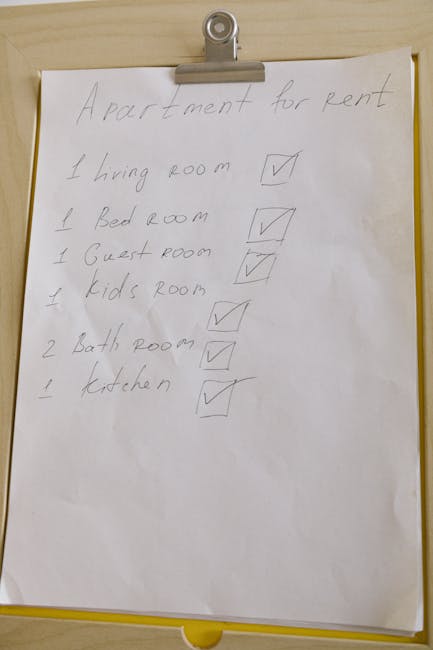
Photo by RDNE Stock project via Pexels
Quantity Verification
Verify the correct quantity has been produced. When it comes to quality control, check: total carton count, units per carton, total unit count, and comparison to order quantity. Document any discrepancy. Quantity verification is the foundation—ensure you’re inspecting the right shipment before detailed inspection.
Visual Inspection Criteria
Define visual quality criteria with specific, measurable standards. When it comes to quality control, include: color accuracy (compare to reference sample), surface finish (scratches, marks, blemishes), dimensional accuracy (measure against specifications), printing and markings (correct, legible, positioned), and overall workmanship. For each criterion, define: what is acceptable, what is a minor defect, and what is a major defect. Include photos showing examples.
Functional Testing Requirements
Specify functional tests for products with moving parts, electronics, or specific performance requirements. When it comes to quality control, include: test procedure (step-by-step instructions), expected results, pass/fail criteria, and equipment needed. Examples: power on test for electronics, operation cycles for mechanical products, fit/assembly tests, and weight/capacity verification. Functional tests verify the product works as intended.
Packaging Inspection
Include packaging in your checklist. When it comes to quality control, check: packaging materials (correct, adequate protection), printing and labels (correct, legible), inserts and instructions (present, correct language), barcodes (scannable, correct), and overall packaging condition. Packaging issues cause customer complaints and shipping damage—don’t overlook this area.
AQL Standards
Specify AQL levels for defect classification. When it comes to quality control, include: AQL level for critical defects (typically 0), AQL level for major defects (typically 2.5), AQL level for minor defects (typically 4.0), inspection level (I, II, or III), and sample size based on lot size. AQL standards define acceptance criteria for the inspection.
Sample Quality Control Checklist Template
| Section | Checkpoints | Method |
|---|---|---|
| Product ID | Name, SKU, order ref | Document review |
| Quantity | Carton count, unit count | Physical count |
| Appearance | Color, finish, dimensions | Visual, measurement |
| Function | Operation tests | Functional testing |
| Packaging | Materials, labels, inserts | Visual inspection |
| Safety | Sharp edges, hazards | Physical inspection |
| Documentation | Photos, measurements | Record results |
Creating Checklists for Different Products
Electronics Products
Electronics require specific testing. When it comes to quality control, include: power on/off test, all functions operational, safety check (no exposed wiring), accessories included and functional, and regulatory markings (CE, FCC). Test duration: operate for sufficient time to identify issues. Safety is critical for electronics—include thorough safety inspection.
Textiles and Apparel
Textile inspection focuses on construction and materials. When it comes to quality control, include: fabric quality (defects, color), stitching quality (missed stitches, loose threads), sizing accuracy (measure against spec), labels and tags (correct, attached), and accessories (zippers, buttons functional). Use light box for color inspection. Check multiple units for consistency.
Hard Goods and Plastic
Hard goods inspection emphasizes dimensions and finish. When it comes to quality control, include: dimensional accuracy (measure key dimensions), surface finish (scratches, mold marks), assembly fit (parts fit together), weight verification, and material verification (correct material used). Use calipers and gauges for precise measurement.
Best Practices for Quality Checklists
Include Visual References
Photos dramatically improve checklist effectiveness. When it comes to quality control, include: photo of correct product (reference), photos of acceptable condition, photos of defect types (minor and major), and photos of packaging requirements. Visual references eliminate ambiguity about what is acceptable. Update photos when product changes.
Make Criteria Measurable
Define measurable criteria rather than subjective terms. Poor: “good finish” (subjective). Better: “no scratches visible at 30cm distance” (measurable). Poor: “correct size” (vague). Better: “length 100mm ± 2mm” (specific). Measurable criteria enable consistent inspection across different inspectors.
Test the Checklist
Before using a checklist for production inspection, test it. Process: use checklist on sample products, identify unclear or missing criteria, refine based on feedback, and validate with actual inspection. Testing reveals gaps and ambiguities before they affect production inspections.
Conclusion
A quality control checklist is essential for consistent, effective inspection of China imports. This guide provided: checklist components including product ID, quantity, visual, functional, and packaging criteria, a template adaptable to different products, specific guidance for electronics, textiles, and hard goods, and best practices including visual references and measurable criteria. The key principles: create checklists before production starts, share with suppliers to communicate requirements, use measurable criteria with visual references, test and refine checklists before production use, and update checklists when products or requirements change. A well-designed checklist improves inspection consistency, reduces disputes, and provides documentation for quality management. Invest time in creating thorough checklists—the payoff is more reliable quality control.
Need Help Creating Quality Control Checklists?
Top China Sourcing develops customized quality control checklists for your specific products. We create detailed inspection criteria with photos and measurable standards. Contact us today to improve your quality control process.
Last updated: April 30, 2026 | QC Checklist Guide by TCS Editorial Team
Sources
- ISO 2859-1 Sampling Standards
- Quality Control Best Practices
- TCS Inspection Checklist Templates
- Product-Specific Quality Standards
5 Common Myths About Quality Control Checklist for China Imports 2026 (Debunked)
Myth #1: Chinese products are always low quality
Reality: Quality depends on your supplier vetting process. Top manufacturers like Foxconn (Apple supplier) and DJI operate in China with world-class quality standards.
Myth #2: Inspections are too expensive
Reality: A $300 inspection can prevent $15,000+ in defective products. The ROI is typically 50:1 when you factor in returns, reviews, and brand damage.
Myth #3: You can trust supplier samples
Reality: Samples often don’t match mass production. AQL inspections reveal that 8-12% of shipments have defects not visible in samples.
Myth #4: You can skip quality control for small orders
Reality: Even small orders can have 5-15% defect rates. A single bad review can cost you $500+ in lost sales.
Myth #5: All Chinese suppliers are the same
Reality: Supplier quality varies dramatically. Top-tier suppliers like Foxconn achieve 99.9% quality while others struggle with 85% defect rates.
5 Common Myths About Quality Control Checklist for China Imports 2026 (Debunked)
Myth #1: Chinese products are always low quality
Reality: Quality depends on your supplier vetting process. Top manufacturers like Foxconn (Apple supplier) and DJI operate in China with world-class quality standards.
Myth #2: Inspections are too expensive
Reality: A $300 inspection can prevent $15,000+ in defective products. The ROI is typically 50:1 when you factor in returns, reviews, and brand damage.
Myth #3: You can trust supplier samples
Reality: Samples often don’t match mass production. AQL inspections reveal that 8-12% of shipments have defects not visible in samples.
Myth #4: You can skip quality control for small orders
Reality: Even small orders can have 5-15% defect rates. A single bad review can cost you $500+ in lost sales.
Myth #5: All Chinese suppliers are the same
Reality: Supplier quality varies dramatically. Top-tier suppliers like Foxconn achieve 99.9% quality while others struggle with 85% defect rates.