Product testing in China ensures your products meet safety standards, regulatory requirements, and quality specifications before reaching customers. When considering product certification, From basic functionality tests to comprehensive lab certifications, testing protects your business from liability, returns, and regulatory action. This 2026 guide covers product testing options in China: what to test, where to test, costs, certifications, and how to integrate testing into your quality control process.
📌 Key Takeaways
- Testing types: Functionality, safety, chemical, regulatory compliance, and performance testing
- Testing locations: Factory in-house, third-party labs in China, or international labs
- Costs: $50-500+ per test depending on complexity; certifications $500-5,000+
- Certifications: CE, FCC, UL, RoHS, CPSIA required for regulated markets
- Timing: Test during development, pre-production, and periodically during production
Why Product Testing Matters
Regulatory Compliance
Many products require testing to demonstrate regulatory compliance. When considering certification, US market: FCC for electronics, CPSIA for children’s products, FDA for food/contact materials. EU market: CE marking requires conformity assessment, RoHS for electronics, REACH for chemicals. Other markets have specific requirements. Selling non-compliant products can result in: customs seizure, market withdrawal, fines and penalties, and liability for injuries. Testing provides documentation proving compliance.
Safety Assurance
Safety testing protects customers and your business. When considering compliance, Product liability: if a product causes injury, you’re liable. Testing demonstrates due diligence and can limit liability. Insurance: product liability insurance may require testing documentation. Retailers: major retailers require safety testing for many product categories. Amazon: may request safety documentation for certain products. Safety testing is essential for products with potential hazards: electrical, chemical, mechanical, or children’s products.
Quality Verification
Beyond regulatory and safety testing, product testing verifies quality claims. When considering product certification, Performance testing: does the product perform as specified? Durability testing: will it last under normal use? Material testing: are materials as specified? Comparative testing: how does it compare to competitors? Testing provides objective data on product quality, supporting marketing claims and customer expectations.
Types of Product Testing
Functionality Testing
Functionality testing verifies products work as intended. When considering certification, Tests include: basic operation (does it turn on, function correctly?), feature testing (all features work as specified), performance testing (speed, capacity, efficiency), and stress testing (performance under load or extended use). Functionality testing can be done at factory or by third-party inspectors. Cost: typically included in inspection fees or minimal additional cost. Essential for all products to verify they work.
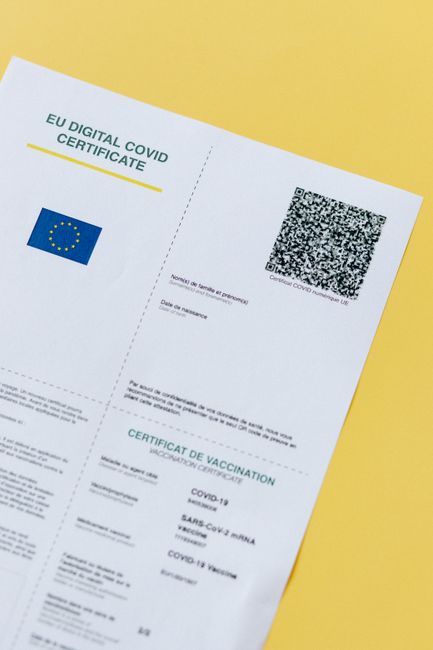
Photo by Nataliya Vaitkevich via Pexels
Safety Testing
Safety testing identifies potential hazards. When considering compliance, Electrical safety: insulation, grounding, leakage current, temperature rise. Mechanical safety: sharp edges, pinch points, stability, small parts. Chemical safety: harmful substances, heavy metals, phthalates. Flammability: fabric, foam, plastic materials. Safety testing typically requires specialized lab equipment and should be done by accredited laboratories. Cost: $200-1,000+ depending on product and tests required.
Chemical Testing
Chemical testing analyzes material composition. When considering product certification, Common tests: heavy metals (lead, cadmium, mercury), phthalates (plasticizers in plastics), formaldehyde (textiles, wood products), flame retardants, and specific restricted substances. Chemical testing is essential for: children’s products, food contact materials, electronics (RoHS), and textiles (REACH). Requires specialized lab equipment. Cost: $50-300 per substance tested, packages available for common requirements.
Performance and Durability Testing
Performance testing evaluates product capabilities. When considering certification, Durability testing: cycle testing (open/close, on/off), drop testing, abrasion resistance, and environmental testing (humidity, temperature). Performance testing: capacity, speed, accuracy, efficiency. These tests verify product claims and predict lifespan. Cost: $100-500+ depending on complexity. Can be done at factory or third-party labs.
Regulatory Compliance Testing
Regulatory testing demonstrates compliance with specific requirements. When considering compliance, CE marking (EU): conformity to applicable directives. FCC certification (US): electromagnetic interference for electronics. CPSIA (US): children’s product safety. UL listing (US): product safety certification. FDA (US): food, medical, cosmetic products. Regulatory testing must be done by accredited laboratories. Cost: $500-5,000+ depending on product and certifications required.
Testing Locations
Factory In-House Testing
Many factories have basic testing capabilities. When considering product certification, What factories can typically test: basic functionality, simple performance tests, visual inspection, and basic measurements. Advantages: low cost, quick results, integrated with production. Limitations: not independent, limited equipment, may not meet regulatory requirements. Factory testing is useful for routine quality checks but should be supplemented with independent testing for critical requirements.
Third-Party Labs in China
China has numerous accredited testing laboratories. Major labs: SGS China, Intertek China, TUV, Bureau Veritas, and local accredited labs. Advantages: independent assessment, accredited for certifications, comprehensive capabilities, and competitive pricing. Considerations: choose lab accredited for your specific tests, verify accreditation scope, and allow time for testing (1-2 weeks typical). China-based labs are cost-effective for most testing needs.
International Labs
For some requirements, international testing may be preferred. When to consider: specific retailer requirements, additional credibility for claims, or products for highly regulated markets. Labs: SGS global network, Intertek global, TUV, UL. Advantages: recognized globally, may be required by some buyers. Considerations: higher cost, longer turnaround, shipping samples internationally. Most testing can be done effectively in China.
Testing Costs
| Test Type | Typical Cost | Turnaround | When Required |
|---|---|---|---|
| Basic functionality | $0-50 (often included in inspection) | Same day | All products |
| Chemical (single substance) | $50-150 | 3-5 days | Children’s, food contact |
| Chemical package (RoHS) | $200-400 | 5-7 days | Electronics for EU |
| Safety testing (electrical) | $300-800 | 5-10 days | Electrical products |
| FCC certification | $500-1,500 | 1-2 weeks | Electronics for US |
| CE certification | $500-2,000 | 1-2 weeks | Products for EU |
| UL listing | $2,000-5,000+ | 4-8 weeks | Electrical products for US |
| CPSIA testing (children’s) | $300-800 | 5-7 days | Children’s products for US |
Major Testing Labs in China
SGS China
SGS is the world’s largest testing and certification company with extensive China presence. Services: comprehensive testing across all product categories, certification services (CE, FCC, UL partner), and regulatory compliance testing. Locations: major cities throughout China. Strengths: global recognition, comprehensive capabilities, and certification authority. Best for: regulated products, certifications, and buyers requiring globally recognized testing.
Intertek China
Intertek provides testing, inspection, and certification services. Services: electrical safety, EMC testing, chemical testing, and performance testing. Locations: major manufacturing regions. Strengths: electrical and electronics expertise, good for FCC and electrical certifications. Best for: electronics, electrical products, and children’s products.
TUV (Rheinland, SUD)
TUV is a German testing organization with strong presence in China. Services: CE marking, automotive testing, safety testing, and GS mark certification. Locations: major cities. Strengths: European market expertise, CE certification, and German engineering reputation. Best for: products for European market, automotive-related products.
Bureau Veritas China
Bureau Veritas offers testing, inspection, and certification. Services: consumer products testing, chemical testing, and certification services. Locations: throughout China. Strengths: comprehensive services, good for consumer goods. Best for: consumer products, textiles, hard goods.
Testing Process
Identifying Testing Requirements
Before testing, identify what’s required. Consider: target markets and their regulations, product category requirements, retailer requirements, and your quality specifications. Research requirements: US: CPSC website for children’s products, FCC for electronics. EU: CE marking directives, REACH, RoHS. Other markets: specific national requirements. If unsure, consult with testing lab—they can advise on requirements.
Selecting a Testing Lab
Choose lab based on: accreditation for required tests, experience with your product category, turnaround time, cost, and location (China labs are convenient). Verify accreditation: lab should be accredited to ISO 17025 for testing, and accredited for specific tests required. Ask for accreditation scope document. For certifications, verify lab is authorized for that certification.
Submitting Samples
Provide samples for testing. Sample requirements: typically 3-5 units for most tests, more for comprehensive testing. Sample condition: production samples (not specially prepared), representative of actual production. Documentation: product specifications, intended use, target markets. Timing: allow 1-2 weeks for most tests, longer for certifications. Lab will provide specific requirements.
Interpreting Results
Testing reports show: test methods used, results vs. requirements, pass/fail determination, and any observations. If tests fail: identify root cause with supplier, determine if issue is fixable, retest after corrections. If tests pass: retain reports for documentation, use for compliance demonstration, include with shipments if required. Testing reports are your proof of compliance—retain them.
Integrating Testing into Quality Control
Development Phase Testing
Test during product development to identify issues early. Prototype testing: verify design works, identify potential issues. Material testing: verify materials meet specifications. Pre-production testing: test samples from pilot production. Early testing prevents costly changes later. Budget for development testing in product development costs.
Pre-Production Testing
Before mass production, test production samples. Purpose: verify production matches approved samples, confirm materials and processes, and establish baseline for production. Tests: regulatory compliance, safety, functionality, and performance. Pre-production testing ensures production will meet requirements. Don’t skip this step for regulated products.
Production Testing
During ongoing production, periodic testing maintains quality. Approaches: random sample testing during production, testing each production batch, or periodic testing (quarterly, annually). Tests: functionality (every batch), safety (periodic), and chemical (periodic or if materials change). Production testing catches issues before they affect many units.
Common Testing Mistakes
Mistake 1: Skipping Testing to Save Cost
Testing costs are minimal compared to liability, recalls, and regulatory penalties. One liability claim can exceed years of testing costs.
Mistake 2: Using Non-Accredited Labs
Testing from non-accredited labs may not be accepted by regulators or retailers. Always verify lab accreditation for your specific tests.
Mistake 3: Testing Only Once
Materials and processes can change over time. Periodic testing ensures ongoing compliance, especially for chemical and safety tests.
Mistake 4: Not Testing Production Samples
Testing specially prepared samples doesn’t verify production quality. Always test actual production samples.
Mistake 5: Not Retaining Test Reports
Test reports are your proof of compliance. Retain them for at least the product’s expected lifespan plus regulatory retention requirements.
Conclusion
Product testing in China is essential for regulatory compliance, safety assurance, and quality verification. This guide covered: testing types including functionality, safety, chemical, performance, and regulatory compliance, testing locations from factory in-house to third-party labs, costs ranging from $50 for basic tests to $5,000+ for certifications, major labs including SGS, Intertek, TUV, and Bureau Veritas, and integrating testing into development, pre-production, and production phases. The key principles: identify testing requirements based on target markets and product category, use accredited labs for regulatory and safety testing, test production samples not specially prepared specimens, conduct periodic testing during ongoing production, and retain test reports for compliance documentation. Testing costs are an investment in product safety and regulatory compliance. The cost of testing is minimal compared to the cost of non-compliance: product liability, regulatory penalties, market withdrawal, and damaged reputation. Make product testing a standard part of your China sourcing quality control process.
Need Product Testing Services in China?
Top China Sourcing coordinates product testing through accredited laboratories for all major certifications and compliance requirements. We help identify testing needs, select appropriate labs, and manage the testing process. Contact us today to discuss your testing requirements.
Last updated: April 30, 2026 | Product Testing Guide by TCS Editorial Team
Sources
- ISO 17025 Laboratory Accreditation Standard
- CPSC Testing Requirements for Children’s Products
- FCC Equipment Authorization Procedures
- EU CE Marking Directives
- SGS China Testing Services 2026