Private label dropshipping combines the low-risk model of dropshipping with the brand-building benefits of private labeling. This 2026 guide explains how to transition from generic dropshipping to building your own branded products without the traditional inventory risks.
📌 Key Takeaways
- Definition: Selling products with your brand, manufactured by others, without holding inventory
- Benefits: Higher margins (20-40% more), brand loyalty, differentiation from competitors
- Requirements: $3,000-10,000 initial investment, MOQ of 50-500 units, supplier relationships
- Best products: Cosmetics, supplements, accessories, home goods with customization potential
- Timeline: 2-4 months from concept to first sale
What Is Private Label Dropshipping
Understanding the Model
Private label dropshipping is a hybrid business model. Traditional dropshipping: sell existing products from suppliers, no brand control. Private label dropshipping: sell products with your branding, supplier handles production and shipping. Key difference: your brand on products, not generic supplier branding. Benefits: brand building, higher margins, customer loyalty. Requirements: higher MOQ than standard dropshipping, brand design investment.
Private Label vs Traditional Dropshipping
| Aspect | Traditional Dropshipping | Private Label Dropshipping |
|---|---|---|
| Branding | Generic/supplier | Your brand |
| MOQ | 1 unit | 50-500 units |
| Margins | 15-30% | 30-50% |
| Competition | High (same products) | Lower (unique brand) |
| Investment | $500-2,000 | $3,000-10,000 |
| Customer loyalty | Low | High |
Why Private Label Dropshipping Works
This model addresses key dropshipping challenges. Differentiation: your brand stands out from competitors selling identical products. Margins: branded products command higher prices. Loyalty: customers remember and return to your brand. Asset building: brand value grows over time. Exit value: branded business sells for more than generic dropshipping store. Private label transforms dropshipping from a commodity business to a brand business.
Getting Started with Private Label Dropshipping
Step 1: Choose Your Niche
Selecting the right niche is critical. Criteria: passionate audience, products with customization potential, reasonable MOQ available, good margin potential. Good niches: beauty and cosmetics, health supplements, pet products, fitness accessories, home organization, specialty foods. Avoid: highly regulated products, products requiring certifications you don’t have, electronics (quality issues), heavy items (shipping costs). Research thoroughly before committing.
Photo by Jonas F via Pexels
Step 2: Find Private Label Suppliers
Finding the right supplier is essential. Alibaba: search “private label” + your product, filter by trade assurance, check MOQ and customization options. AliExpress: some suppliers offer private label for lower MOQ. CJ Dropshipping: can source and brand products. Sourcing agents: can find private label manufacturers. Direct manufacturers: best prices but higher MOQ. Evaluate suppliers on quality, MOQ, customization options, communication, and reliability.
Step 3: Develop Your Brand
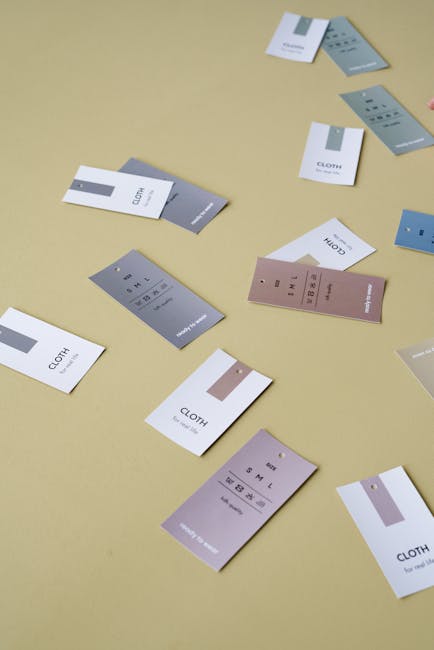
Create a professional brand identity. Brand name: memorable, available as domain, not trademarked. Logo: hire designer or use tools like Canva, Looka. Packaging design: work with supplier or hire designer. Brand story: why your brand exists, what makes it different. Brand guidelines: colors, fonts, tone of voice. Professional branding justifies higher prices and builds trust.
Step 4: Order Samples and Test
Never skip sample testing. Order samples: from multiple suppliers, in different variations. Test: product quality, packaging quality, shipping time. Compare: quality vs price vs MOQ. Iterate: request changes, order new samples. Document: take photos, write notes. Only proceed with production after approving samples. Sample costs are an investment in quality.
Private Label Product Categories
Beauty and Cosmetics
Beauty products are ideal for private labeling. Products: skincare, makeup, hair care, nail products. MOQ: typically 50-200 units. Customization: packaging, formulas, branding. Margins: 50-70% possible. Considerations: ingredient compliance, regulations, shelf life. Benefits: passionate buyers, repeat purchases, influencer marketing potential. Beauty is one of the most profitable private label categories.
Health Supplements
Supplements offer strong private label potential. Products: vitamins, protein powders, herbal supplements. MOQ: 100-500 units typically. Customization: formulas, packaging, branding. Margins: 40-60% possible. Considerations: FDA regulations, labeling requirements, quality testing. Benefits: recurring purchases, health-conscious buyers, subscription potential. Ensure compliance with all regulations.
Pet Products
Pet owners spend generously on their pets. Products: pet accessories, grooming tools, toys, beds. MOQ: 50-200 units. Customization: colors, branding, packaging. Margins: 40-60% possible. Considerations: safety testing, durability. Benefits: passionate market, gift potential, repeat purchases. Pet products combine emotional appeal with practical utility.
Home and Kitchen
Home goods work well for private labeling. Products: organization products, kitchen gadgets, decor items. MOQ: 100-300 units. Customization: colors, branding, packaging. Margins: 30-50% possible. Considerations: shipping weight, durability. Benefits: broad market, gift potential, practical appeal. Focus on products that solve specific problems.
Managing Inventory and Fulfillment
Inventory Options
Choose your inventory approach based on volume. Supplier holds inventory: supplier stores and ships your branded products, lowest risk, higher per-unit cost. Third-party warehouse: ship production to warehouse, they handle fulfillment, more control, additional costs. Self-fulfillment: receive inventory, ship yourself, most control, most work. Start with supplier holding inventory, transition as volume grows.
Fulfillment Process
Understand the fulfillment workflow. Order placed: customer orders on your store. Order forwarded: order sent to supplier or warehouse. Product picked: your branded product retrieved. Product shipped: shipped to customer with your branding. Tracking provided: tracking number sent to customer. Customer receives: branded package arrives. Automation tools streamline this process.
Quality Control
Maintain quality standards for your brand. Pre-production: approve samples, confirm specifications. During production: request photos/videos of production. Pre-shipment: inspection before shipping to warehouse or customer. Ongoing: monitor customer feedback, address issues quickly. Quality problems damage your brand—invest in quality control.
Costs and Investment
Startup Costs
Understand the investment required. Product development: $500-2,000 for samples and testing. Branding: $200-1,000 for logo, packaging design. Initial inventory: $1,000-5,000 depending on MOQ. Platform setup: $100-300 for store, domain, apps. Marketing: $1,000-3,000 for launch. Total: $3,000-10,000 typical startup. Costs vary by product and MOQ.
Ongoing Costs
Plan for ongoing expenses. Inventory replenishment: as products sell. Marketing: 20-30% of revenue. Platform fees: $50-150/month. Storage fees: if using warehouse. Quality control: inspections, samples. Customer service: your time or hired help. Budget for these ongoing costs in your planning.
Break-Even Analysis
Calculate when you’ll be profitable. Example: $5,000 investment, $20 product cost, $50 selling price, $10 marketing per sale. Profit per sale: $50 – $20 – $10 = $20. Break-even: $5,000 / $20 = 250 sales. Timeline: depends on marketing effectiveness. Most private label brands break even in 3-6 months with proper execution.
Common Mistakes to Avoid
Mistake 1: Skipping Sample Testing
Never order production without testing samples. Quality issues destroy brands. Always test multiple samples from multiple suppliers.
Mistake 2: Choosing Wrong Products
Not all products work for private label. Avoid highly competitive products, regulated products you can’t comply with, and products with low margin potential.
Mistake 3: Poor Branding Investment
Amateur branding hurts sales. Invest in professional logo and packaging design. Your brand is your differentiator—make it professional.
Mistake 4: Ignoring Regulations
Some products require certifications and compliance. Research regulations before launching. Non-compliance can result in fines and business closure.
Mistake 5: Underestimating Marketing
Great products need great marketing. Budget adequately for launch marketing. Building a brand requires consistent marketing investment.
Scaling Your Private Label Brand
Expanding Product Line
Grow by adding products strategically. Add complementary products: items that pair with existing products. Add variations: new colors, sizes, or formulas. Add new categories: expand into related niches. Consider customer feedback: what do customers ask for? Maintain quality: don’t dilute brand with poor products. Strategic expansion builds brand value.
Building Customer Loyalty
Loyal customers drive long-term success. Email marketing: nurture customers with valuable content. Loyalty program: reward repeat purchases. Social media: build community around your brand. Customer service: exceed expectations consistently. Product quality: never compromise on quality. Loyal customers provide recurring revenue and referrals.
Transitioning to Full Inventory
As volume grows, consider holding inventory. Benefits: faster shipping, lower costs, more control. Requirements: warehouse space, fulfillment process, capital. When to transition: $10,000+ monthly revenue, consistent demand. Options: Amazon FBA, third-party logistics (3PL), self-fulfillment. Full inventory is the next step in brand building.
Conclusion
Private label dropshipping offers the best of both worlds: brand building without massive inventory risk. This guide covered: the private label dropshipping model and how it differs from traditional dropshipping, steps to get started including niche selection and supplier finding, product categories that work best for private labeling, costs and investment requirements, and strategies for scaling your brand. The key principles: choose a niche with passionate buyers and customization potential, invest in professional branding that justifies premium prices, test samples thoroughly before production, maintain quality standards to protect your brand, and market consistently to build brand awareness. Private label dropshipping transforms your business from selling commodities to building an asset. While it requires more investment than traditional dropshipping, the benefits—higher margins, customer loyalty, and brand value—make it worthwhile for serious entrepreneurs. Start with thorough research, invest in quality, and build a brand that customers love and remember.
Need Help Starting Your Private Label Brand?
Top China Sourcing can help you find private label manufacturers, negotiate favorable terms, and implement quality control for your branded products. We help you build a brand, not just a store. Contact us today to discuss your private label needs.
Last updated: April 30, 2026 | Private Label Dropshipping Guide by TCS Editorial Team
Sources
- Alibaba Private Label Supplier Data 2026
- E-commerce Brand Building Statistics
- Private Label Industry Report 2026
- Consumer Brand Loyalty Studies
- TCS Private Label Client Data 2026