Understanding the true costs of private label manufacturing in China is essential for planning a successful product launch. Many entrepreneurs underestimate expenses and find themselves undercapitalized. This 2026 guide provides a complete breakdown of all costs involved in private label manufacturing from China.
📌 Key Takeaways
- Total startup range: $5,000-50,000+ depending on product complexity
- Development costs: $2,000-20,000 for design, samples, tooling
- Production costs: $0.50-20+ per unit depending on product
- Hidden costs: Shipping, duties, certifications often overlooked
- Cash flow: Plan for 3-6 months of operating expenses
Cost Categories Overview
One-Time Development Costs
Development costs are incurred once before production. Product design: $500-5,000 for professional design work. Prototyping: $200-2,000 for samples and iterations. Tooling/molds: $500-20,000 for custom tooling. Packaging design: $300-2,000 for custom packaging. Certifications: $1,000-10,000 for required certifications. Legal/setup: $200-2,000 for trademarks, business setup. Development costs vary significantly by product complexity.
Recurring Production Costs
Production costs occur with each order. Manufacturing: $0.50-20+ per unit depending on product. Packaging: $0.20-3.00 per unit. Quality inspection: $200-500 per shipment. Shipping: $0.50-5.00 per unit depending on method. Customs duties: 0-25% of product value. Insurance: 1-2% of shipment value. Production costs scale with order volume.
Ongoing Business Costs
Operating costs continue after launch. Marketing: 15-30% of revenue typical. Platform fees: 2-15% of sales depending on channel. Storage: $0.50-2.00 per unit per month. Customer service: varies by volume. Returns processing: 2-10% of orders typically. Software/tools: $50-500 monthly. Plan for ongoing costs in your budget.
Development Costs Breakdown
Product Design and Development
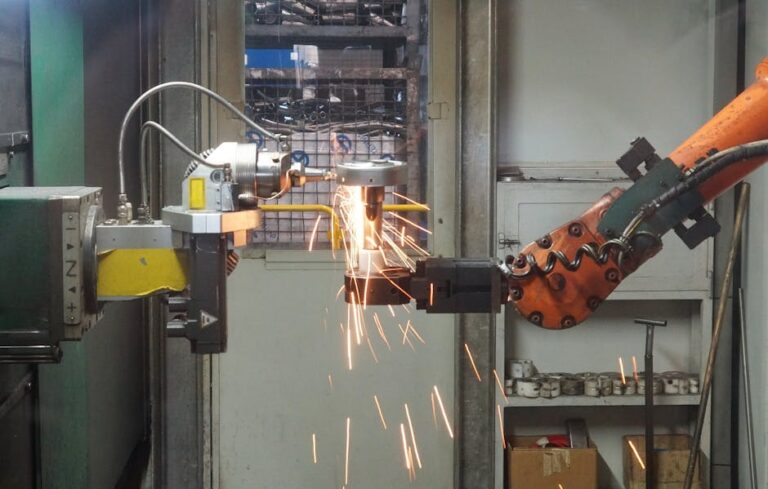
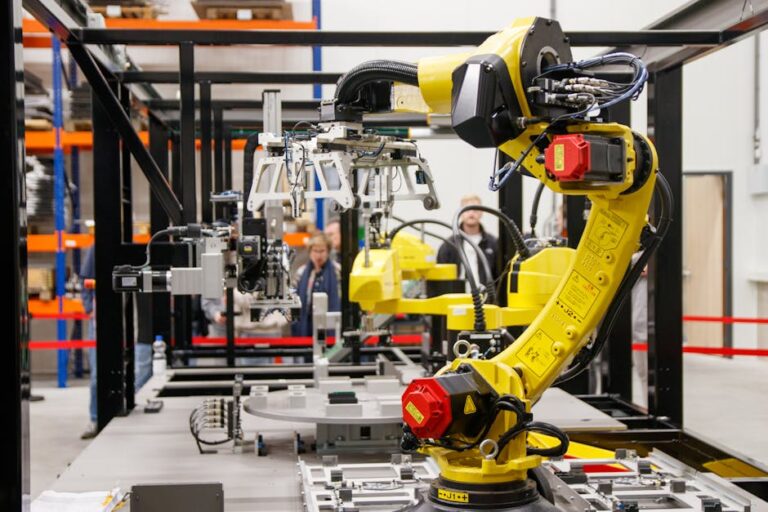
Design costs vary by complexity. Simple modifications: $200-1,000 for basic changes to existing products. Custom design: $1,000-5,000 for new product design. Complex products: $5,000-20,000+ for electronics, machinery. Design iterations: $100-500 per revision. 3D modeling: $200-1,000 for CAD work. Engineering: $1,000-10,000 for technical products. Invest in good design—it affects everything downstream.

Photo by Rahib Hamidov via Pexels
Sampling and Prototyping
Sample costs ensure product quality. Initial sample: $50-300 per sample typically. Revised samples: $30-150 per revision. Pre-production sample: $50-200 final approval sample. Sample shipping: $50-150 for express delivery. Multiple SKUs: multiply by number of variations. Sample costs are small compared to production mistakes they prevent.
Tooling and Molds
Custom tooling is a significant investment. Injection molds: $1,000-20,000 per mold. Die casting molds: $2,000-15,000. Stamping dies: $500-5,000. Packaging tooling: $200-2,000. Multiple cavities: increases cost but improves production speed. Tooling ownership: clarify who owns the tools. Tooling is amortized over production volume.
Certifications and Testing
Certifications are mandatory for many products. FCC certification: $1,000-10,000 for electronics. CE marking: $2,000-15,000 for EU market. UL/ETL listing: $3,000-20,000 for safety. FDA registration: $500-5,000 for food/medical. Product testing: $500-5,000 for various tests. Multiple markets: certifications for each market. Budget certifications upfront—they’re not optional.
Production Costs Breakdown
Manufacturing Costs by Product Type
| Product Type | FOB Cost Range | Typical MOQ | Notes |
|---|---|---|---|
| Simple accessories | $0.30-2.00 | 100-500 | Low complexity |
| Basic apparel | $1.00-5.00 | 300-1,000 | Fabric dependent |
| Cosmetics | $0.50-5.00 | 500-3,000 | Formula dependent |
| Electronics accessories | $1.00-10.00 | 500-2,000 | Complexity varies |
| Custom electronics | $5.00-50.00+ | 1,000-5,000 | High development cost |
| Home goods | $1.00-10.00 | 500-2,000 | Material dependent |
Factors Affecting Manufacturing Cost
Multiple factors influence unit cost. Materials: primary cost driver for most products. Complexity: more steps increase labor cost. Quantity: higher volume reduces per-unit cost. Quality level: higher quality costs more. Customization: custom features add cost. Packaging: retail packaging adds cost. Timeline: rush orders cost more. Understanding factors helps optimize costs.
Packaging Costs
Packaging affects both cost and perception. Simple polybag: $0.05-0.20 per unit. Basic box: $0.20-0.80 per unit. Retail packaging: $0.50-2.00 per unit. Premium packaging: $1.00-5.00 per unit. Custom printing: adds $0.10-0.50 per unit. Inserts/instructions: $0.05-0.30 per unit. Balance packaging cost with brand positioning.
Shipping and Logistics Costs
Shipping Methods Comparison
Shipping costs vary significantly by method. Express (DHL/FedEx): $5-15 per kg, 3-7 days. Air freight: $3-8 per kg, 7-14 days. Sea freight: $0.50-2 per kg, 25-45 days. Rail (to Europe): $1-3 per kg, 15-25 days. Method choice depends on urgency and volume. Sea freight is most economical for large orders.
Freight Cost Calculation
Calculate shipping costs accurately. Volumetric weight: (L x W x H) / 5000 for air. Actual weight: physical weight of shipment. Chargeable weight: greater of volumetric or actual. CBM for sea: cubic meters of shipment. Container costs: $1,500-5,000 per 20ft container. LCL rates: $50-150 per CBM. Get quotes from multiple freight forwarders.
Import Duties and Taxes
Duties add to total landed cost. US duties: 0-25% depending on product classification. EU VAT: 20-27% depending on country. UK VAT: 20% plus potential duties. Australia GST: 10% plus duties. HS code: determines duty rate for your product. De minimis: small shipments may be exempt. Research duties before setting prices.
Hidden and Overlooked Costs
Quality Control Costs
Quality control prevents costly problems. Pre-shipment inspection: $200-500 per inspection. During production inspection: $200-400. Factory audit: $300-800. Testing: $100-1,000 per test. Defect rate: budget 1-5% for defects. Returns: 2-10% of orders may return. Quality investment prevents bigger losses.
Payment and Financial Costs
Financial costs add up. Currency exchange: 2-4% spread on conversions. Wire transfer fees: $15-50 per transfer. Payment platform fees: 2-4% for platforms. Letter of credit: $100-500 plus fees. Cash flow: opportunity cost of capital. Inventory financing: if applicable. Plan for financial costs in budget.
Insurance and Risk Management
Protect your investment. Shipping insurance: 1-2% of cargo value. Product liability: $500-2,000 annually. Business insurance: varies by coverage. Intellectual property: trademark registration $200-2,000. Legal reserves: for potential disputes. Insurance costs protect against larger losses.
Common Cost Mistakes
Mistake 1: Focusing Only on FOB Price
FOB price is just the starting point. Total landed cost includes shipping, duties, insurance, and handling. A lower FOB price with higher shipping may cost more overall.
Mistake 2: Underestimating Development Costs
Development often costs more than expected. Samples, revisions, tooling, and certifications add up quickly. Budget 20-30% more than initial estimates.
Mistake 3: Ignoring Cash Flow Timing
Private label requires significant upfront investment with delayed returns. Plan for 3-6 months of expenses before consistent revenue. Cash flow problems kill businesses.
Mistake 4: Not Budgeting for Mistakes
Something will go wrong. Budget 10-20% contingency for unexpected costs. Returns, defects, shipping issues, and revisions happen. Plan for problems.
Mistake 5: Forgetting Ongoing Costs
Production is just one cost. Marketing, platform fees, storage, customer service, and returns continue indefinitely. Build all costs into your pricing.
Budget Planning by Product Type
Simple Product Budget Example
Example: Basic phone case. Design: $200-500. Samples: $100-200. Tooling: $0 (existing mold). Certifications: $0-500. Initial inventory (500 units at $1): $500. Packaging: $150. Shipping: $150. Duties: $50. Total: $1,150-2,000. Simple products have lower barriers to entry.
Medium Complexity Budget Example
Example: Custom t-shirt brand. Design: $500-1,500. Samples: $200-400. Tooling: $0-200. Initial inventory (300 units at $4): $1,200. Packaging: $300. Shipping: $200. Duties: $100. Marketing launch: $1,000. Total: $3,500-5,000. Medium products require moderate investment.
Complex Product Budget Example
Example: Custom electronic device. Design/engineering: $10,000-30,000. Prototyping: $2,000-5,000. Tooling: $5,000-15,000. Certifications: $5,000-15,000. Initial inventory (1,000 units at $15): $15,000. Packaging: $2,000. Shipping: $2,000. Duties: $3,000. Total: $44,000-87,000. Complex products require significant capital.
Cost Reduction Strategies
Negotiating Better Prices
Strategic negotiation reduces costs. Volume commitment: promise future orders for better pricing. Payment terms: faster payment may reduce price. Simplify design: reduce complexity and features. Standard materials: avoid custom specifications. Combine orders: ship multiple products together. Long-term relationship: loyalty often rewarded. Negotiation is an ongoing process.
Optimizing Order Quantities
Order quantity affects unit cost. Higher MOQ: lower per-unit cost but more capital. Lower MOQ: higher per-unit cost but less risk. Economic order quantity: balance ordering and holding costs. Demand forecasting: order based on realistic projections. Safety stock: maintain buffer for unexpected demand. Optimize quantity for your situation.
Reducing Shipping Costs
Shipping optimization saves money. Consolidate shipments: combine orders. Optimize packaging: reduce size and weight. Plan ahead: avoid expensive express shipping. Compare quotes: get multiple freight quotes. Negotiate rates: regular shippers get better rates. Use FOB: handle your own shipping for control. Shipping costs are often negotiable.
Return on Investment Calculation
Understanding Your Numbers
Calculate true profitability. Gross margin: selling price minus cost of goods. Net margin: gross margin minus all expenses. Customer acquisition cost: marketing spend per customer. Lifetime value: revenue from customer over time. Break-even point: when revenue covers all costs. ROI: return relative to investment. Know your numbers to make informed decisions.
Pricing for Profit
Set prices that ensure profitability. Cost-plus: markup on total landed cost. Competitive: price relative to competitors. Value-based: price based on perceived value. Minimum advertised price: maintain margins across channels. Consider all costs when pricing. Pricing too low is a common mistake.
Cash Flow Management
Manage cash flow carefully. Lead times: 2-4 months from order to sale. Payment terms: suppliers want deposit upfront. Sales velocity: how fast inventory sells. Reorder point: when to order more. Cash reserves: maintain buffer for surprises. Cash flow is as important as profitability.
Conclusion
Understanding and planning for all costs of private label manufacturing in China is essential for success. This guide covered: development costs from design to certifications, production costs by product type, shipping and logistics expenses, hidden costs often overlooked, budget examples for different product complexities, and strategies for cost reduction. The key principles: calculate total landed cost, not just FOB price, budget 20-30% contingency for unexpected costs, plan for 3-6 months of operating expenses, understand cash flow timing, and build all costs into your pricing. Private label success requires adequate capitalization. Underestimating costs leads to cash flow problems that can end your business before it starts. Take time to research all costs, create detailed budgets, and secure adequate funding. The investment in planning pays off in sustainable business operations and realistic profit expectations.
Need Help Planning Your Private Label Budget?
Top China Sourcing helps entrepreneurs understand true costs and plan realistic budgets for private label manufacturing. We provide transparent cost breakdowns and help you avoid costly surprises. Contact us today to discuss your project.
Last updated: April 30, 2026 | Private Label Costs Guide by TCS Editorial Team
Sources
- Manufacturing Cost Analysis 2026
- Shipping and Logistics Industry Data
- Import Duty Databases
- Private Label Industry Cost Studies
- TCS Client Cost Analysis 2026