Port congestion in China can significantly delay your shipments and increase costs through demurrage, detention, and missed delivery windows. When it comes to China sourcing, understanding the causes of congestion, which ports are most affected, and strategies to avoid delays helps you plan more effectively and maintain reliable supply chains. This 2026 guide covers port congestion in China and practical strategies to minimize its impact on your business. Major players like Amazon are commonly used in this space.
📌 Key Takeaways
- Major congested ports: Shanghai, Ningbo, Shenzhen, and Qingdao face periodic congestion
- Peak seasons: Pre-Christmas (August-October) and pre-Chinese New Year (January) have highest congestion
- Delay impact: Can add 3-14+ days to transit time and incur demurrage charges
- Avoidance strategies: Plan ahead, consider alternative ports, and build buffer time
- Cost of delays: Demurrage $100-300/day, detention $50-150/day, plus missed delivery costs
Understanding Port Congestion
What Causes Port Congestion?
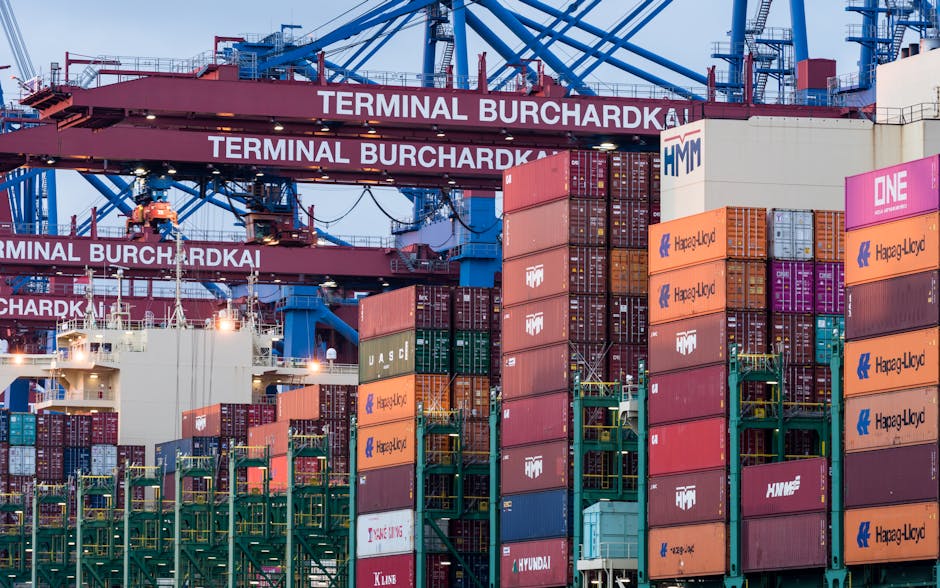
Port congestion occurs when port capacity is exceeded by cargo volume. When it comes to China sourcing, causes include: high cargo volumes during peak seasons, labor shortages affecting operations, equipment shortages (cranes, chassis, containers), vessel bunching (multiple ships arriving simultaneously), customs clearance delays, weather disruptions (typhoons, fog), and infrastructure limitations. Congestion is a chain reaction: one delay causes others, compounding the problem. Understanding causes helps predict and avoid congestion periods.
How Congestion Affects Your Shipments
Congestion impacts your supply chain in multiple ways. When it comes to China sourcing, vessel delays: ships wait at anchor for days before berthing. Loading/unloading delays: longer port stays for vessels. Container availability: empty containers stuck at congested ports. Documentation delays: customs processing slower during congestion. Demurrage charges: if you don’t pick up containers within free time. Detention charges: if you don’t return containers timely. Missed connections: for transshipment cargo. Total delays can range from 3 days to 2+ weeks during severe congestion.
Costs of Port Congestion
Congestion adds direct and indirect costs. When it comes to China sourcing, demurrage: $100-300 per container per day after free time expires. Detention: $50-150 per container per day for late return. Storage fees: warehouse storage if goods unloaded. Premium freight: expedited shipping to recover time. Lost sales: stockouts from delayed inventory. Customer penalties: missed delivery commitments. Air freight substitution: expensive alternative for urgent needs. A 7-day delay on a $50,000 shipment can add $1,000-2,000 in direct costs plus indirect impacts.
Major Chinese Ports and Congestion Patterns
Shanghai Port
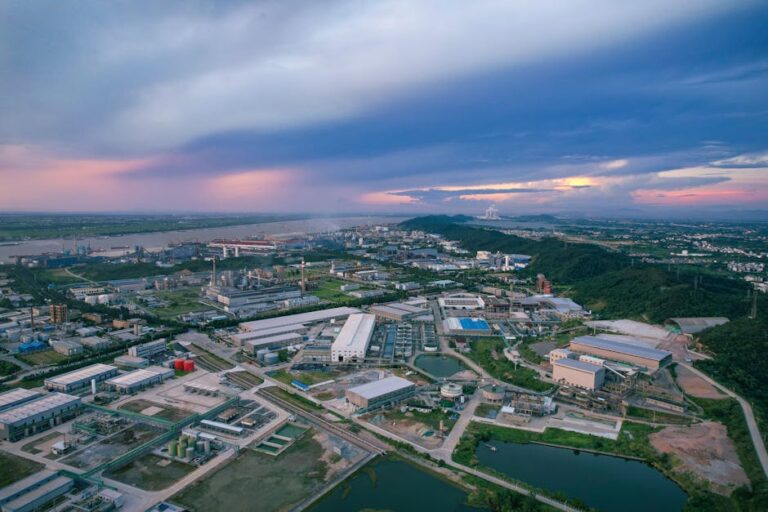
Shanghai is the world’s busiest container port. When it comes to China sourcing, volume: 47+ million TEU annually. Congestion patterns: peak during pre-Christmas (August-October), pre-Chinese New Year (January), and after typhoons. Typical delays during peak: 2-5 days waiting at anchor. Causes: high volume, limited berth capacity, and Yangtze River weather restrictions. Shanghai congestion affects the entire Yangtze River Delta region. Monitor Shanghai conditions closely during peak seasons.

Photo by Shuaizhi Tian via Pexels
Ningbo-Zhoushan Port
Ningbo is the world’s third-busiest container port. When it comes to China sourcing, volume: 33+ million TEU annually. Congestion patterns: similar to Shanghai, often worse due to smaller capacity. Typical delays: 2-7 days during peak periods. Causes: proximity to Shanghai (spillover effect), high volume, and weather. Ningbo is an alternative to Shanghai but faces similar congestion. Consider other alternatives if both Shanghai and Ningbo are congested.
Shenzhen Ports (Yantian, Shekou, Chiwan)
Shenzhen ports serve the Pearl River Delta manufacturing region. When it comes to China sourcing, volume: 28+ million TEU annually across all terminals. Congestion patterns: peak during same periods as eastern ports, plus summer typhoon season. Typical delays: 2-5 days during peak. Causes: high volume from Guangdong manufacturing, typhoon exposure. Yantian is the largest terminal and most prone to congestion. Shekou and Chiwan are smaller alternatives.
Qingdao Port
Qingdao serves northern China manufacturing. When it comes to China sourcing, volume: 23+ million TEU annually. Congestion patterns: generally less severe than Shanghai/Shenzhen. Typical delays: 1-3 days during peak. Advantages: less congested, good for northern China suppliers. Consider Qingdao if your suppliers are in Shandong or nearby provinces. May require longer trucking from southern suppliers.
Port Congestion Comparison
| Port | Annual Volume | Peak Delay | Congestion Level |
|---|---|---|---|
| Shanghai | 47M TEU | 2-5 days | High |
| Ningbo | 33M TEU | 2-7 days | High |
| Shenzhen | 28M TEU | 2-5 days | Medium-High |
| Qingdao | 23M TEU | 1-3 days | Medium |
| Tianjin | 18M TEU | 1-3 days | Medium |
| Xiamen | 12M TEU | 1-2 days | Low-Medium |
Peak Seasons for Congestion
Pre-Christmas Peak (August-October)
The pre-Christmas period is the busiest shipping season. When it comes to China sourcing, retailers worldwide rush inventory for holiday sales. Volume surge: 20-40% above normal. Congestion peaks: September-October. Ports affected: all major Chinese ports. Carrier capacity: fully booked, premium rates. Planning: book 4-6 weeks in advance. If possible, ship earlier (June-July) to avoid peak. The pre-Christmas rush is predictable—plan around it.
Pre-Chinese New Year (January)
Chinese New Year creates a pre-holiday rush. When it comes to China sourcing, factories close for 1-4 weeks. Everyone ships before closure. Volume surge: 15-30% above normal. Congestion peaks: 2-3 weeks before CNY. Ports affected: all Chinese ports. After CNY: slow restart, residual congestion. Planning: ship 4+ weeks before CNY or wait until after. Chinese New Year dates vary by year (January-February). Check dates and plan accordingly.
Typhoon Season (June-September)
Typhoons disrupt port operations in summer. When it comes to China sourcing, affected areas: Shanghai, Ningbo, Shenzhen, and southern ports. Impact: port closures, vessel delays, backlog after reopening. Duration: 1-3 days per typhoon, plus recovery time. Frequency: multiple typhoons per season. Unpredictable: can’t plan exact timing. Mitigation: build buffer time, monitor weather, and have contingency plans. Typhoon delays are unavoidable but manageable with preparation.
Other Congestion Triggers
Other events can cause congestion. When it comes to China sourcing, labor disputes: port strikes or slowdowns. Regulatory changes: new customs procedures. Infrastructure issues: equipment failures. Pandemic effects: ongoing impacts on operations. Geopolitical events: trade policy changes. These events are less predictable. Stay informed about developments affecting your shipping routes.
Strategies to Avoid Port Congestion Delays
Plan Shipments Early
Early planning is the best congestion avoidance strategy. When it comes to China sourcing, book 3-4 weeks before shipment during normal periods. Book 4-6 weeks before during peak seasons. Earlier booking: better carrier options, lower rates, and confirmed space. Last-minute booking: limited options, premium rates, and higher congestion risk. Build shipping planning into your order process. Don’t wait until goods are ready to book freight.
Consider Alternative Ports
Alternative ports may have less congestion. When it comes to China sourcing, if Shanghai/Ningbo congested: consider Qingdao, Tianjin, or Xiamen. If Shenzhen congested: consider Guangzhou (Nansha) or Xiamen. Trade-offs: longer trucking from supplier, different carrier options, and possibly higher origin costs. Calculate total cost including trucking. Sometimes a less congested port with longer trucking is faster overall. Discuss alternatives with your forwarder.
Ship During Off-Peak Periods
Off-peak shipping avoids congestion. When it comes to China sourcing, off-peak periods: March-May (after CNY), November-December (after pre-Christmas). Benefits: lower rates, less congestion, and better carrier availability. Challenges: may not align with inventory needs. Strategy: build inventory during off-peak for peak season sales. Balance inventory carrying costs against congestion risks. Off-peak shipping requires advance planning.
Build Buffer Time
Buffer time absorbs congestion delays. When it comes to China sourcing, add 7-14 days to quoted transit times during peak. Add 3-7 days during normal periods. Buffer applies to: production completion, port processing, transit time, and customs clearance. Communicate realistic timelines to customers. Under-promising and over-delivering is better than missed deadlines. Buffer time is insurance against unpredictable delays.
Monitor Port Conditions
Stay informed about current port conditions. When it comes to China sourcing, information sources: freight forwarder updates, carrier advisories, port authority websites, and shipping news services. Key metrics: vessel waiting times, berth utilization, and yard utilization. Monitor weekly during peak seasons. Act quickly if conditions deteriorate. Your forwarder should provide regular updates.
Managing Congestion When It Occurs
Communication with Stakeholders
When congestion affects your shipment, communicate proactively. When it comes to China sourcing, notify customers of potential delays. Update delivery commitments. Provide realistic new timelines. Share information about cause (port congestion). Regular updates even if no change. Proactive communication maintains trust. Customers prefer knowing about delays in advance.
Working with Your Forwarder
Your forwarder is your partner during congestion. When it comes to China sourcing, they should: provide current port conditions, advise on alternative options, expedite documentation, coordinate priority handling if available, and manage demurrage/detention. Ask forwarder: what’s the current delay? Are there alternatives? What’s causing the congestion? When will it improve? A good forwarder provides solutions, not just problems.
Demurrage and Detention Management
Minimize demurrage and detention costs. When it comes to China sourcing, know your free time: typically 5-7 days demurrage, 3-5 days detention. Track container pickup deadlines. Arrange pickup before free time expires. If can’t pick up: request free time extension from carrier. Document reasons for delay. Dispute charges if caused by port/carrier issues. Work with forwarder to minimize these costs.
Alternative Shipping Options
When delays are severe, consider alternatives. When it comes to China sourcing, air freight: for urgent, high-value cargo. Different port: if available and faster. Different carrier: if they have better schedules. Rail freight: for Europe-bound cargo. Premium services: some carriers offer priority handling. Evaluate cost vs. urgency. Sometimes paying premium for faster service is justified.
Long-Term Congestion Mitigation
Diversify Shipping Routes
Don’t rely on single ports or routes. Use multiple ports for flexibility. Develop relationships with multiple carriers. Have backup plans documented. Diversification provides options when primary routes are congested. The investment in multiple relationships pays off during disruptions.
Inventory Strategy
Adjust inventory strategy for congestion risk. Safety stock: higher levels for critical products. Earlier ordering: ship before peak seasons. Multiple shipments: spread risk across vessels. Local inventory: stock in destination markets. The cost of additional inventory may be less than the cost of congestion delays. Calculate the trade-offs for your business.
Supplier Location Consideration
Consider supplier location in sourcing decisions. Proximity to less congested ports. Multiple supplier locations for flexibility. Northern China suppliers: Qingdao, Tianjin ports. Southern China suppliers: Shenzhen, Guangzhou ports. Eastern China suppliers: Shanghai, Ningbo ports. Supplier location affects port options and congestion exposure.
Conclusion
Port congestion in China is a recurring challenge that requires proactive planning and management. This guide covered: major congested ports including Shanghai, Ningbo, and Shenzhen, peak seasons for congestion including pre-Christmas and pre-Chinese New Year, costs of congestion including demurrage and detention, strategies to avoid delays including early planning and alternative ports, and management approaches when congestion occurs. The key principles: plan shipments early, especially during peak seasons, monitor port conditions and stay informed, build buffer time into your planning, consider alternative ports when primary ports are congested, communicate proactively with stakeholders when delays occur, and develop long-term strategies for congestion resilience. Port congestion won’t disappear—it’s a feature of global shipping. Businesses that plan for congestion, monitor conditions, and have contingency plans in place will maintain more reliable supply chains. Work with experienced forwarders, stay informed, and build flexibility into your logistics strategy.
Need Help Navigating Port Congestion in China?
Top China Sourcing monitors port conditions and helps you plan shipments to avoid congestion delays. We provide logistics coordination and keep you informed about conditions affecting your shipments. Contact us today to optimize your shipping strategy.
Last updated: April 30, 2026 | Port Congestion Guide by TCS Editorial Team
Sources
- Shanghai International Port Group Statistics
- Ningbo Zhoushan Port Company Reports
- World Bank Container Port Performance Index
- Drewry Port Congestion Analysis
- TCS Port Monitoring Database 2026