📋 Key Takeaways
- ISO certification demonstrates quality management but is voluntary and not legally required
- ISO 9001 is the most common certification for quality management systems
- Certification costs $3,000-$15,000+ depending on company size and scope
- Verification is critical – many fake ISO certificates exist in China
- Check accreditation body through IAF or CNAS databases to verify authenticity
When sourcing products from China, you’ll often encounter suppliers claiming ISO certification. When considering compliance certification, The International Organization for Standardization (ISO) develops voluntary international standards for quality, safety, and efficiency. ISO certification indicates that a supplier has implemented management systems meeting international standards. For importers in 2026, understanding how to verify ISO certifications is essential for supplier qualification.
The ISO certification verification process involves understanding different ISO standards, checking certificate authenticity, and confirming that certifications are current and relevant to your products. When considering product certification, When considering certification, Many Chinese suppliers display ISO certificates, but verification is crucial as counterfeit certifications are common. This guide covers everything you need to know about ISO certification verification for China sourcing.
What is ISO Certification?
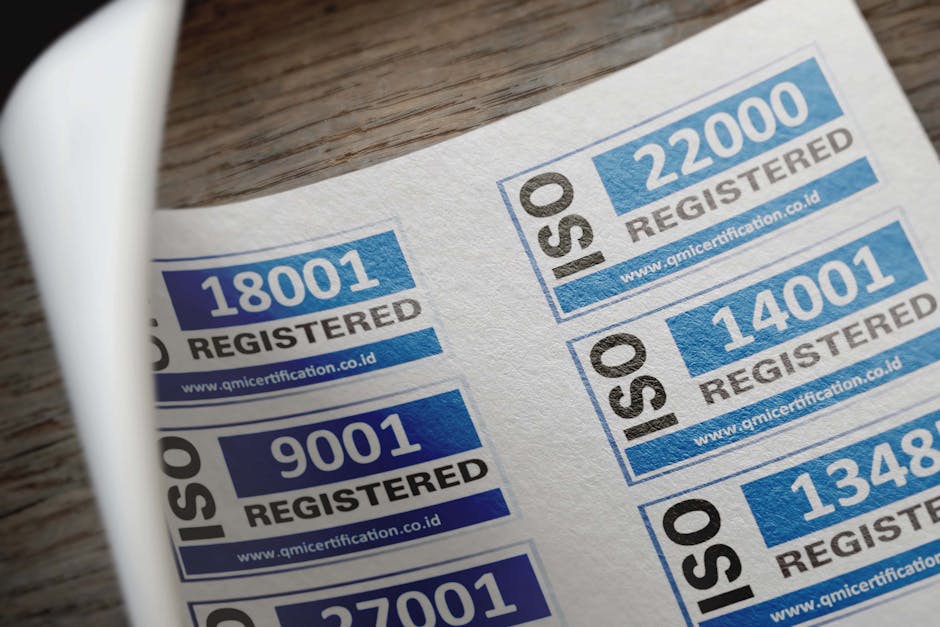
ISO certification is a third-party attestation that an organization’s management system conforms to ISO standards. When considering certification, When considering compliance, Certification is performed by accredited certification bodies that audit organizations against specific ISO standards. While ISO develops the standards, they do not perform certification—this is done by independent certification bodies.
Common ISO Standards for Chinese Manufacturers
| Standard | Focus Area | Typical Applications |
|---|---|---|
| ISO 9001 | Quality Management | All industries, manufacturing processes |
| ISO 14001 | Environmental Management | Manufacturing, export-focused companies |
| ISO 45001 | Occupational Health & Safety | Manufacturing, construction |
| ISO 13485 | Medical Devices Quality | Medical device manufacturers |
| ISO 22000 | Food Safety Management | Food processing, packaging |
| ISO 27001 | Information Security | Electronics, software companies |
| IATF 16949 | Automotive Quality | Automotive parts manufacturers |
Benefits of ISO Certification
Working with ISO-certified Chinese suppliers offers several advantages:
- Consistent quality – Documented processes reduce variation
- Risk reduction – Systematic approach to identifying and addressing issues
- Continuous improvement – Built-in mechanisms for process enhancement
- Customer confidence – Third-party verification of capabilities
- Regulatory compliance – Framework for meeting legal requirements
ISO Certification Verification Process
Step 1: Request Certificate Documentation
Ask suppliers to provide complete ISO certification documentation including:
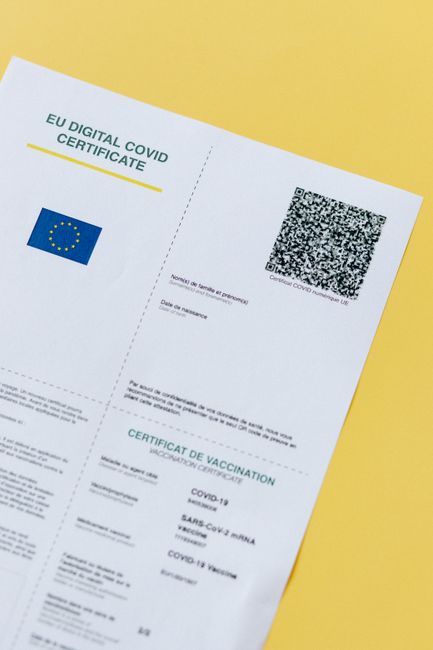
Photo by Nataliya Vaitkevich via Pexels
- Certificate copy – Original certificate showing scope and validity dates
- Certification body name – Organization that issued the certificate
- Certificate number – Unique identifier for verification
- Scope of certification – Activities and locations covered
- Accreditation body – Organization that accredits the certification body
Step 2: Verify Certification Body Accreditation
Legitimate certification bodies are accredited by national or international accreditation bodies. When considering product certification, Verify through:
- CNAS (China National Accreditation Service) – For Chinese certification bodies
- IAF (International Accreditation Forum) – For international recognition
- ANAB (ANSI National Accreditation Board) – For US-recognized bodies
- UKAS (United Kingdom Accreditation Service) – For UK-recognized bodies
Step 3: Check Certificate Validity
ISO certificates are typically valid for three years with annual surveillance audits. Verify:
- Issue date and expiration date – Certificate must be current
- Surveillance audit status – Annual audits must be completed
- Suspension or withdrawal status – Check for any disciplinary actions
Step 4: Verify Scope of Certification
The certificate scope must cover the products or services you’re sourcing. When considering compliance, When considering certification, Common issues include:
- Limited scope – Certification covers only some products or locations
- Wrong activities – Scope doesn’t include manufacturing you need
- Excluded locations – Certificate doesn’t cover all production facilities
How to Verify ISO Certificates Online
CNAS Database (Chinese Certification Bodies)
For certificates issued by Chinese certification bodies, verify through CNAS:
- Visit the CNAS website (cnas.org.cn)
- Search for the certification body accreditation status
- Verify the certificate through the certification body’s database
- Cross-check certificate number and validity dates
IAF Database (International Recognition)
The International Accreditation Forum maintains a database of accredited certifications:
- Visit the IAF CertSearch database (iafcertsearch.org)
- Enter the certificate number or organization name
- Verify accreditation body and certification body details
- Confirm scope and validity dates
Certification Body Databases
Major certification bodies maintain online verification systems:
- SGS – Certificate verification through SGS online directory
- TÜV – Certificate check through TÜV databases
- BV (Bureau Veritas) – Online certificate verification
- Intertek – Certificate directory search
- BSI – British Standards Institution certificate check
Common ISO Certification Red Flags
Warning Signs of Fake Certificates
Be alert for these indicators of fraudulent ISO certifications:
- Unknown certification body – Not accredited by recognized accreditation body
- Missing accreditation logo – Legitimate certificates show accreditation body logo
- Unusually low cost – Real certification costs thousands of dollars
- Instant certification – Real certification takes months of audits
- No surveillance audits – Annual audits are required for maintenance
- Generic certificates – Missing specific scope or location details
Certificate Mills and Fake Bodies
Some organizations operate as “certificate mills,” issuing ISO certificates without proper audits. When considering product certification, When considering compliance, Warning signs include:
- Certification body not found in accreditation body databases
- No physical address or contact information
- Certificates issued without on-site audits
- Extremely short certification timelines
- Certificates that cannot be verified online
ISO Certification Costs and Timeline
| Company Size | ISO 9001 Cost | Timeline | Annual Surveillance |
|---|---|---|---|
| Small (1-50 employees) | $3,000-$8,000 | 4-6 months | $1,500-$3,000 |
| Medium (51-250 employees) | $8,000-$15,000 | 6-9 months | $3,000-$5,000 |
| Large (250+ employees) | $15,000-$50,000+ | 9-12 months | $5,000-$15,000 |
ISO Certification vs Other Quality Standards
| Standard | Type | Scope | Recognition |
|---|---|---|---|
| ISO 9001 | Quality Management | All industries | International |
| IATF 16949 | Automotive Quality | Automotive supply chain | Automotive industry |
| AS9100 | Aerospace Quality | Aerospace industry | Aerospace industry |
| ISO 13485 | Medical Devices | Medical device manufacturers | Medical device industry |
| SQF/BRC | Food Safety | Food industry | Food retail/foodservice |
Frequently Asked Questions
5 Common Myths About ISO Certification in China (Debunked)
Myth #1: Certifications are optional
Reality: Products without required certifications (CE, FCC, UL) can be seized at customs, resulting in $10,000+ fines and destroyed inventory.
Myth #2: One certification covers all markets
Reality: Different markets require different certifications. CE covers Europe, FCC covers US, and each has different testing requirements and costs.
Myth #3: Suppliers handle certifications
Reality: 40% of supplier-provided certifications are fake or expired. Always verify certifications directly with issuing bodies like SGS or TUV.
Myth #4: You can skip quality control for small orders
Reality: Even small orders can have 5-15% defect rates. A single bad review can cost you $500+ in lost sales.
Myth #5: All Chinese suppliers are the same
Reality: Supplier quality varies dramatically. Top-tier suppliers like Foxconn achieve 99.9% quality while others struggle with 85% defect rates.
Does ISO certification guarantee product quality?
No, ISO certification certifies that a company has a quality management system in place—it does not certify specific products. When considering product certification, ISO 9001 certification means the company follows documented processes, but product quality still depends on proper implementation. Product-specific testing and inspection remain essential.
What if my supplier’s ISO certificate cannot be verified?
If you cannot verify a supplier’s ISO certificate through official databases, request clarification from the supplier. When considering compliance, When considering certification, If verification is still not possible, consider the certificate potentially invalid and conduct additional supplier due diligence, including factory audits and quality inspections.
Conclusion
ISO certification verification is a critical step in supplier qualification for China sourcing. When considering product certification, When considering compliance, While ISO certification is voluntary, it indicates a supplier’s commitment to quality management and continuous improvement. However, the prevalence of fake certificates requires thorough verification through official databases and accreditation bodies.
For importers in 2026, ISO certification should be one element of a comprehensive supplier evaluation process. When considering product certification, Verify certificates through CNAS, IAF, or certification body databases, confirm scope coverage, and maintain ongoing monitoring of certification status. Combined with factory audits and quality inspections, ISO verification helps ensure reliable supplier relationships.
Need help verifying supplier certifications? Our team at Top China Sourcing provides comprehensive supplier verification services, including ISO certification checks and factory audits. When considering certification, Contact us today to ensure your suppliers meet quality standards.
Sources
- International Organization for Standardization. “ISO 9001 Quality Management.” ISO Official Website, 2026. https://www.iso.org/iso-9001-quality-management.html
- China National Accreditation Service. “CNAS Accreditation Database.” CNAS Official Website, 2026. https://www.cnas.org.cn
- International Accreditation Forum. “IAF CertSearch Database.” IAF Official Website, 2026. https://www.iafcertsearch.org