
Selecting the right freight forwarder in China is one of the most critical decisions for successful importing. A good forwarder saves you money, prevents delays, and handles logistics complexity. A poor choice leads to hidden fees, missed deadlines, and supply chain headaches. This 2026 guide provides a comprehensive framework for evaluating and selecting freight forwarders in China.
📌 Key Takeaways
- Forwarder role: They coordinate shipping, customs, documentation, and delivery—not just book cargo space
- Selection criteria: Experience with your product type, destination, and shipping method is essential
- Cost comparison: Get quotes from 3-5 forwarders; cheapest isn’t always best
- Red flags: Vague quotes, no references, poor communication, and lack of licenses
- Best practice: Build relationships with 2-3 reliable forwarders for flexibility and backup
What Freight Forwarders Do
Core Services
Freight forwarders provide comprehensive logistics coordination. Booking cargo space with carriers (ships, airlines, trucks). Arranging pickup from supplier factories. Preparing and processing shipping documentation. Coordinating customs clearance at origin and destination. Managing cargo insurance. Tracking shipments and providing updates. Handling problems: delays, damages, claims. A forwarder is your logistics partner, not just a booking agent. They should proactively manage your shipments and solve problems.
Value-Added Services
Beyond basic shipping, many forwarders offer additional services. Warehousing and consolidation. Packaging and labeling. Quality inspection coordination. Amazon FBA prep services. Cargo insurance arrangement. Trade finance documentation. Import/export license assistance. Supplier coordination and communication. These services can simplify your supply chain by reducing the number of service providers you need to manage.
What Forwarders Don’t Do
Understand forwarder limitations. They don’t manufacture products. They don’t inspect quality (unless specifically contracted). They don’t pay suppliers on your behalf. They don’t guarantee delivery times (carriers control schedules). They don’t handle customs duties payment (importer pays). They don’t resolve supplier disputes. Clear expectations prevent misunderstandings. Your forwarder handles logistics; you handle supplier relationships and product quality.
Types of Freight Forwarders
China-Based Forwarders
Forwarders headquartered in China with local operations. Advantages: direct relationships with Chinese suppliers, local market knowledge, Chinese language capability, lower overhead costs, and presence at major Chinese ports. Disadvantages: may have limited destination country presence, time zone differences for communication, and varying English proficiency. Best for: importers who want strong origin-side coordination and cost efficiency. Many successful China-based forwarders have partner networks in destination countries.
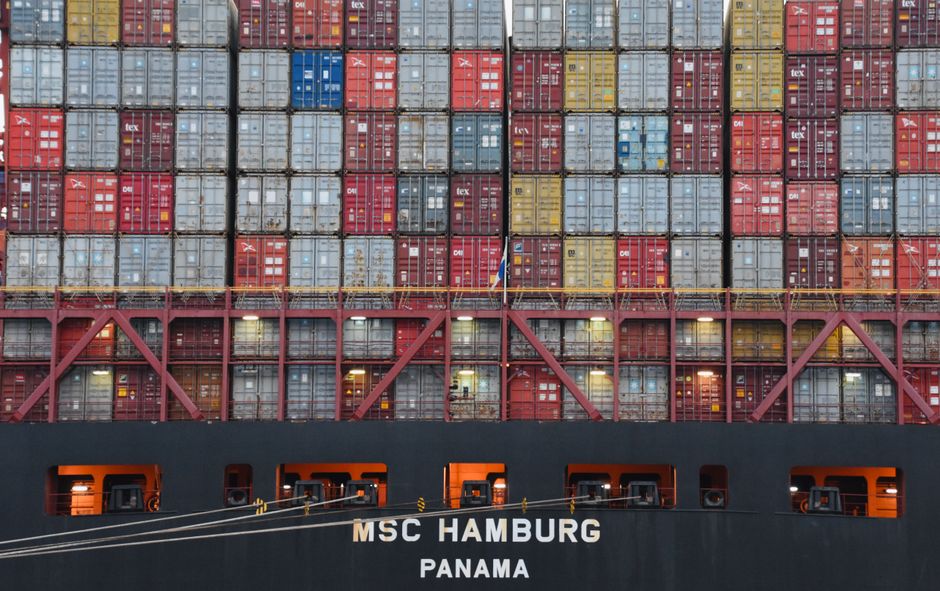
Photo by Jonas F via Pexels
International Forwarders
Global logistics companies with offices worldwide. Examples: DHL Global Forwarding, Kuehne + Nagel, DB Schenker, Expeditors. Advantages: global network, established processes, financial stability, destination country presence, and single point of contact. Disadvantages: higher costs, less personalized service, may prioritize larger clients, and less flexibility. Best for: large importers with complex global supply chains. Small importers may receive less attention from large forwarders.
Specialized Forwarders
Forwarders focusing on specific product categories or shipping methods. Examples: Amazon FBA specialists, hazardous materials experts, temperature-controlled cargo, oversized cargo, and e-commerce specialists. Advantages: deep expertise in your specific needs, established processes for your product type, and relevant certifications. Disadvantages: may not handle other shipping needs, limited flexibility, and potentially higher costs. Best for: importers with specialized requirements that general forwarders may not handle well.
NVOCC vs Freight Forwarder
Understand the distinction. NVOCC (Non-Vessel Operating Common Carrier): issues their own bills of lading, takes legal responsibility as carrier, can negotiate directly with shipping lines, and requires FMC license (for US trade). Freight Forwarder: acts as agent arranging shipping, uses carrier’s bill of lading, and may have less legal responsibility. Many companies are both NVOCC and forwarder. NVOCC status indicates more capability and accountability. Ask potential forwarders about their NVOCC status.
Selection Criteria
Experience and Expertise
Evaluate forwarder experience relevant to your needs. Years in business: minimum 3-5 years recommended. Experience with your product category: some products require special handling. Experience with your shipping routes: China to your destination country. Experience with your shipping method: sea freight, air freight, express. Volume handled: do they work with businesses your size? Ask for case studies or references from similar clients. A forwarder experienced in your specific needs will anticipate problems and provide better service.
Licensing and Certifications
Verify required licenses and certifications. FMC license (for US trade): required for NVOCC status. IATA accreditation: for air freight. NVOCC bond: financial protection for shippers. Local licenses: varies by country. Professional certifications: CIFFA, FIATA, etc. Ask for license numbers and verify with issuing authorities. Licensed forwarders have met regulatory requirements and have financial protections in place.
Network and Coverage
Assess forwarder network capabilities. Origin coverage: which Chinese ports and regions do they serve? Destination coverage: do they have offices or partners at your destination? Carrier relationships: which shipping lines and airlines do they work with? Agent network: do they have reliable partners for customs and delivery? A forwarder with strong networks can handle problems and provide options when issues arise.
Communication and Responsiveness
Communication quality is critical. Response time: how quickly do they respond to inquiries? Availability: are they available during your business hours? Language capability: can they communicate effectively in your language? Proactive updates: do they provide shipment status without being asked? Problem communication: do they inform you of issues promptly? Test communication during the quoting process. Poor communication during sales suggests worse communication during shipments.
Technology and Tracking
Modern forwarders should offer technology capabilities. Online tracking portal: real-time shipment visibility. Document management: digital access to shipping documents. Automated notifications: email/SMS updates on milestones. Integration capability: API connections to your systems. Reporting: shipment history and analytics. Technology isn’t essential but improves efficiency and visibility. Evaluate whether their technology meets your needs.
Getting and Comparing Quotes
Information to Provide
Provide complete information for accurate quotes. Origin: supplier location (city, province). Destination: full address including zip code. Cargo details: weight, dimensions, quantity. Product type: description and HS code if known. Shipping terms: EXW, FOB, CIF, etc. Required service: port-to-port or door-to-door. Timeline: when cargo is ready, when you need delivery. Special requirements: insurance, inspection, etc. More information means more accurate quotes.
Quote Components
Understand what quotes should include. Ocean/air freight: base shipping cost. Origin charges: pickup, terminal handling, documentation. Destination charges: terminal handling, customs, delivery. Surcharges: fuel, security, congestion. Insurance: if requested. All-inclusive vs itemized: understand what’s included. Request all-inclusive quotes for easier comparison. Some forwarders quote low base rates but add many fees later.
Quote Comparison Table
| Factor | Forwarder A | Forwarder B | Forwarder C |
|---|---|---|---|
| All-in Rate | $3,200 | $2,900 | $3,400 |
| Transit Time | 32 days | 38 days | 30 days |
| Response Time | 4 hours | 2 days | 1 hour |
| FMC Licensed | Yes | No | Yes |
| References | Provided | Not available | Provided |
| Tracking Portal | Yes | Email only | Yes |
Hidden Fees to Watch
Some forwarders quote low but add fees later. Documentation fees: $50-150. Customs clearance: $100-300. Terminal handling: varies by port. Chassis fees: for container transport. Demurrage: if container not picked up timely. Amendment fees: if documents need changes. Communication fees: some charge for calls/emails. Ask for complete fee schedule upfront. Reputable forwarders provide transparent all-inclusive quotes.
Red Flags When Evaluating Forwarders
Warning Sign 1: Vague or Incomplete Quotes
Quotes that don’t specify all charges or use vague terms like “plus fees” indicate potential surprises. Always request itemized all-inclusive quotes.
Warning Sign 2: No References or Reviews
Established forwarders should provide references from similar clients. Inability to provide references suggests inexperience or problems.
Warning Sign 3: Poor Communication During Sales
If a forwarder is slow to respond during the sales process, expect worse communication when problems arise with your shipment.
Warning Sign 4: No Physical Address or Office
Legitimate forwarders have physical offices. Be cautious of forwarders with only virtual offices or no verifiable address.
Warning Sign 5: Unusually Low Rates
Rates significantly below market often mean hidden fees, poor service, or financial instability. Compare rates across multiple forwarders.
Warning Sign 6: No Licenses or Certifications
Forwarders handling US trade should have FMC license. Lack of required licenses indicates non-compliance or inexperience.
Questions to Ask Potential Forwarders
Experience Questions
How long have you been in business? What experience do you have with [your product category]? How many shipments do you handle monthly to [your destination]? Can you provide references from similar clients? What’s your experience with [your shipping method]? The answers reveal whether they’re a good fit for your needs.
Operational Questions
What’s included in your quote? What charges might arise that aren’t in the quote? What’s your process for handling delays or problems? How do you communicate shipment status? What tracking capabilities do you offer? Who will be my point of contact? Clear answers indicate professional operations.
Financial Questions
What are your payment terms? Do you require deposits? What insurance do you provide? What happens if cargo is damaged or lost? Are you bonded (NVOCC)? Understanding financial terms prevents disputes later.
Building Forwarder Relationships
Start with Trial Shipments
Don’t commit all shipments to a new forwarder immediately. Start with 1-2 trial shipments. Evaluate: communication quality, problem handling, accuracy of quotes, and delivery performance. If trial goes well, gradually increase volume. If problems arise, address them or try another forwarder. Trial shipments reveal forwarder capabilities better than sales presentations.
Maintain Multiple Forwarder Relationships
Don’t rely on a single forwarder. Maintain relationships with 2-3 reliable forwarders. Benefits: competitive pricing through comparison, backup if primary forwarder has issues, capacity during peak seasons, and leverage in negotiations. Different forwarders may excel at different routes or shipping methods. Multiple relationships provide flexibility and protection.
Communicate Expectations Clearly
Set clear expectations from the start. Response time requirements: how quickly you need replies. Communication preferences: email, phone, messaging apps. Documentation requirements: what you need and when. Problem escalation: how issues should be handled. Performance metrics: what you’ll measure. Clear expectations prevent misunderstandings and establish accountability.
Provide Feedback
Give forwarders feedback on performance. Positive feedback: acknowledge good service. Constructive feedback: address issues promptly. Regular reviews: quarterly performance discussions. Forwarders can improve when they understand your needs. Good relationships are built on open communication.
Common Mistakes
Choosing Based Only on Price
The cheapest forwarder isn’t always the best value. Consider: service quality, reliability, communication, and problem-solving ability. A slightly more expensive forwarder who prevents problems saves money overall. Calculate total cost including service quality, not just shipping rates.
Not Verifying Credentials
Always verify licenses and references. Check FMC license status online. Contact provided references. Search for reviews and complaints. A few minutes of verification can prevent major problems later.
Not Understanding Quote Terms
Quotes can be structured differently. Port-to-port vs door-to-door. All-inclusive vs itemized. Prepaid vs collect. Understand exactly what’s included and what you’ll pay. Ask questions if anything is unclear.
Not Having Backup Options
Single forwarder dependency creates risk. If your forwarder has capacity issues, goes out of business, or provides poor service, you need alternatives. Maintain relationships with multiple forwarders.
Conclusion
Selecting the right freight forwarder in China requires careful evaluation beyond comparing shipping rates. This guide covered: forwarder types including China-based, international, and specialized options, selection criteria including experience, licensing, network, and communication, quote comparison methods and hidden fees to watch, red flags that indicate problematic forwarders, and relationship building strategies for long-term success. The key principles: evaluate forwarders on multiple criteria, not just price, verify licenses, references, and capabilities, start with trial shipments before committing volume, maintain relationships with 2-3 reliable forwarders, and communicate expectations clearly and provide feedback. A good freight forwarder is a logistics partner who saves you time, money, and headaches. Invest time in selecting the right partner, and the relationship will pay dividends through smooth shipments and reliable delivery.
Need Help Finding Reliable Freight Forwarders in China?
Top China Sourcing works with vetted freight forwarders and can help coordinate your shipping logistics. We help you compare options, negotiate rates, and manage your supply chain. Contact us today to discuss your shipping needs.
Last updated: April 30, 2026 | Freight Forwarder Guide by TCS Editorial Team
Sources
- Federal Maritime Commission (FMC) Licensed NVOCC List
- International Federation of Freight Forwarders Associations (FIATA)
- China International Freight Forwarders Association (CIFFA)
- TCS Forwarder Evaluation Database 2026
- Transportation Intermediaries Association (TIA)