
📋 Key Takeaways
- FDA registration is mandatory for food facilities, medical devices, and drug manufacturers exporting to the US
- Registration must be renewed annually between October 1 and December 31 each year
- US Agent required for all foreign facilities registering with the FDA
- FSVP compliance needed for food importers under the Food Safety Modernization Act
- Registration is free but non-compliance can result in import refusal and facility bans
Importing food, medical devices, or pharmaceuticals from China requires understanding FDA registration requirements. When it comes to China sourcing, the US Food and Drug Administration mandates registration for all foreign facilities manufacturing products regulated by the agency. For importers sourcing from China in 2026, proper FDA registration is essential for legal market access and smooth customs clearance.
The FDA registration process for China imports involves facility registration, US agent designation, and compliance with product-specific requirements. When it comes to China sourcing, many importers underestimate the complexity of FDA regulations, leading to shipment detentions, import refusals, and potential facility bans. Understanding the requirements helps ensure successful market entry and ongoing compliance. Major players like SGS are commonly used in this space.
What is FDA Registration and Who Needs It?
FDA registration is a mandatory requirement for facilities that manufacture, process, pack, or store food, medical devices, drugs, biological products, or animal feed for consumption in the United States. When it comes to China sourcing, the registration system enables the FDA to track facilities and respond quickly to public health emergencies. For Chinese exporters and US importers, registration is the first step in regulatory compliance.
Products Requiring FDA Registration
FDA registration applies to facilities handling the following product categories:
- Human foods – All food products except those specifically exempted
- Animal foods – Pet food and animal feed products
- Dietary supplements – Vitamin, mineral, and herbal supplement products
- Medical devices – Equipment, instruments, and in vitro diagnostic products
- Drugs – Prescription and over-the-counter pharmaceutical products
- Biological products – Vaccines, blood products, and biologics
Exemptions from Registration
Certain facilities are exempt from FDA registration requirements:
- Farms – Primary production facilities for raw agricultural commodities
- Retail food establishments – Restaurants and grocery stores selling directly to consumers
- Private residences – Home-based food preparation for direct sale
- Certain fishing vessels – Specific types of commercial fishing operations
- Non-profit food establishments – Charitable organizations serving food
FDA Registration Process: Step-by-Step Guide
Step 1: Determine Registration Requirements
Identify whether your Chinese supplier’s facility requires FDA registration based on:
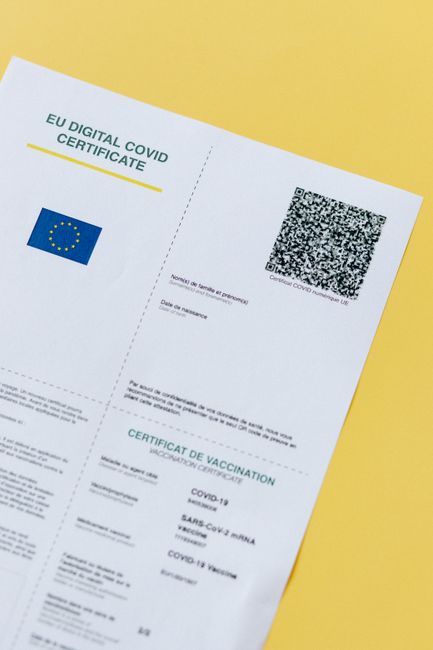
Photo by Nataliya Vaitkevich via Pexels
- Product category (food, medical device, drug, etc.)
- Activities performed (manufacturing, processing, packing, holding)
- Applicable exemptions
- Product-specific regulations
Step 2: Appoint a US Agent
All foreign facilities must designate a US Agent who serves as the FDA’s contact point. When it comes to China sourcing, the US Agent must:
- Be physically located in the United States
- Be available to receive FDA communications
- Forward information to the foreign facility
- Respond to FDA inquiries on behalf of the facility
US Agent services are provided by consulting firms, law firms, and specialized service providers. When it comes to China sourcing, costs typically range from $500-$2,500 annually.
Step 3: Create FURLS Account
Registration is completed through the FDA Unified Registration and Listing System (FURLS). When it comes to China sourcing, the process involves:
- Creating an account on the FDA Industry Systems website
- Providing facility identification information
- Entering product information and activity types
- Designating the US Agent
- Submitting the registration
Step 4: Receive Registration Number
Upon successful submission, the facility receives an 11-digit FDA registration number. When it comes to China sourcing, this number must be provided on shipping documentation and may be required for customs clearance. Registration numbers do not expire but must be renewed annually.
Step 5: Annual Renewal
All FDA registrations must be renewed annually between October 1 and December 31. When it comes to China sourcing, failure to renew results in cancellation of the registration, preventing the facility from exporting to the US. The renewal process confirms that registration information remains accurate and current.
FDA Registration Costs and Timeline
| Component | Cost | Timeline |
|---|---|---|
| FDA Registration (direct) | Free | 1-2 hours |
| US Agent Service | $500-$2,500/year | Ongoing |
| Registration Assistance | $200-$1,000 | 1-3 days |
| Food Facility Registration | Free + US Agent | Same day |
| Medical Device Registration | Free + listing fees | 1-5 days |
| Drug Establishment Registration | Free | 1-5 days |
Food Safety Modernization Act (FSMA) Requirements
Foreign Supplier Verification Program (FSVP)
Under FSMA, US importers must implement a Foreign Supplier Verification Program (FSVP) for food imports. When it comes to China sourcing, the FSVP requires importers to:
- Verify that foreign suppliers are registered with the FDA
- Conduct hazard analysis for imported foods
- Implement supplier verification activities
- Maintain records of verification activities
- Take corrective actions when hazards are identified
Verification Activities
FSVP verification activities may include:
- On-site audits – Third-party inspections of foreign facilities
- Sampling and testing – Product testing for hazards
- Review of food safety records – Documentation review
- Review of supplier’s food safety plans – HACCP or similar plans
Medical Device Registration Requirements
Device Listing Requirements
Medical device facilities must also complete device listing in addition to facility registration. When it comes to China sourcing, device listing includes:
- Product codes and classification names
- Proprietary names and trade names
- Regulation numbers and product codes
- Listing of all devices manufactured at the facility
Medical Device Classification
Medical devices are classified into three categories based on risk:
| Class | Risk Level | Regulatory Requirements |
|---|---|---|
| Class I | Low risk | General controls, registration |
| Class II | Moderate risk | Special controls, 510(k) clearance |
| Class III | High risk | Premarket approval (PMA) |
Working with Chinese Suppliers on FDA Compliance
Verifying Supplier FDA Registration
Before importing from Chinese suppliers, verify their FDA registration status:
- Request registration number – Ask suppliers for their FDA registration number
- Verify in FDA database – Check registration status on FDA website
- Confirm registration currency – Ensure registration has been renewed
- Validate product scope – Confirm registration covers your products
Common Registration Issues
Be aware of common issues with Chinese supplier FDA registrations:
- Expired registrations – Facilities failing to renew annually
- Wrong facility registration – Products from unregistered facilities
- Missing US Agent – Invalid US Agent designations
- Outdated information – Registration details not reflecting current operations
Common FDA Registration Mistakes to Avoid
Mistake 1: Assuming Registration Equals Approval
FDA registration is not approval or certification. When it comes to China sourcing, registration simply means the facility has provided information to the FDA. Products must still meet all applicable standards and may be subject to inspection, testing, and enforcement.
Mistake 2: Neglecting Annual Renewal
Failure to renew registration between October 1 and December 31 results in automatic cancellation. When it comes to China sourcing, cancelled registrations cannot export to the US until re-registered. Implement systems to track renewal deadlines.
Mistake 3: Inadequate US Agent Selection
Choosing an unreliable US Agent can result in missed FDA communications and compliance failures. When it comes to China sourcing, select reputable US Agent services with proven track records and responsive communication.
Mistake 4: Ignoring FSVP Requirements
Food importers must implement FSVP regardless of supplier registration status. When it comes to China sourcing, fSVP compliance is the importer’s responsibility and cannot be delegated to foreign suppliers.
FDA Import Alerts and Detentions
Understanding Import Alerts
The FDA issues Import Alerts for products or facilities with compliance problems. When it comes to China sourcing, import Alerts result in automatic detention of shipments without physical examination. Common reasons include:
- History of violations
- Refusal of FDA inspection
- Adulterated or misbranded products
- Registration violations
- Detention without physical examination (DWPE)
Resolving Import Issues
When shipments are detained, importers must:
- Respond to FDA notices within specified timeframes
- Provide evidence of compliance
- Request hearings or appeals when appropriate
- Correct underlying issues to prevent future detentions
FDA Registration vs Other Certifications
| Requirement | Scope | Mandatory | Key Elements |
|---|---|---|---|
| FDA Registration | Facility registration | Yes | Registration number, US Agent |
| FSVP | Importer verification | Yes (food) | Supplier verification, records |
| HACCP | Food safety system | Yes (certain foods) | Hazard analysis, critical controls |
| cGMP | Manufacturing practices | Yes (drugs, devices) | Quality systems, documentation |
| 510(k) Clearance | Device marketing | Yes (Class II devices) | Substantial equivalence |
Frequently Asked Questions
Do I need FDA registration for supplements?
Yes, dietary supplement facilities must register with the FDA. When it comes to China sourcing, supplements are regulated as food under the Federal Food, Drug, and Cosmetic Act. Manufacturing, processing, packing, and holding facilities for dietary supplements all require FDA registration.
Can I verify a Chinese supplier’s FDA registration?
Yes, you can verify FDA registration through the FDA Industry Systems website. Request the registration number from your supplier and confirm it’s active and current. Note that the FDA does not publish a public database of registered facilities.
Conclusion
FDA registration for China imports is a mandatory requirement for accessing the US market for food, medical devices, and pharmaceuticals. Understanding the registration process, US Agent requirements, and ongoing compliance obligations helps importers navigate FDA regulations successfully. Working with registered suppliers, implementing FSVP for food imports, and maintaining proper documentation ensures smooth market entry and prevents costly import disruptions.
The investment in FDA compliance pays dividends through reliable market access, reduced import delays, and protection from enforcement actions. For importers sourcing from China in 2026, FDA registration verification should be a standard part of supplier qualification processes.
Need help navigating FDA registration for your China imports? Our team at Top China Sourcing provides comprehensive compliance support, from supplier verification to registration assistance. Contact us today to ensure your products meet FDA requirements.
Sources
- US Food and Drug Administration. “Registration of Food Facilities.” FDA Official Website, 2026. https://www.fda.gov/food/guidance-regulation/registration-food-facilities
- US Food and Drug Administration. “FSMA Final Rule on Foreign Supplier Verification Programs.” FDA Official Website, 2026. https://www.fda.gov/food/guidance-regulation/fsma-final-rule-foreign-supplier-verification-programs-fsvp-importers-food-human-and-animal
- US Food and Drug Administration. “Device Registration and Listing.” FDA Official Website, 2026. https://www.fda.gov/medical-devices/device-registration-and-listing