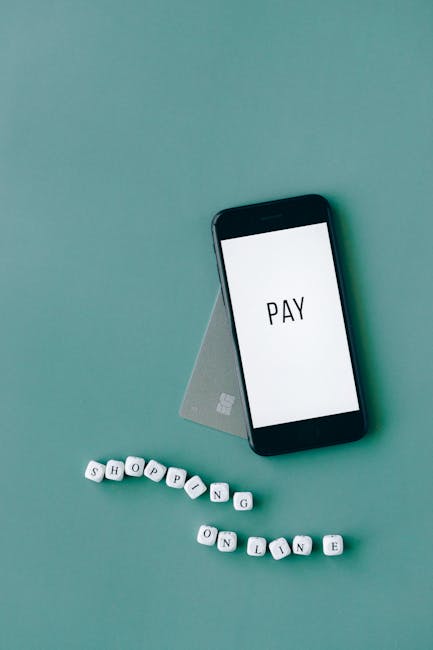
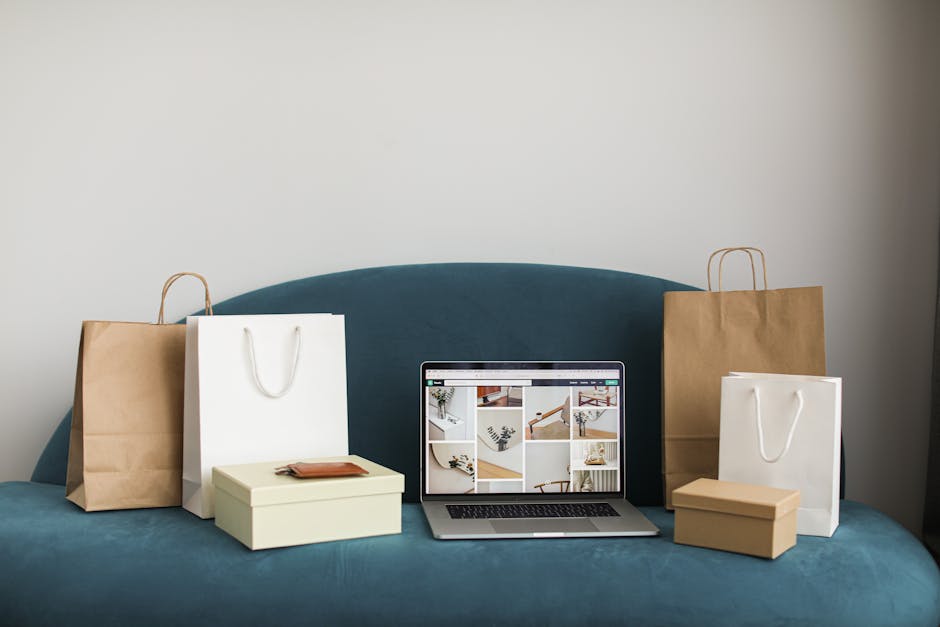
Dropshipping from China remains a viable e-commerce business model in 2026, offering low startup costs and access to millions of products. However, success requires understanding the model’s challenges, choosing reliable suppliers, and implementing effective strategies. This comprehensive guide covers everything you need to know about building a successful dropshipping business with Chinese suppliers.
📌 Key Takeaways
- Startup cost: $500-2,000 to launch a professional dropshipping store
- Profit margins: Typically 15-30% after all costs; higher with private labeling
- Shipping times: 7-21 days standard; faster options available at higher cost
- Best platforms: Shopify, WooCommerce, or specialized dropshipping platforms
- Success factors: Product selection, supplier reliability, and marketing expertise
What is Dropshipping?
Dropshipping Business Model
Dropshipping is a retail fulfillment method where you don’t keep products in stock. When a customer places an order, you purchase the item from a third-party supplier who ships directly to the customer. You never handle the product. Benefits: low startup cost, no inventory risk, wide product selection, and location independence. Challenges: lower margins, less quality control, shipping time concerns, and supplier dependence. Understanding both sides helps you make informed decisions.
Why Dropship from China?
China offers significant advantages for dropshipping. Product variety: millions of products across all categories. Low costs: manufacturing costs are lowest in the world. Supplier availability: established dropshipping infrastructure. Platform integration: AliExpress, CJ Dropshipping, and others offer easy integration. Experience: Chinese suppliers are familiar with dropshipping requirements. The combination of variety, cost, and infrastructure makes China the dominant dropshipping source.
Dropshipping vs Traditional Retail
Compare dropshipping to traditional retail inventory. Traditional retail: buy inventory upfront, store products, handle shipping, higher margins, higher risk. Dropshipping: no inventory purchase, no storage needed, supplier handles shipping, lower margins, lower risk. Dropshipping is ideal for: testing new products, starting with limited capital, and selling a wide variety. Traditional retail is better for: established products, higher volume, and maximum margins. Many businesses start with dropshipping and transition to inventory as they grow.
Getting Started with China Dropshipping
Startup Costs
Dropshipping has low but not zero startup costs. E-commerce platform: $29-79/month (Shopify) or free (WooCommerce). Domain name: $10-15/year. Theme/design: $0-200 one-time. Apps and tools: $50-200/month. Marketing budget: $500-2,000+ to start. Business registration: varies by country. Total to launch professionally: $500-2,000. You can start leaner, but investing in quality setup improves success rates.
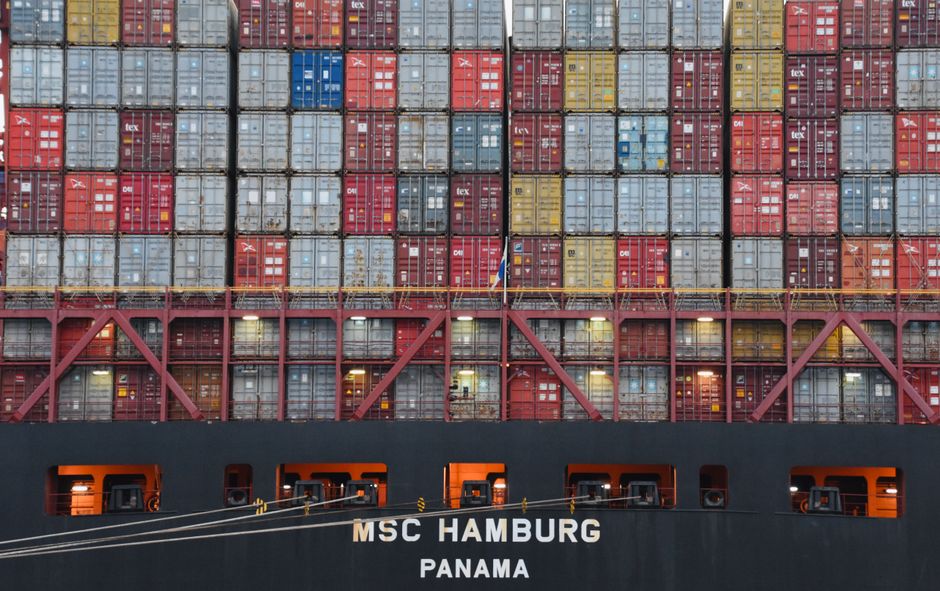
Photo by Jonas F via Pexels
Choosing Your Niche
Niche selection is critical for dropshipping success. Good niche characteristics: passionate audience, products not easily found locally, price point $20-100, reasonable shipping size, and repeat purchase potential. Avoid: saturated niches (phone cases, generic jewelry), heavy/bulky items, fragile products, and regulated products. Research: use tools like Google Trends, Amazon bestsellers, and social media to identify trending niches. A focused niche beats a general store for most beginners.
Platform Selection
Choose your e-commerce platform. Shopify: most popular for dropshipping, easy setup, extensive app ecosystem, $29-299/month. WooCommerce: WordPress-based, more control, lower cost, requires more technical skill. Specialized platforms: Spocket, SaleHoo, Modalyst integrate with multiple platforms. Consider: your technical skills, budget, and growth plans. Shopify is recommended for beginners due to ease of use and dropshipping-specific features.
Finding Dropshipping Suppliers in China
AliExpress
AliExpress is the most popular dropshipping source. Products: millions across all categories. Integration: apps like Oberlo, DSers, and Spocket connect to Shopify. Pros: easy to start, no minimum order, buyer protection. Cons: variable quality, long shipping (15-30 days), communication challenges. Best for: beginners testing products, low-volume sellers. Use ePacket shipping for faster delivery when available.
CJ Dropshipping
CJ Dropshipping is a popular AliExpress alternative. Products: sourced from AliExpress and other platforms. Pros: faster shipping options, better quality control, US warehouses for some products, video sourcing. Cons: smaller product selection than AliExpress, account approval required. Best for: sellers wanting faster shipping and better service. CJ offers competitive pricing and dedicated support.
1688 and Taobao
1688 and Taobao are Chinese domestic platforms with lower prices. Products: extensive selection at wholesale prices. Pros: lowest prices, direct from manufacturers. Cons: Chinese language only, no direct international shipping, requires agent. Best for: higher volume sellers, those with Chinese language skills or agents. Use a sourcing agent to access these platforms for dropshipping.
Supplier Comparison
| Platform | Product Range | Shipping | Best For |
|---|---|---|---|
| AliExpress | Millions | 15-30 days | Beginners, testing |
| CJ Dropshipping | Thousands | 7-14 days | Faster shipping needed |
| 1688 (via agent) | Millions | 10-20 days | Higher margins |
| Private Suppliers | Custom | 7-14 days | Scaling businesses |
Product Selection Strategies
Winning Product Criteria
Identify winning products with these criteria. Problem-solving: products that solve specific problems. Wow factor: items that impress on social media. Not easily found locally: unique or hard-to-find items. Good margins: at least 2-3x markup potential. Reasonable shipping: under 500g for affordable shipping. Quality: good reviews and ratings from supplier. Avoid: branded products (counterfeit risk), heavy items, fragile products, and seasonal items (unless planned).
Product Research Tools
Use tools to find winning products. Ad libraries: Facebook Ad Library, TikTok Creative Center show trending ads. Product research tools: Sell The Trend, Niche Scraper, Ecomhunt identify trending products. Amazon bestsellers: shows what’s selling on the largest marketplace. Social media: TikTok, Instagram, Pinterest for trending products. Competitor analysis: see what successful stores are selling. Combine multiple research methods for best results.
Testing Products
Test products before scaling. Order samples: check quality and shipping time yourself. Start with small ad budget: $20-50 per product test. Monitor metrics: click-through rate, conversion rate, cost per purchase. Decision criteria: positive ROI after 3-5 days of testing. Scale winners: increase budget on profitable products. Cut losers: don’t chase bad products. Most products won’t be winners—accept this and move on quickly.
Shipping and Delivery
Shipping Options from China
Shipping options vary by speed and cost. China Post/ePacket: 15-30 days, lowest cost, limited to certain countries. AliExpress Standard Shipping: 15-25 days, moderate cost, tracking included. YunExpress/SF Express: 10-20 days, moderate cost, better tracking. DHL/FedEx Express: 3-7 days, high cost, for premium products. Private lines: 7-15 days, arranged by suppliers like CJ. Choose based on customer expectations and product price point.
Managing Customer Expectations
Be transparent about shipping times. State shipping times clearly on product pages. Send order confirmation with expected delivery. Provide tracking information promptly. Consider offering faster shipping options at premium. Follow up with customers during delivery. Proactive communication reduces complaints and chargebacks. Some customers will complain regardless—have policies in place.
Shipping Time Impact on Business
Shipping time affects your business significantly. Customer satisfaction: longer shipping = more complaints. Repeat purchases: poor experience = no reorders. Payment processors: high dispute rates risk account. Advertising: longer shipping complicates retargeting. Competitive disadvantage: Amazon Prime has trained customers to expect fast delivery. Mitigate with: clear communication, quality products, and excellent customer service.
Marketing Your Dropshipping Store
Facebook Advertising
Facebook remains a primary dropshipping marketing channel. Ad types: video ads perform best for products. Targeting: interest-based, lookalike audiences, retargeting. Budget: start with $20-50/day for testing. Creative: show product in use, highlight problem/solution. Testing: test multiple creatives and audiences. Optimization: scale winning combinations. Facebook requires learning and optimization—expect to spend money learning.
TikTok Advertising
TikTok is increasingly important for dropshipping. Ad types: in-feed ads, Spark Ads (boosted organic). Advantages: lower costs, viral potential, younger audience. Content style: native, authentic, entertaining. Best products: visually appealing, demonstration-friendly. TikTok can drive massive traffic but requires platform-appropriate content. Consider influencer partnerships for organic reach.
Other Marketing Channels
Expand beyond paid social. Google Shopping: capture search intent. SEO: build organic traffic over time. Email marketing: capture leads, drive repeat purchases. Influencer marketing: leverage influencer audiences. Content marketing: build brand and trust. Affiliate marketing: let others promote for commission. Diversified marketing reduces dependence on any single channel.
Profit Margins and Pricing
Understanding Your Costs
Calculate all costs for accurate pricing. Product cost: wholesale price from supplier. Shipping: often included in product price for dropshipping. Platform fees: Shopify transaction fees, payment processing. Advertising: cost per acquisition. Returns and refunds: factor in 2-5% return rate. Taxes: sales tax, income tax. Tools and apps: monthly subscriptions. Your selling price must cover all costs plus profit.
Typical Margins
Dropshipping margins are typically lower than inventory-based retail. Product margin: 2-3x markup on product cost. After advertising: 15-30% net margin is typical. Higher margins possible with: private labeling, exclusive suppliers, premium positioning, and repeat customers. Lower margins result from: competitive niches, high advertising costs, and price wars. Focus on lifetime customer value, not just per-order margin.
Pricing Strategy
Develop a pricing strategy. Cost-plus: markup on all costs. Competitive: match or beat competitors. Value-based: price based on perceived value. Psychological: $19.99 vs $20. Consider: free shipping (build into price), bundle pricing, and tiered pricing. Test different price points. Higher prices can sometimes increase conversions by signaling quality.
Common Challenges and Solutions
Challenge 1: Long Shipping Times
Solutions: Be transparent about shipping, offer faster options at premium, use suppliers with faster shipping, consider local warehouses for bestsellers.
Challenge 2: Quality Control
Solutions: Order samples before selling, read supplier reviews, use quality-focused suppliers, respond quickly to quality issues.
Challenge 3: Supplier Reliability
Solutions: Use established platforms with buyer protection, have backup suppliers for key products, build relationships with reliable suppliers.
Challenge 4: Low Margins
Solutions: Negotiate better prices at volume, optimize advertising, increase prices strategically, focus on higher-margin products.
Challenge 5: Customer Service
Solutions: Set clear policies, respond promptly, use automation for common questions, consider virtual assistant for scaling.
Scaling Your Dropshipping Business
From Testing to Scaling
Once you find winning products, scale carefully. Increase ad budget gradually (20-30% at a time). Expand to additional audiences and platforms. Add complementary products. Build email list for remarketing. Improve conversion rate optimization. Don’t scale too fast—maintain profitability as you grow.
Transitioning to Inventory
Consider transitioning bestsellers to inventory. Benefits: lower costs, faster shipping, quality control, higher margins. Process: order in bulk, use fulfillment center, ship from local warehouse. When to transition: consistent sales volume, proven product, sufficient capital. Many successful dropshippers eventually move to hybrid or inventory models.
Building a Brand
Long-term success requires brand building. Create a brand identity beyond products. Develop unique value proposition. Build customer relationships. Encourage reviews and user-generated content. Create branded content. A branded store commands higher prices and customer loyalty than a generic dropshipping store.
Conclusion
Dropshipping from China in 2026 remains viable with proper strategy and execution. This guide covered: the dropshipping model and its pros and cons, startup costs and platform selection, finding reliable suppliers on AliExpress, CJ, and other platforms, product selection and testing strategies, shipping options and managing customer expectations, marketing through Facebook, TikTok, and other channels, and profit margins and pricing strategies. The key success factors: choose a focused niche with passionate buyers, select reliable suppliers with reasonable shipping times, test products quickly and scale winners, be transparent about shipping times with customers, invest in marketing and learn to optimize, and focus on customer experience for repeat business. Dropshipping is not a get-rich-quick scheme—it’s a business that requires learning, testing, and persistence. Those who approach it professionally, test rigorously, and optimize continuously can build profitable e-commerce businesses. Start with realistic expectations, invest in learning, and commit to the process.
Need Help with Dropshipping from China?
Top China Sourcing can help you find reliable suppliers, negotiate better prices, and manage quality control for your dropshipping business. We help you build a sustainable e-commerce operation. Contact us today to discuss your dropshipping needs.
Last updated: April 30, 2026 | Dropshipping Guide by TCS Editorial Team
Sources
- Shopify E-commerce Trends Report 2026
- AliExpress Dropshipping Statistics
- eMarketer Global E-commerce Forecast
- TCS Dropshipping Supplier Database 2026
- Facebook/Meta Advertising Benchmarks