Introduction to China Trade Shows 2026
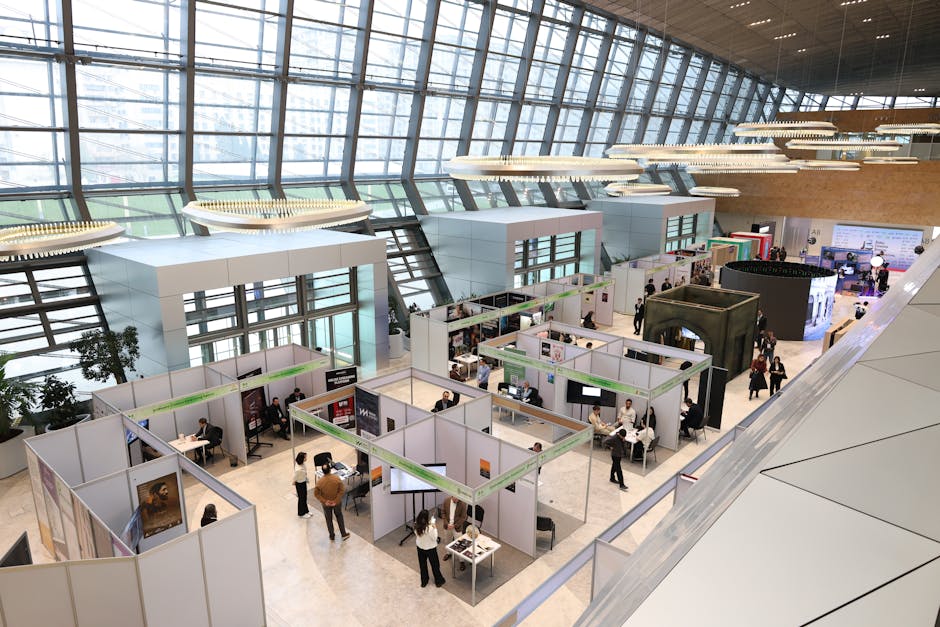
China remains the world’s manufacturing powerhouse, and trade shows in 2026 continue to serve as essential gateways for businesses seeking reliable suppliers and competitive sourcing opportunities. The Canton Fair, officially known as the China Import and Export Fair, stands as the largest and most influential trade exhibition globally, attracting over 200,000 buyers from more than 200 countries each session. For businesses engaged in international trade, understanding the landscape of China trade shows is crucial for building successful supply chain relationships and staying competitive in today’s dynamic marketplace.
Trade shows offer unparalleled advantages over online sourcing platforms like Alibaba, providing face-to-face interaction with manufacturers, hands-on product inspection, and immediate negotiation opportunities. In 2026, the post-pandemic recovery has fully stabilized, with exhibitor numbers returning to pre-2020 levels and new sectors emerging in green technology, smart manufacturing, and cross-border e-commerce solutions. Companies like Tesla have increasingly participated in Chinese trade events, signaling the growing importance of the Chinese market for both sourcing and sales.
This comprehensive guide covers everything you need to know about navigating China’s major trade shows in 2026, from the iconic Canton Fair to specialized industry exhibitions. Whether you’re an Amazon FBA seller, a retail buyer, or an established importer, understanding these events will help you make informed decisions about your sourcing strategy and maximize your return on investment.
The Canton Fair: China’s Premier Sourcing Event
Overview and History of the Canton Fair
Established in 1957, the Canton Fair has grown from a modest exhibition with 1,200 exhibitors to a massive trade event spanning over 1.2 million square meters of exhibition space. Held biannually in Guangzhou, the fair is organized by the China Foreign Trade Centre and operates in three distinct phases, each focusing on different product categories. The 2026 spring session is expected to host approximately 25,000 exhibitors showcasing products ranging from electronics and household appliances to textiles and medical devices.
Three Phases of the Canton Fair
Phase One, typically held in mid-April, focuses on electronics, household electrical appliances, lighting equipment, and vehicles. This phase attracts technology-focused buyers and those seeking innovative consumer electronics. Phase Two, occurring in late April, covers consumer goods, gifts, and home decorations, making it ideal for Amazon FBA sellers and retail buyers. Phase Three, scheduled for early May, features textiles, clothing, shoes, and medical products, drawing fashion industry professionals and healthcare product distributors.
Registration and Entry Requirements
International buyers must register online through the official Canton Fair website or obtain buyer badges through authorized partners. Registration fees typically range from $100-300 depending on the registration method and timing. Early registration is strongly recommended, as on-site registration can involve long queues and higher fees. Buyers should bring valid passports and business cards, and many find it helpful to prepare a company introduction letter in both English and Chinese.
Maximizing Your Canton Fair Experience
Preparation is key to a successful Canton Fair visit. Research exhibitors in advance using the official fair directory, schedule appointments with priority suppliers, and prepare detailed product specifications. Budget approximately $2,000-5,000 for a typical five-day visit, including accommodation, meals, local transportation, and incidental expenses. Many experienced buyers recommend hiring a local translator or working with a China sourcing agent to navigate language barriers and cultural differences effectively.
Major Industry-Specific Trade Shows in 2026
Electronics and Technology Exhibitions
The Consumer Electronics Show China (CES Asia) and Global Sources Electronics continue to dominate the electronics sourcing landscape. These events showcase cutting-edge technology including smart home devices, wearable electronics, and IoT solutions. Major manufacturers use these platforms to launch new products, making them essential for buyers seeking the latest innovations. Electronics shows typically attract 50,000-80,000 visitors and feature dedicated zones for emerging technologies like artificial intelligence and 5G applications.
Textile and Apparel Trade Fairs
Intertextile Shanghai and the Canton Fair’s third phase remain the primary destinations for textile and apparel sourcing. These events cover the entire supply chain from raw materials to finished garments, with particular emphasis on sustainable and eco-friendly fabrics. The 2026 editions are expected to feature expanded sections on recycled materials and ethical manufacturing practices, reflecting growing consumer demand for sustainable fashion. Buyers can expect lead times of 45-90 days for custom textile orders, depending on complexity and quantity.
Home and Houseware Exhibitions
The China International Furniture Fair (CIFF) and Canton Fair Phase Two provide comprehensive coverage of home products. From furniture and home decor to kitchenware and bathroom fixtures, these shows offer thousands of options for retail buyers. Quality control is particularly important in this sector, and many buyers engage third-party inspection services like QIMA or SGS to ensure product standards are met before shipment. Home product shows typically see 30-50% of exhibitors offering OEM/ODM services.
Machinery and Industrial Equipment Shows
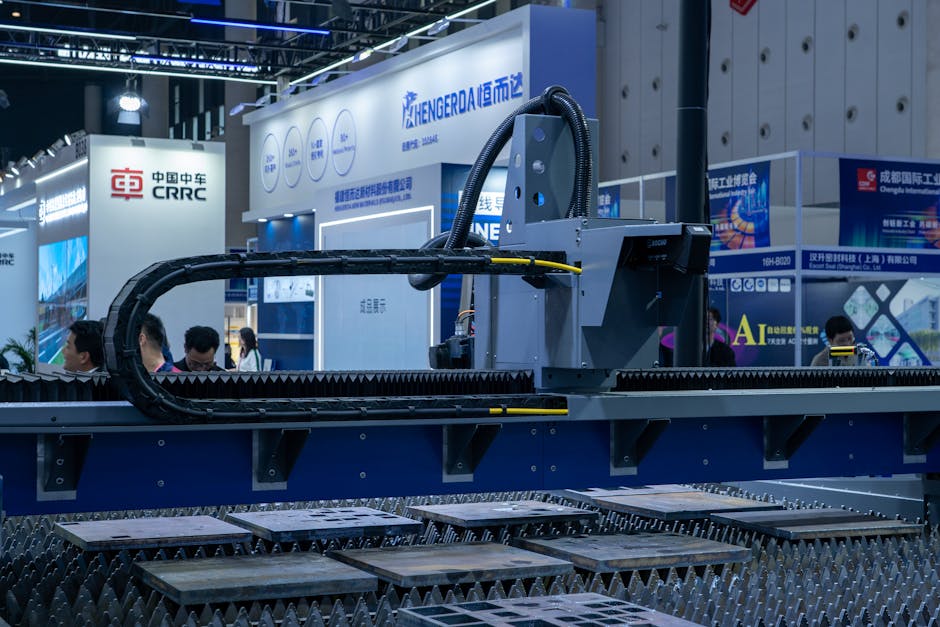
CIMT (China International Machine Tool Show) and ProPak China serve industrial buyers seeking manufacturing equipment and packaging solutions. These specialized exhibitions attract serious buyers with larger budgets, with machinery investments often ranging from $10,000 to several million dollars. The shows feature live demonstrations and technical seminars, providing valuable opportunities to assess equipment capabilities and negotiate directly with manufacturers.
Preparing for Your Trade Show Visit
Pre-Show Research and Planning
Effective preparation begins 2-3 months before the trade show. Start by reviewing exhibitor lists and floor plans available on official show websites. Identify must-visit suppliers and schedule appointments in advance, as top exhibitors often have packed schedules during the fair. Create a detailed product specification sheet including materials, dimensions, packaging requirements, and target prices. This preparation demonstrates professionalism and helps suppliers provide accurate quotations quickly.
Budgeting and Financial Planning
A typical trade show visit to China costs between $2,000-5,000 for a solo buyer, covering flights, accommodation, meals, and local transportation. Major cities like Guangzhou and Shanghai offer accommodation options ranging from budget hotels at $50-80 per night to luxury properties at $150-300 per night. Factor in costs for samples, which typically range from $50-500 depending on product complexity, and consider budgeting for a quality control inspection service if you plan to place orders during the show.
Essential Documents and Materials
Bring multiple copies of your business card, as exchanging cards is an important business ritual in China. Prepare a company brochure or presentation in both English and Chinese to facilitate communication. Carry product samples or photos of items you’re looking to source, along with technical specifications and packaging requirements. A letter of introduction from your company, preferably translated into Chinese, helps establish credibility with new suppliers.
Cultural Preparation and Business Etiquette
Understanding Chinese business culture significantly improves your trade show experience. Punctuality is highly valued, so arrive on time for scheduled appointments. Business relationships (guanxi) are fundamental to successful partnerships in China, so invest time in building rapport with potential suppliers. Gift-giving is common but should be modest and culturally appropriate. Learning basic Mandarin phrases demonstrates respect and helps break the ice with exhibitors.
Navigating Trade Show Negotiations
Understanding Pricing and MOQs
Trade shows offer unique opportunities for price negotiation, but understanding the factors that influence pricing is essential. Minimum Order Quantities (MOQs) typically range from 100-1,000 units depending on the product and supplier. Larger orders often command 30-50% discounts compared to smaller quantities. Be prepared to discuss annual volume commitments, as many suppliers offer better pricing for long-term partnerships. Remember that the quoted price is usually a starting point, and negotiation is expected.
Negotiation Strategies for Success
Successful negotiation at Chinese trade shows requires patience, preparation, and cultural sensitivity. Start by expressing genuine interest in the supplier’s products and capabilities before discussing price. Request detailed quotations including FOB pricing, lead times, and payment terms. Compare quotes from multiple suppliers to establish a market benchmark. Don’t focus solely on price—consider factors like quality, reliability, and communication responsiveness. Many experienced buyers aim for 10-20% reduction from initial quotes through respectful negotiation.
Sample Orders and Quality Verification
Always request samples before committing to large orders, even when meeting suppliers face-to-face at trade shows. Sample production typically takes 7-14 days, and costs range from $50-500 depending on product complexity. Use this opportunity to evaluate the supplier’s communication, attention to detail, and ability to meet specifications. For critical orders, engage third-party inspection companies like Intertek or SGS to verify sample quality before proceeding with bulk production.
Building Long-Term Supplier Relationships
Trade shows are excellent venues for initiating supplier relationships, but maintaining them requires ongoing effort. After the show, follow up promptly with suppliers you’re interested in working with. Provide clear feedback on samples and quotations. Consider visiting supplier factories to assess production capabilities and quality control processes. Many successful importers develop relationships with 3-5 reliable suppliers per product category, providing flexibility and backup options for their supply chain.
Post-Show Follow-Up and Order Management
Organizing Trade Show Contacts
Effective follow-up begins with organized note-taking during the show. Record key details about each supplier, including product range, pricing, MOQs, and any special terms discussed. Take photos of products, business cards, and booth displays to help remember specific suppliers. Within one week of the show, send personalized follow-up emails to priority suppliers, referencing specific discussions and requesting formal quotations for items of interest.
Sample Evaluation and Supplier Selection
Request samples from your shortlisted suppliers, specifying exact requirements including materials, colors, packaging, and any custom features. Evaluate samples against your specifications and provide detailed feedback to suppliers. This process typically takes 2-4 weeks and may involve multiple rounds of sampling. Use this period to assess supplier responsiveness and problem-solving capabilities, which are indicators of future partnership quality.
Quality Control and Inspection Planning
Implementing robust quality control measures is essential for successful importing. Engage third-party inspection services early in the process, ideally before production begins. Companies like QIMA and SGS offer comprehensive inspection services including factory audits, during-production inspections, and pre-shipment inspections. Inspection costs typically range from $200-400 per man-day, a worthwhile investment considering the potential costs of defective products. For detailed guidance on quality assurance, refer to our comprehensive Amazon FBA sourcing guide.
Managing Production and Shipping
Once orders are confirmed, maintain regular communication with suppliers throughout the production process. Typical production lead times range from 30-60 days depending on product complexity and order quantity. Factor in additional time for quality inspections and any necessary rework. Shipping options include air freight (7-14 days, higher cost) and sea freight (25-45 days, more economical for larger shipments). Work with experienced freight forwarders to navigate customs clearance and documentation requirements.
Alternative Sourcing Channels and Digital Trade Shows
Online B2B Platforms and Virtual Exhibitions
The rise of digital trade platforms has created alternative sourcing channels that complement traditional trade shows. Alibaba’s Virtual Trade Shows and Global Sources Online provide year-round access to supplier directories and product catalogs. While these platforms lack the face-to-face interaction of physical shows, they offer convenience and accessibility for preliminary supplier research. Many buyers use online platforms to identify potential suppliers before meeting them at trade shows.
Hybrid Trade Show Models
Post-pandemic, many trade shows have adopted hybrid formats combining physical exhibitions with virtual components. The Canton Fair and other major events now offer online matching services, live streaming of product demonstrations, and virtual booth tours. These hybrid models allow buyers who cannot attend in person to still participate in trade shows and connect with suppliers. However, for serious buyers placing significant orders, in-person attendance remains the preferred approach.
Working with Sourcing Agents and Trading Companies
For businesses without the resources to attend trade shows personally, sourcing agents and trading companies offer valuable alternatives. These intermediaries have established relationships with manufacturers and can handle supplier identification, negotiation, quality control, and logistics. Fees typically range from 3-10% of order value, but the expertise and time savings often justify the cost. Choose agents with relevant industry experience and verify their track record before engagement.
Tips for Amazon FBA Sellers and E-commerce Businesses
Product Selection and Market Research
Amazon FBA sellers should approach trade shows with clear product selection criteria based on thorough market research. Use tools like Jungle Scout or Helium 10 to identify high-demand, low-competition product opportunities before attending shows. Focus on products with healthy profit margins (30-50% after all costs) and manageable competition. Trade shows are excellent for discovering new product ideas and variations that haven’t yet saturated the Amazon marketplace.
Private Label and Branding Opportunities
Trade shows offer significant opportunities for private label product development. Many exhibitors specialize in OEM/ODM services and can customize products with your branding. Discuss packaging design, logo placement, and custom features during your meetings. Private labeling typically requires higher MOQs (500-2,000 units) but provides better margins and brand protection. Allow 60-90 days for private label product development including sampling, production, and shipping.
Compliance and Certification Requirements
E-commerce sellers must ensure products meet all relevant safety standards and certification requirements for their target markets. Discuss certifications (CE, FCC, UL, etc.) with suppliers at trade shows and request documentation. Many exhibitors at major shows already have experience exporting to Western markets and understand compliance requirements. Factor certification costs ($500-5,000 depending on product and market) into your product costing calculations.
Logistics and Inventory Planning
Plan your inventory strategy carefully when sourcing from trade shows. Consider seasonal demand patterns, lead times, and storage costs when determining order quantities. Amazon FBA sellers should coordinate shipments with inventory placement requirements and factor in FBA fees when calculating profitability. Many successful sellers maintain 60-90 days of inventory to buffer against supply chain disruptions and seasonal demand fluctuations.
Conclusion: Maximizing Your China Trade Show Success
China trade shows in 2026 continue to offer unparalleled opportunities for businesses seeking reliable suppliers and competitive sourcing solutions. The Canton Fair remains the flagship event, while specialized industry exhibitions provide focused platforms for specific product categories. Success at these events requires thorough preparation, cultural awareness, and strategic follow-up. Whether you’re an experienced importer or new to international sourcing, the investment in attending these shows can yield significant returns through better supplier relationships, improved product quality, and competitive pricing.
The landscape of international trade continues to evolve, with digital platforms complementing traditional trade shows and hybrid models emerging as permanent features. However, the fundamental value of face-to-face interaction, hands-on product evaluation, and personal relationship building ensures that physical trade shows remain essential components of successful sourcing strategies. By following the guidelines in this comprehensive guide, you’ll be well-equipped to navigate China’s trade show landscape and build a robust, reliable supply chain for your business.
Partner with topchinasourcing.com – contact us at https://topchinasourcing.com/contact/