
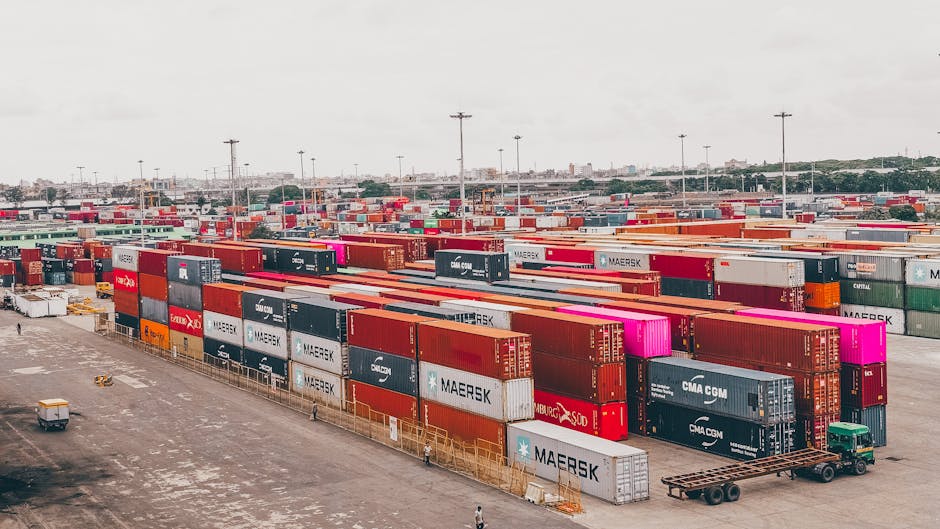
China to US Sourcing: 2026 Import Guide
Importing products from China to the United States remains one of the most cost-effective sourcing strategies for American businesses. In 2026, understanding US import regulations, tariff structures, and compliance requirements is essential for successful China-US trade operations.
Key Takeaways
- US imports from China exceeded $500 billion in 2025, with electronics, machinery, and consumer goods leading categories
- Tariff rates vary from 0% to 25%+ depending on product classification and trade policies
- Key compliance requirements include FDA, CPSC, FCC, and FTC regulations based on product type
- Import process typically takes 20-40 days from China port to US destination
- Working with licensed customs brokers simplifies compliance and clearance
Import Process Overview
Step-by-Step Import Workflow
- Supplier Selection: Identify and qualify Chinese supplier
- Order Placement: Define specifications, pricing, and delivery terms
- Production: Supplier manufactures products per specifications
- Quality Control: Pre-shipment inspection before export
- Documentation: Prepare commercial invoice, packing list, bill of lading
- Export from China: Chinese customs clearance and loading
- Ocean Transit: 15-25 days to US West Coast, 25-35 days to East Coast
- US Customs Clearance: Entry filing, duty payment, inspection if required
- Inland Transportation: Delivery to final destination
Timeline
| Stage | Duration | Notes |
|---|---|---|
| Production | 15-45 days | Depends on product complexity |
| China Export | 2-5 days | Customs clearance and loading |
| Ocean Freight (West Coast) | 15-25 days | Los Angeles, Long Beach, Oakland |
| Ocean Freight (East Coast) | 25-35 days | New York, Savannah, Charleston |
| US Customs | 2-7 days | Entry processing, possible exam |
| Inland Delivery | 3-10 days | Depends on destination |
Tariffs and Duties
Understanding US Tariff Structure
US tariffs are based on Harmonized Tariff Schedule (HTS) classification:
- HTS Code: 10-digit classification determining duty rate
- MFN Rate: Normal trade relations duty rate (most products)
- Section 301 Tariffs: Additional duties on many Chinese products (0-25%)
- Section 232 Tariffs: Steel and aluminum products (25% additional)
Common Product Tariff Rates
| Product Category | Base MFN Rate | Section 301 | Total Rate |
|---|---|---|---|
| Electronics (most) | 0% | 0-25% | 0-25% |
| Textiles/Apparel | 5-20% | 7.5-25% | 12.5-45% |
| Furniture | 0-5% | 0-25% | 0-30% |
| Toys | 0% | 0% | 0% |
| Auto Parts | 2.5-8% | 25% | 27.5-33% |
Tariff Mitigation Strategies
- First Sale Valuation: Use lower intermediate sale price for duty calculation
- Tariff Engineering: Modify product design to qualify for lower duty classification
- Foreign Trade Zones: Defer or reduce duties through FTZ use
- Duty Drawback: Recover duties on exported or destroyed goods
Regulatory Compliance
Key US Regulatory Agencies
| Agency | Products | Requirements |
|---|---|---|
| FDA | Food, drugs, medical devices, cosmetics | Registration, testing, labeling |
| CPSC | Consumer products, children’s products | Testing, certification, tracking labels |
| FCC | Electronics with RF emissions | Testing, FCC ID, compliance declaration |
| FTC | All consumer products | Labeling, advertising, country of origin |
| EPA | Chemicals, pesticides, vehicles | Registration, testing, labeling |
Country of Origin Marking
Required for most imported products:
- Marking: “Made in China” in English, legible, conspicuous, permanent
- Location: On product or immediate container
- Exceptions: Some products exempt (e.g., crude materials, items for further processing)
- Penalties: 10% duty markup, delays, seizures for non-compliance
Import Documentation
Required Documents
- Commercial Invoice: Value, description, quantity, terms of sale
- Packing List: Detailed contents, weights, dimensions
- Bill of Lading: Shipping contract, routing, parties
- Entry Summary (CBP Form 7501): Duty calculation, classification
- Certificate of Origin: For preferential duty programs if applicable
Additional Documents (Product-Specific)
- FDA Prior Notice: For food products
- FCC Declaration: For electronics
- CPSC Certificate: For children’s products and regulated consumer products
- Test Reports: Supporting compliance claims
Working with Customs Brokers
Why Use a Customs Broker?
- Expertise: Classification, valuation, compliance knowledge
- Efficiency: Faster clearance, reduced delays
- Compliance: Ensure regulatory requirements met
- Convenience: Handle paperwork and CBP interactions
Broker Services
- Entry Filing: Submit customs entries electronically
- Duty Payment: Calculate and remit duties
- Classification: Determine correct HTS codes
- Compliance Review: Verify regulatory requirements
- Problem Resolution: Handle exams, holds, protests
Broker Costs
- Entry Fee: $100-300 per entry
- Additional Line Items: $5-15 per additional HTS line
- Duty Drawback: Percentage of recovered duties
- Monthly Retainer: $200-1,000 for regular importers
Shipping Options
Ocean Freight
| Container Type | Cost Range | Transit Time | Best For |
|---|---|---|---|
| 20ft FCL (West Coast) | $2,000-4,000 | 15-25 days | Medium volume |
| 40ft FCL (West Coast) | $3,500-6,000 | 15-25 days | Large volume |
| LCL (per CBM) | $50-150 | 20-30 days | Small volume |
Air Freight
- Cost: $4-8 per kg
- Transit: 5-10 days including clearance
- Best For: Urgent, high-value, or lightweight goods
Common Challenges
Myth: Importing from China Is Too Complicated
Reality: While importing involves multiple steps, experienced customs brokers, freight forwarders, and sourcing agents simplify the process. Many businesses successfully import without in-house expertise by leveraging service providers. The cost savings typically far outweigh the complexity.
Common challenges and solutions:
- Customs Delays: Ensure complete documentation, work with experienced broker
- Tariff Changes: Monitor trade policy, build tariff costs into pricing
- Compliance Issues: Understand product requirements, test before shipping
- Quality Problems: Implement pre-shipment inspection, clear specifications
Total Landed Cost Calculation
Cost Components
- Product Cost (FOB): Factory price
- Ocean Freight: Shipping cost
- Insurance: 0.5-1% of cargo value
- Import Duties: Based on HTS classification
- MPF: Merchandise Processing Fee (0.3464%, min $31.67, max $614.35)
- HMF: Harbor Maintenance Fee (0.125% for ocean shipments)
- Broker Fees: Entry and handling fees
- Inland Transportation: Delivery to final destination
Conclusion
Importing from China to the US offers significant cost advantages despite tariff and compliance requirements. Success requires understanding the import process, tariff structure, and regulatory compliance, while working with experienced service providers.
Key success factors include proper HTS classification, complete documentation, regulatory compliance, and accurate landed cost calculations. With proper planning and execution, China-US sourcing can significantly enhance competitiveness.