
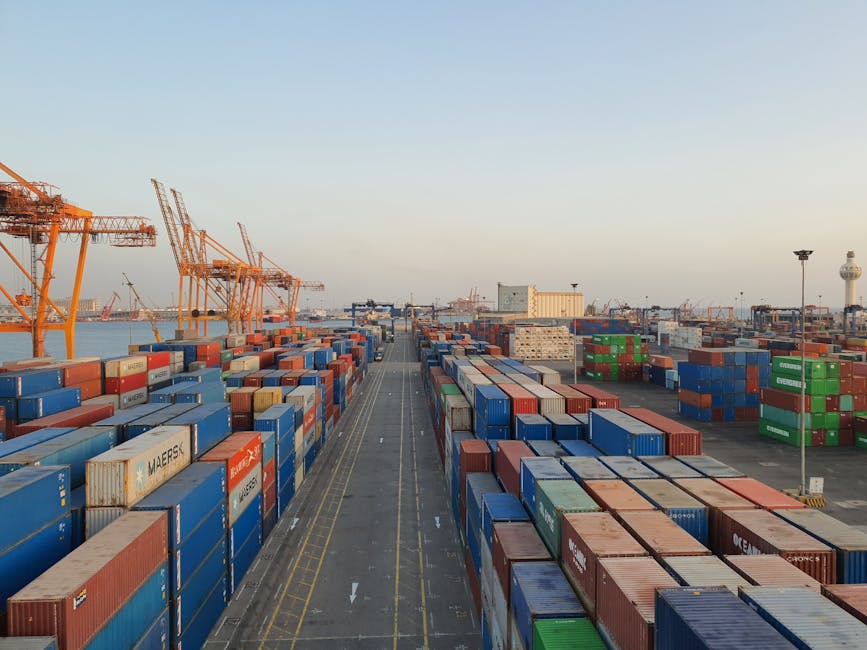
Understanding shipping times from China to the US is essential for inventory planning, customer expectations, and business operations. When considering shipping from China, Transit times vary dramatically by shipping method—from 3 days for express to 50+ days for sea freight. This 2026 guide provides comprehensive shipping time information for all methods from China to US, helping you plan your supply chain effectively.
📌 Key Takeaways
- Express shipping: 3-7 days door-to-door (DHL, FedEx, UPS)
- Air freight: 5-10 days including customs clearance
- Sea freight to West Coast: 25-35 days port-to-port, 35-45 days door-to-door
- Sea freight to East Coast: 35-50 days port-to-port, 45-60 days door-to-door
- Planning tip: Add 7-14 days buffer for customs, delays, and unexpected issues
Shipping Time Overview
Why Shipping Time Matters
Shipping time affects multiple aspects of your business. When considering China shipping, Inventory planning: you must order far enough in advance to avoid stockouts. Cash flow: goods in transit tie up capital for the shipping duration. Customer expectations: delivery times affect customer satisfaction. Competitive advantage: faster shipping can differentiate your business. Understanding accurate shipping times enables better planning and prevents costly surprises. Always plan for worst-case scenarios, not best-case.
Factors Affecting Shipping Time
Multiple factors influence actual shipping time. When considering freight, Shipping method: the primary determinant of transit time. Origin location: which Chinese port or airport. Destination: West Coast is faster than East Coast. Customs clearance: varies by port and shipment. Season: peak seasons have longer times. Carrier schedule: vessel and flight availability. Port congestion: can add days or weeks. Weather and disruptions: typhoons, strikes, etc. The quoted transit time is typically best-case—add buffer for reality.
Express Shipping Times
DHL from China to US
DHL Express offers the fastest reliable shipping from China. Transit time: 3-5 business days to major US cities, 5-7 days to remote areas. Process: pickup in China (1 day), international transit (2-3 days), customs clearance (0.5-1 day), final delivery (0.5-1 day). DHL handles customs clearance, simplifying the process. Tracking is comprehensive with updates at each stage. Cost: $6-12 per kg for commercial shipments. DHL is ideal for urgent shipments, samples, and high-value products requiring fast delivery.
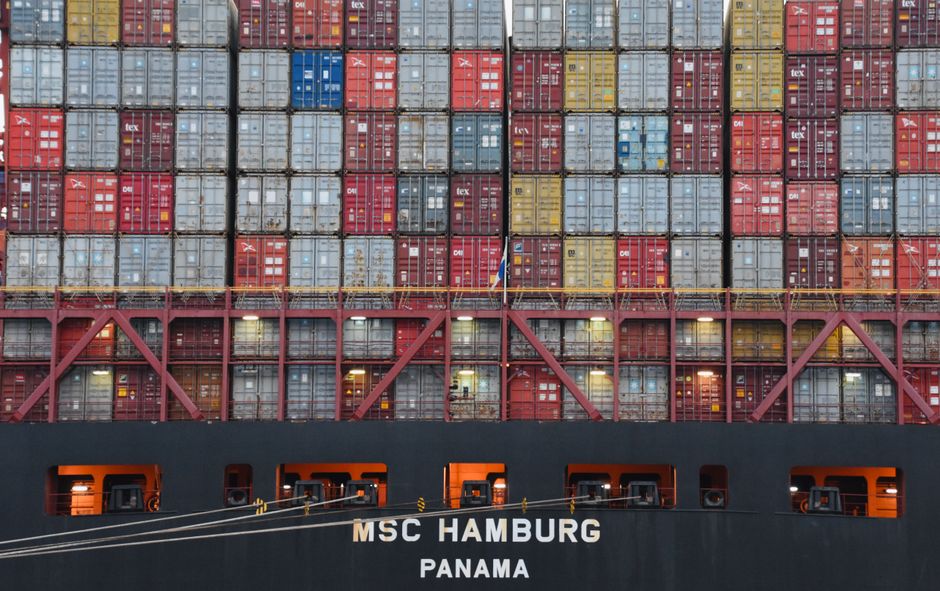
Photo by Jonas F via Pexels
FedEx from China to US
FedEx offers competitive express shipping. When considering shipping from China, Services: FedEx International Priority (3-5 days), FedEx International Economy (5-7 days). Transit times similar to DHL for comparable services. FedEx has strong US network for final delivery. Cost: $6-12 per kg, competitive with DHL. FedEx is particularly strong for shipments to US destinations. Choose between DHL and FedEx based on specific route pricing and your account representative relationship.
UPS from China to US
UPS provides express shipping with reliable transit times. When considering China shipping, Services: UPS Worldwide Express (3-5 days), UPS Worldwide Expedited (5-7 days). UPS has extensive US ground network for final delivery. Transit times comparable to DHL and FedEx. Cost: $6-12 per kg. UPS is strong for business-to-business shipments. All three major express carriers (DHL, FedEx, UPS) offer similar transit times—choose based on pricing and service for your specific routes.
Air Freight Times
Standard Air Freight
Air freight is slower than express but more economical for larger shipments. When considering freight, Transit time breakdown: cargo delivery to airport (1-2 days), export customs clearance (1 day), flight time (1-2 days), import customs clearance (1-2 days), delivery to destination (1-2 days). Total: 5-10 days door-to-door. Air freight uses commercial passenger aircraft belly cargo or dedicated cargo aircraft. Transit time varies by flight availability and routing. Direct flights are faster than connecting flights.
Air Freight Routes
Major air freight routes from China to US: Shanghai (PVG) to Los Angeles (LAX): 1-2 days flight time, 5-8 days total. When considering shipping from China, Shanghai to New York (JFK): 2-3 days flight time, 6-10 days total. Hong Kong (HKG) to Los Angeles: 1-2 days flight time, 5-8 days total. Hong Kong to New York: 2-3 days flight time, 6-10 days total. Shenzhen (SZX) to Los Angeles: 1-2 days flight time, 5-8 days total. Direct flights are faster; connecting flights add 1-2 days.
Air Freight vs Express Time
Express shipping is faster than air freight by 2-5 days. When considering China shipping, Why: express carriers have priority handling, streamlined customs processes, and integrated door-to-door service. Air freight requires separate arrangements for pickup, customs, and delivery. However, air freight is 30-50% cheaper than express for shipments over 100kg. For shipments under 100kg, express is often simpler and similarly priced. Choose express for speed and convenience; choose air freight for cost savings on larger shipments.
Sea Freight Times
Sea Freight to US West Coast
Sea freight to West Coast ports is the fastest ocean shipping option. When considering freight, Major ports: Los Angeles, Long Beach, Oakland, Seattle. Transit times: Shanghai to Los Angeles: 14-18 days sailing time. Shenzhen to Los Angeles: 15-20 days sailing time. Ningbo to Long Beach: 14-18 days sailing time. Add 7-14 days for: loading at origin, unloading at destination, customs clearance, and inland transportation. Total door-to-door: 25-35 days to West Coast destinations. West Coast shipping is faster but may require inland transportation to East Coast customers.
Sea Freight to US East Coast
East Coast shipping takes longer due to distance. When considering shipping from China, Routes: via Panama Canal (most common), via Suez Canal (longer but sometimes used). Transit times: Shanghai to New York: 30-35 days sailing time. Shanghai to Savannah: 28-33 days sailing time. Shenzhen to New York: 32-38 days sailing time. Add 7-14 days for port processing and customs. Total door-to-door: 40-55 days to East Coast destinations. East Coast shipping is slower but delivers directly to East Coast population centers.
Sea Freight Transit Time Table
| Origin Port | Destination Port | Sailing Time | Door-to-Door |
|---|---|---|---|
| Shanghai | Los Angeles | 14-18 days | 25-35 days |
| Shanghai | Long Beach | 14-18 days | 25-35 days |
| Shanghai | New York | 30-35 days | 40-55 days |
| Shanghai | Savannah | 28-33 days | 38-52 days |
| Shenzhen | Los Angeles | 15-20 days | 28-38 days |
| Shenzhen | New York | 32-38 days | 45-60 days |
| Ningbo | Long Beach | 14-18 days | 25-35 days |
Factors That Delay Shipping
Port Congestion
Port congestion can add days or weeks to shipping time. Causes: high cargo volumes, labor shortages, equipment shortages, and inefficient port operations. Most affected US ports: Los Angeles/Long Beach (historically congested), New York/New Jersey (periodic congestion), Oakland (smaller capacity). Congestion is worst during peak seasons (pre-Christmas, pre-Chinese New Year). Check current port conditions before shipping. Some importers route to less congested ports even if farther from final destination.
Customs Clearance Delays
Customs clearance typically takes 1-5 days but can take longer. Causes of delays: documentation errors, missing information, regulatory holds, random inspections, and high-value shipments requiring verification. Avoid delays by: ensuring complete accurate documentation, using a customs broker, and responding quickly to customs inquiries. Peak seasons (holiday periods) have longer customs times. Factor customs time into your planning—don’t assume instant clearance.
Seasonal Variations
Shipping times vary by season. Peak seasons (longer times): August-October (pre-Christmas rush), January-February (pre-Chinese New Year). Off-peak seasons (shorter times): March-May, November-December. Chinese New Year impact: factories close 2-4 weeks, shipping before and after is congested. Plan around these seasonal patterns. Order earlier for peak season deliveries. Consider building inventory before Chinese New Year to cover factory closure.
Weather and Disruptions
Natural events can disrupt shipping. Typhoons: common in Pacific during summer-fall, can delay vessels. Hurricanes: affect US ports, particularly Gulf and East Coast. Winter storms: affect northern ports. Labor disputes: port strikes can halt operations for days or weeks. Geopolitical events: can affect shipping routes. These events are unpredictable—build buffer time into your planning. Monitor shipping news for potential disruptions.
Planning Your Shipments
Lead Time Calculation
Calculate total lead time for accurate planning. Components: production time (typically 15-45 days), shipping time (varies by method), customs clearance (1-7 days), quality inspection (if applicable), and buffer for delays (7-14 days). Example: 30 days production + 35 days sea freight + 5 days customs + 10 days buffer = 80 days total. Order 80 days before you need goods in warehouse. Always include buffer—shipments rarely go exactly as planned.
Safety Stock Planning
Maintain safety stock to cover shipping time and variability. Formula: safety stock = (maximum lead time – average lead time) × daily usage. Example: average lead time 35 days, maximum 50 days, daily usage 100 units. Safety stock = (50 – 35) × 100 = 1,500 units. Higher variability requires more safety stock. Balance inventory cost against stockout risk. Sea freight’s longer lead time requires more safety stock than air freight.
Multi-Method Strategy
Use multiple shipping methods strategically. Approach: ship base inventory by sea freight (low cost), maintain safety stock, use air freight for emergency replenishment, and use express for critical shortages. This strategy minimizes total logistics cost while maintaining service levels. Calculate the cost of stockout vs cost of air freight to determine when air freight is justified.
Common Mistakes
Mistake 1: Using Best-Case Transit Times
Quoted transit times are best-case. Always add buffer for delays. Plan for worst-case, hope for best-case.
Mistake 2: Not Planning for Peak Seasons
Peak seasons have longer transit times and more delays. Order earlier for peak season deliveries.
Mistake 3: Ignoring Customs Time
Customs clearance takes time. Factor 1-7 days into your planning, more during peak periods.
Mistake 4: Not Tracking Shipments
Track shipments to identify delays early. Early awareness enables proactive response.
Mistake 5: Insufficient Safety Stock
Long shipping times require adequate safety stock. Calculate safety stock based on lead time variability.
Tracking Your Shipments
Carrier Tracking Systems
Use carrier tracking to monitor shipment progress. Express carriers (DHL, FedEx, UPS): comprehensive real-time tracking. Air freight: airline tracking plus forwarder updates. Sea freight: container tracking via carrier website, vessel tracking via maritime websites. Enter container number or tracking number on carrier website for status. Most forwarders provide tracking updates via email. Set up tracking notifications to receive automatic updates.
What to Monitor
Track key milestones: cargo pickup, departure from origin, arrival at destination, customs clearance, and final delivery. Watch for: delays at any stage, customs holds, missed connections, and port congestion. Early identification of problems enables response. If shipment is delayed, communicate with customers if necessary. Keep records of actual transit times to improve future planning.
Conclusion
Understanding shipping times from China to US enables effective supply chain planning. This guide covered: express shipping at 3-7 days for urgent needs, air freight at 5-10 days for faster delivery at lower cost than express, sea freight to West Coast at 25-35 days door-to-door, sea freight to East Coast at 40-55 days door-to-door, and factors affecting shipping time including port congestion, customs, and seasons. The key principles: use accurate transit times for planning, add buffer for delays and variability, plan ahead for peak seasons, maintain appropriate safety stock, and track shipments to identify issues early. Choose shipping method based on your timeline requirements and budget. Sea freight is most economical but requires planning 60-90 days ahead. Air and express are faster but more expensive. Match your shipping strategy to your business needs, and build a supply chain that balances cost, speed, and reliability.
Need Help Planning China to US Shipments?
Top China Sourcing provides logistics coordination and shipping planning services. We help you choose the right shipping method, plan lead times, and manage your supply chain for reliable delivery. Contact us today to optimize your China-US shipping.
Last updated: April 30, 2026 | Shipping Time Guide by TCS Editorial Team
Sources
- Freightos Transit Time Data 2026
- Major Carrier Schedules (Maersk, MSC, CMA CGM)
- DHL/FedEx/UPS Service Guides
- US Customs and Border Protection Processing Times
- TCS Shipping Database 2026