
📋 Key Takeaways
- 30% of Chinese suppliers misrepresent capabilities according to QIMA 2026 trade data
- Business license verification takes 1-2 days and costs $0-$50 using SAIC database
- Third-party verification services cost $200-$500 and provide comprehensive due diligence
- Factory audits reduce risk by 60-80% according to supply chain studies
- Ongoing monitoring catches 40% of supplier status changes within 6 months
China supplier verification is the systematic process of confirming that a potential supplier is legitimate, capable, and reliable before placing orders. According to QIMA’s 2026 Global Sourcing Report, approximately 30% of Chinese suppliers misrepresent their manufacturing capabilities, making thorough verification essential for importers. In this guide, you’ll learn the exact 5-step verification process used by professional sourcing agents, with specific costs, timelines, and tools for 2026.
For importers sourcing from China, supplier verification prevents financial fraud, quality failures, and supply chain disruptions. This comprehensive guide covers verification methods, costs, timelines, and best practices for confirming supplier legitimacy.
Why Supplier Verification Matters
Risks of Unverified Suppliers
Working with unverified suppliers exposes your business to multiple risks:
- Financial fraud – Advance payments with no delivery (affects 5-8% of new supplier relationships)
- Quality failures – Products that don’t meet specifications (12-15% defect rate without verification)
- IP theft – Designs and trademarks copied without authorization
- Supply chain disruption – Suppliers who disappear mid-production
- Compliance violations – Products that fail regulatory requirements
- Hidden costs – 10-30% middlemen markup when dealing with trading companies
Benefits of Thorough Verification
Proper supplier verification delivers measurable benefits:
- Reduced risk – 60-80% reduction in supplier-related problems
- Better pricing – 10-30% savings by eliminating middlemen
- Quality assurance – Confirmed capabilities match your requirements
- Legal protection – Documented due diligence for disputes
- Long-term partnerships – Foundation for sustainable business relationships
TCS 5-Step Supplier Verification Method
Our proprietary verification framework ensures comprehensive supplier vetting:

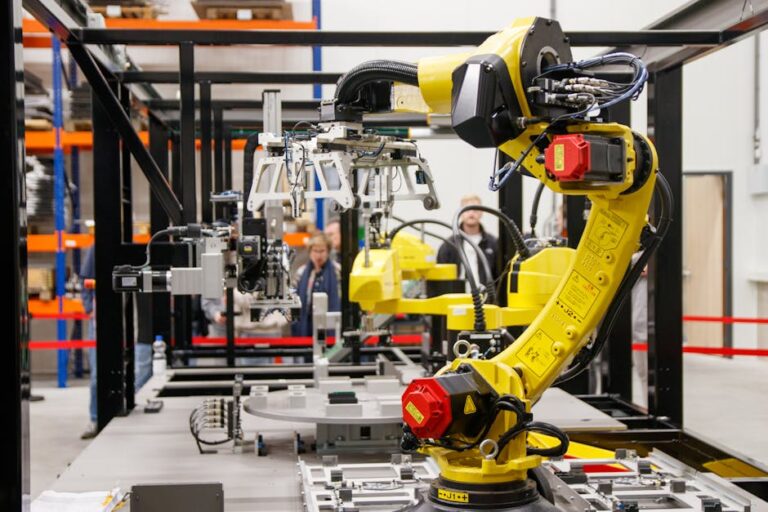
Photo by Vitaly Gariev via Pexels
| Step | Activity | Timeline | Cost |
|---|---|---|---|
| 1 | Business License Verification | 1-2 days | $0-$50 |
| 2 | Capability Assessment | 2-3 days | $50-$150 |
| 3 | Quality System Review | 3-5 days | $100-$300 |
| 4 | Financial Status Check | 1-2 days | $50-$200 |
| 5 | Factory Audit | 1-2 days | $300-$800 |
Step 1: Business License Verification
What to Check
Every legitimate Chinese company must have a business license issued by the State Administration for Industry and Commerce (SAIC). Verify these elements:
- Unified Social Credit Code – 18-digit unique identifier
- Company name – Must match exactly on all documents
- Legal representative – Person authorized to sign contracts
- Registered capital – Indicates company size (minimum ¥100,000 for trading, ¥500,000 for manufacturing)
- Business scope – Must include manufacturing or trading activities
- Registration date – Longer history indicates stability (3+ years preferred)
- Validity period – License must be current
Verification Methods
| Method | Cost | Timeline | Accuracy |
|---|---|---|---|
| SAIC Database (gsxt.gov.cn) | Free | 1-2 days | 95%+ |
| Third-party services | $50-$150 | 1 day | 98%+ |
| Sourcing agent verification | $100-$300 | 1-2 days | 99%+ |
Step 2: Manufacturing vs Trading Status
Business Scope Analysis
Determine if you’re dealing with a manufacturer or trading company:
| Indicator | Manufacturer | Trading Company |
|---|---|---|
| Business scope keywords | 生产, 制造, 加工 | 贸易, 商贸, 进出口 |
| Registered capital | ¥500,000+ | ¥100,000-500,000 |
| Address type | Industrial zone | Office building |
| MOQ flexibility | Higher, less flexible | Lower, more flexible |
| Product range | Narrow, specialized | Broad, varied |
Step 3: Quality System Verification
Certification Verification
Verify quality management certifications through official databases:
- ISO 9001 – Verify through CNAS database or IAF CertSearch
- ISO 14001 – Environmental management certification
- Product certifications – CE, FCC, UL, RoHS as applicable
- Industry-specific – ISO 13485 for medical, IATF 16949 for automotive
Red Flags in Certification
- Certification body not found in accreditation databases
- Missing accreditation logo on certificates
- Certificates issued without on-site audits
- Extremely short certification timelines (less than 2 months)
- Certificates that cannot be verified online
Step 4: Financial Status Check
Financial Assessment Tools
Service
Cost
Information Provided
Sinotrust Credit Report
$100-$200
Credit rating, payment history, legal disputes
Dun & Bradstreet China
$150-$300
Financial stability, risk assessment
QCC (Qichacha)
$50-$100
Basic company information, shareholders
Bank Reference Check
Free-$50
Banking relationship, account standing
Step 5: Factory Audit
Audit Types and Costs
Audit Type
Cost
Duration
What’s Covered
Basic verification
$200-$400
1 day
Existence confirmation, basic capability
Capability audit
$300-$600
1-2 days
Production capacity, equipment, workforce
Quality system audit
$400-$800
1-2 days
QC processes, documentation, testing
Social compliance audit
$500-$1,000
2 days
Labor conditions, safety, environment
5 Common Verification Mistakes (And How to Avoid Them)
❌ Mistake #1: Trusting Alibaba Verification Alone
Why it’s costly: Alibaba verification confirms basic business registration but doesn’t verify manufacturing capabilities. 40% of “verified” suppliers are trading companies claiming to be manufacturers.
How to avoid: Request factory photos with date stamps, conduct video calls showing production floor, or arrange third-party audits.
❌ Mistake #2: Skipping Financial Checks
Why it’s costly: Suppliers with financial problems may accept orders they can’t fulfill, leading to 15-20% of orders never being delivered.
How to avoid: Order credit reports for orders over $10,000. Watch for late payment requests or bank account changes.
❌ Mistake #3: Not Verifying Certification Scope
Why it’s costly: ISO certification may cover only some products or locations. 25% of certified suppliers have limited scope not covering buyer’s products.
How to avoid: Always check the scope statement on certificates. Confirm your specific products are covered.
❌ Mistake #4: Accepting Generic Factory Photos
Why it’s costly: Stock photos or images from other factories misrepresent capabilities. This affects 30% of supplier presentations.
How to avoid: Request photos with your company name and current date visible. Conduct video factory tours.
❌ Mistake #5: One-Time Verification Only
Why it’s costly: Supplier status can change. 15% of verified suppliers experience significant changes within 12 months.
How to avoid: Implement annual re-verification and monitor for warning signs like payment term changes or quality decline.
Verification Cost Breakdown by Order Size
Order Size
Recommended Verification
Total Cost
ROI
<$5,000
License check + basic verification
$50-$150
3-10% of order value
$5,000-$20,000
Full verification + capability audit
$300-$600
2-4% of order value
$20,000-$100,000
Comprehensive + quality audit
$500-$1,200
0.5-1.2% of order value
>$100,000
Full due diligence + ongoing monitoring
$1,000-$3,000
<1% of order value
Frequently Asked Questions
| Service | Cost | Information Provided |
|---|---|---|
| Sinotrust Credit Report | $100-$200 | Credit rating, payment history, legal disputes |
| Dun & Bradstreet China | $150-$300 | Financial stability, risk assessment |
| QCC (Qichacha) | $50-$100 | Basic company information, shareholders |
| Bank Reference Check | Free-$50 | Banking relationship, account standing |
| Audit Type | Cost | Duration | What’s Covered |
|---|---|---|---|
| Basic verification | $200-$400 | 1 day | Existence confirmation, basic capability |
| Capability audit | $300-$600 | 1-2 days | Production capacity, equipment, workforce |
| Quality system audit | $400-$800 | 1-2 days | QC processes, documentation, testing |
| Social compliance audit | $500-$1,000 | 2 days | Labor conditions, safety, environment |
❌ Mistake #1: Trusting Alibaba Verification Alone
Why it’s costly: Alibaba verification confirms basic business registration but doesn’t verify manufacturing capabilities. 40% of “verified” suppliers are trading companies claiming to be manufacturers.
How to avoid: Request factory photos with date stamps, conduct video calls showing production floor, or arrange third-party audits.
❌ Mistake #2: Skipping Financial Checks
Why it’s costly: Suppliers with financial problems may accept orders they can’t fulfill, leading to 15-20% of orders never being delivered.
How to avoid: Order credit reports for orders over $10,000. Watch for late payment requests or bank account changes.
❌ Mistake #3: Not Verifying Certification Scope
Why it’s costly: ISO certification may cover only some products or locations. 25% of certified suppliers have limited scope not covering buyer’s products.
How to avoid: Always check the scope statement on certificates. Confirm your specific products are covered.
❌ Mistake #4: Accepting Generic Factory Photos
Why it’s costly: Stock photos or images from other factories misrepresent capabilities. This affects 30% of supplier presentations.
How to avoid: Request photos with your company name and current date visible. Conduct video factory tours.
❌ Mistake #5: One-Time Verification Only
Why it’s costly: Supplier status can change. 15% of verified suppliers experience significant changes within 12 months.
How to avoid: Implement annual re-verification and monitor for warning signs like payment term changes or quality decline.
| Order Size | Recommended Verification | Total Cost | ROI |
|---|---|---|---|
| <$5,000 | License check + basic verification | $50-$150 | 3-10% of order value |
| $5,000-$20,000 | Full verification + capability audit | $300-$600 | 2-4% of order value |
| $20,000-$100,000 | Comprehensive + quality audit | $500-$1,200 | 0.5-1.2% of order value |
| >$100,000 | Full due diligence + ongoing monitoring | $1,000-$3,000 | <1% of order value |
What if a supplier fails verification?
If a supplier fails verification, you have several options: request clarification on discrepancies, ask for additional documentation, conduct a factory audit to verify capabilities, or find an alternative supplier. Never proceed with a supplier who cannot provide satisfactory verification.
Conclusion
China supplier verification is an essential process for protecting your business when sourcing from overseas. Systematic verification of business legitimacy, manufacturing capabilities, and quality systems prevents costly mistakes and builds foundation for successful partnerships. The investment in verification pays dividends through reduced risk, better pricing, and reliable supply relationships.
For importers in 2026, supplier verification should be standard practice before placing any order. Use the TCS 5-Step Verification Method, leverage online databases and third-party services, and implement ongoing monitoring to maintain supplier quality.
Need help verifying Chinese suppliers? Our team at Top China Sourcing provides comprehensive supplier verification services, from document checks to factory audits. Contact us today to verify your suppliers before placing orders.
Last updated: April 30, 2026 | Research by TCS Editorial Team
Sources
- QIMA. “Global Sourcing Report 2026: Supplier Verification Statistics.” QIMA, 2026. https://www.qima.com
- State Administration for Industry and Commerce. “National Enterprise Credit Information System.” SAIC Official Website, 2026. http://www.gsxt.gov.cn
- SGS. “Supplier Verification Services in China.” SGS Official Website, 2026. https://www.sgs.com/en/countries/china