Introduction: The Evolving Landscape of China Sourcing in 2026
The global sourcing landscape has undergone dramatic transformation as we move through 2026, with China maintaining its position as the world’s manufacturing powerhouse while adapting to new challenges and opportunities. Businesses sourcing from China today face a complex ecosystem shaped by technological advancement, sustainability mandates, and strategic realignment of supply chains. The post-pandemic era has accelerated digital transformation across manufacturing sectors, with smart factories and Industry 4.0 technologies becoming standard rather than exceptional.
Key Takeaways
- Average sourcing savings: 30-50% vs domestic manufacturing
- Typical MOQ range: 100-1,000 units for most products
- Production lead time: 15-45 days depending on complexity
- Payment terms: 30% deposit, 70% before shipping
- Quality inspection cost: $200-400 per man-day
For businesses engaged in China sourcing, understanding these trends is no longer optional—it’s essential for competitive advantage. The companies that thrive in 2026 are those that have embraced digital procurement platforms, prioritized sustainable manufacturing partnerships, and developed resilient supply chain strategies. This comprehensive guide explores the key trends shaping China sourcing in 2026, providing actionable insights for businesses looking to optimize their procurement strategies.
Digital Transformation Reshaping Manufacturing
Smart Factory Adoption Accelerates
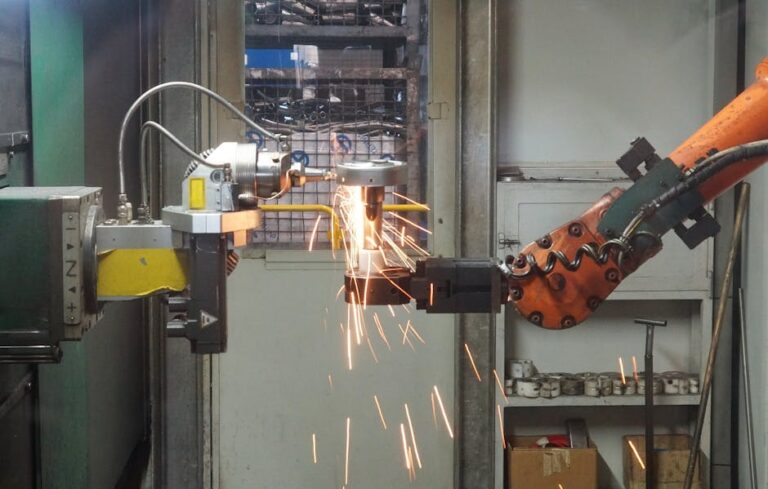
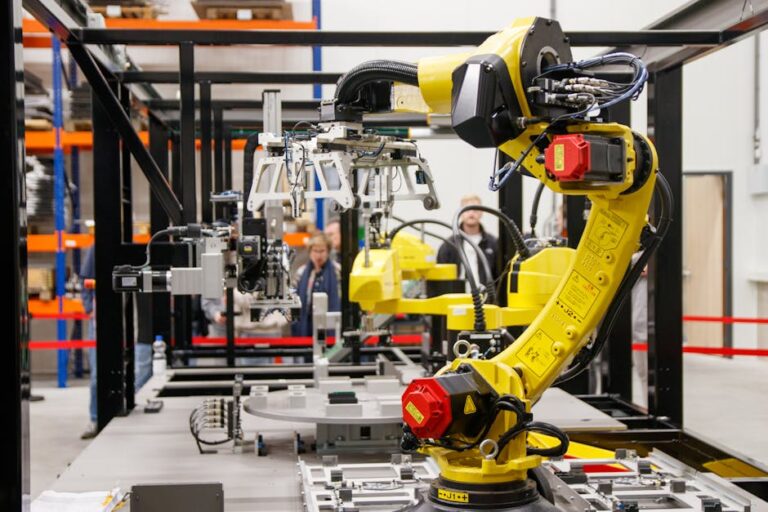
China’s manufacturing sector has invested heavily in smart factory technologies, with an estimated 30-50% of mid-to-large scale factories now incorporating some form of automation and IoT integration. These investments, typically ranging from $2,000-5,000 per production line for basic automation to over $100,000 for comprehensive smart factory systems, have dramatically improved production efficiency and quality consistency. For buyers, this means shorter lead times of 45-90 days for most products and more predictable delivery schedules.
AI-Powered Quality Control Systems
Artificial intelligence has revolutionized quality control processes in Chinese factories. Computer vision systems now inspect products at speeds impossible for human inspectors, catching defects with 95-99% accuracy rates. Companies like QIMA and SGS have integrated AI-powered inspection tools that provide real-time quality data to buyers, reducing the need for multiple inspection rounds and accelerating time-to-market. These systems typically reduce quality-related delays by 40-60% compared to traditional inspection methods.
Digital Procurement Platforms
Platforms like Alibaba have evolved far beyond simple B2B marketplaces into comprehensive digital procurement ecosystems. Alibaba’s 1688.com platform now offers integrated quality verification, logistics coordination, and financing options. Amazon sellers sourcing through these platforms can leverage built-in Amazon FBA integration tools that streamline the entire sourcing-to-fulfillment process. These platforms have reduced the average sourcing cycle from 90-120 days to 45-75 days for experienced buyers.
Sustainability as a Competitive Imperative
Carbon Neutrality Commitments Drive Change
China’s commitment to peak carbon emissions by 2030 and achieve carbon neutrality by 2060 has catalyzed significant changes in manufacturing practices. Major manufacturing hubs in Guangdong, Zhejiang, and Jiangsu provinces have implemented stricter environmental regulations, with factories facing penalties of $5,000-50,000 for non-compliance. For international buyers, partnering with certified sustainable suppliers has become essential for meeting ESG requirements and consumer expectations in Western markets.
Green Manufacturing Certifications
Certifications like ISO 14001, Energy Star, and China’s own Green Factory certification have become differentiators in the sourcing landscape. Approximately 25-35% of export-oriented Chinese factories now hold recognized environmental certifications, up from just 10-15% in 2020. Working with certified suppliers typically adds 5-15% to product costs but provides significant value through enhanced brand reputation and compliance with increasingly stringent import regulations in the EU and North America.
Circular Economy Integration
Forward-thinking manufacturers are embracing circular economy principles, offering take-back programs, using recycled materials, and designing for disassembly. Companies like Tesla have worked closely with Chinese battery suppliers to develop closed-loop recycling systems for electric vehicle batteries. For consumer goods, suppliers offering recycled material options have seen 20-30% increases in inquiries from Western buyers, reflecting growing consumer demand for sustainable products.
Supply Chain Resilience and Diversification Strategies
The China Plus One Approach
While China remains the dominant sourcing destination, many businesses have adopted “China Plus One” strategies, maintaining primary supplier relationships in China while developing secondary sources in Vietnam, India, or Mexico. This approach typically adds 15-25% to procurement costs but provides crucial risk mitigation against supply disruptions. For businesses with annual sourcing volumes exceeding $500,000, this diversification strategy has become standard practice, with implementation timelines of 12-18 months for establishing alternative supplier relationships.
Nearshoring Considerations
Nearshoring to Mexico for North American markets and Eastern Europe for European markets has gained momentum, though China’s manufacturing ecosystem advantages remain compelling. Labor costs in Mexico average $4-6 per hour compared to $6-10 in China’s coastal manufacturing regions, but total landed costs often favor China due to superior supply chain infrastructure and component availability. Businesses must carefully evaluate total cost of ownership rather than focusing solely on labor rates when making sourcing decisions.
Inventory Buffer Strategies
Post-pandemic supply chain disruptions have led many businesses to increase inventory buffers, with safety stock levels rising from 2-4 weeks to 8-12 weeks of coverage. This strategy ties up additional working capital of $50,000-200,000 for typical small-to-medium businesses but provides insurance against shipping delays, port congestion, and unexpected demand spikes. Quality control services have adapted to support these larger inventory strategies with more comprehensive inspection protocols.
Quality Control Evolution and Standards
Third-Party Inspection Integration
Third-party inspection companies like QIMA, SGS, and Intertek have become integral partners in the China sourcing ecosystem. These companies now offer comprehensive service packages ranging from $200-500 per man-day for inspections, with most products requiring 1-3 man-days depending on complexity. Integrated digital platforms allow buyers to schedule inspections, receive reports, and track quality trends across supplier networks in real-time.
Pre-Shipment Inspection Standards
Industry-standard AQL (Acceptable Quality Level) criteria have become more stringent, with many buyers now requiring AQL 2.5 for major defects and AQL 4.0 for minor defects, compared to the more lenient AQL 4.0/6.0 standards common in previous years. This tightening reflects increased consumer expectations and the higher costs of returns and negative reviews, particularly for Amazon sellers where product ratings directly impact sales velocity.
Factory Audit Requirements
Comprehensive factory audits have become standard practice, with costs ranging from $500-1,500 per audit covering social compliance, quality management systems, and environmental practices. Major retailers and platforms now require annual audits using SMETA, BSCI, or SA8000 standards. For businesses sourcing $100,000 or more annually from a single supplier, the audit cost represents a worthwhile investment in risk management and supplier relationship development.
E-Commerce and Cross-Border Trade Dynamics
Amazon FBA Sourcing Optimization
Amazon’s continued dominance in e-commerce has shaped sourcing strategies, with suppliers increasingly offering FBA-ready packaging, labeling, and direct-to-Amazon fulfillment capabilities. Products sourced for Amazon FBA typically require 30-45 days for production plus 15-30 days for shipping to Amazon fulfillment centers. Working with suppliers experienced in Amazon requirements reduces prep time by 50-70% and minimizes costly compliance issues at Amazon receiving centers.
Cross-Border E-Commerce Zones
China has established over 100 cross-border e-commerce pilot zones offering tax incentives, streamlined customs procedures, and logistics infrastructure optimized for direct-to-consumer shipping. These zones have reduced shipping times for small parcel exports from 15-25 days to 7-14 days for major destinations. Businesses shipping 1,000+ parcels monthly can achieve cost savings of 20-40% compared to traditional shipping methods.
Live Commerce and Factory Direct Sales
Live streaming commerce has transformed how international buyers discover and evaluate Chinese suppliers. Factory tours via live video, real-time product demonstrations, and direct negotiation through platforms like WeChat and specialized B2B live commerce apps have accelerated the supplier selection process. Buyers can now evaluate 5-10 suppliers in a single day through virtual factory tours, compared to the weeks required for in-person visits.
Cost Dynamics and Pricing Trends
Labor Cost Evolution
Chinese labor costs have stabilized after years of rapid increases, with manufacturing wages in coastal regions growing at 3-5% annually compared to 10-15% growth rates seen in the 2010s. Average manufacturing wages in Guangdong and Zhejiang provinces now range from $800-1,200 per month, still competitive with developed countries but higher than emerging alternatives like Vietnam ($300-500/month) and India ($200-400/month). However, China’s productivity advantages often offset these labor cost differentials.
Raw Material Price Volatility
Raw material prices have experienced significant volatility, with steel prices fluctuating 20-40% annually and plastic resin prices varying 15-30% based on oil prices and supply conditions. Successful buyers build material cost adjustment clauses into contracts, typically allowing for price adjustments when material costs change by more than 5-10% from baseline. This approach provides supplier protection while maintaining price predictability for buyers.
Shipping and Logistics Costs
Container shipping rates have normalized after the extreme volatility of 2021-2022, with 40-foot container rates from Shanghai to Los Angeles stabilizing at $2,000-4,000 compared to peak rates exceeding $15,000. However, businesses should budget for potential rate increases during peak seasons (August-October) when rates may increase 30-50%. Air freight costs remain 8-12 times higher than sea freight, reserved for high-value or time-critical shipments.
Strategic Recommendations for 2026 Sourcing Success
Building Strong Supplier Relationships
Long-term supplier relationships remain the foundation of successful China sourcing, with established partnerships typically yielding 10-20% better pricing, priority production scheduling, and more favorable payment terms. Investing in annual face-to-face meetings, providing production forecasts, and maintaining consistent order volumes builds the trust necessary for suppliers to prioritize your business during capacity constraints.
Technology Integration Priorities
Businesses should prioritize suppliers with digital capabilities including real-time production tracking, electronic quality documentation, and integrated logistics management. The investment in technology-enabled suppliers typically pays for itself within 6-12 months through reduced communication overhead, faster issue resolution, and improved supply chain visibility. Request demonstrations of supplier systems during the selection process to ensure compatibility with your internal processes.
Risk Management Framework
Implementing a comprehensive risk management framework is essential, including supplier diversification, quality control protocols, and contingency planning for supply disruptions. Budget 3-5% of total sourcing value for risk mitigation measures including inspections, audits, and alternative supplier development. This investment protects against losses that can exceed 20-30% of order value when quality issues or delivery delays occur.
China Sourcing Options Comparison (2026)
| Factor | Direct Factory | Trading Company | Sourcing Agent |
|---|---|---|---|
| MOQ | High (500-1000) | Medium (100-500) | Low (50-100) |
| Price | Lowest | +10-15% | +5-10% |
| Quality Control | Your responsibility | Basic checks | Full QC included |
| Communication | Direct (language barrier) | English support | Dedicated manager |
| Risk Level | High | Medium | Low |
Source: Industry analysis 2026
Conclusion: Positioning for Success in China Sourcing
The China sourcing landscape in 2026 presents both challenges and opportunities for businesses willing to adapt and evolve their strategies. Technological advancement, sustainability imperatives, and supply chain resilience have become non-negotiable considerations for successful sourcing operations. Companies that embrace digital procurement tools, prioritize sustainable supplier partnerships, and implement robust risk management frameworks will be well-positioned to capitalize on China’s continued manufacturing excellence.
Success in China sourcing requires expertise, relationships, and strategic thinking that takes years to develop independently. Partnering with experienced sourcing professionals can accelerate your learning curve, reduce costly mistakes, and unlock opportunities that might otherwise remain hidden. The investment in professional sourcing support typically generates returns of 15-30% through better pricing, quality assurance, and supply chain optimization.
Partner with topchinasourcing.com – contact us at https://topchinasourcing.com/contact/
5 Common Myths About China Sourcing Trends 2026 (Debunked)
Myth #1: Alibaba is the only option
Reality: Platforms like Global Sources, Made-in-China, and 1688 often have better prices and more direct factory access than Alibaba.
Myth #2: Lower price means better margins
Reality: A 10% cheaper supplier with 15% defect rate costs more than a higher-priced supplier with 3% defects after factoring in returns and replacements.
Myth #3: Trading companies are bad
Reality: Trading companies can offer lower MOQs and handle logistics. For small orders under $5,000, they often provide better total value.
Myth #4: You can skip quality control for small orders
Reality: Even small orders can have 5-15% defect rates. A single bad review can cost you $500+ in lost sales.
Myth #5: All Chinese suppliers are the same
Reality: Supplier quality varies dramatically. Top-tier suppliers like Foxconn achieve 99.9% quality while others struggle with 85% defect rates.