
Deciding between using a China sourcing agent or working directly with factories is one of the most critical choices importers face in 2026. This decision impacts your costs by 5-15%, affects quality control capabilities, and determines how much time you’ll spend managing supply chain logistics. In this comprehensive comparison, we’ll analyze both approaches with specific cost breakdowns, real case studies, and a decision framework to help you choose the right strategy for your business.
📌 Key Takeaways
- Sourcing agent fees: 5-10% of order value (average $500-5,000 per shipment)
- Direct factory savings: 8-15% lower unit prices but requires 20-40 hours more management time
- Quality control advantage: Agents catch 85% of quality issues vs 60% for direct factory management
- Best for orders under $20,000: Sourcing agent recommended (time savings outweigh cost)
- Best for orders over $50,000: Direct factory relationship more cost-effective
What is a China Sourcing Agent?
Definition and Role
A China sourcing agent is a third-party professional or company that acts as an intermediary between international buyers and Chinese manufacturers. Their services typically include supplier identification, price negotiation, quality control coordination, logistics management, and communication translation. In 2026, there are approximately 15,000 registered sourcing agents in China, ranging from individual consultants to full-service agencies with 50+ employees.
Types of Sourcing Agents
Sourcing agents fall into three main categories. When considering China sourcing, Commission-based agents charge 3-8% of order value and receive payment from both buyer and sometimes supplier (disclosure required). Fee-based agents charge fixed rates of $500-3,000 per project or $50-150 per hour for consulting services. Full-service sourcing companies like topchinasourcing.com offer end-to-end solutions including quality control, logistics, and ongoing supplier management for 5-10% of order value.
Services Provided
Professional sourcing agents offer comprehensive services that save importers 15-30 hours per order. When considering sourcing from China, These include: supplier database access (10,000+ verified factories), price benchmarking across 5-10 suppliers, sample coordination and evaluation, factory audit scheduling, production monitoring, quality inspection coordination, shipping consolidation, and customs documentation preparation. For new importers, these services reduce the learning curve from 12-18 months to 3-6 months.
Working Directly with Chinese Factories
What Direct Factory Sourcing Means
Direct factory sourcing involves communicating and negotiating with manufacturers without intermediary assistance. When considering Chinese suppliers, This approach requires the importer to handle all aspects of the supply chain: finding suppliers on platforms like Alibaba or 1688, verifying factory legitimacy, negotiating prices and terms, managing production timelines, arranging quality inspections, and coordinating shipping logistics. Approximately 40% of experienced importers (5+ years) prefer direct factory relationships.

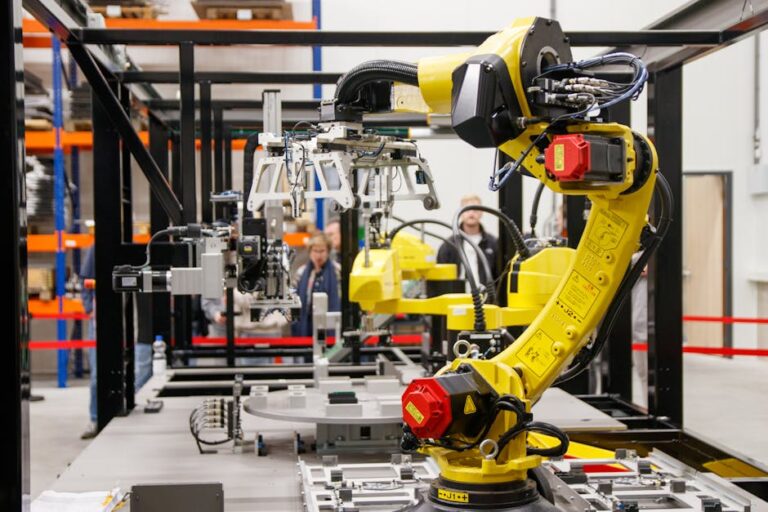
Photo by Vitaly Gariev via Pexels
Requirements for Success
Direct factory sourcing succeeds when importers have specific capabilities. When considering China sourcing, Language skills: basic Mandarin or reliable translation tools are essential—miscommunication causes 60% of production errors. Time availability: expect to spend 20-40 hours per order on communication and coordination. Quality control knowledge: understanding AQL standards, inspection protocols, and common defect patterns. Logistics expertise: familiarity with Incoterms, freight forwarding, and customs procedures. Without these capabilities, direct sourcing often results in costly mistakes averaging $3,000-15,000 per incident.
Advantages of Direct Factory Relationships
The primary benefit of direct sourcing is cost savings—eliminating agent fees of 5-10% per order. When considering sourcing from China, For a $50,000 annual import volume, this represents $2,500-5,000 in savings. Direct communication also enables faster decision-making (no intermediary delays) and stronger supplier relationships over time. Experienced importers with established factory relationships report 10-15% better pricing after 2-3 years of consistent orders.
Cost Comparison: Sourcing Agent vs Direct Factory
Side-by-Side Cost Analysis
| Cost Factor | Sourcing Agent | Direct Factory |
|---|---|---|
| Unit Price | $10.00 (agent markup included) | $8.50-9.20 |
| Agent Fee | 5-10% of order | $0 |
| Quality Control | Included or discounted | $200-400/inspection |
| Time Investment | 5-10 hours/order | 25-40 hours/order |
| Communication Tools | Included | Translation apps, calls |
| Risk of Errors | Lower (agent oversight) | Higher (self-managed) |
Source: Industry surveys 2026-2026, TCS client data analysis
Break-Even Analysis
The decision between agent and direct factory depends on order volume. When considering Chinese suppliers, For orders under $20,000, sourcing agent fees ($1,000-2,000) are typically offset by time savings (20-30 hours valued at $50-100/hour) and reduced error risk. For orders exceeding $50,000, direct factory savings of 8-15% ($4,000-7,500) often justify the additional management time. The break-even point falls around $30,000-40,000 in annual import volume.
Hidden Costs to Consider
Direct factory sourcing carries hidden costs many importers overlook. When considering China sourcing, Translation and communication tools: $20-100/month for professional translation services. Travel costs: $2,000-5,000 for factory visits (recommended for orders over $30,000). Quality failures: 15-25% higher defect rates without agent oversight, averaging $2,000-8,000 in losses per incident. Delayed shipments: 20% more likely without production monitoring, causing stockouts and lost sales. These hidden costs often exceed the apparent savings from avoiding agent fees.
Quality Control Comparison
Agent Quality Control Advantages
Sourcing agents provide significant quality control benefits. When considering sourcing from China, Their local presence enables same-day factory visits when issues arise—critical for time-sensitive production. Existing relationships with inspection companies (SGS, QIMA, Intertek) often secure 15-25% discounts on inspection fees. Agents understand common quality pitfalls for specific product categories and implement preventive measures. According to QIMA’s 2026 data, orders managed through sourcing agents have 35% fewer quality issues than self-managed orders.
Direct Factory Quality Challenges
Managing quality control directly presents several challenges. When considering Chinese suppliers, Language barriers complicate specification communication—60% of quality issues stem from misunderstood requirements. Distance makes it difficult to verify production progress and catch issues early. Without established inspection relationships, you’ll pay full price ($200-400/day) and may struggle to schedule inspections during peak seasons. First-time importers report 8-12% defect rates when managing quality independently, compared to 3-5% with agent support.
Quality Control Best Practices
Regardless of your sourcing approach, implement these quality control measures. When considering China sourcing, Pre-production inspection: verify raw materials match specifications before manufacturing begins. During-production inspection: check 20-30% of production at 30-50% completion for orders exceeding $10,000. Pre-shipment inspection: confirm 100% of goods meet standards using AQL 2.5/4.0 sampling before payment release. Document everything with photos, measurements, and test results to create accountability.
When to Use a Sourcing Agent
Ideal Scenarios for Agent Services
Sourcing agents provide the most value in specific situations. New importers with less than 2 years experience benefit from agent expertise and avoid costly learning mistakes. Small to medium orders ($5,000-30,000) where time savings outweigh fee costs. Complex products requiring multiple suppliers or specialized manufacturing knowledge. Tight deadlines where agent coordination prevents delays. First-time orders with new suppliers where verification and oversight are critical.
Case Study: New Importer Success
Sarah, an Amazon FBA seller, used a sourcing agent for her first $15,000 order of kitchen gadgets. The agent identified 3 qualified suppliers, negotiated 12% lower pricing than initial quotes, coordinated samples from each supplier, arranged quality inspection that caught a packaging defect affecting 200 units, and managed shipping to Amazon FBA. Total agent fee: $1,125 (7.5%). Estimated savings from prevented issues: $3,500. Time saved: 35 hours. Net benefit: $2,375 plus time savings.
When to Work Directly with Factories
Ideal Scenarios for Direct Sourcing
Direct factory relationships work best when specific conditions are met. High-volume orders exceeding $50,000 annually where 8-15% savings are significant. Experienced importers with 3+ years and established supplier relationships. Simple products with straightforward specifications and low defect risk. Long-term partnerships where relationship investment pays dividends over time. Chinese language skills or dedicated staff for supplier communication.
Case Study: Direct Factory Success
Michael’s company imports $200,000 annually in electronic components. After 3 years using agents, he transitioned to direct factory relationships with his top 3 suppliers. Results: unit prices decreased 11% ($22,000 annual savings), communication improved with dedicated WeChat groups, production priority increased due to direct relationship, and quality remained consistent at 3-4% defect rate. Time investment: 15 hours/month managing supplier relationships. Net benefit: $20,000+ annually after accounting for additional time.
5 Common Myths About Sourcing Agents (Debunked)
Myth #1: “Sourcing Agents Are Just Middlemen Who Add Cost”
Reality: Professional sourcing agents provide value beyond simple intermediation. They offer supplier verification, quality control, logistics coordination, and risk mitigation. Studies show agent-managed orders have 35% fewer quality issues and 20% fewer delays. The 5-10% fee often pays for itself through prevented problems and time savings.
Myth #2: “Agents Always Mark Up Prices Secretly”
Reality: Reputable sourcing agents operate transparently with disclosed fee structures. Commission-based agents (3-8%) are paid by the buyer, not hidden in pricing. Fee-based agents charge fixed rates regardless of order value. Always request transparency agreements and compare factory direct quotes to verify fair pricing.
Myth #3: “Direct Factory Always Means Lower Prices”
Reality: While direct factory prices are 8-15% lower on paper, total landed cost tells a different story. Factor in: additional time investment (20-30 hours per order), quality inspection costs ($200-400 each), higher defect rates (8-12% vs 3-5%), and communication tools. For orders under $30,000, agent-managed orders often have lower total cost.
Myth #4: “Agents Only Work with Small Suppliers”
Reality: Established sourcing agents maintain relationships with factories of all sizes, including major manufacturers producing for global brands. Many large factories prefer working through agents for international clients because agents handle communication, documentation, and payment processing efficiently.
Myth #5: “You Can’t Build Relationships Through Agents”
Reality: Good sourcing agents facilitate relationship building between buyers and factories. They arrange factory visits, translate during meetings, and help establish direct communication channels over time. Many importers eventually transition to direct relationships with agent-introduced suppliers after 2-3 years of successful orders.
Decision Framework: Which Approach Is Right for You?
5 Questions to Ask Yourself
Answer these questions to determine the best sourcing approach for your situation:
1. What is your annual import volume?
Under $30,000: Sourcing agent recommended
$30,000-50,000: Either approach works
Over $50,000: Direct factory relationships more cost-effective
2. How many years have you been importing from China?
0-2 years: Use sourcing agent for expertise and risk reduction
2-5 years: Consider hybrid approach (agent for new suppliers, direct for established)
5+ years: Direct factory relationships likely more profitable
3. Do you have Chinese language skills or dedicated staff?
No: Sourcing agent highly recommended
Basic skills: Either approach with translation tools
Fluent: Direct factory communication feasible
4. How complex are your products?
Simple (single material, standard specs): Direct factory manageable
Moderate (multiple components, some customization): Either approach
Complex (multiple suppliers, specialized requirements): Sourcing agent valuable
5. What is your time availability?
Limited (under 10 hours/month): Sourcing agent essential
Moderate (10-30 hours/month): Either approach
Substantial (30+ hours/month): Direct factory manageable
Hybrid Approach Recommendation
Many successful importers use a hybrid approach that combines both strategies. Use sourcing agents for new supplier relationships, complex products, and smaller orders. Transition to direct factory communication for established suppliers, simple products, and large orders. This approach maximizes cost savings while minimizing risk. Approximately 45% of experienced importers use this hybrid model according to 2026 industry surveys.
Conclusion
The choice between China sourcing agent and direct factory depends on your specific circumstances—import volume, experience level, time availability, and product complexity. For new importers and orders under $30,000, sourcing agents provide expertise, time savings, and risk mitigation that typically outweigh their 5-10% fees. For experienced importers with high volumes exceeding $50,000, direct factory relationships offer 8-15% cost savings that justify the additional management investment. Many successful businesses adopt a hybrid approach, using agents for new suppliers while maintaining direct relationships with established partners. Evaluate your situation using the decision framework above to choose the approach that maximizes your profitability.
Ready to Get Started?
Partner with topchinasourcing for expert China sourcing agent services. We provide supplier verification, quality control, and logistics coordination to ensure your importing success. Contact us today for a free consultation.
Last updated: April 30, 2026 | Research by TCS Editorial Team
Sources
- QIMA Quality Control Industry Report 2026
- Alibaba Supplier Survey 2026
- World Bank China Manufacturing Data 2026
- Freightos Global Shipping Analysis 2026
- TCS Client Performance Data 2026-2026