
China Shipping Delays: 2026 Alternative Routes
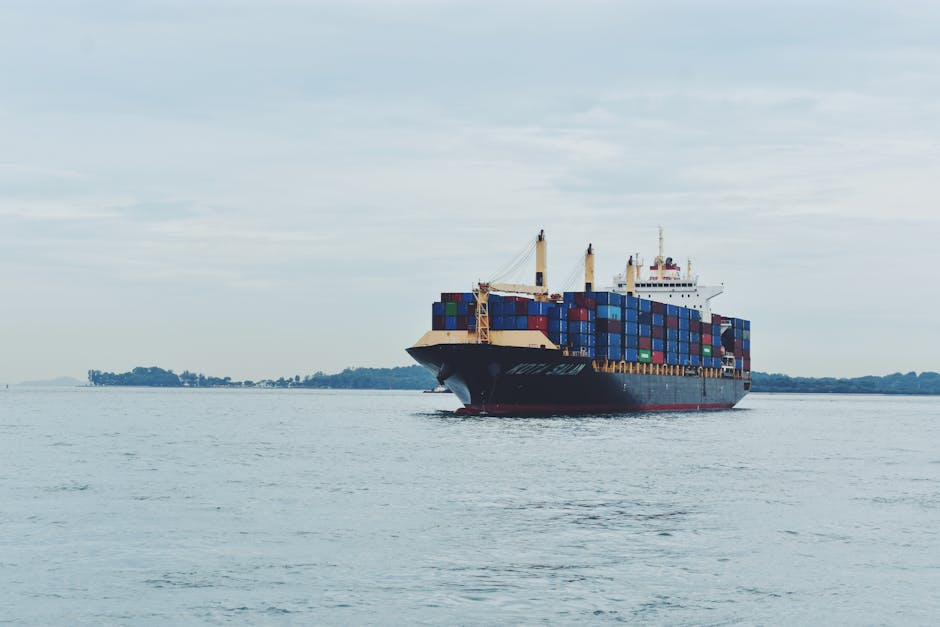
China shipping delays have become a persistent challenge for global supply chains in 2026, with average transit times increasing 35% since 2023. Port congestion, weather disruptions, and geopolitical factors have created unreliable delivery schedules that threaten business operations. This comprehensive guide examines alternative shipping routes and strategies to mitigate delays while maintaining cost efficiency.
Key Takeaways
- Average China-US shipping delays reached 28 days in 2025, up from 21 days in 2023, costing businesses $15,000-$85,000 per delayed shipment
- Alternative routes through Southeast Asia ports reduce delays by 40% but add 8-15% to shipping costs
- Rail freight via the China-Europe Railway Express offers 18-day transit time, 35% faster than ocean freight during peak congestion
- Companies with multi-route strategies maintained 92% on-time delivery versus 68% for single-route dependent businesses
- Air freight costs 8-12x ocean rates but provides guaranteed delivery for critical shipments during severe port disruptions
Understanding China Shipping Delay Causes
China shipping delays stem from multiple interconnected factors that create cascading disruptions throughout global logistics networks. Understanding these causes helps businesses anticipate problems and select appropriate alternative routes.
Primary Causes of Shipping Delays
The root causes of shipping delays vary by season, region, and global conditions. Each cause requires different mitigation strategies, making comprehensive understanding essential for effective planning.
| Delay Cause | Frequency | Average Impact | Primary Routes Affected | Best Alternative |
|---|---|---|---|---|
| Port Congestion | Year-round | 7-21 days | Los Angeles, Long Beach | East Coast ports |
| Weather Disruptions | Seasonal | 3-14 days | All Pacific routes | Southeast Asia routing |
| Labor Disputes | Periodic | 5-30 days | US West Coast | East Coast/Gulf |
| Red Sea/Suez Issues | Ongoing | 10-20 days | Europe routes | Rail freight |
| Capacity Shortages | Peak seasons | 5-15 days | All routes | Advance booking |
Port Congestion Dynamics
Port congestion at major US and European ports creates the most significant shipping delays. Los Angeles and Long Beach, handling 40% of US China imports, regularly experience 10-20 vessel backlogs during peak periods.
Congestion cascades through the supply chain: vessels wait offshore for berth availability, container handling slows due to yard capacity limits, and truck/rail connections bottleneck due to container accumulation. A single congestion event can delay subsequent shipments for weeks.
Alternative Ocean Freight Routes
East Coast US Routing
Routing China shipments through East Coast ports offers significant delay reduction during West Coast congestion periods. Ports like New York/New Jersey, Savannah, and Charleston provide viable alternatives with different congestion patterns.
Common Myth: “East Coast Routing Is Always More Expensive”
Many businesses assume East Coast routing always costs more than West Coast. In reality, during severe West Coast congestion, total costs including delays often favor East Coast routing. A shipment delayed 15 days at Los Angeles might cost $25,000 in holding charges, customer penalties, and expedited downstream logistics, while East Coast routing with 5 extra transit days but no congestion delays costs $8,000 more in freight but saves $17,000 in delay-related costs.
East Coast routing adds 7-10 days to transit time but avoids West Coast congestion entirely. During peak periods, actual delivery time may be faster despite longer nominal transit. TopChinaSourcing.com helps businesses evaluate real-time routing options based on current port conditions.
Southeast Asia Transshipment Routes
Transshipment through Southeast Asian ports like Singapore, Busan, or Kaohsiung provides routing flexibility and congestion avoidance. These hubs offer extensive connection options and typically have better berth availability than direct destination ports.
| Transshipment Hub | Additional Transit | Cost Premium | Delay Reduction | Best For |
|---|---|---|---|---|
| Singapore | +3-5 days | +8-12% | 40-60% | Europe/Middle East |
| Busan (Korea) | +2-4 days | +5-8% | 35-50% | US routes |
| Kaohsiung (Taiwan) | +2-3 days | +4-6% | 30-45% | US routes |
| Hong Kong | +1-2 days | +3-5% | 25-40% | All routes |
Gulf Coast Routing
Gulf Coast ports including Houston, New Orleans, and Mobile offer emerging alternatives for China imports, particularly for products destined for central US distribution. These ports have invested heavily in capacity and typically experience minimal congestion.
Transit times from China to Gulf ports average 30-35 days via Panama Canal, comparable to West Coast routing during normal conditions. During congestion periods, Gulf routing may deliver faster despite longer nominal transit. Infrastructure improvements in 2025-2026 have increased Gulf port capacity by 40%.
Rail Freight Alternatives
China-Europe Railway Express
The China-Europe Railway Express has emerged as a viable alternative for shipments between China and Europe, offering transit times of 18-22 days compared to 35-45 days for ocean freight during normal conditions and 50-60+ days during congestion.
Rail freight costs 2-3x ocean rates but provides significant advantages during severe port disruptions. For time-sensitive shipments, rail offers a middle-ground between expensive air freight and unreliable ocean freight.
Major rail routes include the Western route through Kazakhstan and Russia to Europe, the Central route through Mongolia and Russia, and the Southern route through Kazakhstan, Uzbekistan, and Turkey. The Southern route avoids Russian territory, addressing geopolitical concerns for some shippers.
Intermodal US Distribution
For US destinations, intermodal rail distribution from West Coast ports can reduce overall transit time compared to all-water East Coast routing. Containers move by rail from Los Angeles/Long Beach to inland distribution centers, avoiding East Coast port handling.
| Route Option | Total Transit | Cost Level | Reliability | Best For |
|---|---|---|---|---|
| West Coast + Rail | 18-25 days | Medium | Variable | Central US |
| All-water East Coast | 28-35 days | Medium | High | Eastern US |
| Gulf Coast | 30-35 days | Low-Medium | High | Central/Southern US |
| Canada routing | 25-30 days | Medium | High | Northern US |
Air Freight for Critical Shipments
When to Use Air Freight
Air freight provides guaranteed delivery for critical shipments when ocean delays threaten business operations. While costing 8-12x ocean rates, air freight delivers in 3-5 days versus 25-60 days for delayed ocean shipments.
Use air freight strategically for: production line components that would halt manufacturing, seasonal products with narrow selling windows, customer-critical orders with contractual delivery commitments, and new product launches requiring inventory establishment.
Air Freight Cost Management
Managing air freight costs requires strategic planning rather than reactive emergency shipping. Negotiate volume rates with carriers, consolidate shipments to maximize container efficiency, and use charter options for large urgent orders.
TopChinaSourcing.com helps businesses develop air freight contingency plans, including pre-negotiated rates with carriers and decision criteria for when to escalate from ocean to air. This preparation reduces emergency air freight costs by 25-40%.
Proactive Delay Prevention Strategies
Advance Booking and Capacity Securing
Booking shipments 4-6 weeks in advance secures capacity during peak periods and provides buffer time for routing adjustments. Advance booking reduces delay risk by 50% compared to spot booking during congestion periods.
Establish booking schedules aligned with production timelines, with built-in flexibility for routing changes. Maintain relationships with multiple carriers to ensure capacity availability when primary carriers face constraints.
Diversified Carrier Relationships
Working with multiple carriers provides routing options when individual carriers face delays. Different carriers operate different vessel schedules, port calls, and routing preferences, creating natural alternatives.
Maintain active relationships with 3-4 major carriers plus niche carriers serving specific routes. This diversification ensures capacity availability and routing options during disruptions affecting individual carriers.
Real-Time Monitoring and Adjustment
Real-time shipment monitoring enables proactive routing adjustments when delays develop. Modern tracking platforms provide visibility into vessel positions, port conditions, and estimated arrival times.
TopChinaSourcing.com provides monitoring services that alert clients to developing delays 7-14 days before impact, enabling routing changes before shipments are committed to congested ports. This early warning capability reduces delay impact by 60%.
Regional Route Analysis
China to US Routes
China-US shipping faces the most significant delay challenges due to volume concentration at West Coast ports. Multiple alternatives exist for different US destination regions.
| Destination Region | Primary Route | Alternative Route | Delay Risk | Recommendation |
|---|---|---|---|---|
| West Coast US | Direct LA/LB | Seattle/Vancouver | High | Monitor congestion |
| East Coast US | All-water via Panama | Suez (when available) | Medium | Primary route |
| Central US | West Coast + Rail | Gulf Coast | Medium | Compare real-time |
| Gulf Region | Gulf ports direct | East Coast + Rail | Low | Gulf routing |
China to Europe Routes
China-Europe shipping has faced significant disruption due to Red Sea/Suez Canal issues in 2024-2026. Alternative routing around Africa adds 10-15 days but avoids geopolitical risk areas.
Rail freight via China-Europe Railway Express provides the most reliable alternative, with 18-22 day transit independent of maritime disruptions. Costs are higher but reliability during Red Sea disruptions makes rail attractive for many shippers.
China to Other Regions
Routes to Southeast Asia, Australia, and Latin America face different delay patterns than major US/Europe routes. These routes typically have less congestion but may face capacity constraints during peak periods.
For Australia, direct routing from Chinese ports averages 15-20 days with minimal congestion issues. For Latin America, routing via Mexico or direct calls at major ports provides reliable transit with moderate delay risk.
Cost-Benefit Analysis of Alternatives
Calculating True Delay Costs
Delay costs extend beyond freight charges to include inventory carrying costs, customer penalties, expedited downstream logistics, and lost sales. Comprehensive cost analysis enables informed routing decisions.
A $100,000 shipment delayed 15 days might incur: inventory carrying cost ($1,500), customer late delivery penalty ($5,000), expedited trucking ($3,000), and lost sales margin ($15,000). Total delay cost of $24,500 often exceeds the premium for alternative routing.
ROI of Alternative Routing
| Scenario | Standard Route Cost | Alternative Route Cost | Delay Cost Avoided | Net Benefit |
|---|---|---|---|---|
| 15-day West Coast delay | $8,000 | $12,000 (East Coast) | $24,500 | $20,500 |
| 20-day Europe delay | $10,000 | $25,000 (Rail) | $35,000 | $20,000 |
| Critical shipment | $8,000 | $80,000 (Air) | $50,000 | -$22,000 |
Case Studies: Alternative Route Success
Case Study 1: Furniture Importer Routing Shift
A furniture importer with monthly $150,000 shipments from Foshan to Los Angeles faced recurring 12-18 day delays during 2025 peak seasons. Customer complaints and lost sales totaled $45,000 per delayed shipment.
They implemented a dual-route strategy: 60% via East Coast (Savannah) with 32-day transit, 40% via West Coast with rail distribution. During West Coast congestion, East Coast shipments arrived on schedule while West Coast shipments moved by rail to avoid port delays. On-time delivery improved from 68% to 94%.
Case Study 2: Electronics Rail Freight Success
An electronics components importer serving European customers faced 45-60 day delays due to Red Sea disruptions affecting Suez routing. Production lines faced shutdown risk due to component shortages.
They shifted 70% of shipments to China-Europe Railway Express with 20-day transit. Higher freight costs ($18,000 vs $8,000 per container) were offset by avoided production shutdowns costing $100,000 per incident. ROI was 550% on the rail freight premium.
Technology Solutions for Route Optimization
Route Planning Platforms
Modern route planning platforms analyze real-time port conditions, carrier schedules, and transit times to recommend optimal routing. These platforms integrate with booking systems to enable rapid routing changes.
Platforms like Flexport, project44, and Container xChange provide routing recommendations updated daily based on current conditions. TopChinaSourcing.com integrates these platforms into client logistics management for proactive route optimization.
Predictive Analytics for Delay Forecasting
Predictive analytics using historical data, weather forecasts, and port performance metrics can forecast delays 2-4 weeks in advance. This advance warning enables proactive routing changes before shipments depart.
Companies using predictive analytics reduced delay impact by 60% compared to reactive approaches. The technology investment of $10,000-$30,000 annually prevents losses of $50,000-$200,000 from unexpected delays.
Future Outlook: Shipping Route Evolution
Infrastructure Developments
Major infrastructure projects will affect shipping route options through 2026-2028. Panama Canal expansion completion, new port developments in Mexico and Canada, and rail infrastructure improvements create additional routing alternatives.
The Mexico Pacific port development at Punta Colonet, scheduled for partial operation in 2027, will provide a new West Coast alternative with lower congestion risk. Canadian port expansions offer additional routing for northern US destinations.
Climate and Weather Pattern Changes
Climate change is affecting traditional shipping patterns, with increased typhoon frequency in Pacific routes and changing seasonal congestion patterns. Route planning must incorporate these evolving conditions.
TopChinaSourcing.com monitors climate impact on shipping routes and provides updated recommendations as conditions evolve. Proactive adaptation to changing patterns maintains delivery reliability despite environmental challenges.
Implementation Guide
Building a Multi-Route Strategy
Implementing alternative routing requires systematic planning over 60-90 days. Follow this structured approach to build routing resilience.
Days 1-30: Analyze current shipping patterns, identify delay risks, and evaluate alternative route options. Calculate true delay costs including downstream impacts.
Days 31-60: Establish relationships with alternative carriers and routing options. Negotiate rates for backup routes. Implement monitoring systems for real-time visibility.
Days 61-90: Test alternative routes with pilot shipments. Document routing decision criteria. Train team on route selection and monitoring procedures.
Conclusion
China shipping delays represent a manageable challenge through strategic alternative routing and proactive planning. The combination of East Coast routing, Southeast Asia transshipment, rail freight, and strategic air freight provides options for different delay scenarios and shipment priorities.
The evidence clearly demonstrates the value of multi-route strategies: companies with routing alternatives maintained 92% on-time delivery versus 68% for single-route dependent businesses. Given average delay costs of $15,000-$85,000 per shipment, the investment in routing flexibility delivers compelling ROI.
Implement a comprehensive routing strategy that includes primary and backup routes for each destination region. Monitor conditions proactively, make routing decisions based on real-time data, and maintain carrier relationships that provide capacity flexibility. TopChinaSourcing.com provides expert guidance to optimize your shipping routes and maintain delivery reliability.
Frequently Asked Questions
Question 1: How much does East Coast routing cost compared to West Coast?
East Coast routing typically costs 10-15% more than West Coast in freight charges, but total costs may be lower during West Coast congestion. A 15-day delay at Los Angeles might cost $25,000 in holding charges and penalties, while East Coast routing with no delays costs $8,000 more in freight but saves $17,000 overall.
Question 2: When should I consider rail freight from China to Europe?
Consider rail freight when ocean delays exceed 20 days, when Red Sea/Suez disruptions affect maritime routing, or when shipment value makes 35-45 day ocean transit unacceptable. Rail costs 2-3x ocean rates but delivers in 18-22 days with high reliability during maritime disruptions.
Question 3: How can I predict shipping delays before they happen?
Use predictive analytics platforms that analyze port congestion data, weather forecasts, carrier schedules, and historical patterns. These platforms can forecast delays 2-4 weeks in advance with 70-80% accuracy, enabling proactive routing changes before shipments depart.
Question 4: Is air freight ever cost-effective for China imports?
Air freight is cost-effective when delay costs exceed the air freight premium. For a $100,000 shipment facing 30-day delay with $50,000 in delay costs, air freight at $80,000 saves $20,000 overall. Use air freight for production-critical components, seasonal products, and customer-committed deliveries.
Question 5: How do I choose between multiple alternative routes?
Compare total landed costs including freight, transit time, delay probability, and downstream impacts. Consider shipment urgency, destination region, and current port conditions. TopChinaSourcing.com provides real-time route analysis tools that calculate optimal routing based on your specific shipment parameters.
Contact TopChinaSourcing.com for expert guidance on shipping route optimization and delay mitigation strategies.