Navigating product certifications is one of the most critical aspects of importing from China. Without proper certifications, your products can be seized at customs, rejected by retailers, or subject to costly recalls. This 2026 guide provides a complete overview of product certifications required for China imports across major markets.
📌 Key Takeaways
- Certification importance: Required for legal sale in most markets, protects consumers and brands
- Major certifications: FCC, CE, UL, FDA, RoHS, CPSIA depending on product and market
- Cost range: $500-20,000+ per certification depending on complexity
- Timeline: 2-16 weeks for most certifications
- Responsibility: Importer is legally responsible for compliance
Why Product Certifications Matter
Legal Requirements
Certifications are legally required for most products sold in developed markets. When considering compliance certification, US market: FCC for electronics, FDA for food/medical, CPSIA for children’s products. EU market: CE marking required for most products. UK market: UKCA marking post-Brexit. Australia: various standards depending on product. Selling uncertified products can result in seizures, fines, and legal liability. Compliance is not optional.
Market Access
Certifications enable access to key sales channels. When considering certification, Retailers: major retailers require certifications before stocking products. Amazon: may require certification documentation for certain categories. Customs: certifications speed clearance and prevent delays. Insurance: product liability insurance requires compliance. Consumer trust: certifications signal quality and safety. Certifications open doors to opportunities.
Risk Mitigation
Proper certifications protect your business. When considering compliance, Product liability: certifications help defend against claims. Consumer safety: proper testing prevents injuries. Brand protection: compliance issues damage reputation. Financial protection: recalls and fines are expensive. Legal protection: demonstrate due diligence. Investment in certification prevents costly problems.
Major Certification Types
FCC Certification (United States)
FCC certification is required for electronic products in the US. When considering product certification, Scope: any device that emits radio frequency energy. Types: Verification, Declaration of Conformity, Certification. Process: testing by FCC-recognized lab, filing with FCC. Cost: $1,000-10,000 depending on product. Timeline: 4-12 weeks typical. Responsibility: importer must ensure compliance. FCC certification is mandatory for electronics.
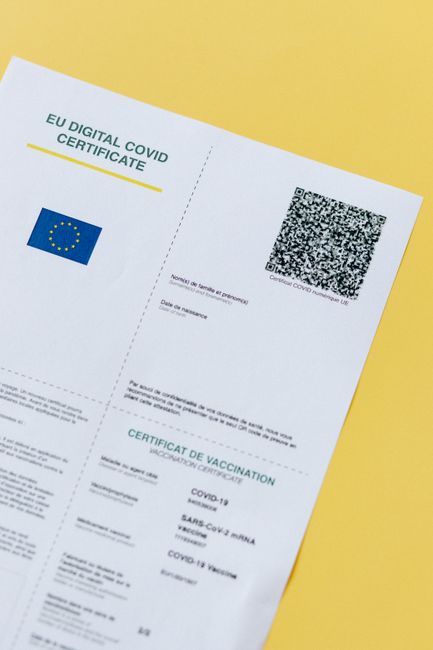
Photo by Nataliya Vaitkevich via Pexels
CE Marking (European Union)
CE marking is required for products sold in the EU. When considering certification, Applicable directives: varies by product type. Common directives: EMC, Low Voltage, Machinery, Toys. Process: testing, technical documentation, Declaration of Conformity. Documentation: Technical File must be maintained. Cost: $2,000-15,000 depending on directives. Timeline: 4-16 weeks. Responsible person: EU-based representative required. CE marking opens access to EU market.
UL/ETL Listing (North America)
Safety certifications for North American market. When considering compliance, UL: Underwriters Laboratories, widely recognized. ETL: Intertek’s certification mark. Scope: electrical products, appliances, components. Process: testing, factory inspection, ongoing surveillance. Cost: $3,000-20,000+ including ongoing fees. Timeline: 8-20 weeks. Retailer requirement: many retailers require safety certification. UL/ETL demonstrates commitment to safety.
Certification Comparison Table
| Certification | Market | Products | Cost | Timeline |
|---|---|---|---|---|
| FCC | United States | Electronics, RF devices | $1,000-10,000 | 4-12 weeks |
| CE Marking | European Union | Most products | $2,000-15,000 | 4-16 weeks |
| UL/ETL | North America | Electrical products | $3,000-20,000 | 8-20 weeks |
| FDA | United States | Food, medical, cosmetics | $500-10,000 | 2-12 weeks |
| RoHS | EU, California | Electronics | $500-3,000 | 2-6 weeks |
Certifications by Product Category
Electronics Certifications
Electronics require multiple certifications. When considering product certification, FCC: required for US market, covers RF emissions. CE: required for EU, includes EMC and Low Voltage directives. UL/ETL: safety certification for North America. RoHS: restricts hazardous substances. CCC: required for China market. Energy efficiency: Energy Star, ErP directive. Electronics typically need multiple certifications for global markets.
Children’s Products Certifications
Children’s products have strict requirements. When considering certification, CPSIA: US Consumer Product Safety Improvement Act. CPC: Children’s Product Certificate required. Testing: third-party testing by CPSC-accepted lab. Tracking labels: permanent tracking information required. Lead limits: strict limits on lead content. Phthalates: restrictions on certain phthalates. Children’s products require comprehensive compliance.
Food and Beverage Certifications
Food products have specific requirements. When considering compliance, FDA registration: facility registration required. Food contact materials: FDA or EU compliance. HACCP: food safety management system. Organic certification: for organic claims. Kosher/Halal: for religious dietary requirements. GFSI standards: BRC, SQF, FSSC 22000. Food compliance is complex and critical.
Medical Device Certifications
Medical devices have stringent requirements. When considering product certification, FDA: classification determines requirements. CE MDR: EU Medical Device Regulation. ISO 13485: quality management for medical devices. Clinical evaluation: may be required. Post-market surveillance: ongoing requirements. Regulatory strategy: plan early for medical devices. Medical device compliance is complex and expensive.
The Certification Process
Step 1: Determine Requirements
Identify which certifications you need. Target markets: where will you sell the product? Product category: what type of product? Specific features: do special features trigger requirements? Retailer requirements: what do retailers require? Industry standards: what’s typical for your category? Regulatory research: check official sources. Understanding requirements is the first step.
Step 2: Select a Testing Lab
Choose an appropriate testing laboratory. Accreditation: lab must be accredited for required tests. Recognition: lab recognized by relevant authorities. Experience: lab familiar with your product type. Location: China-based labs can be convenient. Cost: compare pricing across labs. Timeline: understand lead times. Communication: English-speaking staff important. Lab selection affects process quality.
Step 3: Prepare Documentation
Gather required documentation. Technical files: detailed product specifications. Schematics: circuit diagrams for electronics. Bill of materials: component lists. User manuals: operating instructions. Label artwork: proposed labels and markings. Quality documentation: manufacturing processes. Complete documentation speeds the process.
Step 4: Testing and Evaluation
Submit samples for testing. Sample quantity: typically 3-10 units depending on tests. Sample condition: production-representative samples. Testing duration: varies by certification type. Failures: address and retest if needed. Test reports: detailed documentation of results. Modifications: may require retesting. Testing validates compliance.
Step 5: Certification Issuance
Receive certification documentation. Certificate: official certification document. Test reports: detailed test results. Usage rights: how to use certification marks. Validity period: how long certification lasts. Renewal requirements: ongoing obligations. Record keeping: maintain documentation. Certification enables market access.
Common Certification Mistakes
Mistake 1: Assuming Manufacturer Handles Everything
The importer is legally responsible for compliance. Don’t assume the manufacturer has proper certifications. Verify all documentation independently. Your business is at risk if products are non-compliant.
Mistake 2: Using Fake Certificates
Fake certificates are common from some suppliers. Verify certificates with issuing bodies. Check certificate numbers online. Contact certification bodies directly. Fake certificates expose you to serious liability.
Mistake 3: Wrong Product Classification
Misclassification leads to wrong certifications. Research correct HS codes and product categories. Consult with certification experts. Wrong classification means wrong requirements and potential problems.
Mistake 4: Ignoring Ongoing Requirements
Certifications often have ongoing obligations. Factory inspections: UL requires periodic inspections. Surveillance: ongoing testing may be required. Changes: product changes may require re-certification. Documentation: maintain records as required. Compliance is ongoing, not one-time.
Mistake 5: Waiting Until the Last Minute
Certification takes time. Start early in product development. Budget adequate time for testing and potential failures. Rush orders cost more and may miss issues. Plan certifications from the beginning.
Working with Certification Bodies
Major Certification Bodies
Choose from established certification organizations. UL: Underwriters Laboratories, safety certification. Intertek: ETL mark, global testing. SGS: testing and certification worldwide. TÜV: German certification organizations. Bureau Veritas: testing and certification. CSA: Canadian Standards Association. Choose bodies recognized in your target markets.
Cost Considerations
Budget for certification costs. Testing fees: $500-10,000+ depending on scope. Certification fees: $200-5,000 for certificate issuance. Factory inspection: $1,000-3,000 per visit. Annual fees: $500-2,000 for maintenance. Travel expenses: for inspector visits. Multiple markets: costs multiply for each market. Certification is a significant investment.
Timeline Planning
Plan realistic certification timelines. Application processing: 1-2 weeks. Sample preparation: 1-2 weeks. Testing: 2-8 weeks depending on complexity. Report review: 1-2 weeks. Certificate issuance: 1-2 weeks. Total timeline: 4-16 weeks typical. Build certification into product development schedule.
Certification for Multiple Markets
Harmonized Standards
Some certifications are recognized across markets. IEC standards: international electrical standards. ISO standards: international quality standards. CB scheme: mutual recognition for electrical safety. Mutual recognition: some certifications accepted across jurisdictions. Harmonized standards reduce testing burden. Research mutual recognition opportunities.
Market-Specific Requirements
Many certifications are market-specific. US: FCC, FDA, UL. EU: CE marking, specific directives. UK: UKCA marking post-Brexit. Canada: CSA, IC certification. Australia: C-tick, various standards. China: CCC certification. Plan for each target market’s requirements.
Efficient Multi-Market Certification
Optimize certification for multiple markets. Combined testing: test for multiple standards at once. Choose flexible labs: labs accredited for multiple markets. Plan early: design for multiple market requirements. Documentation: maintain comprehensive technical files. Testing sequence: plan efficient testing order. Strategic planning reduces costs and time.
Conclusion
Product certifications are essential for legal market access and consumer protection. This guide covered: why certifications matter for legal compliance and market access, major certification types including FCC, CE, UL, and FDA, certification requirements by product category, the certification process from requirements to issuance, common mistakes to avoid, and strategies for multi-market certification. The key principles: research requirements before product development, budget for certification costs and timelines, verify manufacturer claims independently, work with accredited testing laboratories, and maintain ongoing compliance. Certification is an investment in your product’s success and your brand’s protection. Non-compliance can result in seized products, fines, recalls, and damaged reputation. Take certifications seriously, plan for them early, and ensure your products meet all requirements for your target markets. The cost of certification is far less than the cost of non-compliance.
Need Help with Product Certifications for China Imports?
Top China Sourcing helps you navigate certification requirements, find accredited testing labs, and ensure your products meet all compliance standards. We make certification straightforward. Contact us today to discuss your certification needs.
Last updated: April 30, 2026 | Product Certifications Guide by TCS Editorial Team
Sources
- FCC Equipment Authorization Guide 2026
- EU CE Marking Documentation
- UL Certification Requirements
- FDA Import Requirements 2026
- TCS Certification Project Data 2026