Introduction to China’s Manufacturing Landscape in 2026
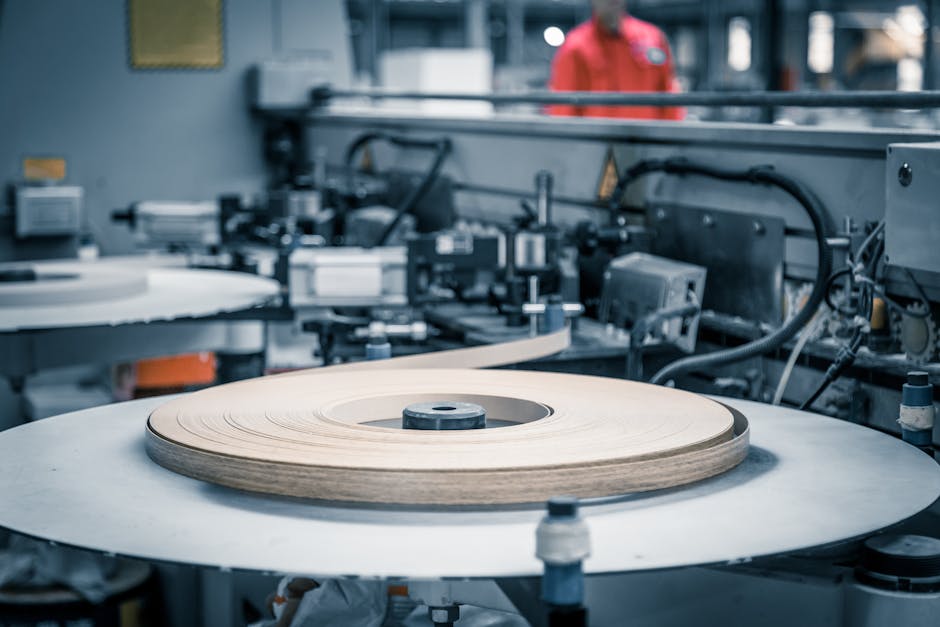
China remains the world’s manufacturing powerhouse in 2026, producing approximately 28% of global manufacturing output despite rising labor costs and increasing competition from Southeast Asian countries. The country’s manufacturing ecosystem has evolved significantly, with different regions specializing in distinct industries and offering unique advantages for international buyers. Understanding these regional differences is crucial for businesses looking to optimize their sourcing strategies and maintain competitive edges in their respective markets.
The manufacturing landscape has transformed dramatically over the past decade, with China moving up the value chain from simple assembly work to sophisticated production capabilities. Today, Chinese manufacturers offer everything from basic consumer goods to advanced electronics, automotive components, and medical devices. This evolution has created a diverse ecosystem where different regions have developed specialized expertise, infrastructure, and supply chain networks that cater to specific industry needs.
For businesses sourcing from China, selecting the right manufacturing region can impact costs by 15-25%, lead times by 20-40 days, and product quality significantly. This comprehensive guide will walk you through China’s major manufacturing regions, their specializations, advantages, and how to determine which region best suits your sourcing requirements. Whether you’re an Amazon FBA seller, a direct-to-consumer brand, or an established retailer, understanding these regional dynamics will help you make informed sourcing decisions.
The Pearl River Delta: China’s Electronics and Technology Hub
Shenzhen: The Silicon Valley of Hardware
Shenzhen has established itself as the global epicenter for electronics manufacturing, earning its reputation as the “Silicon Valley of Hardware.” The city hosts over 35,000 electronics manufacturers and suppliers, making it an unparalleled ecosystem for consumer electronics, smart devices, and IoT products. Companies like Huawei, DJI, and Tencent have their headquarters here, while international giants like Tesla maintain significant operations in the region. The concentration of suppliers creates a unique advantage where you can source everything from printed circuit boards to packaging within a 50-kilometer radius.
The city’s manufacturing infrastructure supports rapid prototyping and small-batch production, with lead times as short as 7-14 days for sample development. This agility makes Shenzhen particularly attractive for startups and businesses testing new products. Labor costs in Shenzhen average $800-1,200 per month for skilled electronics workers, higher than other regions but justified by the specialized expertise and infrastructure available. Quality control services from companies like QIMA and SGS are readily available, with most inspectors based in the region.
Dongguan: The Manufacturing Backbone
Dongguan serves as the industrial backbone of the Pearl River Delta, specializing in electronics components, plastic injection molding, and furniture manufacturing. The city produces over 60% of the world’s furniture components and houses more than 8,000 factories dedicated to electronics accessories and components. Manufacturing costs in Dongguan are typically 15-20% lower than Shenzhen, making it an attractive alternative for price-sensitive products that don’t require the same level of innovation speed.
The city has invested heavily in automation over the past five years, with government subsidies covering 30-40% of automation equipment costs for qualifying manufacturers. This investment has improved product consistency and reduced defect rates to below 2% for many established factories. Dongguan’s proximity to Shenzhen (approximately 60 kilometers) allows buyers to leverage both cities’ strengths—prototyping in Shenzhen while scaling production in Dongguan.
Foshan: Home Appliances and Ceramics Center
Foshan dominates China’s home appliance and ceramics manufacturing sectors, producing approximately 40% of the country’s ceramic tiles and 25% of its home appliances. Major brands like Midea and Galanz have their manufacturing bases here, alongside thousands of smaller suppliers serving both domestic and international markets. The city’s ceramics industry alone generates over $15 billion in annual output, with products exported to more than 150 countries worldwide.
Manufacturing lead times for home appliances in Foshan typically range from 30-45 days for standard products, while custom designs require 60-90 days including tooling development. The region has developed strong capabilities in energy-efficient appliances, aligning with global sustainability trends and regulatory requirements. Quality standards have improved significantly, with many factories achieving ISO 9001 and ISO 14001 certifications to meet international buyer requirements.
Yangtze River Delta: Precision Manufacturing and Textiles
Shanghai: Gateway to Premium Manufacturing
Shanghai serves as China’s financial center and a gateway to the sophisticated manufacturing capabilities of the Yangtze River Delta. The city itself focuses on high-value manufacturing including automotive components, medical devices, and precision instruments. Major international companies like Tesla operate their Gigafactory here, producing vehicles for both domestic and export markets. Shanghai’s manufacturing workforce is among the most skilled in China, with labor costs reflecting this expertise at $1,000-1,500 per month for qualified technicians.
The city’s port infrastructure handles over 43 million TEUs annually, making it the world’s busiest container port and ensuring efficient logistics for export-oriented manufacturing. Shipping lead times to US West Coast ports average 14-18 days, while European destinations require 28-35 days. Shanghai’s position as a financial hub also facilitates easier payment processing, trade financing, and access to international business services that support manufacturing operations.
Ningbo: Plastics and General Manufacturing Excellence
Ningbo has emerged as a manufacturing powerhouse specializing in plastic products, auto parts, and general consumer goods. The city hosts over 60,000 manufacturing enterprises and is particularly known for injection molding capabilities, producing everything from household items to industrial components. Manufacturing costs in Ningbo are approximately 20-25% lower than Shanghai while maintaining strong quality standards, making it an attractive option for mid-range products.
The city’s port ranks among the top five globally, handling over 30 million TEUs annually and offering direct shipping routes to major markets worldwide. Ningbo’s manufacturing clusters have developed strong vertical integration, with many factories capable of handling raw material processing, component manufacturing, and final assembly under one roof. This integration reduces lead times by 15-20% compared to multi-supplier arrangements and improves quality control throughout the production process.
Hangzhou: E-commerce and Light Manufacturing Hub
Hangzhou combines strong manufacturing capabilities with its position as China’s e-commerce capital, hosting Alibaba’s headquarters and a thriving ecosystem of online sellers. The city specializes in light manufacturing including textiles, consumer electronics, and small appliances. This unique combination makes Hangzhou particularly attractive for businesses selling on platforms like Amazon, as manufacturers here understand e-commerce requirements including packaging, labeling, and compliance documentation.
The city’s textile industry produces over $20 billion in annual output, with particular strength in silk products, synthetic fabrics, and finished garments. Manufacturing lead times for textile products range from 25-40 days for standard items, while custom designs with new patterns or materials require 45-75 days. Hangzhou’s manufacturers have adapted well to smaller order quantities typical of e-commerce businesses, with many factories accepting MOQs as low as 100-500 units for established products.
Northern China: Heavy Industry and Traditional Manufacturing
Tianjin: Automotive and Heavy Equipment Manufacturing
Tianjin serves as Northern China’s primary manufacturing center for automotive components, heavy machinery, and aerospace parts. The city hosts manufacturing facilities for major automotive companies including Toyota, Volkswagen, and numerous Chinese OEMs. Manufacturing capabilities extend from precision components to complete vehicle assembly, with the automotive sector alone generating over $50 billion in annual output. Labor costs in Tianjin average $700-1,000 per month, lower than coastal cities in the south while maintaining strong technical capabilities.
The city’s port handles over 20 million TEUs annually and offers the shortest shipping routes to Northern European and Russian markets. Manufacturing lead times for automotive components typically range from 45-60 days for standard parts, while custom-engineered components require 90-120 days including tooling development and validation. Tianjin’s manufacturers have invested heavily in quality management systems, with many achieving IATF 16949 certification required for automotive supply chains.
Qingdao: Home Appliances and Textile Manufacturing
Qingdao combines strong manufacturing capabilities with excellent port infrastructure, specializing in home appliances, textiles, and food processing. The city is home to Haier, one of the world’s largest appliance manufacturers, alongside thousands of smaller factories serving global markets. Manufacturing costs in Qingdao are approximately 15-20% lower than Shanghai and Ningbo, making it attractive for price-competitive products. The region has developed particular expertise in energy-efficient appliances and smart home devices.
Textile manufacturing in Qingdao focuses on mid-range products including cotton garments, home textiles, and industrial fabrics. Production lead times range from 35-50 days for standard textile products, with MOQs typically starting at 500-1,000 units. The city’s port offers direct shipping routes to North America, Europe, and Southeast Asia, with transit times to US West Coast averaging 12-16 days. Quality control services from companies like Intertek and SGS are well-established in the region.
Shandong Province: Diversified Manufacturing Base
Shandong Province offers a diversified manufacturing base spanning heavy machinery, chemicals, textiles, and agricultural processing. The province generates over $2 trillion in annual manufacturing output, making it one of China’s largest industrial regions. Cities like Jinan, Weifang, and Yantai each specialize in different sectors, creating a comprehensive manufacturing ecosystem. Labor costs across Shandong average $600-900 per month, among the lowest in China’s developed manufacturing regions.
The province has developed strong capabilities in agricultural machinery and food processing equipment, leveraging its position as one of China’s major agricultural regions. Manufacturing lead times for machinery products typically range from 60-90 days, while food processing equipment requires 45-75 days depending on complexity. Shandong’s manufacturers have increasingly focused on export markets, with many achieving international certifications including CE marking for European markets and UL listing for North American buyers.
Inland Manufacturing Regions: Cost-Effective Alternatives
Chengdu: Electronics and Aerospace Manufacturing
Chengdu has emerged as Western China’s manufacturing center, specializing in electronics, aerospace components, and automotive parts. The city hosts manufacturing facilities for companies including Intel, Foxconn, and numerous Chinese aerospace companies. Manufacturing costs in Chengdu are approximately 25-30% lower than coastal cities, while labor availability is strong due to the region’s growing population and numerous technical universities. The city produces over $100 billion in annual manufacturing output, with electronics accounting for approximately 40% of production.
Despite its inland location, Chengdu offers efficient logistics through rail connections to Europe via the China-Europe Railway Express, with transit times of 14-18 days to major European destinations. This rail option is particularly attractive for high-value electronics and time-sensitive shipments. Manufacturing lead times in Chengdu are comparable to coastal regions, typically 30-45 days for electronics products, as factories have developed efficient supply chain networks to compensate for the inland location.
Wuhan: Central China’s Manufacturing Hub
Wuhan serves as Central China’s primary manufacturing center, with strengths in automotive, optics, and biomedical products. The city hosts manufacturing facilities for companies including Dongfeng Motor, numerous optical instrument manufacturers, and a growing biomedical industry. Manufacturing costs in Wuhan are approximately 20-25% lower than Shanghai while maintaining strong quality standards. The city’s central location provides good access to both domestic and international markets, with rail and river transport options supplementing traditional shipping routes.
The optics industry in Wuhan is particularly notable, producing approximately 40% of China’s optical instruments and components. Manufacturing lead times for optical products range from 45-60 days for standard items, while custom optical systems require 90-120 days including design and validation. Wuhan’s manufacturers have invested heavily in automation and quality control, with many achieving ISO 13485 certification for medical device manufacturing and other specialized certifications.
Chongqing: Automotive and Electronics Manufacturing
Chongqing has developed into Western China’s largest manufacturing city, with particular strength in automotive production and electronics. The city produces over 2 million vehicles annually and hosts manufacturing facilities for Ford, Changan, and numerous component suppliers. Electronics manufacturing has grown rapidly, with companies including Foxconn operating major facilities in the city. Manufacturing costs are approximately 30% lower than coastal cities, making Chongqing attractive for labor-intensive products and large-scale production.
The city’s position on the Yangtze River provides efficient water transport to Shanghai’s port, with transit times of 5-7 days for container shipments. Combined with ocean shipping, total transit times to US markets average 25-35 days. Manufacturing lead times for automotive components typically range from 45-75 days, while consumer electronics require 30-50 days depending on complexity. Chongqing’s government offers attractive incentives for manufacturers, including tax breaks and subsidized factory space in designated industrial zones.
Specialized Manufacturing Clusters
Yiwu: Small Commodities and General Merchandise
Yiwu has developed into the world’s largest small commodities market, hosting over 75,000 booths selling more than 400,000 different product categories. While primarily known as a trading hub, Yiwu also supports extensive manufacturing operations in surrounding areas, producing everything from holiday decorations to hardware, toys, and daily necessities. Manufacturing costs in Yiwu are among the lowest in China, typically 30-50% lower than coastal manufacturing centers, making it ideal for price-sensitive products and promotional items.
Minimum order quantities in Yiwu are exceptionally low, with many suppliers accepting orders of 50-100 units for stock products. Custom products typically require MOQs of 500-1,000 units, significantly lower than other manufacturing regions. Lead times for stock products can be as short as 7-14 days, while custom orders require 25-40 days. Quality standards vary significantly among Yiwu suppliers, making third-party inspection services from companies like QIMA essential for ensuring product consistency.
Wenzhou: Footwear and Leather Goods Manufacturing
Wenzhou has established itself as China’s footwear manufacturing capital, producing over 1 billion pairs of shoes annually and accounting for approximately 25% of China’s shoe exports. The city hosts over 4,000 footwear manufacturers ranging from small workshops to large-scale factories producing for international brands. Manufacturing capabilities extend from basic canvas shoes to high-end leather footwear, with labor costs averaging $700-1,000 per month for skilled workers. Production lead times typically range from 30-45 days for standard designs, while custom footwear requires 45-60 days including pattern development.
Beyond footwear, Wenzhou has developed strong capabilities in leather goods, eyewear, and electrical equipment. The city’s manufacturers have adapted well to smaller order quantities typical of e-commerce businesses, with many factories accepting MOQs of 200-500 pairs for established designs. Quality control is critical in footwear manufacturing, and Wenzhou hosts numerous testing laboratories and inspection services to ensure products meet international standards including REACH compliance for European markets.
Shantou: Toys and Plastic Products Manufacturing
Shantou specializes in toy manufacturing and plastic products, producing approximately 30% of China’s toy exports. The city hosts over 10,000 toy manufacturers and suppliers, creating a comprehensive ecosystem for toy design, manufacturing, and packaging. Manufacturing costs in Shantou are approximately 20-25% lower than Shenzhen, while maintaining strong capabilities in plastic injection molding, electronic toy assembly, and safety testing. The region has invested heavily in toy safety compliance, with many factories achieving certifications including ASTM F963 for US markets and EN71 for European markets.
Production lead times for toys typically range from 30-45 days for standard products, while custom designs with new molds require 45-75 days. MOQs vary significantly based on product complexity, ranging from 500-1,000 units for simple plastic toys to 2,000-5,000 units for electronic or complex products. Shantou’s manufacturers have developed strong relationships with testing laboratories including SGS and Intertek, facilitating efficient safety certification processes required for toy imports in major markets.
Choosing the Right Manufacturing Region for Your Products
Electronics and Technology Products
For electronics and technology products, the Pearl River Delta—particularly Shenzhen and Dongguan—offers the most comprehensive ecosystem. The concentration of suppliers, skilled workforce, and rapid prototyping capabilities make this region ideal for consumer electronics, smart devices, and IoT products. Businesses can expect manufacturing costs of $2,000-5,000 per unit for sophisticated electronics in small quantities, decreasing to $500-1,500 per unit at scale. Lead times for electronics products typically range from 30-45 days for established designs, while new product development requires 60-90 days including prototyping and validation.
The region’s strength in electronics extends to supporting industries including PCB manufacturing, component sourcing, and specialized testing services. Companies like professional sourcing agents can help navigate the complex supplier landscape and identify manufacturers that meet specific quality and capability requirements. For businesses selling on Amazon, understanding FBA requirements and working with manufacturers experienced in e-commerce fulfillment is essential for success.
Textiles and Apparel Products
Textile and apparel manufacturing is distributed across multiple regions, with each offering distinct advantages. Hangzhou and surrounding Zhejiang Province cities specialize in silk and high-quality fabrics, while Qingdao and Shandong focus on cotton and mid-range textiles. Guangdong Province offers comprehensive garment manufacturing capabilities with strong design and sampling services. Manufacturing costs for garments range from $3-15 per unit depending on complexity and materials, with lead times of 35-50 days for standard designs and 60-90 days for custom developments.
Quality control is particularly important in textile manufacturing, where variations in materials and workmanship can significantly impact product quality. Professional inspection services are essential for ensuring consistent quality across production runs. Businesses should also consider sustainability requirements, as many markets now require documentation of material sourcing and production practices. Leading manufacturers in these regions have achieved certifications including OEKO-TEX, GOTS for organic products, and various brand-specific sustainability standards.
Home Appliances and Consumer Goods
Home appliances and consumer goods are well-served by multiple regions including Foshan, Ningbo, and Qingdao. Foshan excels in small appliances and ceramics, Ningbo offers strong plastic manufacturing capabilities, and Qingdao provides cost-effective production for larger appliances. Manufacturing costs for home appliances range from $5-50 per unit depending on complexity and features, with lead times of 30-45 days for standard products and 60-90 days for custom designs. The key advantage of these regions is their established supply chains and experience with international safety standards including UL, CE, and various energy efficiency certifications.
For businesses new to sourcing home appliances, working with established manufacturers who have experience with international markets is crucial. These manufacturers understand documentation requirements, safety testing protocols, and packaging standards required for different markets. Many also offer design services and can help optimize products for cost and manufacturability. Quality control inspections should include electrical safety testing, performance verification, and packaging integrity checks to ensure products arrive in market-ready condition.
Logistics and Shipping Considerations
Port Selection and Shipping Routes
Selecting the right manufacturing region significantly impacts logistics costs and transit times. Shanghai and Ningbo offer the most shipping options with frequent sailings to all major markets, while Shenzhen’s Yantian and Shekou ports provide excellent service to North American and European destinations. Northern ports including Tianjin and Qingdao offer shorter transit times to Northern Europe and are advantageous for buyers in those markets. Shipping costs vary by region and season, typically ranging from $2,000-5,000 per 40-foot container to US West Coast and $3,000-6,000 to European ports.
Transit times from major Chinese ports to key markets include 12-18 days to US West Coast, 25-35 days to US East Coast, 28-35 days to Northern Europe, and 18-25 days to Mediterranean ports. Inland manufacturing regions including Chengdu, Wuhan, and Chongqing add 5-10 days to transit times but offer lower manufacturing costs that often compensate for extended logistics. The China-Europe Railway Express provides an alternative for time-sensitive shipments from inland regions, with transit times of 14-18 days to major European destinations at costs 30-50% higher than ocean freight.
Customs and Import Compliance
Understanding customs requirements and import compliance is essential for successful sourcing from China. Different product categories face varying regulatory requirements, with electronics requiring FCC certification for US markets, toys needing ASTM F963 testing, and textiles subject to flammability and chemical content regulations. Working with manufacturers who have experience exporting to your target markets significantly simplifies compliance, as they understand documentation requirements and can arrange necessary testing through companies like SGS, Intertek, or QIMA.
Import duties vary significantly by product category and country of destination, ranging from 0% to over 25% for some products. The US-China trade relationship continues to evolve, with many products subject to additional Section 301 tariffs of 7.5-25%. Businesses should factor these costs into their sourcing decisions and consider strategies including tariff engineering, alternative sourcing, or first-sale valuation to optimize landed costs. Working with experienced customs brokers and trade compliance specialists can help navigate these complexities and identify opportunities for cost optimization.
Quality Control and Supplier Management
Implementing Effective Quality Control Systems
Quality control is critical for successful sourcing from China, regardless of the manufacturing region selected. Implementing a comprehensive quality control system including pre-production inspections, during-production checks, and pre-shipment inspections can reduce defect rates to below 2% and prevent costly returns and customer complaints. Third-party inspection services from companies like QIMA, SGS, and Intertek provide objective quality assessments and are available in all major manufacturing regions. Inspection costs typically range from $200-400 per man-day, with most inspections requiring 1-3 days depending on order size and complexity.
Effective quality control begins with clear product specifications including detailed drawings, material requirements, and acceptance criteria. Developing a comprehensive quality checklist that inspectors can use during factory visits ensures consistent evaluation across production runs. For high-value or complex products, consider stationing a quality engineer at the factory during production to address issues in real-time. Many businesses also implement supplier scorecards to track quality performance over time and identify opportunities for improvement or alternative sourcing.
Building Strong Supplier Relationships
Building strong relationships with Chinese manufacturers is essential for long-term sourcing success. This includes regular communication, fair treatment, and mutual respect for business objectives. Visiting factories in person, while not always practical, demonstrates commitment and helps build trust. Many successful sourcing relationships span decades and provide competitive advantages including priority production capacity, access to new product development capabilities, and favorable payment terms. Investing in these relationships pays dividends through improved quality, better pricing, and more reliable delivery performance.
Managing supplier relationships also requires clear contracts and agreements that specify quality standards, delivery requirements, and remedies for non-compliance. Working with experienced sourcing agents or legal counsel familiar with Chinese manufacturing can help develop agreements that protect your interests while maintaining positive supplier relationships. Regular performance reviews, open communication about challenges, and collaborative problem-solving contribute to successful long-term partnerships that benefit both parties.
Future Trends in China Manufacturing
Automation and Industry 4.0 Adoption
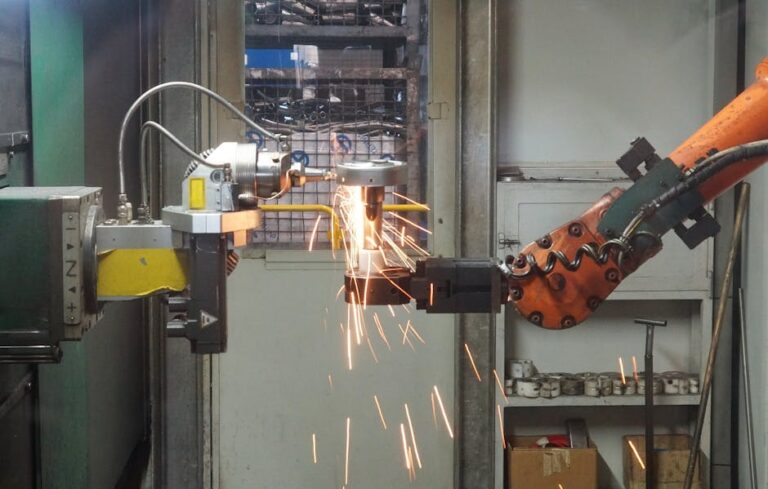
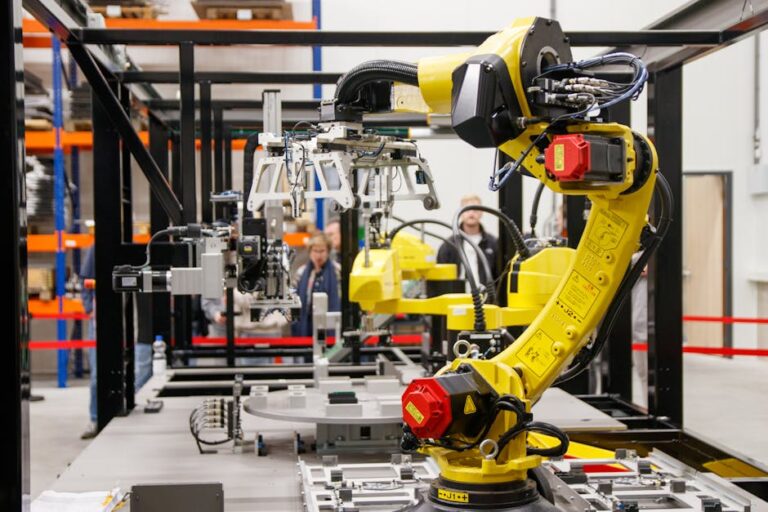
China’s manufacturing sector is undergoing significant transformation through automation and Industry 4.0 adoption. Government initiatives including “Made in China 2025” have accelerated investment in smart manufacturing, with factories increasingly deploying robotics, IoT sensors, and AI-powered quality control systems. This transformation is improving product consistency, reducing defect rates, and enabling more flexible production capabilities. For buyers, this means access to higher quality products and potentially smaller minimum order quantities as setup times and costs decrease.
The automation trend is most pronounced in coastal regions where labor costs are highest, with factories in Shenzhen, Shanghai, and Ningbo leading adoption. However, inland regions are also investing in automation to compete with coastal alternatives. Businesses sourcing from China should evaluate manufacturers’ automation capabilities and consider how these investments might benefit their products in terms of quality, cost, and flexibility. Working with manufacturers who are embracing these technologies can provide competitive advantages as the industry continues to evolve.
Sustainability and Environmental Compliance
Environmental regulations in China have tightened significantly over the past decade, with implications for manufacturing costs and capabilities. Factories face stricter emissions standards, waste disposal requirements, and energy efficiency mandates. While these regulations have increased manufacturing costs by 5-15% in some sectors, they have also driven improvements in production efficiency and product quality. Many manufacturers have achieved international environmental certifications including ISO 14001 and are developing capabilities in sustainable materials and circular economy practices.
For international buyers, understanding manufacturers’ environmental compliance is increasingly important as consumers and regulators demand greater supply chain transparency. Many leading brands now require suppliers to meet specific environmental and social standards, including carbon footprint reporting and worker welfare requirements. When evaluating suppliers, consider their environmental certifications, sustainability initiatives, and ability to provide documentation required by your markets. These factors are becoming essential for market access and brand reputation in many product categories.
Conclusion: Making Informed Sourcing Decisions
China’s diverse manufacturing landscape offers opportunities for businesses across all product categories and budget levels. The key to successful sourcing lies in matching your specific requirements with the right manufacturing region, considering factors including product type, quality requirements, order quantities, and target markets. Whether you’re sourcing electronics from Shenzhen, textiles from Hangzhou, or home appliances from Foshan, understanding regional strengths and capabilities enables informed decisions that optimize cost, quality, and delivery performance.
As China’s manufacturing sector continues to evolve through automation, sustainability initiatives, and quality improvements, the opportunities for international buyers will only expand. Building strong supplier relationships, implementing robust quality control systems, and staying informed about regulatory requirements are essential practices for long-term sourcing success. With the right approach and partners, sourcing from China remains a compelling strategy for businesses seeking competitive manufacturing solutions.
Partner with topchinasourcing.com – contact us at https://topchinasourcing.com/contact/