China to Latin America Sourcing: 2026 Emerging Markets
Latin America represents one of the fastest-growing regions for Chinese imports, with bilateral trade exceeding $450 billion annually. In 2026, understanding regional trade agreements, import regulations, and market-specific requirements is essential for successful China-Latin America sourcing operations.
Key Takeaways
- Latin America imports over $200 billion from China annually, with Brazil and Mexico as top markets
- Key sectors include electronics, machinery, vehicles, and consumer goods
- Import regulations vary significantly by country—Mexico has USMCA considerations, Brazil has complex tariffs
- Spanish and Portuguese language requirements for labeling and documentation
- Growing e-commerce platforms like Mercado Libre offer market entry opportunities
Regional Market Overview
Key Markets
| Country | Imports from China | Key Products | Market Characteristics |
|---|---|---|---|
| Brazil | $60+ billion | Electronics, machinery, vehicles | Largest market, complex regulations |
| Mexico | $100+ billion | Electronics, machinery, auto parts | USMCA partner, manufacturing hub |
| Chile | $20+ billion | Electronics, machinery, vehicles | Open economy, FTA with China |
| Peru | $15+ billion | Electronics, machinery, textiles | Growing market, FTA with China |
| Colombia | $12+ billion | Electronics, machinery, vehicles | Emerging market, improving infrastructure |
Market Characteristics
- Growing Middle Class: Increasing consumer purchasing power
- Infrastructure Investment: Major projects driving demand for machinery
- E-commerce Growth: Mercado Libre leads online retail
- Trade Agreements: Multiple FTAs with China in place
- Currency Considerations: Exchange rate volatility in some markets
Trade Agreements and Tariffs
China-Latin America Free Trade Agreements
| Country | FTA Status | Key Benefits |
|---|---|---|
| Chile | FTA since 2006 | 97% of products duty-free |
| Peru | FTA since 2010 | Most products duty-free |
| Costa Rica | FTA since 2011 | Most products duty-free |
| Ecuador | FTA signed 2023 | Progressive tariff elimination |
| Nicaragua | FTA signed 2023 | Tariff reductions ongoing |
MFN Duty Rates (Non-FTA Countries)
- Brazil: Average 14-35% on most products
- Mexico: 0-20% depending on product category
- Argentina: 14-35% with additional restrictions
- Colombia: 5-20% on most products
Country-Specific Requirements
Brazil
- Import License: LI (Licença de Importação) required for most products
- NCM Code: Brazilian classification system based on Mercosur
- INMETRO: Certification for electrical products, toys, medical devices
- ANVISA: Registration for food, cosmetics, health products
- Labeling: Portuguese required, specific format requirements
Mexico
- NOM Certification: Required for many product categories
- Labeling: Spanish required, NOM standards for specific products
- USMCA: Consider rules of origin for re-export to US/Canada
- Customs: Pedimento (customs declaration) required
- Tax ID: RFC (Registro Federal de Contribuyentes) required
Chile
- Duty: Most products duty-free under FTA
- VAT: 19% value-added tax
- Certificate of Origin: Required for FTA benefits
- Labeling: Spanish required for consumer products
- Regulations: Relatively open market
Product Certification Requirements
Electrical Products
| Country | Certification | Requirements |
|---|---|---|
| Brazil | INMETRO | Safety testing, certification mark required |
| Mexico | NOM | NOM certification, local testing required |
| Argentina | IRAM | Safety certification required |
| Colombia | RETIQ | Energy labeling for some products |
| Chile | SEC | Voluntary for most products |
Children’s Products
- Brazil: INMETRO certification for toys, strict safety standards
- Mexico: NOM certification for toys, labeling requirements
- Testing: Third-party testing to local standards required
- Labeling: Age warnings, safety information in local language
Import Process
Documentation Requirements
- Commercial Invoice: Value, description, HS code, origin
- Packing List: Contents, weights, dimensions
- Bill of Lading: Shipping document
- Certificate of Origin: For FTA preferential rates
- Import License: Required in Brazil and some other countries
- Product Certifications: INMETRO, NOM, or other as applicable
Customs Clearance
- Brazil: SISCOMEX system, complex procedures
- Mexico: VUCEM system, pedimento declaration
- Chile: Simplified procedures, efficient clearance
- Broker: Customs broker recommended for most countries
Shipping and Logistics
Transit Times
- Mexico (Lazaro Cardenas/Manzanillo): 20-30 days from China
- Brazil (Santos): 30-40 days from China
- Chile (San Antonio): 30-35 days from China
- Peru (Callao): 30-35 days from China
- Colombia (Buenaventura): 30-40 days from China
Major Ports
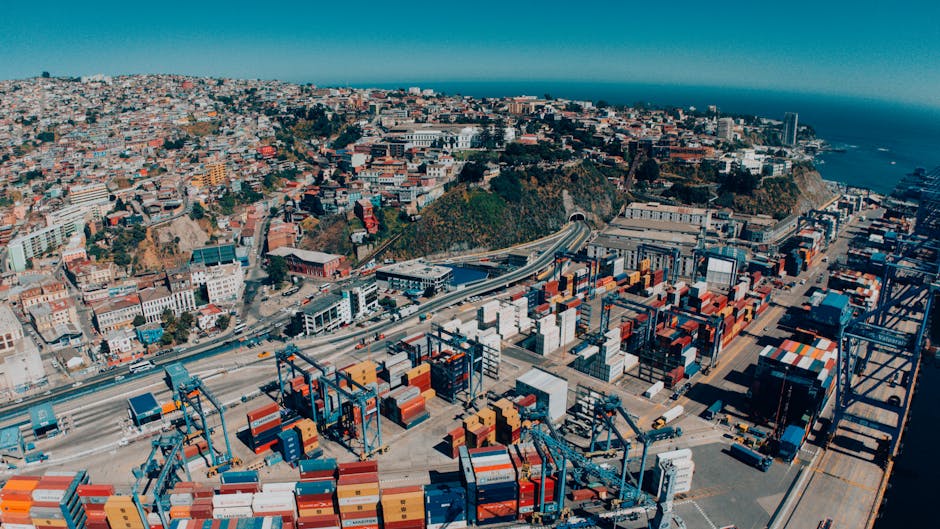
- Santos (Brazil): Largest port in Latin America
- Lazaro Cardenas (Mexico): Major Pacific port
- Buenaventura (Colombia): Main Pacific port
- Callao (Peru): Peru’s largest port
- San Antonio (Chile): Chile’s main port
E-commerce Market Entry
Mercado Libre
- Market: Largest e-commerce platform in Latin America
- Countries: 18 countries across the region
- Fulfillment: Fulfillment services available
- Requirements: Local entity or cross-border seller program
- Payment: Mercado Pago integrated payment system
Cross-Border Options
- Brazil: Cross-border e-commerce growing, simplified customs for low-value
- Mexico: $50 duty-free threshold for e-commerce
- Chile: $30 threshold for simplified import
- Colombia: $200 threshold for simplified customs
Common Challenges
Myth: Latin America Is One Uniform Market
Reality: Each country has distinct regulations, languages, and business practices. Brazil requires INMETRO certification and Portuguese labeling, Mexico requires NOM certification and Spanish labeling, and Chile has relatively open import policies. Success requires country-specific strategies.
Common challenges and solutions:
- Language: Portuguese for Brazil, Spanish for other countries
- Certification: Obtain country-specific certifications before shipping
- Import Licenses: Apply for licenses in advance (Brazil)
- Currency: Plan for exchange rate fluctuations
- Customs: Work with experienced local customs brokers
Payment and Finance
Payment Methods
- Letters of Credit: Common for larger transactions
- Wire Transfer: Standard for established relationships
- Currency: USD commonly used, local currency options
- Payment Terms: 30-60 days common for established buyers
Trade Finance
- Export Credit: Available from Chinese banks for Latin American buyers
- Insurance: Sinosure coverage for Chinese exporters
- Local Financing: Available through Latin American banks
Conclusion
Latin America offers significant opportunities for Chinese imports, driven by growing consumer markets, infrastructure investment, and trade agreements. Success requires understanding country-specific regulations, obtaining proper certifications, and navigating diverse market conditions.
Key success factors include INMETRO certification for Brazil, NOM certification for Mexico, proper language labeling, and leveraging e-commerce platforms like Mercado Libre. With proper execution, China-Latin America sourcing can be highly successful.