China to Japan Sourcing: 2026 Quality Standards
Japan represents a premium market for Chinese imports, with bilateral trade exceeding $300 billion annually. In 2026, understanding Japan’s rigorous quality standards, certification requirements, and business culture is essential for successful China-Japan sourcing operations.
Key Takeaways
- Japan imports over $170 billion from China annually, with machinery, electronics, and textiles as top categories
- Extremely high quality standards—products must meet JIS, PSE, and other Japanese certifications
- Japanese business culture emphasizes long-term relationships and attention to detail
- Import duties generally 0-10% under WTO rates, with consumption tax of 10%
- Labeling in Japanese required for consumer products
Japanese Market Overview
Market Characteristics
- Quality Focus: Japanese consumers demand highest quality standards
- Attention to Detail: Precision and consistency essential
- Long-Term Relationships: Business partnerships built over years
- Aging Population: Products for elderly care growing
- Innovation: Strong demand for new technology and design
Key Import Categories
| Category | Annual Imports | Key Products |
|---|---|---|
| Machinery | $50+ billion | Industrial equipment, components |
| Electronics | $40+ billion | Consumer electronics, components |
| Textiles | $20+ billion | Apparel, fabrics, accessories |
| Chemicals | $15+ billion | Industrial chemicals, materials |
| Food Products | $10+ billion | Processed foods, ingredients |
Regulatory Framework
Key Regulatory Bodies
| Agency | Scope | Key Requirements |
|---|---|---|
| METI | Economy, trade, industry | PSE certification for electrical products |
| MHLW | Health, labor, welfare | Food safety, pharmaceuticals, cosmetics |
| MIC | Internal affairs, communications | TELEC certification for wireless devices |
| JIS | Industrial standards | Japanese Industrial Standards certification |
| Consumer Affairs Agency | Consumer protection | Labeling requirements, product safety |
PSE Certification (Electrical Safety)
- Scope: Electrical products requiring safety certification
- Categories: 116 product categories require PSE mark
- Testing: Must be tested by accredited Japanese or MRA lab
- Mark: PSE mark must be displayed on product
- Cost: $1,000-5,000 depending on product complexity
Product Certification Requirements
Electrical Products
| Product Type | Certification | Requirements |
|---|---|---|
| AC adapters | PSE (Diamond) | Third-party testing, factory inspection |
| Batteries | PSE | Safety testing, documentation |
| Lighting | PSE | Safety testing to JIS standards |
| Power supplies | PSE (Diamond) | Third-party certification required |
| Wireless devices | TELEC (Giteki) | Radio certification required |
Food Products
- MHLW Registration: Required for food imports
- Labeling: Japanese language, nutritional information
- Additives: Only approved additives permitted
- Pesticide Residues: Strict limits enforced
- Inspection: Random testing at port of entry
Textiles and Apparel
- Quality Standards: High expectations for fabric quality
- Labeling: Japanese required, fiber content, care instructions
- Chemical Restrictions: Formaldehyde and other limits
- Sizing: Japanese sizing system differs from Western
Import Duties and Taxes
Duty Rates
| Product Category | Typical Duty Rate | Notes |
|---|---|---|
| Electronics | 0% | Most electronics duty-free |
| Machinery | 0% | Most machinery duty-free |
| Textiles/Apparel | 5-12% | Varies by material and type |
| Food Products | 0-50% | High duties on some agricultural products |
| Chemicals | 0-5% | Most chemicals low duty |
Consumption Tax
- Standard Rate: 10% applied to most goods
- Reduced Rate: 8% for food and beverages (excluding alcohol)
- Calculation: Applied to CIF value plus duty
- Threshold: ¥10,000 minimum for taxable imports
Import Process
Documentation Requirements
- Commercial Invoice: Value, description, HS code, origin
- Packing List: Contents, weights, dimensions
- Bill of Lading: Shipping document
- Certificate of Origin: For preferential rates
- Certification Documents: PSE, JIS, or other as applicable
- Japanese Translation: Required for many documents
Customs Clearance
- NACCS: Nippon Automated Cargo Clearance System
- Process: Electronic submission, efficient clearance
- Inspection: Random inspections for compliance
- Timeline: Usually 1-3 days for standard shipments
Japanese Business Culture
Key Considerations
- Relationships: Long-term partnerships valued over short-term gains
- Quality: Zero-defect mentality, continuous improvement expected
- Communication: Indirect communication, reading between lines
- Trust: Built through consistent performance over time
- Face-to-Face: In-person meetings important for relationships
Quality Expectations
- Consistency: Every product must meet specifications
- Packaging: Immaculate presentation required
- Documentation: Complete and accurate paperwork
- Response Time: Quick response to inquiries and issues
- Improvement: Continuous improvement expected
Shipping and Logistics
Transit Times
- Tokyo/Yokohama: 5-10 days from Shanghai
- Osaka/Kobe: 4-8 days from Shanghai
- Nagoya: 5-9 days from Shanghai
- Air Freight: 1-3 days including clearance
Major Ports
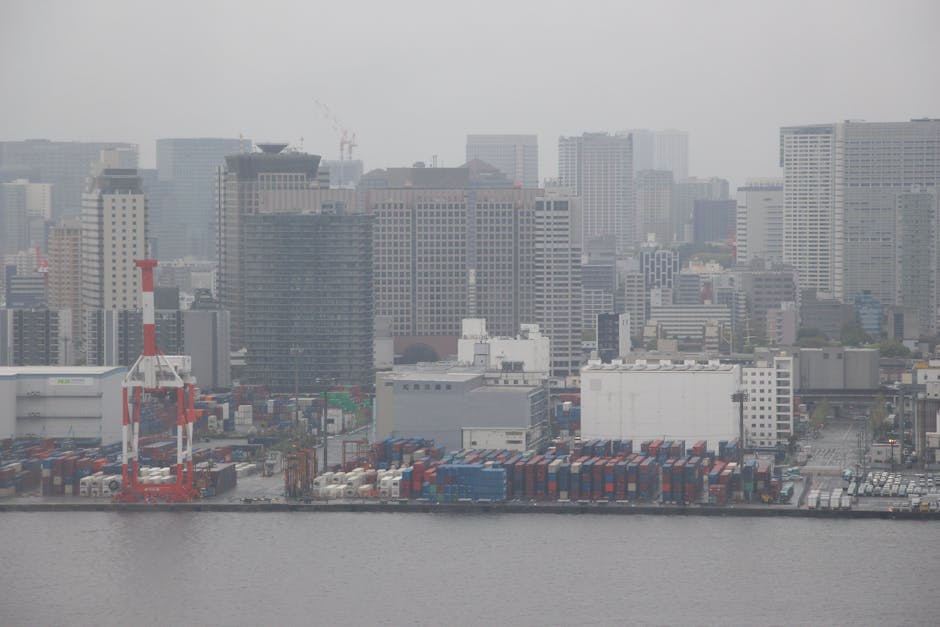
- Tokyo: Largest container port in Japan
- Yokohama: Major international port
- Nagoya: Central Japan gateway
- Kobe: Important Kansai region port
- Osaka: Second largest metropolitan area
Common Challenges
Myth: Japanese Standards Are Same as International
Reality: Japan has unique standards and requirements that often exceed international norms. PSE certification differs from CE or UL, JIS standards have Japanese-specific requirements, and quality expectations are among the highest in the world. Products must be specifically designed and tested for the Japanese market.
Common challenges and solutions:
- PSE Certification: Obtain certification from accredited lab before shipping
- Quality Standards: Implement rigorous QC processes
- Language: Professional Japanese translation for all materials
- Relationships: Invest in long-term partnership building
- Documentation: Ensure complete and accurate paperwork
Conclusion
Japan offers a premium market for Chinese imports with high margins for quality products. Success requires understanding Japan’s rigorous quality standards, obtaining proper certifications, and building long-term relationships with Japanese partners.
Key success factors include PSE certification for electrical products, JIS compliance, Japanese language labeling, and commitment to quality. With proper execution, China-Japan sourcing can be highly successful and profitable.