China to Africa Sourcing: 2026 Development Trade
Africa represents one of the fastest-growing regions for Chinese imports, with bilateral trade exceeding $280 billion annually. In 2026, the Belt and Road Initiative continues to strengthen China-Africa trade relationships, creating significant opportunities for sourcing and distribution across the continent.
Key Takeaways
- Africa imports over $150 billion from China annually, with electronics, machinery, and construction materials as top categories
- Major markets include South Africa, Nigeria, Egypt, Kenya, and Ghana
- Belt and Road Initiative improving infrastructure and trade facilitation
- Diverse regulatory environments require country-specific strategies
- Growing consumer markets with increasing urbanization and purchasing power
Regional Market Overview
Key Markets
| Country | Imports from China | Key Products | Market Characteristics |
|---|---|---|---|
| South Africa | $25+ billion | Electronics, machinery, textiles | Most developed market, good infrastructure |
| Nigeria | $20+ billion | Electronics, machinery, vehicles | Large population, growing consumer market |
| Egypt | $15+ billion | Electronics, machinery, textiles | Strategic location, Suez Canal access |
| Kenya | $8+ billion | Electronics, machinery, construction | East Africa hub, growing tech sector |
| Ghana | $5+ billion | Electronics, machinery, vehicles | Stable democracy, growing economy |
Market Characteristics
- Rapid Urbanization: Growing urban populations drive consumer demand
- Infrastructure Development: Major Chinese investment in roads, ports, railways
- Young Population: Median age under 20 in many countries
- Mobile-First: High mobile penetration, growing e-commerce
- Resource-Rich: Many countries are major commodity exporters
Belt and Road Initiative Impact
Infrastructure Projects
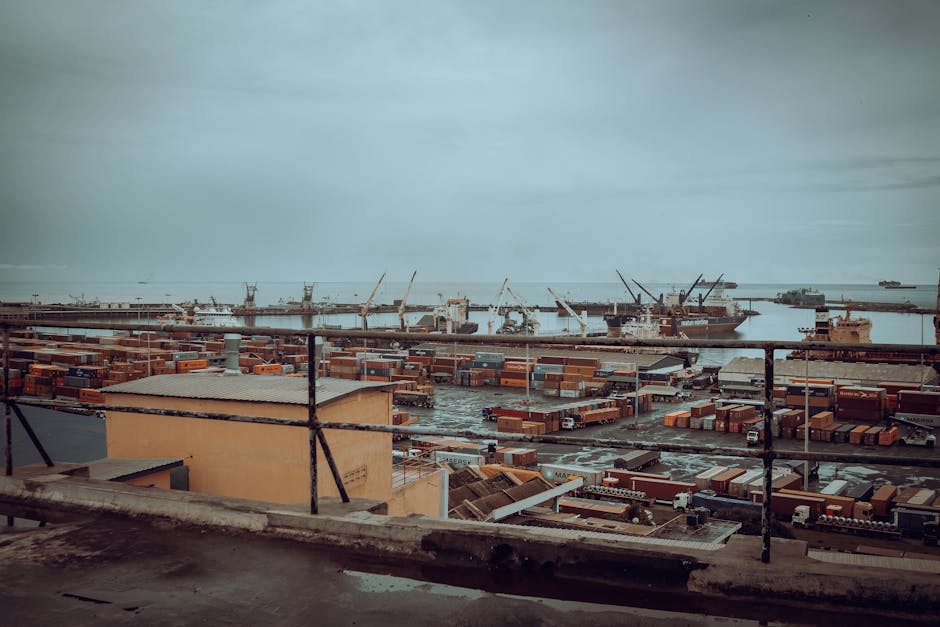
- Ports: Mombasa, Djibouti, Lagos expanding with Chinese investment
- Railways: Standard gauge railways in Kenya, Ethiopia
- Industrial Parks: Special economic zones across the continent
- Energy: Power plants and grid infrastructure
- Digital Infrastructure: Telecom networks and data centers
Trade Facilitation
- Reduced Barriers: Improved customs procedures
- Trade Agreements: FTA with Mauritius, others under negotiation
- Financial Integration: Chinese banks expanding presence
- Logistics: Direct shipping routes increasing
Country-Specific Requirements
South Africa
- NRCS: National Regulator for Compulsory Specifications
- LOA: Letter of Authority required for regulated products
- ICASA: Certification for telecommunications equipment
- Labeling: English required, specific format requirements
- Duty: 0-45% depending on product category
Nigeria
- SON: Standards Organization of Nigeria certification
- SONCAP: Conformity Assessment Program for imports
- NAFDAC: Registration for food, drugs, cosmetics
- Labeling: English required
- Challenges: Port congestion, documentation requirements
Egypt
- GOEIC: General Organization for Export and Import Control
- Certification: Required for many product categories
- Labeling: Arabic required for consumer products
- Registration: Product registration required for some categories
- Duty: 0-30% depending on product
Kenya
- KEBS: Kenya Bureau of Standards certification
- PVoC: Pre-Export Verification of Conformity
- Labeling: English required
- EAC: East African Community common market
- Duty: 0-25% under EAC Common External Tariff
Product Certification Requirements
Electrical Products
| Country | Certification | Requirements |
|---|---|---|
| South Africa | NRCS LOA | Safety testing to SABS standards |
| Nigeria | SONCAP | Conformity assessment, testing |
| Egypt | GOEIC | Product registration, testing |
| Kenya | KEBS/PVoC | Pre-export verification |
| Ghana | GSA | Ghana Standards Authority certification |
Food and Consumer Products
- NAFDAC (Nigeria): Registration required for food, drugs, cosmetics
- KEBS (Kenya): Food safety certification and labeling
- Labeling: English or local language, nutritional information
- Halal: Important for Muslim-majority markets
Import Duties and Taxes
Duty Rates by Country
| Country | Typical Duty | VAT/Sales Tax | Notes |
|---|---|---|---|
| South Africa | 0-45% | 15% VAT | High duties on some products |
| Nigeria | 5-35% | 7.5% VAT | SONCAP fees additional |
| Egypt | 0-30% | 14% VAT | Some products exempt |
| Kenya | 0-25% | 16% VAT | EAC common tariff |
| Ghana | 0-20% | 15% VAT | ECOWAS member |
Shipping and Logistics
Transit Times
- South Africa (Durban): 20-28 days from China
- Nigeria (Lagos): 25-35 days from China
- Egypt (Alexandria): 18-25 days from China
- Kenya (Mombasa): 18-25 days from China
- Ghana (Tema): 25-32 days from China
Major Ports
- Durban: Largest port in Africa, well-equipped
- Lagos (Apapa): Nigeria’s main port, congestion common
- Mombasa: East Africa’s largest port
- Alexandria: Egypt’s main commercial port
- Tema: Ghana’s primary port
Logistics Challenges
- Port Congestion: Particularly at Lagos, plan for delays
- Infrastructure: Varies significantly by country
- Documentation: Thorough paperwork essential
- Inland Transport: Road conditions vary
Payment and Finance
Payment Methods
- Letters of Credit: Common for larger transactions
- Wire Transfer: Standard for established relationships
- Currency: USD most common, local currency options
- Mobile Money: Growing for smaller transactions
Trade Finance
- Chinese Banks: Expanding presence in Africa
- Exim Bank: Financing for infrastructure projects
- Sinosure: Export credit insurance available
- Local Banks: Trade finance services improving
E-commerce Opportunities
Growing Platforms
- Jumia: Largest e-commerce platform, operates in 11 countries
- Kilimall: East Africa focused
- Konga: Nigeria’s major platform
- Takealot: South Africa’s leading e-commerce site
Mobile Commerce
- Mobile Penetration: Over 80% in many markets
- Mobile Money: M-Pesa and similar services widespread
- Social Commerce: Growing through WhatsApp, Facebook
Common Challenges
Myth: Africa Is One Uniform Market
Reality: Africa comprises 54 countries with diverse regulations, languages, and business practices. South Africa has sophisticated NRCS requirements, Nigeria requires SONCAP certification, Egypt requires Arabic labeling, and Kenya has PVoC pre-export verification. Success requires country-specific strategies.
Common challenges and solutions:
- Certification: Obtain country-specific certifications before shipping
- Documentation: Ensure complete and accurate paperwork
- Port Delays: Plan for congestion, especially at Lagos
- Payment: Use secure methods, verify buyer credentials
- Language: English works in most markets, Arabic for Egypt
Conclusion
Africa offers significant opportunities for Chinese imports, driven by population growth, urbanization, and infrastructure development. Success requires understanding diverse regulatory environments, obtaining proper certifications, and navigating logistics challenges.
Key success factors include SONCAP for Nigeria, NRCS for South Africa, PVoC for Kenya, proper language labeling, and working with experienced local partners. With proper execution, China-Africa sourcing can be highly successful.