Introduction to Quality Control in China 2026
Quality control in China has evolved dramatically in 2026, becoming an essential component of successful sourcing strategies for businesses worldwide. As global supply chains become increasingly complex, understanding inspection protocols and AQL (Acceptable Quality Limit) standards has never been more critical for importers. Companies sourcing from China must navigate a landscape where consumer expectations are higher than ever, and regulatory requirements continue to tighten across major markets like the United States and European Union.
The Chinese manufacturing sector has responded to these demands by implementing more sophisticated quality management systems and embracing international standards. However, the responsibility ultimately falls on buyers to ensure their products meet specifications before shipment. Working with experienced China sourcing agents can help businesses navigate these complexities while maintaining product quality and brand reputation.
This comprehensive guide explores every aspect of quality control in China for 2026, from fundamental inspection types to advanced AQL sampling methodologies. Whether you’re a first-time importer or an experienced sourcing professional, understanding these principles will help you reduce defect rates, minimize returns, and build stronger relationships with your Chinese suppliers.
Understanding Quality Control Fundamentals
What is Quality Control in Manufacturing?
Quality control in manufacturing refers to the systematic processes used to ensure products meet specified requirements and standards before reaching consumers. In the context of Chinese manufacturing, this involves a combination of supplier audits, in-process inspections, and final product evaluations. Effective quality control programs typically reduce defect rates by 30-50% compared to operations without formal inspection protocols.
The Evolution of Chinese Manufacturing Standards
Chinese manufacturing standards have undergone significant transformation over the past decade, driven by both domestic policy changes and international market pressures. The “Made in China 2025” initiative has pushed manufacturers toward higher quality production, while companies like Tesla have demonstrated that world-class manufacturing is achievable in China. Today’s Chinese factories are increasingly adopting ISO 9001 certification and other international quality management frameworks.
Why Quality Control Matters for Importers
For importers, quality control represents a critical investment that protects brand reputation and bottom-line profitability. Studies show that product recalls cost companies an average of $8-12 million per incident, not including long-term brand damage. Implementing robust inspection protocols typically costs $2,000-5,000 per shipment but can prevent losses exponentially higher from defective products reaching the market.
Types of Quality Inspections in China
Pre-Production Inspections (PPI)
Pre-production inspections occur before manufacturing begins, verifying that raw materials, components, and production equipment meet specifications. This inspection type is particularly valuable for new supplier relationships or complex products where material quality significantly impacts final output. PPIs typically take 1-2 days and cost between $300-600, depending on product complexity and factory location.
During Production Inspections (DPI)
During production inspections, also known as in-process inspections, occur when 20-30% of production is complete. These inspections identify defects early in the manufacturing process, allowing for corrections before the entire batch is produced. DPIs are essential for products with complex assembly processes or when working with new suppliers who haven’t yet demonstrated consistent quality performance.
Pre-Shipment Inspections (PSI)
Pre-shipment inspections represent the most common type of quality control, conducted when 80-100% of production is complete and packed. PSI verifies that finished products meet specifications before they leave the factory, providing importers with confidence that their goods will satisfy customer expectations. This inspection type is mandatory for many consumer product categories sold on platforms like Amazon.
Container Loading Supervision (CLS)
Container loading supervision ensures products are properly loaded into shipping containers, protecting them during transit. Inspectors verify quantities, check packaging integrity, and document the loading process with photographs. CLS is particularly important for fragile products or when shipping during extreme weather conditions that could affect product quality during transport.
AQL Standards Explained
What is AQL (Acceptable Quality Limit)?
AQL, or Acceptable Quality Limit, is a statistical sampling methodology defined by ISO 2859-1 that determines the maximum number of acceptable defects in a sample batch. This internationally recognized standard provides a scientific approach to quality inspection, replacing subjective assessments with objective, measurable criteria. Understanding AQL is essential for any importer working with Chinese suppliers, as it forms the basis of most professional inspection protocols.
AQL Sampling Levels and Their Applications
AQL sampling uses different inspection levels based on product criticality and batch size. General Inspection Levels (I, II, III) apply to most products, with Level II being the standard default. Special Inspection Levels (S-1 through S-4) are used when sample sizes must be smaller due to destructive testing requirements or extremely large batch sizes. The choice of inspection level directly impacts sample size and inspection stringency.
Common AQL Defect Classifications
AQL standards classify defects into three categories: critical, major, and minor. Critical defects are those that could cause harm to users or violate regulations, with an AQL of 0% meaning no critical defects are acceptable. Major defects significantly reduce product usability or marketability, typically set at AQL 2.5. Minor defects are slight deviations from specifications that don’t affect product function, commonly set at AQL 4.0.
How to Determine Appropriate AQL Levels
Selecting appropriate AQL levels requires balancing quality requirements with practical business considerations. For consumer products sold through major retailers or on Amazon, AQL 2.5 for major defects and AQL 4.0 for minor defects is standard practice. Premium products or those with safety implications may require tighter standards, while commodity products might accept slightly higher defect thresholds. Consulting with quality control services providers can help determine optimal AQL settings for specific product categories.
Selecting Quality Control Partners in China
Third-Party Inspection Companies
Third-party inspection companies provide independent quality assessment services, offering objectivity that internal inspections cannot match. Major international firms like SGS, Intertek, and QIMA have extensive networks across China’s manufacturing regions, providing consistent service quality and comprehensive reporting. These companies typically charge $300-400 per man-day for standard inspections, with specialized testing incurring additional fees.
Internal Quality Control Teams
Some companies choose to establish internal quality control teams based in China, providing dedicated oversight of their supplier relationships. This approach offers deeper product knowledge and stronger supplier relationships but requires significant investment in hiring, training, and management. Internal QC teams typically cost $50,000-80,000 annually per inspector, including salary, benefits, and operational expenses.
Quality Control Through Sourcing Agents
Sourcing agents often provide quality control services as part of comprehensive sourcing packages, offering a middle ground between third-party inspections and internal teams. These agents combine product expertise with local knowledge, often at lower costs than international inspection firms. For many small and medium-sized businesses, sourcing agents provide the most cost-effective quality control solution while maintaining acceptable standards.
Quality Control Costs and ROI
Breakdown of Inspection Costs
Quality control costs in China vary based on inspection type, product complexity, and service provider. Basic pre-shipment inspections typically cost $300-400 per man-day, while specialized inspections requiring technical equipment or laboratory testing can range from $500-1,500. For a typical shipment valued at $50,000, comprehensive quality control including multiple inspection stages might represent 2-4% of total product cost.
Calculating Return on Investment
The return on investment for quality control becomes clear when comparing inspection costs to potential losses from defective products. A single shipment with 15% defect rate could result in customer returns, negative reviews, and potential account suspension for Amazon sellers. Investing $2,000-5,000 in comprehensive quality control can prevent losses of $10,000-50,000 or more in direct costs and brand damage.
Cost-Saving Strategies for Quality Control
Smart importers employ various strategies to optimize quality control spending while maintaining product standards. Combining inspections for multiple products from the same supplier reduces per-product inspection costs. Establishing long-term relationships with reliable suppliers reduces inspection frequency over time. Additionally, using risk-based inspection protocols focuses resources on high-risk products or suppliers, maximizing the value of quality control investments.
Industry-Specific Quality Considerations
Consumer Electronics Quality Control
Consumer electronics require particularly rigorous quality control due to safety concerns and technical complexity. Inspections should include functional testing, safety compliance verification, and cosmetic evaluation. Major retailers and platforms like Amazon require specific certifications including CE, FCC, and RoHS compliance. Working with suppliers who understand these requirements and maintain appropriate documentation is essential for electronics importers.
Textile and Apparel Inspections
Textile and apparel quality control encompasses fabric quality, construction integrity, and compliance with regulations regarding materials and dyes. Inspections should verify measurements, check for defects in stitching and finishing, and test for colorfastness and shrinkage. The fast fashion industry’s pressure for quick turnaround times makes robust quality control challenging but no less important for maintaining brand reputation.
Food and Supplement Quality Standards
Food products and supplements face the strictest quality control requirements due to health and safety implications. Importers must verify FDA compliance for US markets, conduct laboratory testing for contaminants, and ensure proper packaging and labeling. Quality control for food products typically requires 45-90 days lead time to accommodate testing protocols and certification processes.
Technology and Innovation in Quality Control
Digital Inspection Platforms
Digital inspection platforms have transformed quality control in China, enabling real-time reporting and improved transparency. Companies like QIMA offer mobile applications that provide instant access to inspection results, photographs, and detailed reports. These platforms reduce reporting time from days to hours, allowing importers to make faster decisions about production acceptance or rejection.
AI and Machine Learning Applications
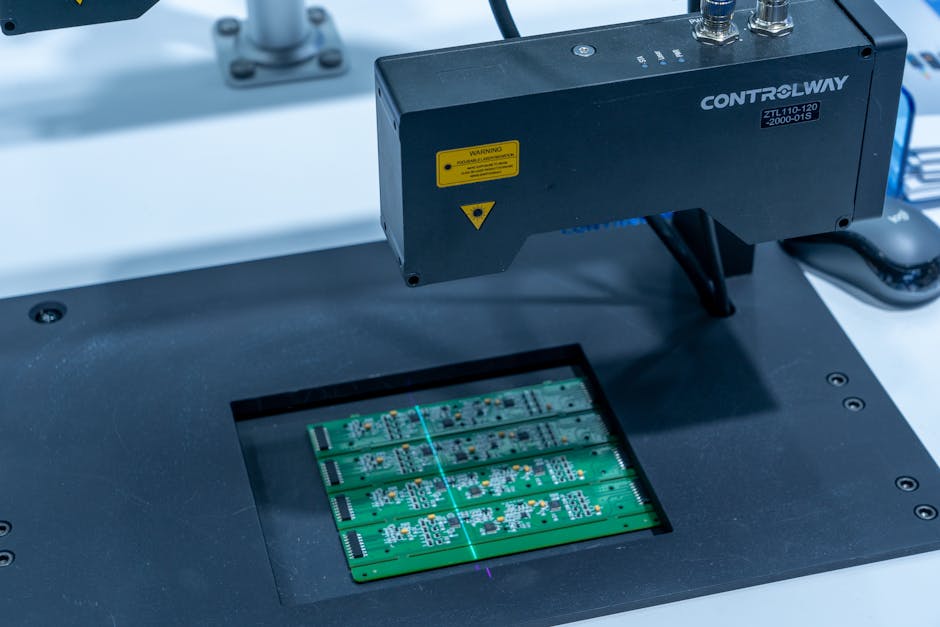
Artificial intelligence and machine learning are increasingly being applied to quality control, particularly for visual inspection of products. AI-powered systems can detect defects with greater consistency than human inspectors, especially for products with high production volumes. While still emerging in Chinese manufacturing, these technologies are being adopted by leading suppliers serving demanding clients like Apple and Tesla.
Blockchain for Supply Chain Transparency
Blockchain technology is being implemented to enhance supply chain transparency and quality verification. By creating immutable records of inspections, certifications, and product movements, blockchain systems provide verifiable proof of quality control processes. This technology is particularly valuable for products requiring detailed traceability, such as organic foods or pharmaceuticals.
Best Practices for Quality Control Success
Developing Comprehensive Quality Specifications
Effective quality control begins with detailed product specifications that leave no room for interpretation. Specifications should include precise measurements, material requirements, acceptable tolerances, and clear defect classifications. Working with suppliers to develop mutually understood specifications prevents disputes and ensures consistent quality across production runs. Reference our Amazon FBA sourcing guide for detailed specification templates.
Building Strong Supplier Relationships
Quality control is most effective when combined with strong supplier relationships built on trust and mutual benefit. Suppliers who view quality as a shared priority are more likely to invest in process improvements and maintain consistent standards. Regular communication, fair payment terms, and recognition of quality achievements help build partnerships that naturally produce better products.
Continuous Improvement Programs
Leading importers implement continuous improvement programs that track quality metrics over time and work with suppliers to address recurring issues. Analyzing inspection data to identify patterns and root causes enables targeted improvements that reduce defect rates progressively. Suppliers who participate in these programs often see defect rates decrease by 20-30% annually, creating competitive advantages for both parties.
Common Quality Control Challenges and Solutions
Communication Barriers
Language and cultural differences can create significant challenges in quality control communication. Technical specifications may be misinterpreted, and cultural differences in business practices can lead to misunderstandings about quality expectations. Employing bilingual quality control professionals and providing specifications in both English and Chinese helps overcome these barriers and ensures clear communication.
Supplier Resistance to Inspections
Some suppliers may resist inspection requirements, viewing them as intrusive or distrustful. Addressing this resistance requires clear communication about the business benefits of quality control, including reduced returns and stronger buyer relationships. Framing inspections as a collaborative effort to improve quality rather than a policing activity helps gain supplier cooperation.
Managing Quality Across Multiple Suppliers
Importers working with multiple suppliers face challenges in maintaining consistent quality standards across different factories. Implementing standardized inspection protocols and regular supplier audits helps ensure uniform quality regardless of production location. Centralized quality management systems enable comparison of supplier performance and identification of best practices that can be shared across the supply base.
Conclusion
Quality control in China has matured significantly in 2026, offering importers sophisticated tools and methodologies to ensure product excellence. Understanding AQL standards, selecting appropriate inspection types, and building strong supplier relationships form the foundation of successful quality management programs. The investment in quality control, typically $2,000-5,000 per shipment, delivers substantial returns by preventing costly defects and protecting brand reputation.
As global competition intensifies and consumer expectations continue to rise, quality control becomes increasingly critical for business success. Companies like Alibaba and Amazon have raised the bar for product quality, making robust inspection protocols essential for marketplace sellers. Whether working with international inspection firms like SGS and Intertek or leveraging the services of experienced sourcing agents, importers have multiple options for implementing effective quality control.
The future of quality control in China points toward greater automation, digital transparency, and integration of advanced technologies. However, the fundamental principles of clear specifications, rigorous inspection, and collaborative supplier relationships remain constant. By implementing the strategies outlined in this guide, importers can navigate the complexities of Chinese manufacturing with confidence and build sustainable, quality-focused supply chains.
Partner with topchinasourcing.com – contact us at https://topchinasourcing.com/contact/