
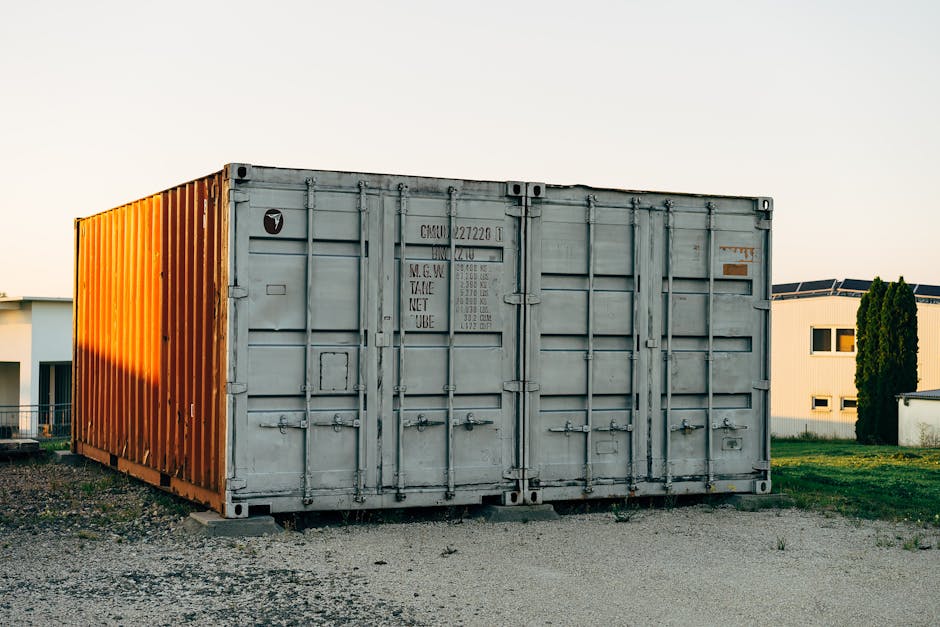
Shipping from China to Amazon FBA warehouses requires understanding logistics options, costs, timelines, and compliance requirements. In 2026, sellers choose between express, air freight, and sea freight based on urgency, budget, and order size. This comprehensive logistics guide covers shipping methods, costs, documentation, customs clearance, and best practices for getting products from Chinese factories to Amazon FBA efficiently and cost-effectively.
📌 Key Takeaways
- Shipping options: Express (3-5 days, $6-8/kg), Air (7-10 days, $3-5/kg), Sea (25-35 days, $1-2/kg)
- Best for FBA: Sea freight for orders over $3,000; air freight for urgent restocking
- Total timeline: 35-50 days from order to Amazon warehouse (including production)
- Documentation: Commercial invoice, packing list, bill of lading, customs declarations required
- Cost optimization: Plan 60-90 days ahead to use sea freight and save 50-70% vs air
Shipping Methods Comparison
Express Shipping (DHL, FedEx, UPS)
Express shipping is fastest but most expensive option. Transit time: 3-5 business days from China to US. Cost: $6-8 per kg for typical shipments. Best for: samples, small orders under 100 kg, urgent restocking, testing new products. Advantages: door-to-door service, tracking included, customs clearance handled, reliable delivery times. Disadvantages: high cost for large shipments, weight limits, dimensional weight pricing. Use express for time-critical shipments under $2,000 value.
Air Freight
Air freight balances speed and cost for medium shipments. Transit time: 7-10 business days airport to airport. Cost: $3-5 per kg plus handling fees. Minimum shipment: typically 45-100 kg. Best for: medium orders $2,000-10,000, restocking popular products, seasonal inventory. Advantages: faster than sea, cheaper than express for larger shipments, good for time-sensitive products. Disadvantages: requires customs broker, airport handling fees, dimensional weight charges. Use air freight when sea freight is too slow but express is too expensive.
Sea Freight (Ocean Freight)
Sea freight is most economical for large shipments. Transit time: 25-35 days port to port. Cost: $1-2 per kg or $2,000-4,000 per container. Options: LCL (Less than Container Load) for 1-15 cubic meters, FCL (Full Container Load) for larger volumes. Best for: large orders over $3,000, non-urgent shipments, regular inventory replenishment. Advantages: lowest cost per unit, handles large volumes, suitable for heavy items. Disadvantages: longest transit time, requires customs broker, port handling fees, minimum shipment sizes. Use sea freight for most regular FBA shipments to maximize margins.
Shipping Method Comparison Table
| Method | Transit Time | Cost | Min. Shipment | Best For |
|---|---|---|---|---|
| Express | 3-5 days | $6-8/kg | No minimum | Samples, urgent, small |
| Air Freight | 7-10 days | $3-5/kg | 45-100 kg | Medium orders, restocking |
| Sea LCL | 25-35 days | $1-2/kg | 1 cbm | Medium-large orders |
| Sea FCL (20ft) | 25-35 days | $2,000-3,500 | 28 cbm | Large orders |
| Sea FCL (40ft) | 25-35 days | $3,000-4,500 | 58 cbm | Very large orders |
Source: TCS Shipping Cost Analysis 2026. Rates vary by season and route.
Shipping Costs Breakdown
Express Shipping Costs
Express costs include: base rate per kg, fuel surcharge (10-15%), remote area fees (if applicable), and customs duties (paid on delivery). Example: 50 kg shipment to US. Base rate: 50 kg × $7 = $350. Fuel surcharge: $350 × 12% = $42. Total: $392 or $7.84/kg. For 500 units at 0.1 kg each, shipping cost is $0.78 per unit. Express becomes expensive for large shipments—use for samples and small orders only.
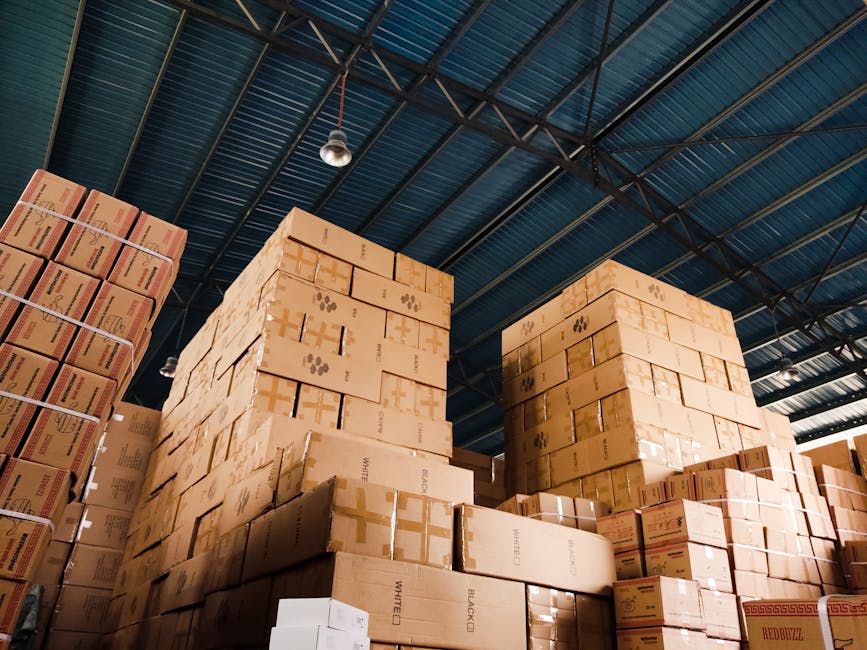
Photo by Ihsan Adityawarman via Pexels
Air Freight Costs
Air freight costs include: air freight rate ($3-5/kg), fuel surcharge, security fees, handling fees at origin and destination, customs broker fees ($50-150), and duties/taxes. Example: 200 kg shipment. Air freight: 200 kg × $4 = $800. Fuel and fees: $200. Customs broker: $100. Total: $1,100 or $5.50/kg. For 2,000 units at 0.1 kg each, shipping cost is $0.55 per unit. Air freight is cost-effective for 100-500 kg shipments.
Sea Freight Costs
Sea freight costs include: ocean freight, origin handling, destination handling, customs clearance, and duties/taxes. LCL example: 5 cubic meters (approximately 2,000 kg). Ocean freight: 5 cbm × $60 = $300. Handling fees: $200. Customs: $150. Total: $650 or $0.33/kg. FCL example: 20ft container (28 cbm). Ocean freight: $2,500. Handling: $400. Customs: $200. Total: $3,100 or $0.11/kg for full container. Sea freight is most economical for large shipments.
Amazon FBA Shipping Requirements
FBA Shipment Creation
Before shipping to Amazon, create a shipment in Seller Central. Steps: Go to Inventory > Manage FBA Inventory, select products to ship, click “Send/Replenish Inventory,” enter shipment quantity, choose shipping method (Small Parcel or LTL/FTL), and print FNSKU labels and box labels. Amazon assigns destination warehouse(s)—you cannot choose location. Print box labels for each carton. FBA shipments require Amazon-generated labels on each carton.
Packaging Requirements
Amazon FBA has specific packaging requirements. Unit packaging: each unit must be individually packaged or polybagged with FNSKU label visible. Carton requirements: maximum 50 lbs per carton (25 lbs preferred), dimensions under 25 inches on any side, proper taping (no excessive tape), and FBA box label on each carton. Pallet requirements (for LTL/FTL): standard 40×48 pallets, maximum 72 inches height, shrink-wrapped, and pallet labels. Non-compliant shipments incur fees or rejection.
Labeling Requirements
Each unit needs FNSKU barcode label. Label specifications: 2×1 inch minimum, readable barcode, correct product match. Apply label to each individual unit—do not cover important product information. Carton labels: print from Seller Central, apply to each shipping carton, include shipment ID and contents. Pallet labels: for LTL/FTL shipments, apply to each pallet. Incorrect labeling causes receiving delays and extra fees.
Working with Freight Forwarders
What Freight Forwarders Do
Freight forwarders coordinate shipping from China to destination. Services: book cargo space with carriers, handle documentation, arrange customs clearance, coordinate pickup and delivery, provide tracking, and handle issues. Benefits: expertise in shipping regulations, volume discounts with carriers, door-to-door coordination, and problem resolution. For Amazon FBA, choose forwarders experienced with FBA requirements and Amazon partnered carrier programs.
Selecting a Freight Forwarder
Choose forwarders based on: Amazon FBA experience, competitive pricing, communication quality, tracking capabilities, and insurance options. Questions to ask: Do you handle Amazon FBA shipments regularly? Can you arrange delivery to multiple Amazon warehouses? What are your rates for my shipment size? What documentation do you provide? How do you handle customs issues? Get quotes from 3-5 forwarders before selecting. Recommended forwarders for Amazon FBA: Flexport, Freightos, ShipBob, and China-based forwarders like Forest Shipping.
Freight Forwarder Costs
Forwarder fees vary by services included. Basic service: freight booking and documentation ($50-200). Full service: door-to-door including customs ($200-500 plus freight). Amazon FBA specialists: FBA-compliant delivery, label application, inspection ($300-800 plus freight). Compare total landed cost, not just freight rate. A forwarder charging slightly higher freight but including customs clearance and FBA delivery may be cheaper overall.
Customs Clearance Process
Required Documents
US customs requires specific documentation. Commercial invoice: product descriptions, quantities, values, currency, seller and buyer information. Packing list: weights, dimensions, carton counts, contents per carton. Bill of lading (ocean) or airway bill (air): carrier document showing shipment details. Customs declaration: HTS codes, country of origin, duty rates. Additional documents: certificates of origin, product certifications (CE, FCC, FDA), and import permits for restricted goods.
HTS Codes and Duty Rates
Every product has an HTS (Harmonized Tariff Schedule) code determining duty rate. Find your HTS code at hts.usitc.gov. Search by product description or keyword. Example: kitchen utensils may be HTS 8215.99.3000 with 5.5% duty. Electronics often have 0% duty. Textiles and apparel have higher rates (10-30%). Section 301 tariffs: additional 7.5-25% on many Chinese goods. Check USTR website for your product’s status. Incorrect HTS codes cause delays and penalties.
Customs Broker Role
Customs brokers handle import clearance on your behalf. Services: classify goods with correct HTS codes, calculate duties and fees, submit customs entries, pay duties (you reimburse), handle customs queries, and resolve issues. Cost: $50-150 per shipment for standard clearance. For Amazon FBA shipments, brokers ensure proper documentation for smooth delivery. Many freight forwarders include customs brokerage in their services.
Shipping Timeline Planning
Complete FBA Shipping Timeline
| Phase | Duration | Activities |
|---|---|---|
| Production | 25-45 days | Manufacturing, QC, packaging |
| Domestic shipping | 2-5 days | Factory to port/airport |
| International transit | 3-35 days | Express/Air/Sea freight |
| Customs clearance | 1-5 days | Documentation, inspection, duties |
| Domestic delivery | 2-7 days | Port to Amazon warehouse |
| Amazon receiving | 3-14 days | Warehouse processing |
| Total (Sea) | 35-65 days | From production complete to selling |
Reorder Planning
Plan reorders based on sales velocity and lead time. Formula: Reorder point = (Daily sales × Lead time) + Safety stock. Example: 10 units/day sales, 45-day lead time, 100 units safety stock. Reorder point = (10 × 45) + 100 = 550 units. Place reorder when inventory reaches 550 units. Monitor inventory weekly. Build buffer for delays (add 10-15 days to lead time estimate). Never wait until stockout to reorder—plan ahead.
Common Shipping Mistakes
Mistake #1: Using Wrong Shipping Method
Consequence: Overpaying for express when sea freight works, or stockouts from slow sea freight when air was needed.
Prevention: Match shipping method to urgency and order size. Use sea for planned orders, air for restocking, express for samples and emergencies.
Mistake #2: Not Planning for Delays
Consequence: Stockouts, lost sales, expensive air freight to recover, and damaged seller metrics.
Prevention: Build 10-15 day buffer into all timelines. Monitor shipments actively. Have backup plans for critical inventory.
Mistake #3: Incorrect Documentation
Consequence: Customs delays, additional fees, potential seizure of goods, and shipment rejection.
Prevention: Work with experienced freight forwarder. Double-check all documents. Ensure values, descriptions, and HTS codes are accurate.
Mistake #4: Not Insuring Shipments
Consequence: Total loss if shipment is damaged or lost—no compensation without insurance.
Prevention: Purchase all-risk marine insurance for every shipment. Cost is 0.5-1% of cargo value. Essential protection for international shipping.
Mistake #5: Ignoring Amazon FBA Requirements
Consequence: Shipment rejection, unplanned prep fees, receiving delays, and additional costs.
Prevention: Review FBA requirements before shipping. Ensure proper labeling, packaging, and documentation. Use Amazon partnered carriers when possible.
Conclusion
Shipping from China to Amazon FBA requires careful planning and method selection. Express shipping (3-5 days, $6-8/kg) for samples and urgent small orders. Air freight (7-10 days, $3-5/kg) for medium orders and restocking. Sea freight (25-35 days, $1-2/kg) for large planned orders—most economical for regular FBA shipments. Total timeline from production to Amazon: 35-65 days via sea freight. Work with freight forwarders experienced in Amazon FBA for smooth coordination. Ensure proper documentation: commercial invoice, packing list, bill of lading, and customs declarations. Understand HTS codes and duty rates for accurate cost calculation. Plan reorders based on sales velocity and lead time with safety stock buffer. Avoid common mistakes: wrong shipping method, no delay planning, incorrect documentation, no insurance, and ignoring FBA requirements. With proper planning and the right partners, China-to-Amazon shipping becomes a reliable, cost-effective part of your business operations.
Need Help with China-to-Amazon Shipping?
Partner with topchinasourcing for complete logistics solutions. We handle shipping coordination, customs clearance, and FBA delivery for smooth imports. Contact us today for shipping consultation.
Last updated: April 30, 2026 | Research by TCS Editorial Team
Sources
- TCS Shipping Cost Analysis 2026-2026
- Amazon FBA Shipping Requirements 2026
- US Customs and Border Protection Import Guidelines
- Freightos Shipping Rate Index 2026
- DHL/FedEx Rate Schedules 2026