China Sourcing 2030: Future Predictions and Preparation
As we look toward 2030, China sourcing will undergo transformative changes driven by automation, sustainability requirements, and shifting global trade dynamics. Understanding these trends is essential for businesses to prepare their sourcing strategies for the next decade.
Key Takeaways
- China manufacturing will shift toward high-value, technology-intensive products
- Automation and AI will transform factory operations and quality control
- Sustainability requirements will become mandatory, not optional
- Regional trade agreements will reshape sourcing patterns
- Digital platforms will dominate supplier discovery and management
Major Trends Shaping China Sourcing 2030
Technology Transformation
| Trend | 2026 Status | 2030 Prediction |
|---|---|---|
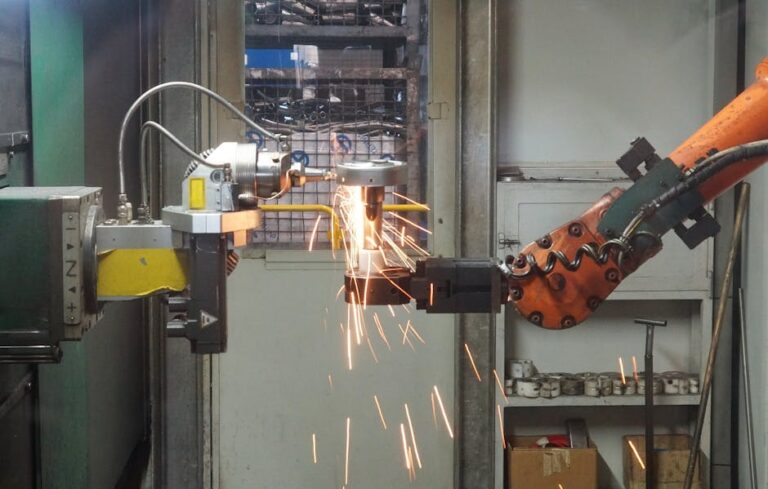
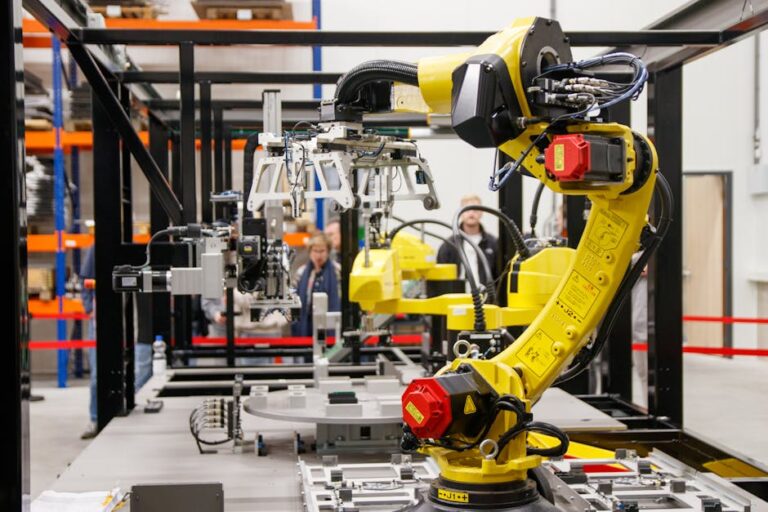
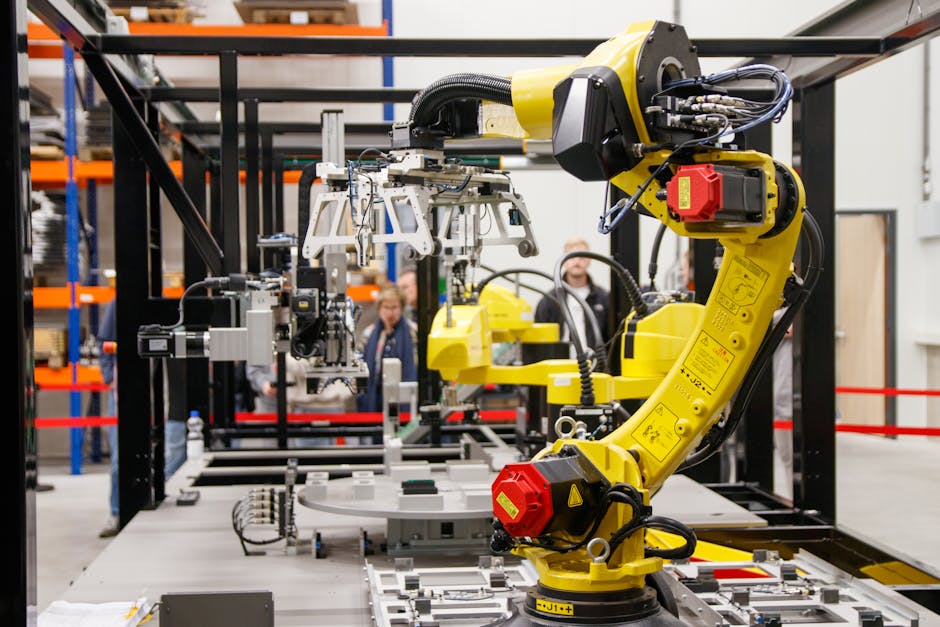
| Factory Automation | 30-40% automated | 70-80% automated |
| AI Quality Control | Emerging adoption | Standard practice |
| Digital Twins | Pilot programs | Widespread use |
| Blockchain Traceability | Limited adoption | Supply chain standard |
| Smart Factories | Early implementation | Mainstream operations |
Sustainability Evolution
- Carbon Neutrality: China’s 2060 goal driving manufacturing changes
- Green Supply Chains: Carbon footprint tracking mandatory by 2030
- Circular Economy: Recycling and reuse integrated into production
- Renewable Energy: Factories transitioning to solar and wind power
- ESG Compliance: Environmental reporting required for trade
Predicted Market Shifts
Industry Relocation
- Low-End Manufacturing: Moving to Southeast Asia, Africa
- High-Value Production: Remaining in China’s coastal regions
- Technology Products: Concentrated in Shenzhen, Shanghai, Beijing
- Heavy Industry: Shifting to inland China for lower costs
- Specialized Manufacturing: Regional clusters developing
Cost Projections
| Cost Factor | 2026 Level | 2030 Prediction | Change |
|---|---|---|---|
| Labor Costs | $8-12/hour average | $15-20/hour average | +60-80% |
| Energy Costs | Moderate | Higher with green premium | +20-30% |
| Logistics Costs | Post-pandemic adjusted | Automation reduced | -10-20% |
| Compliance Costs | Growing | Significantly higher | +50-100% |
| Technology Investment | Optional | Mandatory | Essential |
Trade Agreement Landscape 2030
Expected Developments
- RCEP Expansion: Regional Comprehensive Economic Partnership deepening
- China-EU Relations: Investment agreement potential
- Belt and Road: Expanded trade routes and infrastructure
- Digital Trade Rules: New frameworks for e-commerce
- Carbon Border Taxes: Climate-based trade adjustments
Tariff Predictions
| Region | Current Status | 2030 Prediction |
|---|---|---|
| ASEAN | 0-5% under RCEP | 0% for most products |
| EU | Variable | Carbon border adjustment |
| US | Section 301 tariffs | Subject to relations |
| Africa | Developing | Preferential access expanded |
| Latin America | Mixed | More FTAs expected |
Technology Integration by 2030
AI and Automation
- Autonomous Factories: Lights-out manufacturing common
- AI Design: Product design assisted by AI
- Predictive Quality: Defects predicted before production
- Smart Logistics: Autonomous vehicles, drone delivery
- Virtual Inspections: Remote factory audits via VR/AR
Digital Supply Chain
- Real-Time Visibility: Complete supply chain transparency
- Smart Contracts: Automated payments and compliance
- Digital Product Passport: Full lifecycle tracking
- Platform Integration: Unified supplier-buyer platforms
Product Category Shifts
Growth Categories
- Electric Vehicles: China dominating global production
- Renewable Energy: Solar, wind, battery technology
- Advanced Electronics: Semiconductors, AI hardware
- Medical Technology: Devices, diagnostics, telemedicine
- Smart Home: IoT devices, connected appliances
Declining Categories
- Basic Textiles: Moving to lower-cost countries
- Simple Assembly: Automated or relocated
- Low-End Electronics: Commoditized, thin margins
- Traditional Manufacturing: Replaced by advanced methods
Preparing for 2030
Strategic Actions for Businesses
- Diversify Supply Base: Multi-country sourcing strategy
- Invest in Technology: Digital supplier management platforms
- Build Sustainability: Carbon tracking and reduction
- Develop Relationships: Long-term supplier partnerships
- Upskill Teams: Training in new technologies
Investment Priorities
| Priority Area | Investment Level | ROI Timeline |
|---|---|---|
| Digital Infrastructure | High | 2-3 years |
| Sustainability Systems | High | 3-5 years |
| Supplier Development | Medium | 2-4 years |
| Quality Technology | Medium | 1-2 years |
| Risk Management | Medium | Immediate |
Common Misconceptions
Myth: China Will Lose Manufacturing Dominance by 2030
Reality: China will remain the world’s largest manufacturing nation, but the nature of manufacturing will change. Low-end production will shift elsewhere, but high-value, technology-intensive manufacturing will expand. China’s manufacturing value-add is projected to grow 40% by 2030, driven by automation and advanced industries.
Risk Scenarios
Potential Disruptions
- Geopolitical Tensions: Trade restrictions, technology decoupling
- Climate Events: Supply chain disruptions from extreme weather
- Pandemic Recurrence: Future health crises impact
- Technology Disruption: Faster-than-expected automation
- Regulatory Changes: New compliance requirements
Mitigation Strategies
- Multi-Sourcing: Diversified supplier base across regions
- Inventory Buffers: Strategic stock for critical components
- Nearshoring: Backup suppliers in multiple regions
- Agility: Flexible production and logistics capabilities
- Monitoring: Early warning systems for disruptions
Conclusion
China sourcing in 2030 will be fundamentally different from today. Success requires proactive preparation: investing in digital infrastructure, building sustainable supply chains, developing strong supplier relationships, and maintaining flexibility to adapt to changing conditions.
Businesses that start preparing now—embracing technology, sustainability, and diversification—will be best positioned to thrive in the transformed sourcing landscape of 2030.