China to Southeast Asia Sourcing: 2026 Regional Trade
Southeast Asia represents one of the fastest-growing regions for Chinese imports, with bilateral trade exceeding $600 billion annually. In 2026, the ASEAN-China Free Trade Area continues to provide preferential market access, making the region increasingly attractive for sourcing and distribution operations.
Key Takeaways
- ASEAN-China Free Trade Area provides 0-5% duty rates for most products
- Key markets include Vietnam, Thailand, Indonesia, Malaysia, and Singapore
- Regional differences in regulations, standards, and import procedures
- Singapore serves as major transshipment and financial hub
- Growing consumer markets with increasing purchasing power
Regional Market Overview
Key Markets
| Country | Imports from China | Key Products | Market Characteristics |
|---|---|---|---|
| Vietnam | $120+ billion | Electronics, machinery, textiles | Fast growth, manufacturing hub |
| Malaysia | $50+ billion | Electronics, machinery, chemicals | Diversified economy, middle income |
| Thailand | $60+ billion | Electronics, machinery, auto parts | Auto hub, tourism economy |
| Indonesia | $60+ billion | Electronics, machinery, textiles | Large population, growing market |
| Singapore | $50+ billion | Electronics, machinery, chemicals | Financial hub, re-export center |
ASEAN-China Free Trade Area
Preferential Tariff Benefits
- Duty Rates: 0-5% for most products under ACFTA
- Coverage: Over 90% of products qualify for preferential rates
- Certificate of Origin: Form E required to claim preferences
- Rules of Origin: 40% regional value content requirement
Form E Certificate
- Purpose: Claim preferential duty rates under ACFTA
- Issuance: Chinese customs or authorized bodies
- Requirements: Product must meet rules of origin
- Cost: $20-100 per certificate
- Timing: Obtain before or at time of shipment
Country-Specific Requirements
Singapore
- Duty: Most goods duty-free
- GST: 9% goods and services tax
- Regulations: Relatively open market
- Advantages: Major transshipment hub, efficient port
- Use Case: Distribution center for Southeast Asia
Malaysia
- Duty: 0-5% under ACFTA
- SST: 10% sales and service tax on some goods
- Certification: SIRIM certification for electrical products
- Halal: Required for food products (JAKIM certification)
Thailand
- Duty: 0-5% under ACFTA
- VAT: 7% value-added tax
- TISI: Thai Industrial Standards certification required
- Labeling: Thai language required for consumer products
Indonesia
- Duty: 0-5% under ACFTA
- VAT: 11% value-added tax
- BPOM: Registration required for food, cosmetics, pharmaceuticals
- SNI: Indonesian National Standard certification
- Labeling: Bahasa Indonesia required
Vietnam
- Duty: 0-5% under ACFTA
- VAT: 10% (5% for some essentials)
- Regulations: Developing regulatory framework
- Growth: Rapid economic growth, manufacturing hub
Product Certification Requirements
Electrical Products
| Country | Certification | Requirements |
|---|---|---|
| Singapore | PSB/SAFETY Mark | Safety testing to Singapore standards |
| Malaysia | SIRIM | Safety testing, SIRIM certification |
| Thailand | TISI | TISI certification, factory audit |
| Indonesia | SNI | SNI certification, testing required |
| Vietnam | CR Mark | Certification, testing |
Food Products
- Halal: Required for Muslim markets (Malaysia, Indonesia)
- Registration: BPOM (Indonesia), FSQD (Malaysia)
- Labeling: Local language, nutritional information
- Testing: Food safety testing required
Import Duties Comparison
Standard vs. ACFTA Rates
| Product | Standard MFN | ACFTA Rate | Savings |
|---|---|---|---|
| Electronics | 5-20% | 0-5% | 5-15% |
| Textiles | 10-25% | 0-5% | 10-20% |
| Machinery | 5-15% | 0-5% | 5-10% |
| Plastics | 10-20% | 0-5% | 10-15% |
Shipping and Logistics
Transit Times
- Singapore: 5-10 days from China
- Malaysia (Port Klang): 6-12 days from China
- Thailand (Laem Chabang): 8-14 days from China
- Vietnam (Ho Chi Minh): 5-10 days from China
- Indonesia (Jakarta): 8-15 days from China
Major Ports
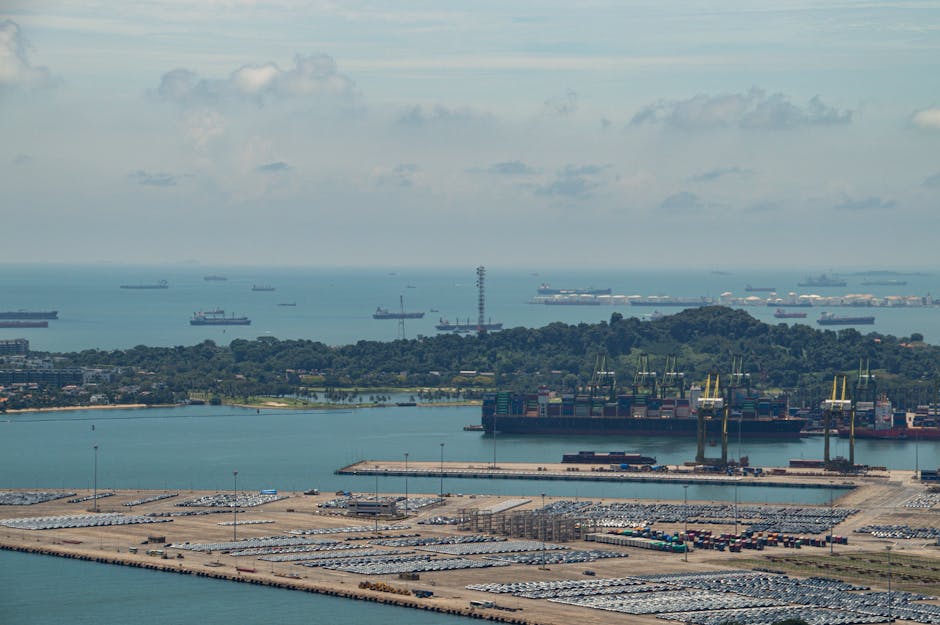
- Singapore: World’s 2nd busiest port, major transshipment hub
- Port Klang (Malaysia): Southeast Asia’s largest port
- Laem Chabang (Thailand): Thailand’s main port
- Tanjung Priok (Indonesia): Indonesia’s largest port
- Ho Chi Minh (Vietnam): Vietnam’s main commercial port
Regional Distribution Strategy
Singapore as Hub
- Advantages: Duty-free port, efficient logistics, financial center
- Use Case: Consolidation and distribution to ASEAN markets
- Free Trade Zones: Multiple zones for storage and processing
- Connectivity: Excellent air and sea connections
Market Entry Strategies
- Distributor Network: Work with established local distributors
- E-commerce: Growing online platforms (Lazada, Shopee)
- Local Presence: Consider local office for larger markets
- Trade Shows: Participate in regional trade fairs
Common Challenges
Myth: ASEAN Is One Uniform Market
Reality: Each ASEAN country has distinct regulations, certification requirements, and business practices. Singapore is highly open, Indonesia has strict BPOM requirements, Thailand requires TISI certification, and Malaysia requires SIRIM and Halal certification. Success requires country-specific strategies.
Common challenges and solutions:
- Certification: Obtain country-specific certifications before shipping
- Language: Ensure local language labeling
- Halal: Obtain recognized Halal certification for Muslim markets
- Documentation: Maintain Form E for ACFTA preferences
Conclusion
Southeast Asia offers significant opportunities for Chinese imports under the ASEAN-China Free Trade Area. Success requires understanding country-specific regulations, obtaining proper certifications, and leveraging regional distribution hubs like Singapore.
Key success factors include Form E certificates for preferential duties, country-specific product certifications, local language labeling, and Halal certification for Muslim markets. With proper execution, China-Southeast Asia sourcing can be highly successful.