China Warehouse and Fulfillment: 2026 Storage Options
China’s warehousing and fulfillment infrastructure has evolved dramatically, with modern facilities now offering world-class storage, inventory management, and order fulfillment services. In 2026, businesses can leverage China-based warehousing to reduce costs, improve delivery times, and streamline supply chain operations for both domestic Chinese sales and international distribution.
Key Takeaways
- China warehousing costs 50-70% less than US/EU equivalents, with rates of $0.50-2.00 per cubic meter per month
- Modern fulfillment centers offer integrated WMS, API connectivity, and same-day order processing
- Strategic location options include bonded warehouses, free trade zones, and standard facilities
- Order fulfillment costs range from $0.30-1.50 per order depending on complexity
- Inventory visibility and real-time tracking are standard features in modern facilities
Types of Warehousing in China
Standard Warehouses
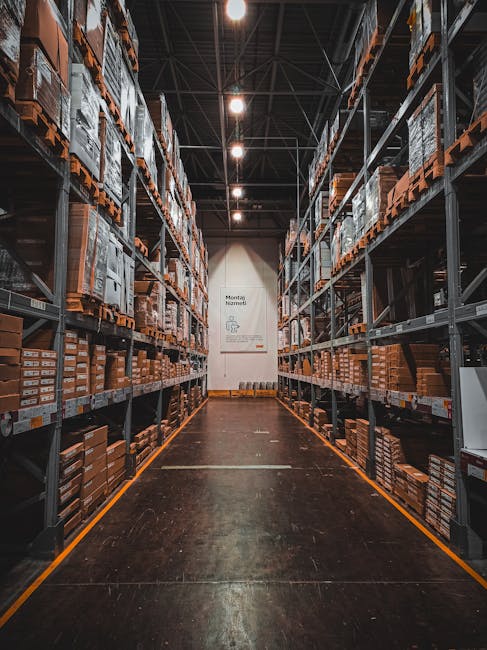
General storage facilities for non-specialized goods:
- Cost: $0.50-1.50 per cubic meter per month
- Features: Basic storage, loading docks, security
- Best For: General merchandise, non-temperature-sensitive goods
- Locations: Available throughout China, highest density in coastal regions
Bonded Warehouses
Duty-deferred storage for import/export operations:
- Cost: $1.00-2.50 per cubic meter per month
- Benefits: No import duties until goods enter domestic market
- Best For: Re-export operations, duty deferral, cross-border e-commerce
- Key Locations: Shanghai, Shenzhen, Ningbo, Qingdao
Free Trade Zone (FTZ) Warehouses
Special economic zones with enhanced benefits:
- Cost: $1.50-3.00 per cubic meter per month
- Benefits: Simplified customs, tax advantages, currency flexibility
- Best For: International distribution, value-added services, regional hubs
- Major FTZs: Shanghai, Shenzhen, Tianjin, Fujian
Temperature-Controlled Warehouses
Cold chain and climate-controlled storage:
- Cost: $2.00-5.00 per cubic meter per month
- Temperature Range: -25°C to +15°C for cold storage
- Best For: Food, pharmaceuticals, cosmetics, chemicals
Warehousing Costs Comparison
| Service | China | US | EU |
|---|---|---|---|
| Storage (per m³/month) | $0.50-2.00 | $2.50-6.00 | $2.00-5.00 |
| Order Picking (per order) | $0.30-0.80 | $1.50-4.00 | $1.20-3.50 |
| Packing (per order) | $0.10-0.40 | $0.50-1.50 | $0.40-1.20 |
| Inbound Handling (per pallet) | $2.00-5.00 | $8.00-20.00 | $6.00-15.00 |
| Inventory Management (monthly) | $50-200 | $200-500 | $150-400 |
Fulfillment Services
Order Processing Capabilities
Modern China fulfillment centers offer comprehensive services:
- Order Processing: Same-day processing for orders received before cutoff (typically 2-4 PM)
- Picking Methods: Batch picking, zone picking, wave picking for efficiency
- Packing Options: Standard boxes, custom packaging, gift wrapping
- Quality Checks: Pre-shipment inspection, photo verification
- Documentation: Commercial invoices, packing lists, certificates of origin
Shipping Integration
- Domestic China: SF Express, JD Logistics, Cainiao, China Post
- International Express: DHL, FedEx, UPS, TNT
- Economy International: ePacket, China Post Air,专线 services
- Freight Forwarding: FCL/LCL consolidation for bulk shipments
Key Warehousing Hubs
| City | Advantages | Best For |
|---|---|---|
| Shanghai | Largest port, FTZ, international connectivity | International distribution, bonded storage |
| Shenzhen | Proximity to Hong Kong, tech hub | Electronics, cross-border e-commerce |
| Guangzhou | Major manufacturing center, Pearl River Delta | Multi-supplier consolidation |
| Ningbo | World’s busiest port by tonnage | Export-focused operations |
| Yiwu | Small commodities hub | Multi-product consolidation |
Technology and Integration
Warehouse Management Systems (WMS)
Modern China warehouses offer sophisticated WMS capabilities:
- Real-Time Inventory: Live stock levels, location tracking
- API Integration: REST APIs for ERP, e-commerce platforms
- Order Management: Automated order routing, priority handling
- Reporting: Inventory reports, order status, performance metrics
- Mobile Access: Apps for inventory monitoring and order management
Platform Integrations
- E-commerce: Shopify, WooCommerce, Magento, Amazon, eBay
- Marketplaces: Tmall, JD.com, Taobao, Lazada, Shopee
- ERP Systems: SAP, Oracle, NetSuite, Kingdee
Choosing the Right Warehouse
Factors to Consider
- Location: Proximity to suppliers, ports, and customers
- Facility Type: Standard, bonded, or FTZ based on needs
- Services: Storage only vs. full fulfillment
- Technology: WMS capabilities and integration options
- Scalability: Ability to handle growth and seasonal peaks
- Compliance: Certifications for your product type
Questions for Potential Providers
- What is your minimum commitment (space and duration)?
- What WMS do you use and what integrations are available?
- What are your order cutoff times and processing SLAs?
- How do you handle returns and quality issues?
- What insurance and liability coverage do you provide?
- Can you provide references from similar businesses?
Common Challenges and Solutions
Myth: China Warehousing Is Primitive and Unreliable
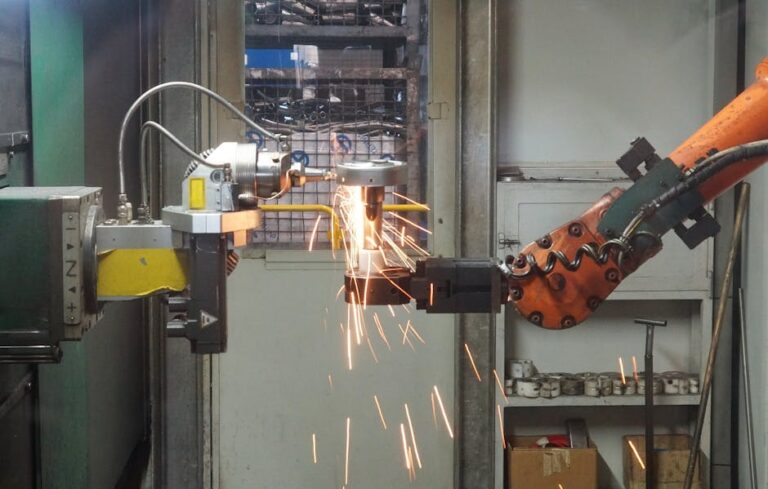
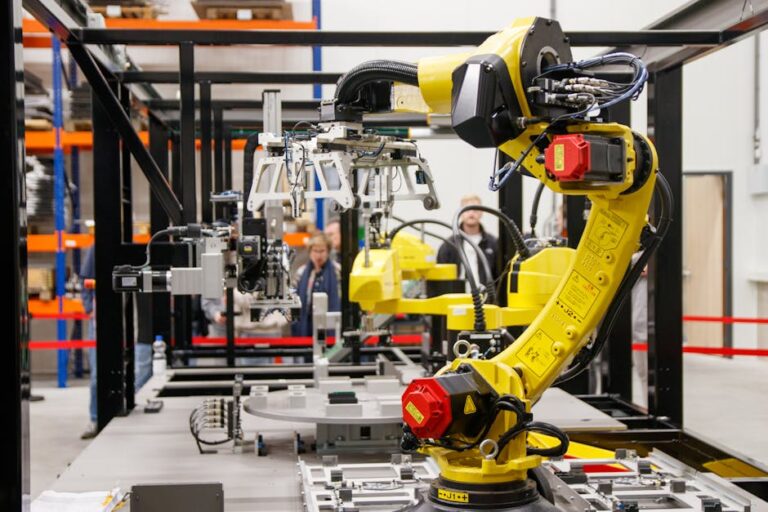
Reality: China has invested heavily in logistics infrastructure, with many facilities matching or exceeding Western standards. Major providers like Cainiao, JD Logistics, and SF Express operate highly automated facilities with advanced WMS, robotics, and same-day fulfillment capabilities.
Common challenges:
- Language Barriers: Choose providers with English-speaking staff or hire a third-party logistics consultant
- Communication Time Zones: Establish clear communication protocols and response expectations
- Quality Control: Implement pre-shipment inspection protocols and photo verification
- Inventory Accuracy: Require regular cycle counts and inventory audits
Cost Optimization Strategies
Reducing Warehousing Costs
- Consolidation: Combine shipments to reduce handling costs
- Seasonal Planning: Adjust space commitments based on demand patterns
- Location Selection: Balance proximity to suppliers vs. lower-cost locations
- Technology: Use WMS to optimize space utilization and picking efficiency
Hidden Costs to Watch
- Setup Fees: Initial integration and account setup ($500-2,000)
- Minimum Commitments: Monthly minimums may apply
- Seasonal Surcharges: Higher rates during peak seasons (Q4)
- Special Handling: Additional fees for fragile or oversized items
- Returns Processing: $0.50-2.00 per return handling
Getting Started
Implementation Steps
- Assess Needs: Determine storage requirements, order volume, and service needs
- Research Providers: Identify potential warehouses in suitable locations
- Request Quotes: Obtain detailed pricing from 3-5 providers
- Evaluate: Compare costs, services, technology, and references
- Pilot: Start with a trial period to verify performance
- Scale: Expand operations as confidence builds
Conclusion
China warehousing and fulfillment services offer significant cost advantages—50-70% savings compared to Western facilities—while providing modern technology and comprehensive services. Success requires careful provider selection, clear communication, and appropriate technology integration.
Key success factors include choosing the right location and facility type, implementing proper inventory management systems, and building strong relationships with reliable providers. With proper planning and execution, China-based warehousing can significantly improve supply chain efficiency and reduce operational costs.