Sourcing Hardware from China: 2026 Tools and Fixtures
In 2026, the global hardware tools and fixtures market continues to be dominated by Chinese manufacturers, offering competitive pricing without compromising on quality. From hand tools to precision fixtures, China’s hardware industry has evolved significantly, with many manufacturers now holding international certifications and serving Fortune 500 companies. This comprehensive guide explores everything you need to know about sourcing hardware from China in 2026.
Key Takeaways
- Chinese hardware manufacturing has matured significantly, with many factories holding ISO 9001, ISO 14001, and specialized certifications
- Average cost savings range from 30-50% compared to Western manufacturers while maintaining comparable quality
- Key hardware hubs include Zhejiang, Guangdong, and Jiangsu provinces, each specializing in different product categories
- Quality control and third-party inspection are essential for successful hardware sourcing from China
- MOQs typically range from $500-$5,000 depending on product complexity and customization requirements
Understanding China’s Hardware Manufacturing Landscape
China’s hardware manufacturing sector represents one of the country’s most established and sophisticated industries. In 2026, the sector accounts for over $180 billion in annual exports, making it the world’s largest hardware producer. The industry has undergone significant transformation, moving from basic manufacturing to advanced precision engineering.
Major Hardware Manufacturing Regions
Understanding the regional specializations is crucial for effective sourcing. Each region has developed distinct expertise over decades of focused development.
| Region | Specialization | Key Products | Average Lead Time |
|---|---|---|---|
| Zhejiang Province | Hand Tools & General Hardware | Wrenches, pliers, hammers, screws | 15-25 days |
| Guangdong Province | Precision Tools & Fixtures | Measuring tools, jigs, fixtures | 20-35 days |
| Jiangsu Province | Power Tools & Accessories | Drills, saws, sanders | 25-40 days |
| Shandong Province | Construction Hardware | Fasteners, anchors, brackets | 18-30 days |
| Shanghai | High-Precision Instruments | Calipers, gauges, measuring equipment | 30-45 days |
Industry Evolution and Quality Standards
The Chinese hardware industry has evolved dramatically over the past two decades. In 2026, over 75% of export-oriented hardware manufacturers hold ISO 9001 certification, compared to just 35% in 2010. This transformation has been driven by increasing quality demands from international buyers and China’s own push up the value chain.
Leading manufacturers like Stanley Black & Decker’s Chinese operations, Bosch Tools China, and domestic champions such as Great Star Industrial have established world-class facilities that rival any Western manufacturer. These companies have invested heavily in automation, quality control systems, and employee training.
Types of Hardware Products Available
Hand Tools
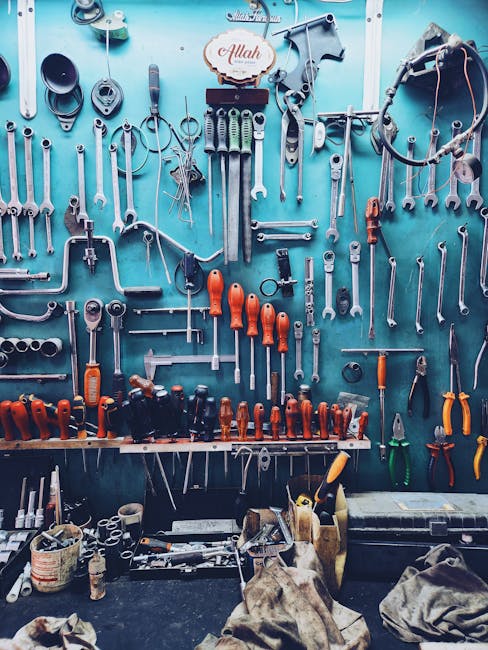
Hand tools remain the largest category of hardware exports from China. The range includes everything from basic screwdrivers and wrenches to specialized automotive tools. In 2026, Chinese manufacturers produce over 500 million hand tools annually, with prices typically 40-50% lower than equivalent Western-made products.
Key hand tool categories include:
- Wrenches and Spanners: Available in standard, metric, and specialized configurations. Prices range from $0.50 for basic wrenches to $50+ for professional-grade sets.
- Pliers and Cutters: From basic slip-joint pliers at $1-2 to precision electronics pliers at $15-30. Quality varies significantly by manufacturer.
- Screwdrivers and Bits: The most commoditized category, with prices as low as $0.10 per piece for bulk orders. Premium brands command $5-15 per piece.
- Hammers and Striking Tools: Range from $2-3 for basic claw hammers to $30+ for specialized framing and demolition hammers.
Power Tools and Accessories
China’s power tool industry has grown exponentially, with domestic brands like Dongcheng, Positec, and Chervon now competing globally. In 2026, Chinese manufacturers account for approximately 60% of global power tool production, including OEM manufacturing for major Western brands.
Price points for power tools vary widely:
- Consumer-grade drills: $15-40
- Professional-grade drills: $80-200
- Industrial-grade equipment: $300-1,000+
Precision Fixtures and Jigs
For buyers requiring precision fixtures and jigs, Chinese manufacturers offer significant cost advantages. A fixture that might cost $5,000-10,000 from a Western manufacturer can often be sourced from China for $1,500-3,500, representing savings of 60-70%. However, this category requires careful supplier selection and quality verification.
Finding Reliable Hardware Suppliers
Online B2B Platforms
Alibaba remains the dominant platform for hardware sourcing, with over 50,000 hardware suppliers listed. However, Made-in-China and Global Sources offer more curated supplier lists with better verification. In 2026, these platforms have enhanced their verification processes, with many suppliers now displaying third-party audit reports.
Trade Shows and Exhibitions
Attending trade shows remains one of the most effective ways to identify quality suppliers. Key hardware trade shows in China include:
- Canton Fair (Guangzhou): Held twice yearly, featuring thousands of hardware exhibitors. The Spring 2026 edition featured over 3,000 hardware suppliers.
- China International Hardware Show (Shanghai): Specialized hardware exhibition with 2,000+ exhibitors annually.
- East China Fair (Shanghai): Strong representation from Zhejiang and Jiangsu hardware manufacturers.
Supplier Verification Process
Proper supplier verification is essential for successful hardware sourcing. The verification process should include:
- Business License Verification: Confirm the supplier’s legal status and manufacturing capabilities through local authorities.
- Factory Audit: Conduct on-site audits or hire third-party inspection companies like SGS, Bureau Veritas, or Intertek.
- Quality Certification Review: Verify ISO, CE, UL, and other relevant certifications directly with issuing bodies.
- Reference Checks: Contact existing customers, particularly those in your region, for feedback.
- Sample Evaluation: Always order samples before placing bulk orders, and have them tested by independent laboratories.
Quality Control and Standards
International Certifications to Look For
When sourcing hardware from China, relevant certifications depend on your target market:
| Market | Required Certifications | Testing Standards |
|---|---|---|
| United States | UL, ETL, ANSI | ASTM, ASME |
| European Union | CE, GS, TUV | EN, ISO |
| Australia | AS/NZS Standards | AS Standards |
| Canada | CSA, UL Canada | CSA Standards |
| Japan | JIS, PSE | JIS Standards |
Third-Party Inspection Services
Investing in third-party inspection is crucial for hardware sourcing. Typical inspection costs range from $200-400 per man-day, with most hardware inspections requiring 1-2 days. Key inspection points include:
- Dimensional accuracy verification
- Material composition testing
- Surface finish and coating quality
- Functional testing
- Packaging and labeling compliance
Common Quality Issues and Solutions
Myth: Chinese Hardware is Always Low Quality
Reality: This outdated perception ignores the significant quality improvements in Chinese manufacturing. In 2026, many Chinese hardware factories produce products that meet or exceed international standards. The key is proper supplier selection and quality control. Top Chinese manufacturers now export to demanding markets including Germany, Japan, and the United States, serving professional and industrial users.
Common quality issues encountered when sourcing hardware from China include:
- Material Substitution: Suppliers may use lower-grade materials to reduce costs. Solution: Specify exact material grades and require material certificates.
- Dimensional Variations: Tolerances may not meet specifications. Solution: Provide detailed drawings with clear tolerance requirements.
- Surface Finish Issues: Plating or coating may be uneven or insufficient. Solution: Define plating thickness and quality standards clearly.
- Hardness/Heat Treatment: Tools may not achieve specified hardness. Solution: Require hardness testing certificates for each batch.
Pricing and Cost Considerations
Understanding Hardware Pricing Structure
Hardware pricing from Chinese suppliers typically includes:
- Raw Material Costs: 40-60% of total cost, varying with steel and metal prices
- Labor Costs: 15-25% of total cost, rising approximately 8-10% annually
- Overhead and Profit: 15-25% of total cost
- Tooling and Setup: One-time costs ranging from $500-5,000 for custom products
Typical Price Ranges by Category
Understanding market prices helps in negotiations and identifying unrealistic quotes:
| Product Category | Low-End Price | Mid-Range Price | Premium Price |
|---|---|---|---|
| Basic Hand Tools | $0.50-2.00 | $2.00-8.00 | $8.00-25.00 |
| Measuring Tools | $1.00-5.00 | $5.00-20.00 | $20.00-100.00 |
| Power Tools | $15.00-50.00 | $50.00-150.00 | $150.00-500.00 |
| Fixtures & Jigs | $50.00-200.00 | $200.00-1,000.00 | $1,000.00-5,000.00 |
| Fasteners (per 1000) | $2.00-10.00 | $10.00-30.00 | $30.00-100.00 |
Hidden Costs to Consider
Beyond the quoted FOB price, buyers must account for:
- Shipping Costs: Typically $1,500-4,000 per 20ft container in 2026
- Import Duties: Vary by product category, averaging 5-15% for hardware
- Quality Inspection: $200-400 per inspection
- Customs Clearance: $200-500 per shipment
- Warehousing: $0.50-2.00 per cubic meter per month
Minimum Order Quantities and Negotiations
Understanding MOQs
MOQs for hardware products vary significantly based on product type and customization level:
- Stock Products: MOQs as low as $100-500 for standard items
- Custom Products: MOQs typically $1,000-5,000
- OEM Products: MOQs often $5,000-20,000
- Private Label: MOQs $2,000-10,000 depending on packaging requirements
Negotiation Strategies
Effective negotiation with Chinese hardware suppliers requires understanding their cost structure and constraints:
- Volume Commitments: Offering annual volume commitments can reduce prices by 10-20%
- Payment Terms: Larger upfront payments may secure better pricing
- Product Simplification: Simplifying specifications can significantly reduce costs
- Consolidated Orders: Ordering multiple products from one supplier improves leverage
Shipping and Logistics
Shipping Options for Hardware
Hardware products, being relatively dense and heavy, typically ship via sea freight. In 2026, typical shipping options include:
- FCL (Full Container Load): Most cost-effective for orders over $10,000. A 20ft container holds approximately 28 cubic meters of hardware.
- LCL (Less than Container Load): Suitable for smaller orders, though per-unit shipping costs are higher.
- Express Shipping: Only viable for samples or very small, high-value orders.
Lead Times
Typical lead times for hardware sourcing from China:
- Production Time: 15-45 days depending on product complexity
- Quality Inspection: 2-5 days
- Sea Freight: 20-35 days to US West Coast, 30-45 days to US East Coast
- Customs Clearance: 3-7 days
Common Mistakes to Avoid
Mistake #1: Focusing Only on Price
The most common mistake is selecting suppliers based solely on the lowest price. This often leads to quality issues, delivery delays, and ultimately higher total costs. A supplier offering prices 30% below market average is likely cutting corners somewhere.
Mistake #2: Skipping Sample Testing
Never skip the sample evaluation phase. The $200-500 cost of samples and testing is insignificant compared to the risk of receiving a container of defective products. Always test samples under actual use conditions.
Mistake #3: Inadequate Specifications
Vague specifications lead to quality disputes. Provide detailed drawings, material specifications, and quality standards. Include acceptable tolerance ranges and define rejection criteria clearly.
Mistake #4: Neglecting Quality Control
Assuming quality without verification is dangerous. Implement a robust quality control program including pre-shipment inspection, and consider ongoing production monitoring for critical products.
Building Long-Term Supplier Relationships
The Value of Partnership
Developing strong relationships with reliable hardware suppliers provides significant advantages:
- Priority Production: Established customers receive priority during peak seasons
- Better Pricing: Long-term partners often receive preferential pricing
- Quality Focus: Suppliers prioritize quality for valued customers
- Flexibility: Established relationships enable smaller MOQs and faster turnarounds
Communication Best Practices
Effective communication with Chinese suppliers requires:
- Clear, simple English without idioms or slang
- Written confirmation of all specifications and agreements
- Regular video calls to build personal relationships
- Understanding of Chinese business culture and holidays
- Patience with time zone differences (12-15 hours from US)
Legal and Contractual Considerations
Essential Contract Elements
A comprehensive purchase agreement should include:
- Product Specifications: Detailed technical specifications and drawings
- Quality Standards: Reference to specific international standards
- Inspection Rights: Right to inspect before shipment
- Warranty Terms: Defect liability and replacement procedures
- Intellectual Property: NDA and IP protection clauses
- Dispute Resolution: Arbitration venue and applicable law
Protecting Your Intellectual Property
When sourcing custom hardware or fixtures, IP protection is critical:
- Register patents and trademarks in China before engaging suppliers
- Use Non-Disclosure Agreements with all potential suppliers
- Consider splitting production across multiple suppliers for sensitive products
- Work with established manufacturers who have IP protection track records
Future Trends in Hardware Sourcing
Industry 4.0 and Smart Manufacturing
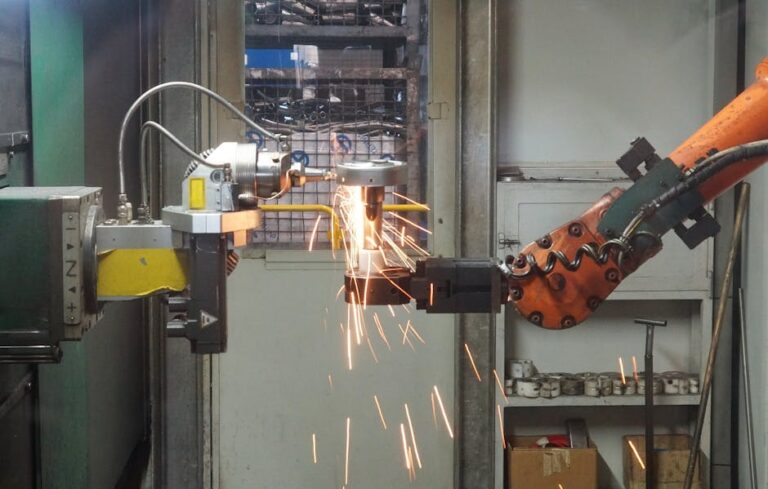
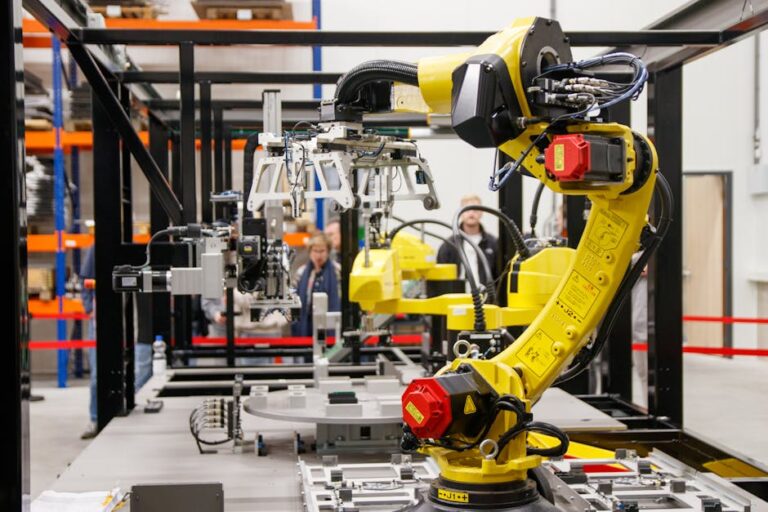
Chinese hardware manufacturers are increasingly adopting Industry 4.0 technologies. By 2026, over 40% of major hardware factories have implemented some level of automation and digitalization. This trend is improving quality consistency and reducing lead times.
Sustainability and Green Manufacturing
Environmental regulations in China have tightened significantly. In 2026, hardware manufacturers must comply with strict emissions and waste disposal requirements. This has led to improved environmental practices but also modest cost increases of 3-5%.
Supply Chain Diversification
Post-pandemic, many buyers are diversifying their hardware sourcing beyond China. However, China remains the most comprehensive hardware sourcing destination, offering unmatched product range, supplier ecosystem, and infrastructure. Alternative countries like Vietnam and India are developing but cannot yet match China’s capabilities.
Getting Started with Hardware Sourcing
Step-by-Step Process
- Define Requirements: Create detailed product specifications including materials, dimensions, tolerances, and quality standards.
- Research Suppliers: Use B2B platforms, trade shows, and industry contacts to identify potential suppliers.
- Request Quotes: Obtain quotes from 5-10 suppliers, comparing pricing, MOQs, and lead times.
- Verify Suppliers: Conduct background checks and factory audits on shortlisted suppliers.
- Order Samples: Request samples and have them tested by independent laboratories.
- Negotiate Terms: Finalize pricing, payment terms, and delivery schedules.
- Place Trial Order: Start with a smaller order to verify production quality and reliability.
- Implement Quality Control: Establish inspection protocols for ongoing orders.
- Build Relationship: Develop long-term partnership with successful suppliers.
Conclusion
Sourcing hardware from China in 2026 offers significant opportunities for cost savings and access to a mature manufacturing ecosystem. Success requires careful supplier selection, robust quality control, and clear specifications. By following the guidelines in this comprehensive guide, buyers can navigate the complexities of hardware sourcing and build successful, long-term supplier relationships.
The Chinese hardware industry has evolved far beyond its reputation for low-cost, low-quality manufacturing. Today’s leading Chinese hardware manufacturers produce world-class products that meet international standards and serve demanding global markets. With proper due diligence and relationship management, sourcing hardware from China can be a strategic advantage for businesses of all sizes.
For businesses looking to source hardware from China, the key is to approach the process systematically: define your requirements clearly, verify suppliers thoroughly, implement robust quality control, and build strong relationships with reliable partners. The potential rewards—cost savings of 30-50%, access to a comprehensive supplier ecosystem, and flexibility in product development—make hardware sourcing from China a compelling strategy in 2026.