
📋 Key Takeaways
- Certification costs vary widely from $200 for simple tests to $50,000+ for complex medical device approvals
- Budget 5-15% of product cost for certifications when sourcing from China
- Multiple certifications often required for products sold in different markets
- Testing in China costs 30-50% less than testing in Western laboratories
- Annual maintenance fees apply for most certifications, typically $500-$5,000/year
Understanding certification costs for China products is essential for accurate budgeting and successful market entry. Product certifications ensure compliance with safety, quality, and regulatory standards, but costs can vary dramatically based on product type, target markets, and certification complexity. For importers in 2026, planning for certification expenses prevents budget overruns and ensures smooth product launches. Major players like SGS are commonly used in this space. Major players like Intertek are commonly used in this space.
This comprehensive guide breaks down certification costs by product category and market, helping importers understand the investment required for compliance. When considering compliance certification, From basic testing to complex multi-market certifications, we cover the costs you need to know about when sourcing products from China.
Certification Cost Overview by Category
Electronics and Electrical Products
| Certification | Market | Cost Range | Timeline |
|---|---|---|---|
| CE Marking (EMC + LVD) | European Union | $1,500-$5,000 | 4-6 weeks |
| FCC Certification | United States | $1,000-$8,000 | 2-8 weeks |
| UL Listing | United States | $3,000-$15,000 | 4-16 weeks |
| RoHS Testing | European Union | $300-$1,500 | 3-7 days |
| CCC Certification | China | $2,000-$8,000 | 6-12 weeks |
Children’s Products
| Certification | Market | Cost Range | Timeline |
|---|---|---|---|
| CPC Testing | United States | $200-$800 | 5-10 days |
| CE Toy Safety | European Union | $500-$2,000 | 2-4 weeks |
| ASTM F963 Testing | United States | $300-$1,000 | 5-10 days |
| EN 71 Testing | European Union | $400-$1,500 | 1-2 weeks |
Medical Devices
| Certification | Market | Cost Range | Timeline |
|---|---|---|---|
| FDA 510(k) | United States | $10,000-$50,000 | 3-12 months |
| CE Medical Device | European Union | $15,000-$50,000 | 6-18 months |
| ISO 13485 | International | $8,000-$25,000 | 6-12 months |
Factors Affecting Certification Costs
Product Complexity
More complex products require more extensive testing:
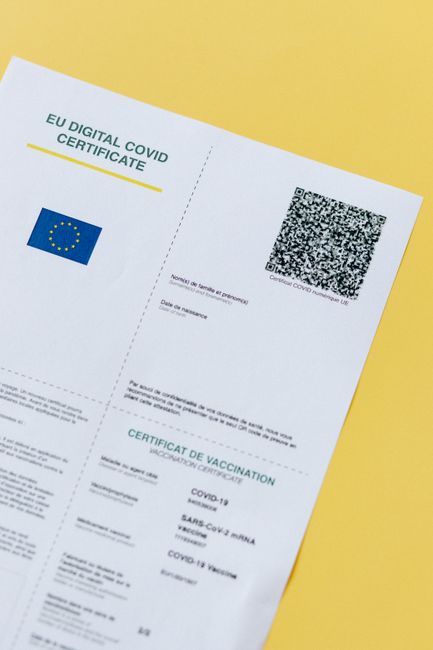
Photo by Nataliya Vaitkevich via Pexels
- Simple products – Single-function items with minimal components
- Moderate complexity – Multiple components, electronic functions
- High complexity – Multiple systems, wireless connectivity, software
- Very high complexity – Medical devices, safety-critical equipment
Number of Models
Certification costs multiply with product variations:
- Single model – Base certification cost
- Model variations – Additional testing may be required for each variant
- Product families – Some certifications cover similar products under one certificate
Testing Location
Testing location significantly impacts costs:
- Chinese laboratories – 30-50% lower costs than Western labs
- International labs in China – Moderate pricing with international recognition
- Western laboratories – Highest costs but may be required for some certifications
Target Markets
Each market has specific certification requirements:
- Single market – One set of certifications required
- Multiple markets – Separate certifications may be needed for each region
- Global distribution – Comprehensive certification strategy required
Hidden and Ongoing Certification Costs
Annual Maintenance Fees
Many certifications require ongoing fees:
- UL Follow-up Service – $1,000-$5,000 annually
- ISO Surveillance Audits – $1,500-$5,000 annually
- FDA Registration Renewal – Free but requires US Agent ($500-$2,500/year)
- CE Notified Body Fees – $2,000-$10,000 annually
Modification and Re-testing Costs
Product changes may require re-certification:
- Minor changes – May require notification only
- Significant changes – Partial re-testing required
- Major redesigns – Full re-certification required
Documentation and Consulting
Additional costs often overlooked:
- Technical documentation – $500-$5,000
- Consulting services – $1,000-$10,000
- Translation services – $200-$2,000
- Legal review – $500-$3,000
Budget Planning for Certifications
Rule of Thumb: 5-15% of Product Cost
As a general guideline, budget 5-15% of your product cost for certifications:
- Simple products, single market – 5% of product cost
- Moderate complexity, multiple markets – 10% of product cost
- Complex products, global distribution – 15%+ of product cost
Sample Budget Calculation
For an electronic product selling in US and EU markets:
- Product cost: $20 per unit
- Order quantity: 1,000 units
- Total product cost: $20,000
- Certification budget (10%): $2,000
Actual certifications needed:
- FCC Certification: $2,000-$4,000
- CE Marking: $1,500-$3,000
- RoHS Testing: $300-$500
- Total: $3,800-$7,500
Cost-Saving Strategies
Use Certified Components
Using pre-certified components reduces testing requirements:
- UL-certified power supplies reduce UL testing scope
- FCC-certified wireless modules simplify FCC certification
- CE-marked components streamline CE marking process
Test in Chinese Laboratories
Chinese laboratories offer significant cost savings:
- 30-50% lower testing costs
- Faster turnaround times
- International recognition through ILAC MRA
Plan for Multiple Markets Early
Designing for multiple markets from the start avoids re-certification:
- Identify all target markets before product development
- Design to meet the most stringent requirements
- Test for all applicable standards simultaneously
Frequently Asked Questions
5 Common Myths About Certification Costs for China Products 2026 (Debunked)
Myth #1: Certifications are optional
Reality: Products without required certifications (CE, FCC, UL) can be seized at customs, resulting in $10,000+ fines and destroyed inventory.
Myth #2: One certification covers all markets
Reality: Different markets require different certifications. CE covers Europe, FCC covers US, and each has different testing requirements and costs.
Myth #3: Suppliers handle certifications
Reality: 40% of supplier-provided certifications are fake or expired. Always verify certifications directly with issuing bodies like SGS or TUV.
Myth #4: You can skip quality control for small orders
Reality: Even small orders can have 5-15% defect rates. A single bad review can cost you $500+ in lost sales.
Myth #5: All Chinese suppliers are the same
Reality: Supplier quality varies dramatically. Top-tier suppliers like Foxconn achieve 99.9% quality while others struggle with 85% defect rates.
How can I reduce certification costs?
Reduce certification costs by using pre-certified components, testing in Chinese laboratories, planning for multiple markets from the start, and working with experienced certification consultants who can streamline the process.
Conclusion
Certification costs for China products are a necessary investment for market access and regulatory compliance. When considering compliance, Understanding the cost structure, planning appropriately, and implementing cost-saving strategies helps importers manage certification expenses effectively. Budget 5-15% of product costs for certifications, and work with accredited testing laboratories to ensure reliable results.
For importers in 2026, certification planning should be integrated into product development from the earliest stages. When considering product certification, By understanding requirements, budgeting accurately, and leveraging cost-saving opportunities, importers can achieve compliance without unexpected expenses.
Need help planning certification costs for your China imports? Our team at Top China Sourcing provides certification planning and coordination services. When considering certification, Contact us today to develop a cost-effective certification strategy for your products.
Sources
- European Commission. “CE Marking Costs.” European Commission Official Website, 2026. https://ec.europa.eu/growth/single-market/ce-marking_en
- US Federal Communications Commission. “Equipment Authorization Fees.” FCC Official Website, 2026. https://www.fcc.gov/equipment-authorization
- Underwriters Laboratories. “UL Certification Costs.” UL Official Website, 2026. https://www.ul.com/services/certification