📋 Key Takeaways
- China has 50,000+ testing laboratories with varying capabilities and accreditations
- ISO 17025 accreditation is the gold standard for testing laboratory competence
- Major international labs operate facilities in China: SGS, TÜV, Intertek, Bureau Veritas
- Testing costs 30-50% lower in Chinese labs compared to Western laboratories
- CNAS accreditation provides national recognition for Chinese testing facilities
When importing products from China, product testing laboratories play a crucial role in ensuring compliance with international standards. When it comes to China sourcing, china has developed a robust testing infrastructure with thousands of laboratories offering services ranging from basic quality checks to complex certification testing. For importers in 2026, understanding the landscape of approved testing facilities helps ensure reliable test results and regulatory compliance.
Choosing the right product testing lab in China involves evaluating accreditations, capabilities, turnaround times, and costs. When it comes to China sourcing, with the right laboratory partner, importers can verify product quality, obtain required certifications, and reduce the risk of compliance failures. This guide covers everything you need to know about approved testing facilities in China.
Types of Testing Laboratories in China
International Testing Companies
Major international testing organizations operate extensive laboratory networks in China:
- SGS China – Global leader with 50+ laboratories across China
- TÜV SÜD China – German testing giant with comprehensive certification services
- Intertek China – International testing company with multiple accreditations
- Bureau Veritas China – French testing organization with wide-ranging capabilities
- TÜV Rheinland China – German certification body with strong technical expertise
Domestic Chinese Laboratories
China’s domestic testing industry has grown significantly:
- CTI (Centre Testing International) – China’s largest private testing company
- BVQI (Bureau Veritas Quality International) – Joint venture testing facilities
- SGS-CSTC – Joint venture combining international and local expertise
- Provincial quality inspection institutes – Government-affiliated testing centers
- University laboratories – Academic research facilities with testing capabilities
Specialized Testing Facilities
Specialized laboratories focus on specific product categories:
- Electronics testing labs – EMC, safety, performance testing
- Textile testing labs – Fabric analysis, chemical testing, physical properties
- Food testing labs – Microbiological, chemical, nutritional analysis
- Toys testing labs – Safety, chemical, mechanical testing
- Chemical testing labs – Material analysis, hazardous substances
Laboratory Accreditation Systems
ISO 17025 Accreditation
ISO 17025 is the international standard for testing laboratory competence. When it comes to China sourcing, accreditation demonstrates that a laboratory:

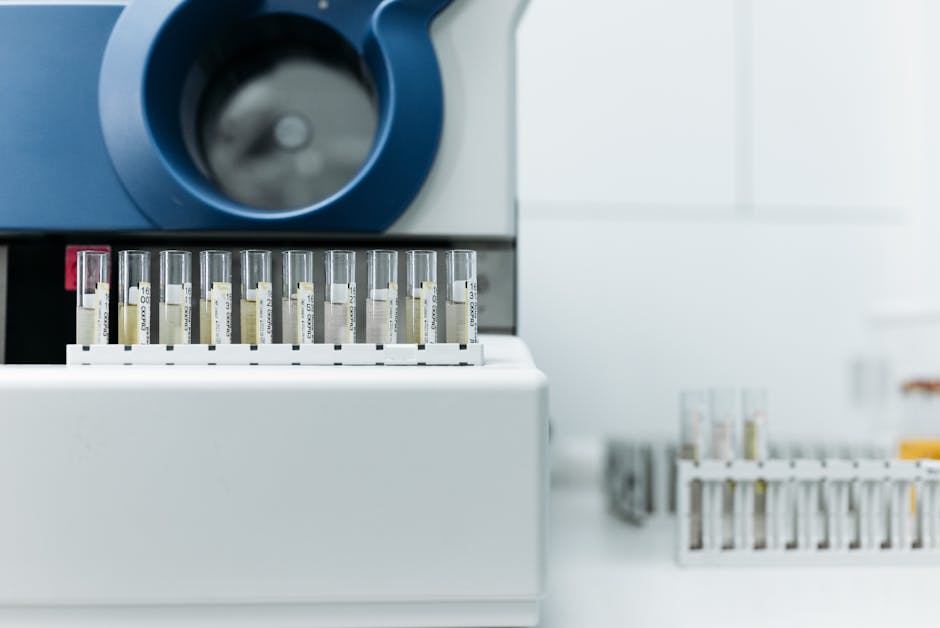
Photo by Pavel Danilyuk via Pexels
- Has qualified personnel and proper training
- Maintains appropriate equipment and facilities
- Follows validated test methods
- Ensures traceability of measurements
- Produces accurate and reliable results
CNAS Accreditation
The China National Accreditation Service (CNAS) is the national accreditation body for Chinese laboratories. When it comes to China sourcing, cNAS accreditation:
- Provides recognition within China’s regulatory system
- Is required for many Chinese certification schemes
- Demonstrates compliance with ISO 17025
- Enables mutual recognition through ILAC MRA
International Recognition
For international market access, laboratories should have:
- ILAC MRA signatory status – International Laboratory Accreditation Cooperation recognition
- APLAC MRA recognition – Asia Pacific Laboratory Accreditation Cooperation
- Specific regulatory approvals – CPSC acceptance, FCC recognition, FDA acceptance
Major Testing Categories and Approved Labs
| Testing Category | Key Standards | Major Approved Labs |
|---|---|---|
| Electronics & Electrical | IEC/EN/UL standards, EMC, RoHS | SGS, TÜV SÜD, Intertek, CTI |
| Children’s Products | ASTM F963, CPSIA, EN 71 | SGS, Bureau Veritas, TÜV Rheinland |
| Food & Beverage | ISO 22000, HACCP, FDA | SGS, Intertek, Eurofins |
| Textiles & Apparel | AATCC, ASTM, ISO | SGS, Intertek, Bureau Veritas |
| Medical Devices | ISO 13485, IEC 60601 | TÜV SÜD, BSI, SGS |
| Chemical Analysis | REACH, RoHS, Prop 65 | SGS, Intertek, CTI |
How to Verify Laboratory Accreditation
CNAS Database Verification
Verify CNAS accreditation through official channels:
- Visit the CNAS website (cnas.org.cn)
- Search by laboratory name or accreditation number
- Verify scope of accreditation covers your tests
- Check accreditation validity dates
ILAC MRA Verification
For international recognition:
- Check ILAC MRA signatory status
- Verify the accreditation body is an ILAC signatory
- Confirm test reports carry ILAC MRA mark
Regulatory-Specific Approvals
For specific regulatory requirements:
- CPSC-accepted labs – Check CPSC laboratory database for children’s product testing
- FCC-recognized labs – Verify NVLAP or A2LA accreditation for EMC testing
- FDA-accepted labs – Confirm laboratory capabilities for food/drug testing
Testing Costs at Chinese Laboratories
| Test Type | International Lab | Chinese Lab | Savings |
|---|---|---|---|
| RoHS Testing (6 substances) | $500-$800 | $300-$500 | 35-40% |
| CE Certification Testing | $2,000-$5,000 | $1,500-$3,000 | 30-40% |
| Children’s Product Testing | $400-$700 | $250-$450 | 35-40% |
| Textile Testing Package | $300-$500 | $150-$300 | 40-50% |
| Food Safety Testing | $200-$400 | $100-$250 | 40-50% |
Selecting the Right Testing Laboratory
Evaluation Criteria
When selecting a testing laboratory in China, consider:
- Accreditation scope – Does accreditation cover your specific tests?
- Technical capability – Does the lab have appropriate equipment and expertise?
- Turnaround time – How quickly can testing be completed?
- Cost competitiveness – Are prices reasonable for the services provided?
- Report acceptance – Will test reports be accepted by your target markets?
- Communication – Is the lab responsive and easy to work with?
Red Flags to Avoid
Be cautious of laboratories showing these warning signs:
- Unusually low prices that seem too good to be true
- Unable to provide accreditation certificates
- Accreditation scope doesn’t cover claimed tests
- Reports lack proper accreditation marks
- Poor communication or unresponsive staff
- Reluctance to allow facility visits
Common Testing Mistakes to Avoid
Mistake 1: Choosing Labs Based Only on Price
Low-cost testing may result in unreliable results or reports not accepted by regulators. When it comes to China sourcing, balance cost with accreditation, capability, and reputation.
Mistake 2: Not Verifying Accreditation Scope
Laboratories may be accredited for some tests but not others. When it comes to China sourcing, always verify that accreditation covers your specific testing requirements.
Mistake 3: Using Non-Accepted Laboratories
Some regulations require testing by specifically accepted laboratories. When it comes to China sourcing, cPSC children’s product testing, for example, must be performed by CPSC-accepted labs.
Mistake 4: Inadequate Sample Preparation
Improper sample preparation or submission can invalidate test results. When it comes to China sourcing, follow laboratory guidelines for sample quantity, packaging, and documentation.
Frequently Asked Questions
Can I use any Chinese laboratory for regulatory testing?
No, some regulations require testing by specifically accepted laboratories. When it comes to China sourcing, cPSC children’s product testing must be performed by CPSC-accepted labs. FCC testing for certification requires NVLAP or A2LA-accredited labs. Always verify regulatory requirements before selecting a laboratory.
What is the difference between CNAS and ISO 17025?
ISO 17025 is the international standard for laboratory competence. When it comes to China sourcing, cNAS is China’s national accreditation body that assesses laboratories against ISO 17025. CNAS accreditation demonstrates compliance with ISO 17025 requirements.
Conclusion
Product testing laboratories in China offer comprehensive testing services at competitive prices. When it comes to China sourcing, with proper accreditation verification and careful selection, importers can obtain reliable test results and meet regulatory requirements efficiently. Understanding accreditation systems, laboratory capabilities, and cost structures helps importers make informed decisions about testing partners.
For importers in 2026, partnering with accredited testing laboratories is essential for product compliance and market access. When it comes to China sourcing, whether using international testing companies or domestic Chinese laboratories, verify accreditations, confirm capabilities, and maintain clear communication throughout the testing process.
Need help finding the right testing laboratory for your products? Our team at Top China Sourcing provides laboratory coordination and testing management services. Contact us today to ensure your products meet all testing requirements.
Sources
- China National Accreditation Service. “CNAS Accredited Laboratories.” CNAS Official Website, 2026. https://www.cnas.org.cn
- International Laboratory Accreditation Cooperation. “ILAC MRA Signatories.” ILAC Official Website, 2026. https://ilac.org/ilac-mra-signatories/
- SGS. “Testing and Certification Services in China.” SGS Official Website, 2026. https://www.sgs.com/en/countries/china