📋 Key Takeaways
- CPC is mandatory for all children’s products sold in the United States
- Testing required by CPSC-accepted laboratory – Third-party testing is non-negotiable
- Testing costs $200-$3,000+ depending on product type and complexity
- Importer bears legal responsibility for CPC compliance regardless of supplier
- Amazon requires CPC documentation for all children’s product listings
Importing children’s products from China requires a Children’s Product Certificate (CPC). When it comes to China sourcing, this mandatory certification demonstrates that products designed for children under 12 years meet all applicable US safety standards. For importers in 2026, understanding CPC requirements is essential for legal market access and protecting children from hazardous products.
The CPC certification process involves third-party testing by CPSC-accepted laboratories, compliance with specific safety standards, and proper documentation. When it comes to China sourcing, failure to obtain CPC certification results in products being refused entry at US ports and potential enforcement actions. This guide covers everything you need to know about CPC certification for China imports.
What is a Children’s Product Certificate (CPC)?
A Children’s Product Certificate (CPC) is a document certifying that a children’s product complies with all applicable US safety rules. When it comes to China sourcing, the CPC must be based on testing by a CPSC-accepted third-party laboratory. The certificate is issued by the manufacturer or importer and must accompany products entering the US market.
Products Requiring CPC
CPC is required for all products designed or intended primarily for children 12 years of age or younger. When it comes to China sourcing, this includes:
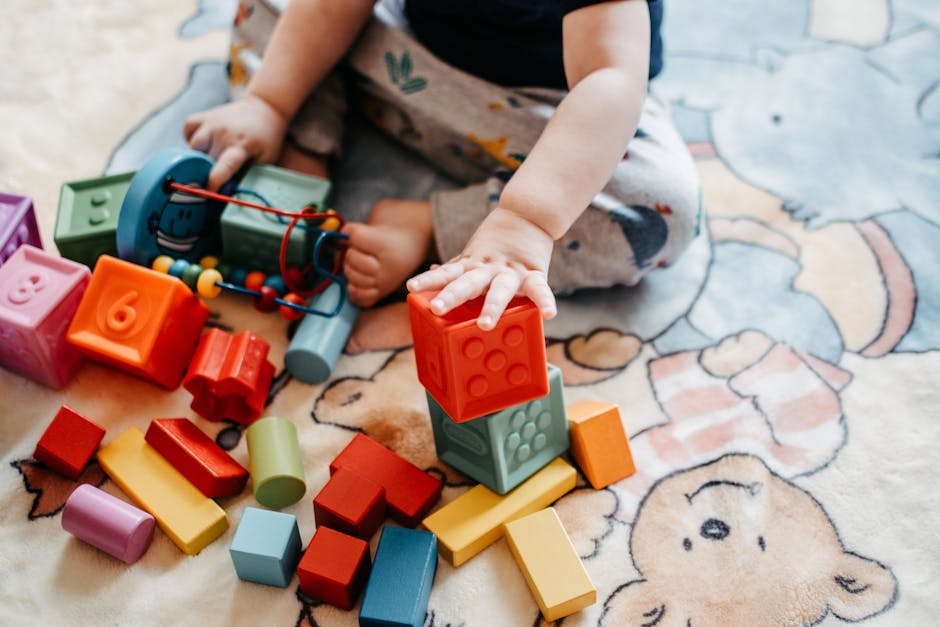
- Toys – All toys designed for children under 12
- Children’s clothing – Apparel sized for children
- Children’s jewelry – Jewelry designed for children
- Childcare articles – Products for feeding, sleeping, and care
- Children’s furniture – Cribs, high chairs, playpens
- School supplies – Products marketed for school use
- Children’s electronics – Electronic toys and devices for children
Determining if Your Product is a Children’s Product
The CPSC considers several factors to determine if a product is a children’s product:
- Manufacturer’s statement – How the product is marketed and labeled
- Advertising and marketing – Whether advertising targets children
- Common recognition – Whether consumers commonly recognize it as for children
- Age determination guidelines – CPSC guidelines for age grading
CPC Testing Requirements
Required Safety Tests
Children’s products must be tested for compliance with multiple safety standards:
Photo by Nataliya Vaitkevich via Pexels
| Test | Standard | Products Covered |
|---|---|---|
| Lead in paint/surface coatings | 16 CFR 1303 | All children’s products with paint/coatings |
| Lead in substrates | CPSIA Section 101 | All children’s products |
| Phthalates | CPSIA Section 108 | Toys and childcare articles |
| Toy safety | ASTM F963 | All toys |
| Small parts | 16 CFR 1501 | Toys for children under 3 |
| Sharp points/edges | 16 CFR 1500 | All children’s products |
| Crib safety | 16 CFR 1219/1220 | Full-size/non-full-size cribs |
| Pacifiers | 16 CFR 1511 | All pacifiers |
Lead Content Limits
CPSIA establishes strict lead limits for children’s products:
- Lead in paint – Maximum 90 ppm (parts per million)
- Lead in substrates – Maximum 100 ppm
- Children’s metal jewelry – Additional testing requirements
Phthalates Restrictions
CPSIA restricts certain phthalates in children’s toys and childcare articles:
- Permanent ban – DEHP, DBP, BBP (all children’s toys and childcare articles)
- Interim ban – DINP, DNOP, DIDP (toys that can be mouthed)
- Maximum limit – 0.1% (1000 ppm) per phthalate
CPC Certification Process: Step-by-Step
Step 1: Identify Applicable Standards
Determine which safety standards apply to your product based on:
- Product type and intended use
- Target age group
- Materials used
- Specific features and functions
Step 2: Select CPSC-Accepted Laboratory
Testing must be performed by a CPSC-accepted third-party laboratory. When it comes to China sourcing, options include:
- International labs in China – Many CPSC-accepted labs operate in China
- US-based laboratories – Testing after import (adds shipping costs)
- Major testing companies – SGS, Intertek, TÜV, Bureau Veritas
Verify laboratory acceptance status through the CPSC laboratory search database.
Step 3: Submit Samples for Testing
Provide product samples to the laboratory for testing. Requirements include:
- Sufficient samples for all required tests
- Complete product with all components
- Product documentation and specifications
- Age grading determination
Step 4: Receive Test Reports
The laboratory issues test reports showing compliance or non-compliance. For compliant products:
- Retain test reports for at least 5 years
- Use reports as basis for CPC issuance
- Ensure reports cover all applicable standards
Step 5: Issue Children’s Product Certificate
Create the CPC document including:
- Product identification (name, model, description)
- Manufacturer/importer name and address
- Testing laboratory identification
- Date and place of manufacture
- Date and place of testing
- List of applicable standards
- Reference to test reports
- Signature of responsible party
CPC Testing Costs and Timeline
| Product Type | Typical Tests | Estimated Cost | Timeline |
|---|---|---|---|
| Simple plastic toy | Lead, phthalates, ASTM F963 | $200-$500 | 5-7 days |
| Plush toy | Lead, phthalates, flammability | $300-$600 | 5-7 days |
| Children’s jewelry | Lead, cadmium, phthalates | $400-$800 | 7-10 days |
| Children’s clothing | Lead, flammability, tracking label | $200-$400 | 5-7 days |
| Electronic toy | Lead, phthalates, ASTM F963, electrical | $500-$1,500 | 7-14 days |
| Childcare article | Multiple standards | $500-$3,000+ | 10-21 days |
Working with Chinese Suppliers on CPC
Supplier CPC Documentation
Many Chinese suppliers provide CPC documentation. When evaluating supplier CPCs:
- Verify laboratory acceptance – Check CPSC database for lab status
- Confirm test report authenticity – Request original reports
- Check product coverage – Ensure CPC covers your exact product
- Validate date – Tests should be recent (within 1-2 years)
Importer Responsibility
As the importer, you bear legal responsibility for CPC compliance. When it comes to China sourcing, even if suppliers provide CPC documentation:
- You must ensure testing is current and valid
- You must issue CPC as the importer if manufacturer doesn’t
- You must maintain records for 5 years
- You must provide CPC to CPSC upon request
Common CPC Mistakes to Avoid
Mistake 1: Using Non-Accepted Laboratories
Testing must be performed by CPSC-accepted laboratories. When it comes to China sourcing, test reports from non-accepted labs are invalid and products cannot be certified. Always verify laboratory acceptance status before testing.
Mistake 2: Incomplete Testing
Products must be tested for ALL applicable standards. When it comes to China sourcing, missing even one required test invalidates the CPC. Work with laboratories to identify all applicable standards.
Mistake 3: Missing Tracking Labels
CPSIA requires tracking labels on children’s products. When it comes to China sourcing, labels must identify manufacturer, location, date of manufacture, and batch/run information. Missing tracking labels result in non-compliance.
Mistake 4: Not Maintaining Records
CPC and test reports must be maintained for 5 years. When it comes to China sourcing, missing documentation during CPSC inspection results in compliance failure regardless of actual product safety.
CPC for Amazon FBA Sellers
Amazon’s CPC Requirements
Amazon requires CPC documentation for all children’s product listings. When it comes to China sourcing, required documents include:
- Children’s Product Certificate
- Test reports from CPSC-accepted laboratory
- Product images showing tracking labels
Failure to provide documentation results in listing removal and potential account suspension.
Frequently Asked Questions
Is CPC required for all children’s products?
Yes, CPC is required for all products designed or intended primarily for children 12 years of age or younger. When it comes to China sourcing, this includes toys, clothing, jewelry, furniture, and other products marketed to children. Products for general use that may be used by children do not require CPC.
Who can issue a CPC?
The CPC must be issued by the manufacturer or importer of the children’s product. When it comes to China sourcing, the issuer must be a US-based entity for imported products. The CPC must be based on testing by a CPSC-accepted third-party laboratory.
Conclusion
Children’s Product Certificate (CPC) is a mandatory requirement for importing children’s products from China to the United States. When it comes to China sourcing, understanding testing requirements, laboratory selection, and documentation obligations helps importers navigate compliance successfully. Working with CPSC-accepted laboratories, verifying supplier documentation, and maintaining proper records ensures legal market access and protects children from hazardous products.
For importers sourcing children’s products from China in 2026, CPC compliance should be integrated into product development and supplier qualification processes. When it comes to China sourcing, the investment in proper testing and certification protects your business from enforcement actions and ensures children’s safety.
Need help with CPC certification for your children’s product imports? Our team at Top China Sourcing provides comprehensive compliance support, from laboratory coordination to documentation preparation. Contact us today to ensure your children’s products meet US safety requirements.
Sources
- US Consumer Product Safety Commission. “Children’s Product Certificate.” CPSC Official Website, 2026. https://www.cpsc.gov/Business–Manufacturing/Testing-Certification-Labelling/Childrens-Product-Certificate-CPC
- US Consumer Product Safety Commission. “Third-Party Testing for Children’s Products.” CPSC Official Website, 2026. https://www.cpsc.gov/Business–Manufacturing/Testing-Certification-Labelling/Third-Party-Testing
- Consumer Product Safety Improvement Act. “CPSIA Section 102.” Congress.gov, 2026. https://www.congress.gov/bill/110th-congress/house-bill/4040