📋 Key Takeaways
- FCC certification is mandatory for all electronic products sold in the United States market
- Three certification procedures available: Verification, Declaration of Conformity, and Certification
- Testing costs range from $500-$10,000+ depending on product complexity and certification route
- Processing time: 1-8 weeks based on product type and testing requirements
- Working with accredited Chinese labs can reduce costs while maintaining compliance
Importing electronics from China to the United States requires understanding FCC certification requirements. When considering compliance certification, The Federal Communications Commission mandates that all electronic devices sold in the US market meet specific electromagnetic compatibility standards. Without proper FCC certification, your products cannot legally enter the US market, making this certification essential for any electronics importer sourcing from China in 2026.
The FCC certification process for China imports involves electromagnetic interference (EMI) testing, proper labeling, and documentation maintenance. When considering certification, Many importers underestimate the complexity of FCC compliance, leading to customs seizures, market access denials, and potential FCC enforcement actions. Understanding the step-by-step requirements helps ensure smooth market entry and compliance with US regulations.
What is FCC Certification and Why Does It Matter?
FCC certification is a mandatory authorization process for electronic products sold in the United States. When considering compliance, The Federal Communications Commission regulates electromagnetic emissions from electronic devices to prevent interference with radio communications, emergency services, and other electronic equipment. For importers sourcing electronics from China, obtaining FCC certification is not optional—it’s a legal requirement for market access.
Products Requiring FCC Certification
All electronic products that operate at 9 kHz or higher require FCC authorization before being marketed in the United States. When considering product certification, Common categories include:
- Consumer electronics – Smartphones, tablets, laptops, and smart home devices
- Wireless devices – Bluetooth speakers, Wi-Fi routers, and wireless chargers
- Power supplies – AC adapters, battery chargers, and inverters
- LED lighting – Smart bulbs, LED strips, and lighting controllers
- Home appliances – Electronic controls in microwaves, refrigerators, and washing machines
- Industrial equipment – Motor drives, PLCs, and industrial controllers
- Medical devices – Electronic medical equipment with digital components
Legal Implications of Non-Compliance
Selling non-FCC certified electronics in the US carries serious consequences. When considering certification, The FCC can impose fines up to $350,000 per violation or $1,120,500 for repeated violations. Products may be seized at customs, subject to recall orders, and banned from the market. Importers may face personal liability, and companies can be barred from future imports. Additionally, retailers and e-commerce platforms like Amazon require valid FCC documentation before listing products.
FCC Certification Procedures: Which One Applies?
Procedure 1: Verification (Self-Testing)
Verification is the simplest FCC procedure for low-risk products. When considering compliance, The manufacturer tests the product using an accredited laboratory and maintains test records. No filing with the FCC is required, but the product must bear the FCC logo. This procedure applies to:
Photo by Nataliya Vaitkevich via Pexels
- Class B digital devices (residential use)
- Class A digital devices (commercial/industrial use)
- TV and FM receivers
- Cable system terminal devices
Procedure 2: Declaration of Conformity (DoC)
The Declaration of Conformity requires testing by an FCC-recognized accredited laboratory. When considering product certification, The responsible party (typically the importer or US-based representative) declares compliance and maintains records. This procedure applies to:
- Personal computers and peripherals
- CPU boards and power supplies
- Industrial computing equipment
Procedure 3: Certification (FCC Filing)
FCC Certification is the most rigorous procedure, requiring testing and formal filing with the FCC. When considering certification, A Telecommunication Certification Body (TCB) reviews the application and issues the certification. This procedure applies to:
- RF devices and transmitters
- Wireless devices operating in licensed spectrum
- Intentional radiators
- Products requiring FCC ID marking
| Procedure | Products | Testing Body | FCC Filing | Labeling |
|---|---|---|---|---|
| Verification | Digital devices, receivers | Any accredited lab | Not required | FCC logo |
| Declaration of Conformity | PCs, peripherals | NVLAP/A2LA lab | Not required | FCC logo + DoC |
| Certification | RF devices, transmitters | TCB-approved lab | Required (FCC ID) | FCC ID number |
FCC Certification Process: Step-by-Step Guide
Step 1: Determine Applicable FCC Rules
The first step is identifying which FCC rules apply to your product. When considering compliance, Products are classified as either:
- Unintentional radiators – Devices that emit RF energy as a byproduct of operation (most electronics)
- Intentional radiators – Devices designed to emit RF energy (wireless transmitters)
- Incidental radiators – Devices not designed to generate RF energy (DC motors, mechanical switches)
Step 2: Select Testing Laboratory
FCC testing must be performed by an accredited laboratory. When considering product certification, For products sourced from China, options include:
- NVLAP-accredited Chinese labs – National Voluntary Laboratory Accreditation Program recognized facilities
- A2LA-accredited labs – American Association for Laboratory Accreditation recognized facilities
- International testing companies – SGS, TÜV, Intertek, and Bureau Veritas with Chinese facilities
- US-based laboratories – Testing after import (adds shipping costs and time)
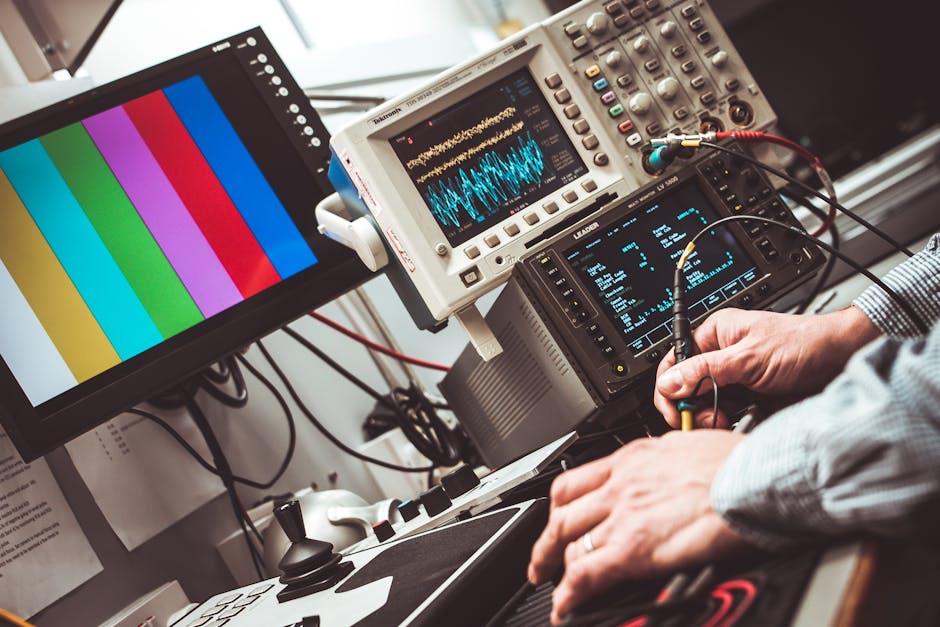
Step 3: Conduct EMC Testing
Electromagnetic compatibility testing evaluates two key parameters:
- Emissions testing – Measures RF energy radiated and conducted by the device
- Immunity testing – Tests device operation in the presence of external RF energy (not required by FCC but recommended)
Testing follows specific FCC standards based on product type:
- FCC Part 15 – Unlicensed RF devices and unintentional radiators
- FCC Part 18 – Industrial, scientific, and medical equipment
- FCC Part 22/24/27/90/95 – Licensed radio services
Step 4: Prepare Technical Documentation
Technical documentation must demonstrate compliance and be maintained for inspection. Required documentation includes:
- Product description and model numbers
- Schematics and block diagrams
- PCB layouts and component lists
- Test reports from accredited laboratory
- Operating instructions and user manual
- Declaration of Conformity (if applicable)
- FCC ID grant (for certified products)
Step 5: Apply FCC Labeling
Proper labeling is essential for compliance. Labeling requirements vary by procedure:
- Verification products – Must display FCC logo (minimum 8mm height)
- Declaration of Conformity – FCC logo plus statement identifying responsible party
- Certified products – Must display FCC ID number and FCC logo
FCC Certification Costs and Timeline
Cost Breakdown by Product Type
| Product Type | Procedure | Estimated Cost | Timeline |
|---|---|---|---|
| Simple power supply | Verification | $500-$1,500 | 1-2 weeks |
| Consumer electronics (non-wireless) | Verification/DoC | $1,000-$3,000 | 2-3 weeks |
| Bluetooth device | Certification | $3,000-$6,000 | 4-6 weeks |
| Wi-Fi device | Certification | $4,000-$8,000 | 4-8 weeks |
| Multi-radio device | Certification | $6,000-$15,000 | 6-10 weeks |
Factors Affecting Certification Costs
Several factors influence total FCC certification costs:
- Number of radios – Each wireless technology requires separate testing
- Testing location – Chinese labs typically cost 30-50% less than US labs
- Product complexity – More features require more extensive testing
- Multiple models – Each variant may require separate certification
- Expedited processing – Rush services add 50-100% to costs
Working with Chinese Suppliers on FCC Certification
Verifying Supplier FCC Documentation
Many Chinese suppliers claim FCC certification, but verifying documentation authenticity is critical. Common issues include:
- Fake test reports – Documents fabricated without actual testing
- Wrong product coverage – Certificates for different models
- Expired certifications – Old reports not reflecting current design
- Invalid FCC IDs – Fabricated or misused FCC ID numbers
Verify FCC certifications by checking the FCC ID database at https://fcc.io and requesting complete test reports from accredited laboratories.
Importer Responsibility for FCC Compliance
The importer bears legal responsibility for FCC compliance, even when suppliers provide certification. Importers must:
- Verify all FCC documentation before import
- Maintain technical records for at least 2 years
- Ensure proper labeling on all products
- Designate a US responsible party for compliance
- Respond to FCC inquiries and enforcement actions
Common FCC Certification Mistakes to Avoid
Mistake 1: Assuming Supplier FCC Certificates Are Valid
Accepting supplier-provided FCC documentation without verification leads to compliance failures. Always verify FCC IDs in the official database, request original test reports, and confirm the certificate covers your exact product model.
Mistake 2: Inadequate Product Labeling
FCC labeling requirements are specific and must be followed exactly. Missing labels, incorrect logo sizes, or missing FCC ID numbers result in non-compliance regardless of test results.
Mistake 3: Design Changes Without Re-testing
Product modifications after certification invalidate FCC compliance. Even minor changes to PCB layout, components, or enclosure design may require re-testing. Maintain strict change control processes.
Mistake 4: Missing Documentation Retention
FCC requires technical documentation retention for at least 2 years after product discontinuation. Missing documentation during an FCC audit results in compliance failure regardless of actual product compliance.
FCC Certification vs CE Certification
| Aspect | FCC Certification | CE Certification |
|---|---|---|
| Market | United States | European Economic Area |
| Primary Focus | Electromagnetic interference | Safety, health, environment |
| Self-declaration | Available for digital devices | Available for low-risk products |
| Third-party testing | Required for RF devices | Required for high-risk products |
| Labeling | FCC logo/FCC ID | CE mark |
| Typical cost | $500-$15,000 | $500-$50,000 |
FCC Certification for Amazon FBA Sellers
Amazon’s FCC Documentation Requirements
Amazon has become increasingly strict about FCC compliance documentation. Sellers must provide:
- FCC ID number (for certified products)
- Test reports from accredited laboratories
- Declaration of Conformity (for DoC products)
- Product images showing FCC labeling
Failure to provide adequate documentation can result in listing removal, inventory holds, or account suspension. Amazon may request FCC documentation at any time, including for products already selling.
Choosing an FCC Testing Laboratory in China
Accreditation Requirements
When selecting a testing laboratory in China, verify the following accreditations:
- NVLAP accreditation – National Voluntary Laboratory Accreditation Program
- A2LA accreditation – American Association for Laboratory Accreditation
- FCC recognition – Listed on FCC recognized testing facilities
- ISO 17025 accreditation – General testing competence standard
Reputable Testing Organizations in China
Several international testing organizations operate FCC-accredited facilities in China:
- SGS China – Multiple FCC-accredited testing facilities
- TÜV SÜD China – Comprehensive EMC testing capabilities
- Intertek China – FCC-recognized testing laboratories
- Bureau Veritas China – Full FCC certification services
- CTI (Centre Testing International) – Leading Chinese laboratory with FCC accreditation
Frequently Asked Questions
Is FCC certification required for all electronics?
Yes, all electronic products that operate at 9 kHz or higher require FCC authorization. This includes virtually all modern electronics, from simple power adapters to complex wireless devices. The specific certification procedure varies based on product type.
Can I self-test for FCC compliance?
For verification procedure products, you can conduct testing at any accredited laboratory without FCC filing. However, testing must follow FCC standards and be performed by competent personnel. Declaration of Conformity and Certification procedures require testing at FCC-recognized laboratories.
Does FCC certification expire?
FCC certification does not have an expiration date. However, certification remains valid only while the product design remains unchanged and applicable FCC rules remain current. Design modifications or regulatory changes may require re-certification.
Conclusion
FCC certification for electronics from China is a mandatory requirement for accessing the US market. Understanding the certification procedures, testing requirements, and documentation obligations helps importers navigate compliance efficiently. Working with accredited testing laboratories, verifying supplier documentation, and maintaining proper records ensures smooth market entry and protects against enforcement actions.
The investment in proper FCC certification pays dividends through market access, customer trust, and protection from costly penalties. For importers sourcing electronics from China in 2026, proactive compliance planning should be an integral part of product development and sourcing strategies.
Need help navigating FCC certification for your China electronics imports? Our team at Top China Sourcing provides comprehensive compliance support, from supplier verification to certification coordination. Contact us today to ensure your products meet US market requirements.
Sources
- Federal Communications Commission. “Equipment Authorization.” FCC Official Website, 2026. https://www.fcc.gov/equipment-authorization
- Federal Communications Commission. “FCC OET Bulletin 65.” FCC Office of Engineering and Technology, 2026. https://www.fcc.gov/oet/ea/eab
- SGS. “FCC Testing Services.” SGS Official Website, 2026. https://www.sgs.com/en/services/fcc-testing