Self-Declaration (Module A)
For low-risk products, manufacturers can self-declare conformity without involving a notified body. When considering product certification, The manufacturer conducts their own assessment, creates technical documentation, and issues a Declaration of Conformity. This route applies to products like simple electronics, non-protective clothing, and certain construction products.
Third-Party Assessment (Modules B, C, D, E, F, G, H)
High-risk products require assessment by a notified body—an organization designated by EU member states to perform conformity assessments. When considering certification, Medical devices, personal protective equipment, and certain machinery typically require third-party involvement. The specific module determines the level of notified body involvement, from type examination to full quality system assessment.
Step 3: Product Testing and Technical Documentation
Product testing forms the core of CE certification. When considering compliance, Testing must be performed by competent laboratories using harmonized European standards (EN standards) where available. For products sourced from China, testing can be conducted at:
- Accredited Chinese laboratories – Many Chinese labs hold ISO 17025 accreditation and can perform CE testing
- European notified bodies – Testing conducted by EU-designated organizations
- International testing companies – Organizations like SGS, TÜV, and Intertek with facilities in China
Technical documentation must demonstrate compliance with all applicable directive requirements. When considering product certification, This documentation should include:
- Product description and intended use
- Design drawings and specifications
- List of applicable harmonized standards
- Test reports and certificates
- Risk assessment documentation
- Operating instructions and safety information
- Declaration of Conformity
Step 4: Issue Declaration of Conformity
The EU Declaration of Conformity is a legal document signed by the manufacturer or authorized representative declaring that the product meets all applicable directive requirements. When considering certification, This document must include:
- Product identification (name, model, serial number)
- Name and address of manufacturer
- List of applicable directives
- Reference to harmonized standards applied
- Notified body details (if applicable)
- Signature and date
Step 5: Affix CE Marking
The CE mark must be affixed visibly, legibly, and indelibly to the product or its data plate. When considering compliance, For products requiring notified body involvement, the identification number of the notified body must accompany the CE mark. The minimum height is 5mm, though this can be reduced for small products. The mark must follow the official CE logo format—any variations are non-compliant.
CE Certification Costs and Timeline
Cost Breakdown by Product Category
CE certification costs vary significantly based on product complexity, risk level, and certification route. When considering product certification, Understanding these costs helps importers budget appropriately for compliance.
| Product Type | Certification Route | Estimated Cost | Timeline |
|---|---|---|---|
| Simple electronics (self-declaration) | Module A | $500-$2,000 | 2-4 weeks |
| Consumer electronics (EMC + LVD) | Module A + testing | $1,500-$5,000 | 4-6 weeks |
| Toys | Module A + testing | $1,000-$3,000 | 3-5 weeks |
| Machinery (medium risk) | Module B + C | $5,000-$15,000 | 8-12 weeks |
| Medical devices (Class II) | Notified body | $15,000-$50,000 | 12-24 weeks |
| PPE (high risk) | Module B + D | $8,000-$20,000 | 10-16 weeks |
Factors Affecting Certification Costs
Several factors influence the total cost of CE certification for China imports:
- Number of applicable directives – Each directive may require separate testing and documentation
- Product complexity – Complex products require more extensive testing
- Testing location – European labs typically cost more than Chinese labs
- Notified body involvement – Third-party assessment adds significant costs
- Multiple models/variations – Each variant may require separate certification
- Urgency – Expedited services often cost 50-100% more
Working with Chinese Suppliers on CE Certification
Verifying Supplier CE Certificates
Many Chinese suppliers claim to have CE certification, but verifying certificate authenticity is essential. When considering certification, Common issues include:
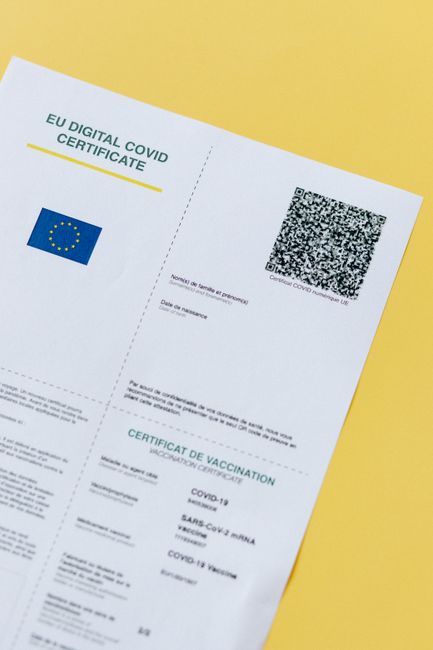
Photo by Nataliya Vaitkevich via Pexels
- Fake certificates – Documents created without actual testing
- Expired certificates – Certificates that have passed their validity date
- Wrong product – Certificates for different products or models
- Invalid notified body – Certificates from organizations not recognized by the EU
To verify CE certificates, request the original certificate and test reports, cross-check the notified body number against the EU NANDO database, and verify that the product description matches your order exactly.
Who Bears Certification Responsibility?
A common misconception is that the Chinese manufacturer bears responsibility for CE compliance. When considering product certification, In reality, the importer or distributor placing products on the EU market carries significant legal responsibility. EU regulations require that importers verify products bear CE marking, are accompanied by required documentation, and meet applicable directive requirements. Importers must also maintain copies of technical documentation for 10 years after product placement on the market.
Common CE Certification Mistakes to Avoid
Mistake 1: Assuming Supplier CE Certificates Are Valid
Many importers accept supplier-provided CE certificates without verification, leading to compliance issues. Always verify certificates through independent channels, request complete test reports, and ensure the certificate covers your specific product model.
Mistake 2: Incomplete Technical Documentation
Technical documentation must be comprehensive and readily available for inspection by market surveillance authorities. Missing or incomplete documentation can result in products being withdrawn from the market even if they are technically compliant.
Mistake 3: Incorrect CE Marking
The CE mark must meet specific requirements regarding size, format, and placement. Common errors include incorrect proportions, missing notified body numbers, and marks placed on packaging rather than the product itself.
Mistake 4: Ignoring Multiple Directive Requirements
Products often fall under multiple directives, and compliance with only one directive leaves importers exposed. For example, electronic toys must comply with both the Toy Safety Directive and EMC Directive. Missing any applicable directive results in non-compliance.
CE Certification vs Other Product Certifications
| Certification | Market | Scope | Key Differences |
|---|---|---|---|
| CE Marking | European Economic Area | Safety, health, environment | Self-declaration possible for low-risk products |
| FCC Certification | United States | Electromagnetic interference | Required for all electronics sold in US |
| UL Listing | United States (voluntary) | Product safety | Market-driven, not legally required |
| CCC Mark | China | Safety and quality | Required for products sold in China |
| UKCA Mark | United Kingdom | Post-Brexit UK market | Replaces CE marking in UK from 2026 |
Choosing a Testing Laboratory in China
Accreditation Requirements
When selecting a testing laboratory in China for CE certification, verify the following accreditations:
- ISO 17025 accreditation – Demonstrates technical competence for testing
- ILAC MRA signatory status – Ensures international recognition of test results
- CNAS accreditation – China National Accreditation Service recognition
- Notified body designation – For products requiring third-party assessment
Reputable Testing Organizations in China
Several international testing organizations operate facilities in China, providing reliable CE certification services:
- SGS China – Global testing giant with extensive CE certification capabilities
- TÜV SÜD China – German notified body with strong technical expertise
- Intertek China – International testing company with multiple Chinese facilities
- Bureau Veritas China – French testing organization with comprehensive services
- CTI (Centre Testing International) – Leading Chinese testing laboratory
Post-Certification Requirements
Ongoing Compliance Obligations
CE certification is not a one-time event. Importers must maintain ongoing compliance through:
- Documentation retention – Keep technical files for 10 years after last product sale
- Product modifications – Re-assess compliance when product designs change
- Regulatory updates – Monitor changes to applicable directives and standards
- Market surveillance – Cooperate with authorities if issues arise
- Incident reporting – Report safety incidents to authorities promptly
Handling Non-Compliance Issues
If market surveillance authorities identify non-compliance, importers must take corrective action. This may include product modifications, additional testing, or in severe cases, product recalls. Having a documented compliance system helps demonstrate due diligence and may reduce penalties.
CE Certification for Amazon FBA Sellers
Amazon’s Documentation Requirements
Amazon has become increasingly strict about CE certification documentation. Sellers must provide:
- Valid Declaration of Conformity
- Test reports from accredited laboratories
- Product images showing CE marking
- Technical documentation upon request
Failure to provide adequate documentation can result in listing removal or account suspension. Amazon may request CE documentation at any time, even for products already selling on the platform.
Frequently Asked Questions
Is CE certification required for all products imported from China?
No, CE certification is only required for products falling under specific EU directives. Products like furniture, clothing (non-protective), and handicrafts do not require CE marking. However, many common import categories including electronics, toys, and machinery do require certification.
Can I apply CE marking myself?
For products using self-declaration, you can affix the CE marking after completing the conformity assessment process and creating required documentation. However, the marking must be done correctly following EU specifications, and you must maintain technical documentation proving compliance.
Does CE certification expire?
CE certification itself does not have an expiration date. However, certification remains valid only as long as the product design remains unchanged and applicable directives and standards remain current. Product modifications or regulatory changes may require re-certification.
Conclusion
CE certification for China imports is a critical requirement for accessing the European market. Understanding the step-by-step process, from identifying applicable directives to affixing the CE mark, helps importers navigate compliance efficiently. Working with reputable testing laboratories, verifying supplier certificates, and maintaining comprehensive documentation ensures smooth market entry and protects against legal risks.
The investment in proper CE certification pays dividends through market access, customer trust, and protection from costly penalties. For importers sourcing from China in 2026, proactive compliance planning should be an integral part of product development and sourcing strategies.
Need help navigating CE certification for your China imports? Our team at Top China Sourcing provides comprehensive compliance support, from supplier verification to certification coordination. Contact us today to ensure your products meet European market requirements.
Sources
- European Commission. “CE Marking.” European Commission Official Website, 2026. https://ec.europa.eu/growth/single-market/ce-marking_en
- European Commission. “New Legislative Framework.” European Commission Internal Market, 2026. https://ec.europa.eu/growth/single-market/goods/new-legislative-framework_en
- SGS. “CE Marking Services.” SGS Official Website, 2026. https://www.sgs.com/en/services/ce-marking
📋 Key Takeaways
- CE certification is mandatory for selling products in the European Economic Area (EEA) market
- Process takes 4-12 weeks depending on product complexity and certification route
- Costs range from $500-$15,000+ based on product type and testing requirements
- Self-declaration available for low-risk products, third-party required for high-risk categories
- Working with Chinese suppliers requires verification of authentic CE certificates
Importing products from China to European markets requires understanding the CE certification process. This mandatory conformity marking demonstrates that your products meet European Union safety, health, and environmental protection standards. Without proper CE certification, your products cannot legally enter the European Economic Area market, making this certification essential for any importer sourcing from China in 2026.
The CE marking process for China imports involves multiple steps, from identifying applicable directives to conducting conformity assessments and creating technical documentation. Many importers underestimate the complexity of this process, leading to costly delays, customs rejections, and potential legal liabilities. Understanding the step-by-step requirements helps ensure smooth market entry and compliance with EU regulations.
What is CE Certification and Why Does It Matter?
CE certification (Conformité Européenne) is a mandatory conformity marking for products sold within the European Economic Area. The CE mark indicates that a product complies with all relevant EU directives and regulations, allowing free movement throughout the 30 EEA countries. For importers sourcing from China, obtaining CE certification is not optional—it’s a legal requirement for market access.
Products Requiring CE Marking
Over 20 product categories require CE marking before being placed on the EU market. These include:
- Electronics and electrical equipment – covered by Low Voltage Directive, EMC Directive, and RoHS Directive
- Machinery – industrial equipment, power tools, and manufacturing machinery
- Toys – all products designed for children under 14 years
- Medical devices – ranging from bandages to diagnostic equipment
- Personal protective equipment (PPE) – safety helmets, gloves, and protective clothing
- Construction products – building materials and structural components
- Pressure equipment – boilers, pressure vessels, and safety accessories
Legal Implications of Non-Compliance
Selling non-CE marked products in the EU carries serious consequences. Authorities can impose fines up to €500,000 or 5% of annual turnover, whichever is higher. Products may be seized at customs, destroyed, or subject to mandatory recalls. Importers may face criminal prosecution for knowingly placing non-compliant products on the market. Additionally, retailers and distributors often require valid CE certification before stocking products, making compliance essential for business relationships.
CE Certification Process: Step-by-Step Guide
Step 1: Identify Applicable EU Directives
The first step in the CE certification process is identifying which EU directives apply to your product. A single product may fall under multiple directives—for example, an electric toy must comply with the Toy Safety Directive, Low Voltage Directive, EMC Directive, and potentially RoHS Directive. Each directive has specific requirements and conformity assessment procedures.
Common directives for China imports include:
| Directive | Product Categories | Key Requirements |
|---|---|---|
| Low Voltage Directive (LVD) 2014/35/EU | Electrical equipment 50-1000V AC | Electrical safety, insulation, earthing |
| EMC Directive 2014/30/EU | Electronic equipment | Electromagnetic compatibility |
| RoHS Directive 2011/65/EU | Electrical and electronic equipment | Restriction of hazardous substances |
| Toy Safety Directive 2009/48/EC | Children’s products | Safety, chemical limits, labeling |
| Machinery Directive 2006/42/EC | Industrial and consumer machinery | Safety guards, emergency stops |
Step 2: Determine Conformity Assessment Route
CE certification offers different conformity assessment routes depending on product risk level. Understanding which route applies to your product is crucial for compliance planning.
Self-Declaration (Module A)
For low-risk products, manufacturers can self-declare conformity without involving a notified body. The manufacturer conducts their own assessment, creates technical documentation, and issues a Declaration of Conformity. This route applies to products like simple electronics, non-protective clothing, and certain construction products.
Third-Party Assessment (Modules B, C, D, E, F, G, H)
High-risk products require assessment by a notified body—an organization designated by EU member states to perform conformity assessments. Medical devices, personal protective equipment, and certain machinery typically require third-party involvement. The specific module determines the level of notified body involvement, from type examination to full quality system assessment.
Step 3: Product Testing and Technical Documentation
Product testing forms the core of CE certification. Testing must be performed by competent laboratories using harmonized European standards (EN standards) where available. For products sourced from China, testing can be conducted at:
- Accredited Chinese laboratories – Many Chinese labs hold ISO 17025 accreditation and can perform CE testing
- European notified bodies – Testing conducted by EU-designated organizations
- International testing companies – Organizations like SGS, TÜV, and Intertek with facilities in China
Technical documentation must demonstrate compliance with all applicable directive requirements. This documentation should include:
- Product description and intended use
- Design drawings and specifications
- List of applicable harmonized standards
- Test reports and certificates
- Risk assessment documentation
- Operating instructions and safety information
- Declaration of Conformity
Step 4: Issue Declaration of Conformity
The EU Declaration of Conformity is a legal document signed by the manufacturer or authorized representative declaring that the product meets all applicable directive requirements. This document must include:
- Product identification (name, model, serial number)
- Name and address of manufacturer
- List of applicable directives
- Reference to harmonized standards applied
- Notified body details (if applicable)
- Signature and date
Step 5: Affix CE Marking
The CE mark must be affixed visibly, legibly, and indelibly to the product or its data plate. For products requiring notified body involvement, the identification number of the notified body must accompany the CE mark. The minimum height is 5mm, though this can be reduced for small products. The mark must follow the official CE logo format—any variations are non-compliant.
CE Certification Costs and Timeline
Cost Breakdown by Product Category
CE certification costs vary significantly based on product complexity, risk level, and certification route. Understanding these costs helps importers budget appropriately for compliance.
| Product Type | Certification Route | Estimated Cost | Timeline |
|---|---|---|---|
| Simple electronics (self-declaration) | Module A | $500-$2,000 | 2-4 weeks |
| Consumer electronics (EMC + LVD) | Module A + testing | $1,500-$5,000 | 4-6 weeks |
| Toys | Module A + testing | $1,000-$3,000 | 3-5 weeks |
| Machinery (medium risk) | Module B + C | $5,000-$15,000 | 8-12 weeks |
| Medical devices (Class II) | Notified body | $15,000-$50,000 | 12-24 weeks |
| PPE (high risk) | Module B + D | $8,000-$20,000 | 10-16 weeks |
Factors Affecting Certification Costs
Several factors influence the total cost of CE certification for China imports:
- Number of applicable directives – Each directive may require separate testing and documentation
- Product complexity – Complex products require more extensive testing
- Testing location – European labs typically cost more than Chinese labs
- Notified body involvement – Third-party assessment adds significant costs
- Multiple models/variations – Each variant may require separate certification
- Urgency – Expedited services often cost 50-100% more
Working with Chinese Suppliers on CE Certification
Verifying Supplier CE Certificates
Many Chinese suppliers claim to have CE certification, but verifying certificate authenticity is essential. Common issues include:
- Fake certificates – Documents created without actual testing
- Expired certificates – Certificates that have passed their validity date
- Wrong product – Certificates for different products or models
- Invalid notified body – Certificates from organizations not recognized by the EU
To verify CE certificates, request the original certificate and test reports, cross-check the notified body number against the EU NANDO database, and verify that the product description matches your order exactly.
Who Bears Certification Responsibility?
A common misconception is that the Chinese manufacturer bears responsibility for CE compliance. In reality, the importer or distributor placing products on the EU market carries significant legal responsibility. EU regulations require that importers verify products bear CE marking, are accompanied by required documentation, and meet applicable directive requirements. Importers must also maintain copies of technical documentation for 10 years after product placement on the market.
Common CE Certification Mistakes to Avoid
Mistake 1: Assuming Supplier CE Certificates Are Valid
Many importers accept supplier-provided CE certificates without verification, leading to compliance issues. Always verify certificates through independent channels, request complete test reports, and ensure the certificate covers your specific product model.
Mistake 2: Incomplete Technical Documentation
Technical documentation must be comprehensive and readily available for inspection by market surveillance authorities. Missing or incomplete documentation can result in products being withdrawn from the market even if they are technically compliant.
Mistake 3: Incorrect CE Marking
The CE mark must meet specific requirements regarding size, format, and placement. Common errors include incorrect proportions, missing notified body numbers, and marks placed on packaging rather than the product itself.
Mistake 4: Ignoring Multiple Directive Requirements
Products often fall under multiple directives, and compliance with only one directive leaves importers exposed. For example, electronic toys must comply with both the Toy Safety Directive and EMC Directive. Missing any applicable directive results in non-compliance.
CE Certification vs Other Product Certifications
| Certification | Market | Scope | Key Differences |
|---|---|---|---|
| CE Marking | European Economic Area | Safety, health, environment | Self-declaration possible for low-risk products |
| FCC Certification | United States | Electromagnetic interference | Required for all electronics sold in US |
| UL Listing | United States (voluntary) | Product safety | Market-driven, not legally required |
| CCC Mark | China | Safety and quality | Required for products sold in China |
| UKCA Mark | United Kingdom | Post-Brexit UK market | Replaces CE marking in UK from 2026 |
Choosing a Testing Laboratory in China
Accreditation Requirements
When selecting a testing laboratory in China for CE certification, verify the following accreditations:
- ISO 17025 accreditation – Demonstrates technical competence for testing
- ILAC MRA signatory status – Ensures international recognition of test results
- CNAS accreditation – China National Accreditation Service recognition
- Notified body designation – For products requiring third-party assessment
Reputable Testing Organizations in China
Several international testing organizations operate facilities in China, providing reliable CE certification services:
- SGS China – Global testing giant with extensive CE certification capabilities
- TÜV SÜD China – German notified body with strong technical expertise
- Intertek China – International testing company with multiple Chinese facilities
- Bureau Veritas China – French testing organization with comprehensive services
- CTI (Centre Testing International) – Leading Chinese testing laboratory
Post-Certification Requirements
Ongoing Compliance Obligations
CE certification is not a one-time event. Importers must maintain ongoing compliance through:
- Documentation retention – Keep technical files for 10 years after last product sale
- Product modifications – Re-assess compliance when product designs change
- Regulatory updates – Monitor changes to applicable directives and standards
- Market surveillance – Cooperate with authorities if issues arise
- Incident reporting – Report safety incidents to authorities promptly
Handling Non-Compliance Issues
If market surveillance authorities identify non-compliance, importers must take corrective action. This may include product modifications, additional testing, or in severe cases, product recalls. Having a documented compliance system helps demonstrate due diligence and may reduce penalties.
CE Certification for Amazon FBA Sellers
Amazon’s Documentation Requirements
Amazon has become increasingly strict about CE certification documentation. Sellers must provide:
- Valid Declaration of Conformity
- Test reports from accredited laboratories
- Product images showing CE marking
- Technical documentation upon request
Failure to provide adequate documentation can result in listing removal or account suspension. Amazon may request CE documentation at any time, even for products already selling on the platform.
Frequently Asked Questions
Is CE certification required for all products imported from China?
No, CE certification is only required for products falling under specific EU directives. Products like furniture, clothing (non-protective), and handicrafts do not require CE marking. However, many common import categories including electronics, toys, and machinery do require certification.
Can I apply CE marking myself?
For products using self-declaration, you can affix the CE marking after completing the conformity assessment process and creating required documentation. However, the marking must be done correctly following EU specifications, and you must maintain technical documentation proving compliance.
Does CE certification expire?
CE certification itself does not have an expiration date. However, certification remains valid only as long as the product design remains unchanged and applicable directives and standards remain current. Product modifications or regulatory changes may require re-certification.
Conclusion
CE certification for China imports is a critical requirement for accessing the European market. Understanding the step-by-step process, from identifying applicable directives to affixing the CE mark, helps importers navigate compliance efficiently. Working with reputable testing laboratories, verifying supplier certificates, and maintaining comprehensive documentation ensures smooth market entry and protects against legal risks.
The investment in proper CE certification pays dividends through market access, customer trust, and protection from costly penalties. For importers sourcing from China in 2026, proactive compliance planning should be an integral part of product development and sourcing strategies.
Need help navigating CE certification for your China imports? Our team at Top China Sourcing provides comprehensive compliance support, from supplier verification to certification coordination. Contact us today to ensure your products meet European market requirements.
Sources
- European Commission. “CE Marking.” European Commission Official Website, 2026. https://ec.europa.eu/growth/single-market/ce-marking_en
- European Commission. “New Legislative Framework.” European Commission Internal Market, 2026. https://ec.europa.eu/growth/single-market/goods/new-legislative-framework_en
- SGS. “CE Marking Services.” SGS Official Website, 2026. https://www.sgs.com/en/services/ce-marking