Private label cosmetics from China offer tremendous opportunities for beauty brand entrepreneurs. However, cosmetics are highly regulated products that require careful attention to compliance, safety, and quality. This 2026 guide covers everything you need to know about private label cosmetics manufacturing in China, including regulations, certifications, and best practices. Major players like Amazon are commonly used in this space.
📌 Key Takeaways
- Market size: Global cosmetics market valued at $580 billion in 2026
- Regulations: FDA, EU Cosmetics Regulation, China NMPA requirements vary by market
- MOQ: 500-3,000 units typical for private label cosmetics
- Timeline: 3-6 months from concept to finished product
- Key certifications: GMP, ISO 22716, FDA registration, CPSR for EU
Understanding Private Label Cosmetics
What Is Private Label Cosmetics
Private label cosmetics are beauty products manufactured to your specifications. Custom formulation: products designed with your chosen ingredients. Your branding: packaging and labels with your brand identity. Exclusivity: unique products not sold by competitors. Quality control: you specify standards and requirements. Market positioning: products aligned with your brand strategy. Private label cosmetics enable distinctive brand building.
Why Source Cosmetics from China
China offers compelling advantages for cosmetics manufacturing. Cost efficiency: 30-50% lower production costs than Western manufacturers. Manufacturing capability: advanced facilities with modern equipment. Ingredient access: proximity to raw material suppliers. Variety: extensive range of formulation options. Experience: mature cosmetics manufacturing industry. Scale: capacity for both small and large orders. China is a leading global cosmetics manufacturing hub.
Cosmetics Categories
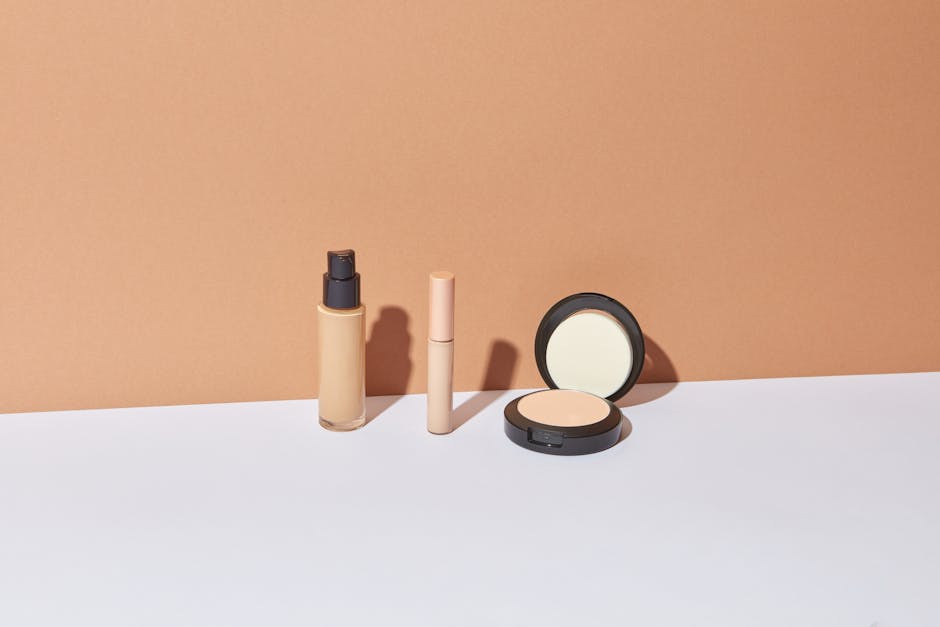
Private label cosmetics span multiple categories. Skincare: cleansers, moisturizers, serums, masks. Haircare: shampoos, conditioners, treatments, styling products. Makeup: foundations, lipsticks, eyeshadows, mascaras. Body care: lotions, scrubs, bath products. Men’s grooming: beard oils, shaving products, skincare. Natural/organic: clean beauty formulations. Choose categories aligned with your brand positioning.
Regulatory Requirements by Market
FDA Requirements for US Market
The US FDA regulates cosmetics under specific requirements. Registration: voluntary cosmetic facility registration. Product listing: voluntary listing of cosmetic products. Labeling: specific labeling requirements including ingredients. Color additives: must use FDA-approved color additives. Prohibited ingredients: certain substances banned from cosmetics. Good Manufacturing Practice: follow FDA GMP guidelines. FDA compliance is essential for US market access.

Photo by Rahib Hamidov via Pexels
EU Cosmetics Regulation
The EU has comprehensive cosmetics regulations. EC 1223/2009: the main EU cosmetics regulation. Responsible person: must designate EU-based responsible person. CPNP notification: register products in Cosmetic Product Notification Portal. CPSR: Cosmetic Product Safety Report required. PIF: Product Information File must be maintained. Labeling: specific EU labeling requirements including INCI. EU compliance is more rigorous than US requirements.
China NMPA Requirements
Selling cosmetics in China has unique requirements. NMPA registration: required for imported cosmetics. Animal testing: historically required, changing for some products. Domestic production: different rules for China-manufactured products. Special cosmetics: separate category for certain product types. Documentation: extensive documentation requirements. Local agent: must have China-based responsible agent. China market entry requires specialized knowledge.
Regulatory Comparison Table
| Requirement | US (FDA) | EU | China (NMPA) |
|---|---|---|---|
| Facility registration | Voluntary | Required | Required |
| Product notification | Voluntary | Required (CPNP) | Required |
| Safety assessment | Recommended | Required (CPSR) | Required |
| Animal testing | Not required | Banned | Required for imports |
| Responsible person | Not required | Required (EU-based) | Required (China-based) |
Finding Cosmetics Manufacturers in China
Types of Cosmetics Manufacturers
Different manufacturer types serve different needs. OEM manufacturers: produce to your specifications. ODM manufacturers: offer ready-made formulas you can brand. Contract manufacturers: full service from formulation to packaging. Specialized manufacturers: focus on specific categories like skincare or makeup. GMP-certified facilities: meet international quality standards. Choose manufacturer type based on your needs.
Evaluating Manufacturers
Assess manufacturers on critical criteria. Certifications: GMP, ISO 22716, FDA registration. Experience: years in cosmetics manufacturing. Capabilities: formulation, filling, packaging. Quality systems: testing, documentation, traceability. References: other brands they work with. Communication: responsiveness and English proficiency. Facility: modern equipment and clean environment. Due diligence prevents costly problems.
Key Questions for Manufacturers
Ask potential manufacturers these questions. What certifications do you hold? Can you provide formulation development? What is your MOQ for new customers? What testing do you perform? Can you help with regulatory compliance? What is your production lead time? Do you have experience with my product type? Can I see your facility? Answers reveal manufacturer capabilities and limitations.
Product Development Process
Formulation Development
Creating your cosmetic product formula. Brief: define product type, target market, key benefits. Ingredient selection: choose active ingredients and base formula. Samples: manufacturer creates initial samples. Testing: evaluate texture, scent, performance, stability. Revisions: iterate until formula meets requirements. Final approval: sign off on final formulation. Documentation: complete formula documentation for regulatory files. Formulation development takes 4-8 weeks typically.
Stability and Safety Testing
Testing ensures product safety and stability. Stability testing: product remains stable over time under various conditions. Preservative efficacy: ensures product remains free from contamination. Microbial testing: verifies product is free from harmful microorganisms. Heavy metal testing: screens for lead, mercury, arsenic. Irritation testing: assesses potential for skin irritation. Allergen screening: identifies potential allergens. Testing is essential for product safety and regulatory compliance.
Packaging Development
Packaging protects product and communicates brand. Container selection: jars, bottles, tubes, pumps. Material compatibility: ensure packaging works with formula. Design: graphics, colors, finishes that reflect brand. Labeling: regulatory-compliant ingredient lists and claims. Sustainability: consider eco-friendly packaging options. Cost: balance quality with budget. Packaging affects both product protection and brand perception.
Quality Control and Testing
Raw Material Testing
Quality starts with raw materials. Certificate of Analysis: verify each ingredient batch. Identity testing: confirm ingredients are what they claim. Purity testing: check for contaminants. Microbial testing: ensure raw materials are free from contamination. Supplier qualification: vet ingredient suppliers. Documentation: maintain records for traceability. Raw material quality determines finished product quality.
In-Process Quality Control
Monitor quality throughout production. Batch records: document every step of production. In-process testing: check product at key stages. Environmental monitoring: ensure clean room conditions. Equipment calibration: verify equipment accuracy. Personnel hygiene: ensure workers follow protocols. Deviation handling: procedures when issues occur. In-process controls prevent batch failures.
Finished Product Testing
Test finished products before release. Physical testing: color, odor, texture, viscosity. Chemical testing: pH, active ingredient levels. Microbial testing: total count and pathogens. Heavy metals: lead, mercury, arsenic screening. Stability: accelerated and real-time stability studies. Preservative efficacy: challenge testing. Release testing ensures products meet specifications.
Labeling Requirements
US Labeling Requirements
FDA has specific labeling requirements. Product identity: what the product is. Net quantity: amount in metric and US units. Manufacturer/distributor: name and address. Ingredient list: INCI nomenclature in descending order. Warnings: required warnings for certain products. Directions: usage instructions if applicable. Country of origin: where product was manufactured. Compliance prevents regulatory issues.
EU Labeling Requirements
EU labeling is more comprehensive. All US requirements plus: Batch number: for traceability. Best before date: period after opening symbol. Responsible person: EU-based contact. Country of origin: for imported products. Warnings: specific EU-mandated warnings. Nanomaterials: must be indicated in ingredient list. Claims: must be substantiated and compliant. EU labeling requires careful attention to detail.
Claims and Marketing
Product claims are regulated. Substantiation: must have evidence supporting claims. Prohibited claims: cannot claim to treat disease. Drug claims: certain claims make product a drug. Cosmetic claims: must be appropriate for cosmetics. Testing evidence: clinical studies for performance claims. Avoid: anti-aging, treatment, cure claims. Claims compliance protects your brand from regulatory action.
Common Cosmetics Sourcing Mistakes
Mistake 1: Ignoring Regulatory Requirements
Regulatory non-compliance can result in product recalls, fines, and brand damage. Understand requirements before you start. Compliance is not optional.
Mistake 2: Skipping Stability Testing
Products that separate, change color, or grow bacteria damage your brand. Always conduct stability testing. It’s worth the investment.
Mistake 3: Choosing Manufacturer on Price Alone
Low-cost manufacturers may lack certifications, quality systems, or experience. Quality issues cost more than price savings. Evaluate total value.
Mistake 4: Inadequate Documentation
Regulatory audits require complete documentation. Maintain formula records, test results, batch records, and certificates. Documentation protects your business.
Mistake 5: Making Illegal Claims
Claims that position your product as a drug can result in FDA warning letters. Understand what you can and cannot say. When in doubt, consult a regulatory expert.
Costs and Pricing
Development Costs
Initial investment for private label cosmetics. Formulation development: $500-5,000 depending on complexity. Stability testing: $300-1,500 per formula. Safety assessment (CPSR for EU): $300-1,000. Packaging development: $500-2,000 for design. Tooling: $200-1,000 for custom molds. Testing: $200-1,000 for various tests. Budget $2,000-10,000 for development before production.
Production Costs
Per-unit costs for manufacturing. Simple skincare: $0.50-2.00 per unit. Complex formulations: $1.50-5.00 per unit. Makeup products: $0.30-3.00 per unit. Haircare: $0.50-2.50 per unit. Packaging: $0.20-2.00 per unit. Filling and assembly: $0.10-0.50 per unit. Costs vary significantly based on formula complexity and packaging.
Hidden Costs to Consider
Additional costs often overlooked. Shipping: freight from China to your market. Customs: duties and import fees. Insurance: product liability insurance. Regulatory: ongoing compliance costs. Quality control: inspection and testing. Storage: warehousing inventory. Returns: handling customer returns. Factor all costs into your pricing.
Working with Manufacturers
Communication Best Practices
Effective communication ensures success. Clear specifications: detailed product requirements. Regular updates: weekly check-ins during development. Sample feedback: specific, written feedback on samples. Documentation: confirm everything in writing. Cultural awareness: understand Chinese business culture. Patience: development takes time. Good communication prevents misunderstandings.
Quality Agreements
Formalize quality expectations. Specifications: detailed product specifications. Test methods: how quality will be measured. Acceptance criteria: pass/fail standards. Sampling plan: how many units to test. Documentation: what records manufacturer must maintain. Corrective action: procedures when issues occur. Change control: how formula changes are handled. Quality agreements protect both parties.
Building Long-Term Relationships
Strong manufacturer relationships benefit your business. Consistency: better quality over time. Priority: preferred treatment for production slots. Flexibility: easier MOQ and timeline negotiations. Innovation: access to new formulations and technologies. Problem solving: faster resolution when issues arise. Trust: confidence in your manufacturing partner. Invest in relationships for long-term success.
Sustainability in Cosmetics
Clean Beauty Trends
Consumers increasingly demand clean beauty. Natural ingredients: plant-based formulations. Organic options: certified organic ingredients. Free-from claims: paraben-free, sulfate-free, etc. Vegan formulations: no animal-derived ingredients. Cruelty-free: no animal testing. Sustainable packaging: recyclable, refillable options. Clean beauty is a growing market segment.
Sustainable Packaging Options
Eco-friendly packaging alternatives. Recycled materials: PCR plastic, recycled paper. Refillable systems: reduce single-use packaging. Minimal packaging: eliminate unnecessary components. Biodegradable options: materials that break down naturally. Glass: infinitely recyclable option. Aluminum: highly recyclable material. Sustainable packaging appeals to conscious consumers.
Ethical Sourcing
Ethical considerations in cosmetics sourcing. Ingredient sourcing: fair trade, sustainable harvesting. Labor practices: ensure ethical working conditions. Environmental impact: minimize manufacturing footprint. Animal welfare: cruelty-free formulations. Community impact: support local communities. Transparency: communicate your ethical practices. Ethical sourcing builds brand trust.
Conclusion
Private label cosmetics from China offer significant opportunities for beauty entrepreneurs, but success requires careful attention to regulations, quality, and compliance. This guide covered: understanding private label cosmetics and why China is a leading source, regulatory requirements for US, EU, and China markets, finding and evaluating qualified cosmetics manufacturers, the product development process from formulation to packaging, quality control and testing requirements, labeling compliance and claims regulations, costs and pricing considerations, and sustainability trends in cosmetics. The key success factors: understand regulatory requirements before you start, choose certified manufacturers with cosmetics experience, invest in proper testing and documentation, ensure labeling compliance for your target markets, and build strong manufacturer relationships. Private label cosmetics can be highly profitable when done correctly. The combination of China’s manufacturing capabilities and growing global demand for beauty products creates opportunities for brands that prioritize quality and compliance. Take time to understand requirements, vet manufacturers carefully, and invest in proper development. The result will be quality products that build your brand and satisfy customers.
Need Help with Private Label Cosmetics from China?
Top China Sourcing has extensive experience with cosmetics manufacturing in China. We help you find certified manufacturers, navigate regulatory requirements, and ensure quality products. Contact us today to discuss your private label cosmetics project.
Last updated: April 30, 2026 | Private Label Cosmetics Guide by TCS Editorial Team
Sources
- FDA Cosmetics Regulations 2026
- EU Cosmetics Regulation EC 1223/2009
- China NMPA Cosmetics Registration Guide
- ISO 22716 Cosmetics GMP Standard
- TCS Cosmetics Manufacturing Data 2026