Packaging is one of the most important elements of private label success. Great packaging elevates perceived value, creates memorable unboxing experiences, and differentiates your brand from competitors. This 2026 guide covers everything you need to know about designing and sourcing private label packaging from China.
📌 Key Takeaways
- Packaging impact: 72% of consumers say packaging design influences purchase decisions
- Cost range: $0.50-5.00 per unit depending on materials and complexity
- MOQ: 500-5,000 units typically, lower for simpler designs
- Timeline: 2-4 weeks for design, 2-4 weeks for production
- Key elements: Structural design, graphics, materials, sustainability, compliance
Why Packaging Matters
First Impressions Count
Packaging is often the first physical touchpoint with your brand. When considering private label, Visual impact: catches attention on shelf or in photos. Quality signal: packaging quality suggests product quality. Brand communication: conveys your brand values and positioning. Emotional connection: creates feeling before product is even seen. Professional image: separates serious brands from amateur operations. Investment in packaging pays dividends in customer perception. Major players like Amazon are commonly used in this space.
The Unboxing Experience
Unboxing has become a marketing channel itself. When considering private label manufacturing, Social sharing: customers share great unboxing experiences. Brand memory: memorable packaging creates lasting impression. Perceived value: premium packaging justifies premium pricing. Customer satisfaction: good unboxing experience increases satisfaction. Repeat purchases: positive experience drives loyalty. Design for shareability and memorability.
Packaging ROI
Good packaging delivers measurable returns. When considering brand products, Higher prices: premium packaging supports premium pricing. Better reviews: customers mention packaging in positive reviews. Social media: free marketing from unboxing shares. Reduced returns: proper protection prevents damage. Brand equity: builds valuable brand asset over time. Packaging is an investment, not just a cost.
Packaging Types and Options
Primary Packaging
Primary packaging directly contains your product. When considering private label, Product protection: prevents damage, contamination, spoilage. Product information: ingredients, usage instructions, warnings. Branding: logo, colors, design elements. Compliance: required labels and certifications. Examples: bottles, jars, tubes, blister packs, pouches. Primary packaging must function well and look good.

Photo by Rahib Hamidov via Pexels
Secondary Packaging
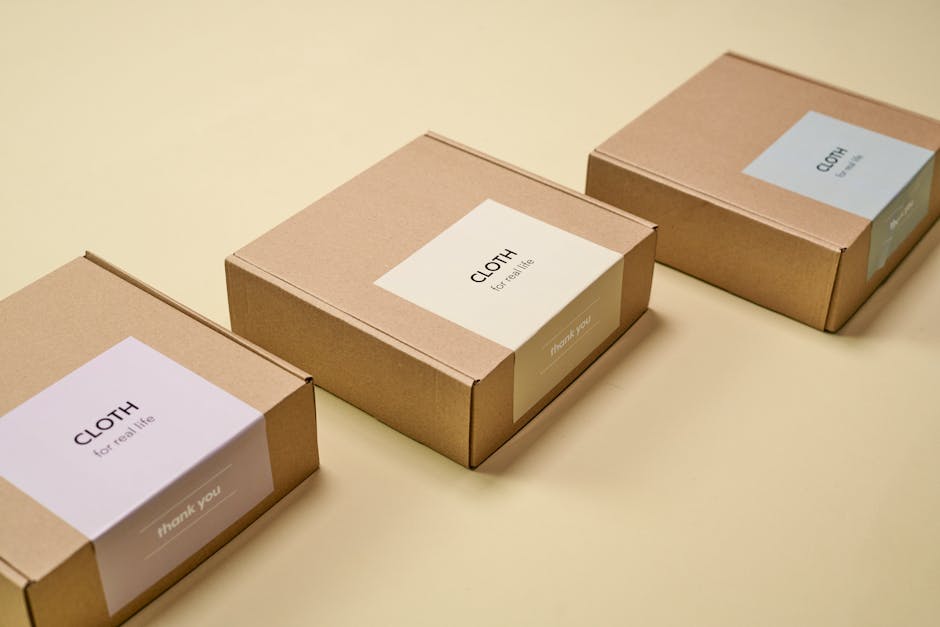
Secondary packaging holds primary packaging. When considering private label manufacturing, Outer box: contains product in primary packaging. Display function: presents product attractively. Information carrier: marketing copy, benefits, features. Protection: additional layer during shipping. Examples: product boxes, sleeve packaging, gift boxes. Secondary packaging is your branding canvas.
Shipping Packaging
Shipping packaging protects during transit. When considering brand products, Protection: prevents damage during shipping. Cost efficiency: balances protection with shipping costs. Unboxing: part of customer experience. Sustainability: increasingly important to consumers. Examples: mailer boxes, shipping cartons, padded mailers. Don’t overlook shipping packaging in your design.
Packaging Comparison Table
| Packaging Type | Cost Per Unit | MOQ | Best For |
|---|---|---|---|
| Simple paper box | $0.30-0.80 | 500-1,000 | Budget brands |
| Rigid gift box | $1.50-4.00 | 500-2,000 | Premium products |
| Magnetic closure box | $2.00-5.00 | 1,000-3,000 | Luxury brands |
| Plastic container | $0.20-1.00 | 1,000-5,000 | Cosmetics, food |
| Custom pouch/bag | $0.15-0.50 | 2,000-10,000 | Food, supplements |
Design Process
Define Requirements
Start with clear packaging requirements. When considering private label, Product dimensions: exact size of product to package. Protection needs: fragility, moisture sensitivity, shelf life. Brand guidelines: colors, fonts, logo usage. Budget: cost per unit you can afford. MOQ constraints: minimum order quantities you can manage. Timeline: when you need packaging ready. Clear requirements prevent costly revisions.
Structural Design
Structural design determines form and function. When considering private label manufacturing, Box style: folding carton, rigid box, sleeve, other. Size and shape: optimized for product and shipping. Opening mechanism: easy open, tamper evident, resealable. Internal structure: inserts, dividers, product hold. Stackability: efficient storage and shipping. Structural design affects cost, protection, and experience.
Graphic Design
Graphics communicate your brand visually. When considering brand products, Logo placement: prominent but balanced. Color scheme: consistent with brand identity. Typography: readable, on-brand fonts. Imagery: product photos, lifestyle images, illustrations. Information hierarchy: what’s most important to show. Compliance elements: required text, certifications, barcodes. Professional graphic design is worth the investment.
Prototyping
Always prototype before production. When considering private label, Digital mockup: initial visualization on screen. Physical prototype: actual packaging sample. Fit test: does product fit properly? Durability test: does it protect adequately? Visual review: does it look as expected? Revision: iterate based on prototype feedback. Prototyping prevents expensive production mistakes.
Materials and Finishes
Common Materials
Choose materials based on needs and budget. Cardboard: economical, versatile, recyclable. Corrugated: stronger, better for shipping. Rigid board: premium feel, higher cost. Plastic: durable, moisture resistant, sustainability concerns. Glass: premium, heavy, breakable. Metal: premium, durable, higher cost. Material choice affects cost, protection, and perception.
Printing Options
Printing quality affects perceived value. Offset printing: high quality, cost-effective for volume. Digital printing: lower setup cost, good for small runs. Flexographic: economical for simple designs. Screen printing: specialty applications, unique effects. Gravure: highest quality, highest volume requirement. Choose printing method based on quality needs and quantity.
Special Finishes
Finishes elevate packaging perception. Matte/gloss lamination: protective, premium feel. Spot UV: highlight specific elements, tactile effect. Foil stamping: metallic accents, luxury look. Embossing/debossing: texture, dimension, premium feel. Soft touch: velvety texture, luxury perception. Finishes add cost but significantly improve perception.
Working with Chinese Packaging Suppliers
Finding Packaging Suppliers
Source packaging suppliers through multiple channels. Alibaba: search “packaging box” + your specifications. Packaging-specific platforms: Packhelp, PakFactory. Trade shows: China Packaging Exhibition. Sourcing agents: can find and vet suppliers. Your product manufacturer: often can provide packaging. Evaluate multiple suppliers before committing.
Evaluating Suppliers
Assess suppliers on key criteria. Portfolio: review their past work quality. Capabilities: can they produce your design? MOQ: does it match your needs? Pricing: competitive for quality level? Communication: responsive and clear? Lead times: can they meet your timeline? Quality control: what processes do they have? Request samples before large orders.
Managing Production
Oversee production for quality results. Approve samples: sign off on pre-production samples. Production timeline: confirm schedule and milestones. Quality checks: inspect during production if possible. Pre-shipment inspection: verify quality before shipping. Communication: stay in touch throughout production. Documentation: keep records of all specifications and approvals.
Cost Management
Cost Factors
Multiple factors affect packaging cost. Materials: paper weight, type, specialty materials. Size: larger packaging costs more. Complexity: intricate designs increase cost. Printing: colors, coverage, special effects. Finishes: lamination, foil, embossing add cost. Quantity: higher volume reduces per-unit cost. Tooling: dies, plates, molds (often one-time). Understand all cost components.
Cost Reduction Strategies
Reduce packaging costs strategically. Increase quantity: higher volume, lower per-unit cost. Simplify design: reduce complexity and special effects. Standard sizes: avoid custom dimensions. Material alternatives: explore less expensive options. Combine orders: order multiple SKUs together. Negotiate: get multiple quotes, negotiate terms. Balance cost savings with quality needs.
Budget Planning
Plan packaging budget realistically. Design costs: $200-2,000 for professional design. Tooling: $100-1,000 for dies and plates. Samples: $50-300 for prototypes. Production: $0.50-5.00 per unit. Shipping: factor in freight from China. Contingency: 10-20% for unexpected costs. Total budget: plan for all elements.
Sustainability Considerations
Sustainable Materials
Consumers increasingly value sustainability. Recycled materials: post-consumer recycled content. Recyclable materials: easily recycled by consumers. Biodegradable options: break down naturally. Minimal packaging: reduce material usage. FSC certified: responsibly sourced paper. Sustainable packaging appeals to conscious consumers.
Reducing Environmental Impact
Minimize packaging environmental footprint. Right-size: eliminate excess packaging. Material reduction: thinner materials where possible. Eliminate plastics: paper alternatives where feasible. Reusable packaging: encourage second life. Clear recycling instructions: help consumers recycle properly. Sustainability can be a brand differentiator.
Communicating Sustainability
Share your sustainability efforts. On-pack messaging: highlight eco-friendly features. Marketing materials: tell sustainability story. Certifications: display relevant certifications. Transparency: be honest about trade-offs. Avoid greenwashing: don’t overstate claims. Authentic sustainability builds trust.
Common Packaging Mistakes
Mistake 1: Underinvesting in Design
Amateur design hurts brand perception. Invest in professional design. Your packaging represents your brand—make it professional.
Mistake 2: Ignoring Protection
Beautiful packaging that doesn’t protect is worthless. Test for protection during shipping. Damaged products cost more than better packaging.
Mistake 3: Overcomplicating Design
Too many elements create visual clutter. Keep design clean and focused. Less is often more in packaging design.
Mistake 4: Not Testing Prototypes
Skip prototyping at your peril. Always test fit, protection, and appearance. Production mistakes are expensive to fix.
Mistake 5: Ignoring Compliance
Missing required labels causes problems. Research labeling requirements for your product and market. Compliance is not optional.
Conclusion
Packaging is a critical element of private label success that deserves careful attention and investment. This guide covered: why packaging matters for brand perception and sales, packaging types from primary to shipping, the design process from requirements to prototyping, materials and finishes that elevate perception, working with Chinese suppliers effectively, cost management and reduction strategies, and sustainability considerations for modern consumers. The key principles: invest in professional design that reflects your brand, ensure packaging protects products during shipping, balance cost with quality and perception, prototype and test before production, and consider sustainability as a brand differentiator. Great packaging doesn’t just contain your product—it communicates your brand values, creates memorable experiences, and justifies premium pricing. The investment in quality packaging pays returns in customer perception, social sharing, and brand equity. Take packaging seriously as a core element of your private label strategy.
Need Help with Private Label Packaging from China?
Top China Sourcing can help you find quality packaging suppliers, manage design and production, and ensure your packaging elevates your brand. We connect you with reliable partners for all packaging needs. Contact us today to discuss your packaging requirements.
Last updated: April 30, 2026 | Private Label Packaging Guide by TCS Editorial Team
Sources
- Packaging Industry Report 2026
- Consumer Packaging Preference Studies
- China Packaging Manufacturing Data
- Sustainable Packaging Trends 2026
- TCS Client Packaging Project Data 2026