The China-Europe Railway Express, part of the Belt and Road Initiative, offers a compelling middle-ground option between sea freight and air freight. When it comes to China sourcing, with transit times of 14-20 days and costs significantly lower than air freight, rail shipping from China to Europe has grown dramatically. This 2026 guide explores the China-Europe Railway Express as a shipping option for your business. Major players like Amazon are commonly used in this space.
📌 Key Takeaways
- Transit time: 14-20 days from China to Europe—faster than sea, cheaper than air
- Cost: $4,000-7,000 per 40ft container—about 50% of air freight cost
- Routes: Multiple routes through Kazakhstan, Russia, Belarus to European destinations
- Best for: High-value goods, time-sensitive shipments, and Europe-bound cargo
- Limitations: Not available for US destinations, capacity constraints, and geopolitical considerations
China-Europe Railway Express Overview
What is the China-Europe Railway Express?
The China-Europe Railway Express is a network of containerized freight trains connecting Chinese cities with European destinations. When it comes to China sourcing, part of China’s Belt and Road Initiative (BRI), the railway has grown from experimental service in 2011 to over 15,000 trains annually by 2026. The service offers a middle-ground shipping option: faster than sea freight (14-20 days vs 35-45 days), and cheaper than air freight (about 50% of air cost). For Europe-bound shipments, rail is increasingly attractive.
Key Routes
Multiple routes connect China to Europe. When it comes to China sourcing, northern route: through Kazakhstan, Russia, Belarus, Poland to Germany. Central route: through Kazakhstan, Caspian Sea, Caucasus, Turkey to Europe. Southern route: through Kazakhstan, Uzbekistan, Turkmenistan, Iran, Turkey. The northern route is most established and fastest. Routes may be affected by geopolitical situations. Your freight forwarder will advise on current optimal routing.
Major Origin Cities in China
Trains depart from multiple Chinese cities. When it comes to China sourcing, chongqing: the original and largest rail hub. Chengdu: major electronics and manufacturing center. Xi’an: growing hub for central China. Zhengzhou: important for central China exports. Wuhan: central China manufacturing hub. Yiwu: small commodities trading center. Suzhou, Changsha, and others also have rail services. Choose origin based on your supplier location.
Major European Destinations
Trains arrive at multiple European destinations. When it comes to China sourcing, duisburg, Germany: largest rail terminal in Europe. Hamburg, Germany: major port and rail hub. Madrid, Spain: southern European destination. London, UK: via Channel Tunnel. Lyon, France: French destination. Warsaw, Poland: eastern European hub. Prague, Czech Republic: central European hub. Milan, Italy: southern European destination. Choose destination based on your distribution needs.
Transit Times and Costs
Transit Time Comparison
| Route | Sea Freight | Rail Freight | Air Freight |
|---|---|---|---|
| Shanghai to Hamburg | 35-45 days | 16-20 days | 5-8 days |
| Chengdu to Duisburg | 38-48 days | 14-18 days | 5-8 days |
| Chongqing to Warsaw | 36-46 days | 14-17 days | 5-8 days |
| Xi’an to Madrid | 40-50 days | 18-22 days | 6-10 days |
| Yiwu to London | 38-48 days | 18-22 days | 6-10 days |
Cost Comparison
Rail freight costs fall between sea and air. When it comes to China sourcing, approximate costs per 40ft container: Sea freight: $2,500-4,000. Rail freight: $4,000-7,000. Air freight: $12,000-20,000 (equivalent volume). Rail is about 50-60% cheaper than air freight for equivalent volume. Rail is about 50-80% more expensive than sea freight. The premium over sea freight buys significant time savings. For time-sensitive cargo, rail offers good value.

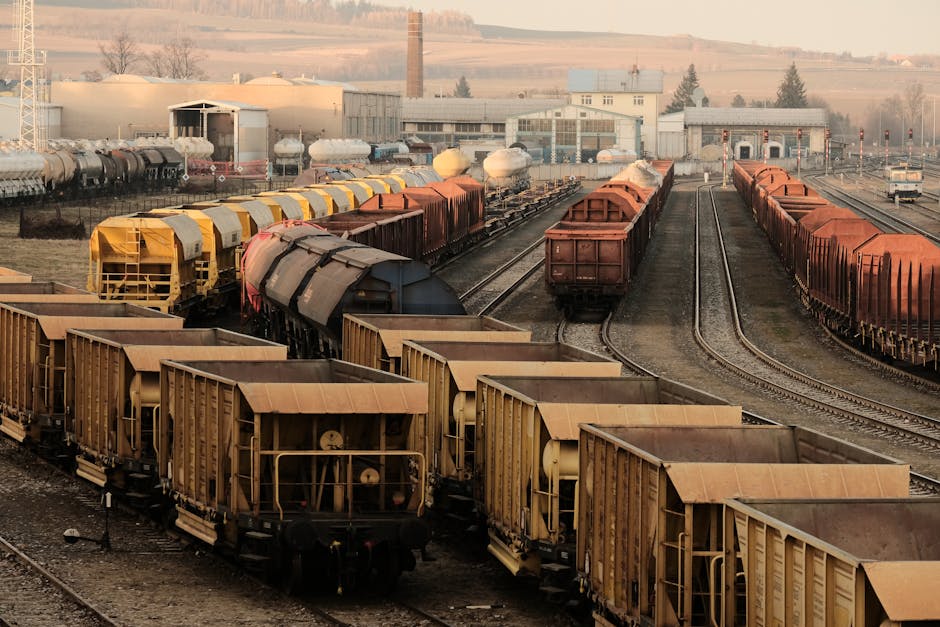
Photo by Shuaizhi Tian via Pexels
Cost Per KG Comparison
| Shipping Method | Cost per KG | Transit Time | Best For |
|---|---|---|---|
| Sea Freight (LCL) | $0.10-0.20 | 35-50 days | Cost-sensitive, large volume |
| Rail Freight (LCL) | $0.30-0.50 | 14-20 days | Time-sensitive, Europe-bound |
| Air Freight | $2.00-4.00 | 5-10 days | Urgent, high-value |
| Express (DHL/FedEx) | $6.00-12.00 | 3-7 days | Most urgent, small packages |
Advantages of Rail Freight
Faster Than Sea Freight
Rail cuts transit time roughly in half compared to sea freight. When it comes to China sourcing, 14-20 days vs 35-50 days to Europe. Faster transit means: faster time to market, less capital tied up in transit, lower inventory carrying costs, and more responsive supply chain. For products with short life cycles or seasonal demand, the time savings are valuable. Rail enables faster inventory turns and better cash flow.
Cheaper Than Air Freight
Rail costs about 50% of air freight for equivalent volume. When it comes to China sourcing, significant savings for time-sensitive shipments. Makes rail viable for products where air is too expensive. Enables faster shipping without air freight premium. For high-value or time-sensitive goods, rail offers the best cost-time balance. You get most of the speed benefit at half the cost.
Reliable Transit Times
Rail transit times are more predictable than sea freight. When it comes to China sourcing, fixed schedules: trains depart on set days. Less affected by weather than sea or air. No port congestion delays. Consistent transit times enable better planning. While delays can occur, rail is generally reliable. This predictability helps with inventory planning and customer commitments.
Environmentally Friendly
Rail freight has lower carbon emissions than air freight. When it comes to China sourcing, approximately 70% lower CO2 emissions than air freight. Lower emissions than sea freight per transit day. Supports sustainability goals and ESG requirements. Many European companies prefer rail for environmental reasons. If your customers value sustainability, rail shipping is a selling point.
Door-to-Door Service
Rail freight can be combined with truck for door-to-door service. When it comes to China sourcing, pickup from supplier factory. Rail transport to destination city. Truck delivery to final destination. Customs clearance coordination. Many forwarders offer complete door-to-door rail service. This simplifies logistics compared to managing multiple providers.
Disadvantages of Rail Freight
Limitation 1: Europe Only
Rail freight from China serves Europe and Central Asia. When it comes to China sourcing, not available for US, Canada, South America, or Africa destinations. For non-European destinations, sea or air remain the options.
Limitation 2: Higher Cost Than Sea Freight
Rail costs 50-80% more than sea freight. When it comes to China sourcing, the premium must be justified by time savings or other benefits. For cost-sensitive products with long shelf life, sea freight remains more economical.
Limitation 3: Capacity Constraints
Rail capacity is limited compared to sea freight. When it comes to China sourcing, peak seasons may have space constraints. Booking in advance is recommended. Some routes have more capacity than others. Work with forwarders who have established rail relationships.
Limitation 4: Geopolitical Considerations
Rail routes pass through multiple countries. When it comes to China sourcing, russia, Belarus, Kazakhstan are on main routes. Geopolitical situations can affect routes and transit. Sanctions or conflicts may disrupt service. Monitor current situations and have backup plans.
Limitation 5: Limited Service Frequency
Trains run on fixed schedules, typically 1-3 times per week from each origin. When it comes to China sourcing, less flexible than truck or air. May need to wait for next departure. Plan shipments around train schedules.
What Products Ship Well by Rail
Ideal Products for Rail
Rail is ideal for products where the cost-time balance makes sense. When it comes to China sourcing, electronics and components: high value, time-sensitive. Automotive parts: just-in-time supply chains. Machinery and equipment: high value, moderate urgency. Fashion and apparel: seasonal products. Consumer electronics: product launches, seasonal demand. Medical devices: high value, regulated. E-commerce inventory: faster replenishment. Evaluate your products against these categories.
Products Better Suited for Sea Freight
Some products are better shipped by sea. When it comes to China sourcing, low-value, high-volume products: cost is primary concern. Raw materials and commodities: time-insensitive. Heavy machinery: weight limits on rail. Bulk cargo: better suited for sea. Products with long shelf life: no urgency. If cost is more important than speed, sea freight remains the choice.
Products Better Suited for Air Freight
Some products require air freight. When it comes to China sourcing, extremely urgent shipments: days matter. Perishable goods: limited shelf life. High-value, low-volume: air cost acceptable. Samples and prototypes: small, urgent. Emergency replenishment: stockout risk. If speed is critical and cost is secondary, air freight is appropriate.
Rail Freight Process
Booking and Documentation
The rail booking process. When it comes to China sourcing, step 1: Provide shipment details to forwarder (origin, destination, cargo details). Step 2: Forwarder confirms space on upcoming train. Step 3: Prepare documentation (commercial invoice, packing list, rail waybill). Step 4: Customs documentation for each transit country. Step 5: Cargo pickup and delivery to rail terminal. Step 6: Loading onto train. Documentation is more complex than sea freight due to multiple countries. Work with experienced rail forwarders.
Transit and Tracking
During transit, cargo passes through multiple countries. When it comes to China sourcing, china export customs. Kazakhstan transit. Russia transit (on northern route). Belarus transit. Poland entry to EU. Germany or other final destination. Tracking is available through forwarder systems. Updates at each border crossing. Transit times are generally reliable but can vary by 2-3 days.
Customs and Delivery
Customs clearance occurs at destination. When it comes to China sourcing, eU customs at first EU entry point (usually Poland). Import duties and VAT paid at destination. Truck delivery from rail terminal to final address. Alternatively, you can arrange pickup at rail terminal. Customs process is similar to sea freight imports. Your forwarder or customs broker handles clearance.
Choosing a Rail Freight Forwarder
Experience with Rail
Rail freight requires specialized expertise. When it comes to China sourcing, choose forwarders with: proven rail freight experience, relationships with rail operators, knowledge of documentation requirements, and understanding of transit country regulations. Not all forwarders offer rail service. Ask specifically about rail experience and references.
Network and Partnerships
Rail freight involves multiple countries. Forwarder should have: partners in transit countries, customs expertise in destination, and truck delivery capability. Strong networks ensure smooth transit across borders. Ask about their partnerships and how they handle issues in transit countries.
Questions to Ask Forwarders
When evaluating rail forwarders, ask: How long have you offered rail service? What routes do you use? What’s your track record for on-time delivery? How do you handle delays or issues? What documentation do you provide? What are your terms and conditions? Can you provide references? Clear answers indicate experienced providers.
Rail Freight Costs Breakdown
Cost Components
Rail freight costs include multiple components. Rail freight charge: the base transportation cost. Origin handling: terminal handling, loading. Documentation fees: rail waybill, customs docs. Transit country fees: various transit charges. Destination handling: terminal handling, unloading. Customs clearance: broker fees, duties, VAT. Delivery: truck to final destination. Get all-inclusive quotes to understand total cost.
Hidden Costs to Watch
Some costs may not be included in quotes. Customs inspection fees: if inspection required. Storage fees: if cargo not picked up timely. Documentation amendments: if corrections needed. Insurance: cargo insurance recommended. Currency fluctuations: quotes may be in USD or EUR. Ask forwarder about potential additional charges.
Rail Freight in 2026
Current Trends
Rail freight continues to grow in 2026. Increasing frequency: more trains per week on popular routes. New routes: expansion to new destinations. Service improvements: better tracking, faster transit. Competition: more forwarders offering rail service. Infrastructure investment: upgraded terminals and tracks. The rail option is becoming more attractive and accessible.
Geopolitical Considerations
The northern route through Russia remains the primary path. Alternative routes through Turkey and Middle East are developing. Sanctions and trade policies may affect routes. Monitor current situations with your forwarder. Have contingency plans for route disruptions. Diversified shipping options reduce risk.
Conclusion
The China-Europe Railway Express offers a compelling middle-ground shipping option for Europe-bound cargo. This guide covered: transit times of 14-20 days—half the time of sea freight, costs about 50% of air freight for equivalent volume, routes through Central Asia and Russia to European destinations, advantages including speed, reliability, and environmental benefits, and limitations including Europe-only service and capacity constraints. The key decision factors: choose rail when shipping to Europe and time matters more than lowest cost, choose sea freight when cost is primary concern and time is less critical, and choose air freight when speed is essential and cost is secondary. Rail freight from China to Europe has matured into a reliable shipping option. For businesses with European customers or distribution centers, rail offers an attractive balance of speed and cost. Evaluate your specific products, destinations, and timelines to determine if rail freight fits your supply chain strategy.
Need Help with Rail Freight from China?
Top China Sourcing can help you evaluate rail freight options and connect you with experienced rail forwarders. We help you compare shipping methods and choose the right option for your Europe-bound shipments. Contact us today to discuss your shipping needs.
Last updated: April 30, 2026 | China-Europe Railway Guide by TCS Editorial Team
Sources
- China Railway Container Transport Corporation
- International Union of Railways (UIC)
- European Rail Freight Association
- Belt and Road Initiative Reports 2026
- TCS Rail Freight Database 2026