
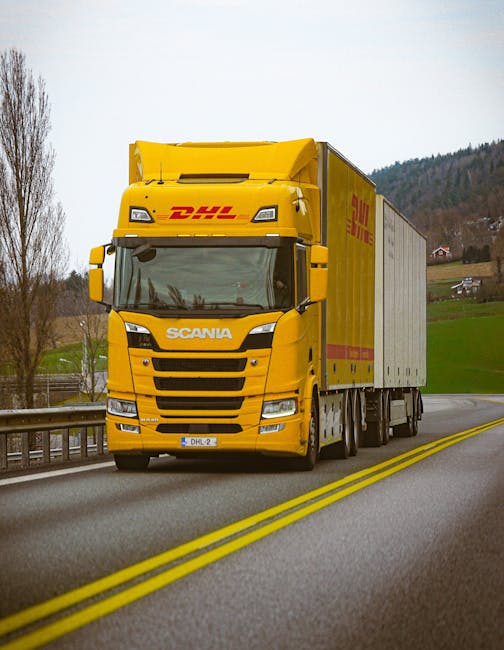
DDP (Delivered Duty Paid) shipping from China offers a hassle-free import experience where your supplier or forwarder handles everything from pickup to delivery at your door, including customs clearance and duty payment. While convenient, DDP comes with trade-offs in cost, control, and transparency. This 2026 guide examines DDP shipping from China to help you decide if it’s right for your business.
📌 Key Takeaways
- DDP definition: Seller handles all costs and risks until goods reach buyer’s door, including duties
- Cost premium: DDP typically costs 15-30% more than FOB + separate arrangements
- Best for: Small importers, first-time importers, e-commerce sellers, and time-sensitive shipments
- Drawbacks: Less control, potential hidden costs, and limited carrier choice
- Alternative: DAP (Delivered at Place) excludes duties, giving you more control over customs
What is DDP Shipping?
DDP Definition
DDP (Delivered Duty Paid) is an Incoterm where the seller bears all costs and risks until goods are delivered to the buyer’s specified destination. When considering shipping from China, Seller responsibilities: export clearance in China, freight transportation (sea or air), import clearance at destination, payment of import duties and taxes, and delivery to buyer’s door. The buyer receives goods ready for use with no additional customs or logistics work. DDP represents maximum convenience for buyers but maximum responsibility for sellers.
How DDP Differs from Other Incoterms
Compare DDP to common alternatives. When considering China shipping, EXW (Ex Works): buyer picks up at factory, handles everything. FOB (Free on Board): seller delivers to port, buyer handles ocean freight and beyond. CIF (Cost, Insurance, Freight): seller handles freight to destination port, buyer handles import. DAP (Delivered at Place): seller delivers to destination but buyer pays duties. DDP: seller handles everything including duties. DDP is the only Incoterm where seller pays import duties. This distinction is crucial for understanding total cost.
DDP Shipping Process
The DDP shipping process from China. When considering freight, Step 1: Buyer places order with supplier. Step 2: Supplier arranges pickup from factory. Step 3: Export clearance in China. Step 4: International freight (sea or air). Step 5: Import clearance at destination. Step 6: Duty and tax payment by seller/forwarder. Step 7: Final delivery to buyer’s address. The buyer receives goods without dealing with customs or logistics. All coordination happens between supplier and their forwarder.
DDP Shipping Costs
Cost Components
DDP pricing includes all costs. When considering shipping from China, Product cost: the goods themselves. Export handling: pickup, documentation, export clearance. International freight: sea or air shipping. Import handling: customs clearance, documentation. Import duties: based on HS code and value. Import taxes: VAT/GST at destination. Delivery: final mile to your door. Forwarder margin: profit for the DDP service provider. The quoted DDP price should be all-inclusive with no surprises.
Photo by Jonas F via Pexels
DDP vs FOB Cost Comparison
| Cost Component | FOB + Separate | DDP |
|---|---|---|
| Product Cost | $5,000 | $5,000 |
| Ocean Freight | $1,500 | Included |
| Import Duties | $750 | Included |
| Import Taxes (VAT) | $1,150 | Included |
| Customs Broker | $200 | Included |
| Delivery | $300 | Included |
| DDP Premium | $0 | $1,000 |
| Total | $8,900 | $9,600 |
Why DDP Costs More
DDP includes a premium for several reasons. When considering China shipping, Risk premium: seller bears all risks including customs issues. Convenience premium: buyer does no logistics work. Forwarder margin: DDP providers charge for their service. Duty uncertainty buffer: providers may overestimate duties to protect themselves. Exchange rate buffer: protection against currency fluctuations. The premium typically ranges from 10-30% above the cost of arranging shipping separately. You’re paying for convenience and risk transfer.
Pros of DDP Shipping
Convenience and Simplicity
DDP offers maximum convenience. When considering freight, One price covers everything. No need to arrange freight forwarding. No customs clearance paperwork. No separate duty payments. No coordination between multiple parties. Goods arrive at your door ready to use. For busy business owners or those new to importing, this simplicity is valuable. You deal with one party (your supplier) and receive finished goods.
Predictable Costs
DDP provides cost certainty. When considering shipping from China, The quoted price is the final price. No surprise customs fees. No unexpected demurrage charges. No currency fluctuation surprises. This predictability helps with budgeting and pricing. You know your exact landed cost before ordering. For businesses with tight margins, this certainty can be worth the premium.
No Customs Expertise Required
DDP eliminates the need for customs knowledge. When considering China shipping, No HS code classification needed. No customs broker relationship required. No understanding of duty rates necessary. No import documentation preparation. The DDP provider handles all customs work. This is ideal for first-time importers or those who don’t want to learn customs procedures.
Faster for Small Shipments
DDP can be faster for small shipments. When considering freight, Express carriers (DHL, FedEx) offer DDP service. Air freight DDP is faster than sea freight. No delays waiting for customs clearance. Goods move through pre-cleared channels. For urgent or time-sensitive shipments, DDP via air can be the fastest option from China to your door.
Cons of DDP Shipping
Disadvantage 1: Higher Total Cost
DDP typically costs 15-30% more than arranging shipping separately. When considering shipping from China, The convenience premium adds up over multiple shipments. For regular importers, this premium represents significant extra cost.
Disadvantage 2: Less Control
You have limited control over shipping details. Carrier selection is made by the DDP provider. Route and transit time may not be optimal. You can’t choose your customs broker. Limited visibility into the shipping process.
Disadvantage 3: Potential Hidden Costs
Some DDP providers may under-quote duties then bill separately. Unclear terms can lead to surprise charges. Quality issues with the DDP provider affect your shipment. Always clarify exactly what’s included.
Disadvantage 4: Duty Recovery Challenges
If you overpay duties through DDP, recovering overpayments is difficult. The DDP provider paid duties, not you. You may not have documentation for duty drawback. For businesses that could claim duty refunds, DDP complicates the process.
Disadvantage 5: Limited Carrier Options
DDP providers use their preferred carriers. You can’t negotiate rates directly with carriers. Carrier performance affects your business but you can’t switch carriers. Limited flexibility for special requirements.
When to Use DDP Shipping
Ideal Scenarios for DDP
DDP is ideal in certain situations. First-time importers learning the process. Small businesses without logistics expertise. One-time or occasional shipments. E-commerce sellers dropshipping or small batches. Time-sensitive shipments requiring fast delivery. Complex products with uncertain duty rates. When convenience is worth more than cost savings. Evaluate your situation against these scenarios.
When to Avoid DDP
DDP may not be right when: you ship regularly and can optimize logistics, you have established freight forwarder relationships, you need control over carrier selection, you can claim duty drawbacks or exemptions, cost optimization is critical to your business, or you have specific logistics requirements. Regular importers typically benefit from managing their own logistics.
DDP for Amazon FBA
DDP is popular for Amazon FBA shipments. Benefits: goods delivered directly to Amazon fulfillment centers, no customs work for the seller, and predictable landed costs for pricing. Many China-based forwarders specialize in Amazon FBA DDP. They understand Amazon’s receiving requirements and appointment scheduling. For Amazon sellers without logistics expertise, DDP simplifies the import process significantly.
DDP vs DAP: Key Differences
DAP Definition
DAP (Delivered at Place) is similar to DDP but excludes duty payment. Seller responsibilities: export clearance, freight, import clearance coordination, and delivery to destination. Buyer responsibilities: pay import duties and taxes. DAP gives you control over duty payment while still providing delivery convenience. You receive a duty invoice separately rather than having it included in shipping cost.
Comparison Table
| Aspect | DDP | DAP |
|---|---|---|
| Duties Paid By | Seller | Buyer |
| Customs Control | Seller | Shared |
| Cost Transparency | Lower | Higher |
| Duty Recovery | Difficult | Possible |
| Convenience | Maximum | High |
| Typical Premium | 15-30% | 10-20% |
Choosing Between DDP and DAP
Choose DDP when: you want maximum convenience, you don’t want to deal with customs at all, and predictable pricing is important. Choose DAP when: you want some control over duty payment, you need visibility into duty costs, you might claim duty drawbacks, or you want to verify duty calculations. DAP offers a middle ground between full DDP convenience and managing everything yourself.
How to Get DDP Quotes
Information to Provide
For accurate DDP quotes, provide: product description and HS code if known, quantity and weight, dimensions of packages, pickup address in China, delivery address in destination country, preferred shipping method (air or sea), and timeline requirements. More detailed information yields more accurate quotes. Vague requests lead to estimates that may change.
Questions to Ask DDP Providers
Ask potential DDP providers: Is the quote truly all-inclusive with no surprises? What happens if duties are higher than estimated? Which carriers do you use? What’s the transit time? How do you handle customs issues? What documentation will I receive? What are the payment terms? Can you provide references? Clear answers indicate a professional provider.
Comparing DDP Quotes
When comparing DDP quotes: verify what’s included, check transit times, ask about carrier options, understand the claims process, and compare provider reputation. The lowest quote isn’t always the best value. Consider service quality, reliability, and communication. A slightly higher quote from a reliable provider may save money overall by avoiding problems.
Common DDP Mistakes
Not Clarifying Inclusions
Some DDP quotes exclude certain costs. Common exclusions: remote area delivery fees, oversized cargo surcharges, and duties for certain product categories. Always get written confirmation of what’s included. Ask specifically about potential additional charges. A quote that seems too low may have exclusions.
Not Understanding Duty Calculation
DDP providers may estimate duties based on declared value. If customs determines a higher value, you may be billed for the difference. Understand how duties are calculated for your products. Provide accurate product descriptions and values. Keep documentation in case of disputes.
Not Planning for Delays
DDP doesn’t guarantee delivery times. Customs inspections can delay any shipment. Carrier delays happen. Build buffer time into your planning. Don’t assume DDP means faster clearance—it just means you don’t handle it. Peak seasons have longer delays regardless of shipping terms.
Conclusion
DDP shipping from China offers convenience at a premium, making it ideal for certain importers but not all. This guide covered: DDP definition where seller handles everything including duties, cost comparison showing 15-30% premium over separate arrangements, pros including convenience, predictable costs, and no customs expertise needed, cons including higher costs, less control, and potential hidden fees, and DAP as an alternative that excludes duties for more control. The key decision factors: choose DDP for convenience and simplicity, especially for first-time or occasional importers; choose DAP or FOB for cost optimization and control, especially for regular importers; and always clarify exactly what’s included in DDP quotes. DDP is a valuable option for importers who prioritize convenience over cost savings. Evaluate your specific situation, volume, and expertise to determine whether DDP is right for your business. For many importers, starting with DDP and transitioning to managed logistics as volume increases is a sensible approach.
Need Help with DDP Shipping from China?
Top China Sourcing can help you evaluate DDP options and connect you with reliable DDP service providers. We help you understand total costs and choose the right shipping terms for your business. Contact us today to discuss your shipping needs.
Last updated: April 30, 2026 | DDP Shipping Guide by TCS Editorial Team
Sources
- International Chamber of Commerce Incoterms 2020
- US Customs and Border Protection Import Guidelines
- World Shipping Council Container Shipping Statistics
- TCS Shipping Cost Database 2026
- Major Freight Forwarder Rate Sheets