Freight forwarders are essential partners for successful China sourcing—they coordinate shipping logistics, handle documentation, navigate customs, and solve problems. The right freight forwarder saves you time, money, and headaches. This 2026 guide explains what freight forwarders do, how to select the right one, and how to work effectively with your forwarding partner for optimal shipping outcomes.
📌 Key Takeaways
- Role: Freight forwarders coordinate shipping logistics from factory to destination
- Services: Booking, documentation, customs clearance, insurance, tracking, problem resolution
- Selection criteria: Experience, routes, pricing, communication, and service capabilities
- Cost: Forwarder fees typically 5-15% of shipping cost, worth it for expertise and convenience
- Best practice: Build relationships with 2-3 reliable forwarders for consistent service
What is a Freight Forwarder?
Definition and Role
A freight forwarder is a company that arranges shipping logistics on behalf of shippers. They don’t move cargo themselves—they coordinate with carriers (shipping lines, airlines, trucking companies) to move your goods. Think of a forwarder as your shipping agent: they book space, prepare documentation, arrange customs clearance, and handle problems. For most importers, using a freight forwarder is more efficient than dealing directly with carriers. Forwarders have relationships, expertise, and systems that individual shippers lack.
Forwarder vs Carrier
Understanding the difference is important. Carriers: own and operate transport equipment (ships, aircraft, trucks), move cargo physically, and include shipping lines (Maersk, MSC, COSCO), airlines, and trucking companies. Freight forwarders: arrange shipping with carriers, handle documentation and coordination, don’t own transport equipment (usually), and act as intermediary between shipper and carrier. You can book directly with carriers, but forwarders simplify the process and often get better rates through volume.
Forwarder vs Customs Broker
These roles are different but often overlap. Freight forwarder: arranges shipping logistics, handles export documentation, coordinates with carriers. Customs broker: specializes in import customs clearance, classifies goods, pays duties, ensures regulatory compliance. Many forwarders offer customs brokerage as an additional service. Some companies are both forwarder and broker. For simplicity, many importers use one company for both functions.
What Freight Forwarders Do
Shipping Coordination
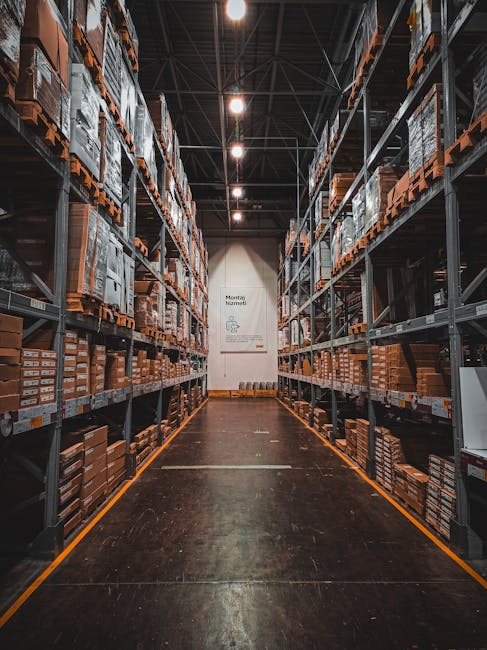
Forwarders coordinate the entire shipping process. Activities: receive shipping request and requirements, book cargo space with carriers, arrange pickup from factory, coordinate loading and containerization, track shipment during transit, arrange customs clearance, and coordinate delivery to destination. They manage the logistics chain so you don’t have to. Good forwarders are proactive, identifying and resolving issues before they become problems.
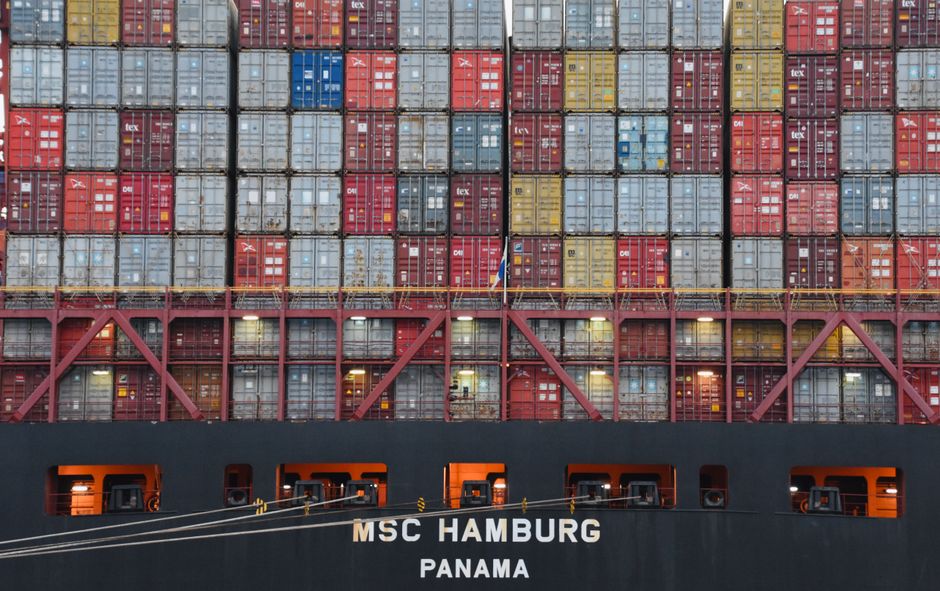
Photo by Jonas F via Pexels
Documentation
Forwarders handle shipping documentation. Documents prepared: booking confirmation, bill of lading (B/L), commercial invoice, packing list, certificate of origin, and export customs declarations. They ensure documents are accurate and complete—errors cause delays and additional costs. Forwarders understand documentation requirements for different countries and products. They also maintain records for compliance and reference.
Customs Clearance
Many forwarders offer customs clearance services. Services: classify goods (HS codes), prepare import declarations, calculate duties and taxes, submit documentation to customs, pay duties on your behalf, and resolve customs issues. Customs clearance expertise is valuable—incorrect classification or documentation causes delays and penalties. If your forwarder doesn’t offer customs brokerage, they’ll coordinate with a separate customs broker.
Problem Resolution
When shipping problems occur, forwarders help resolve them. Common issues: shipment delays, documentation errors, customs holds, cargo damage, and carrier issues. Forwarders have relationships with carriers and authorities, understand procedures, and can navigate solutions. They act as your advocate in disputes. Good forwarders communicate problems promptly and work toward resolution. This problem-solving capability is one of the main values of using a forwarder.
Types of Freight Forwarders
Global Forwarders
Large international forwarders with worldwide presence. Examples: DHL Global Forwarding, DB Schenker, Kuehne + Nagel, DSV, Expeditors. Characteristics: global network, comprehensive services, advanced technology platforms, and higher pricing. Best for: large companies with global operations, complex logistics requirements, and those needing worldwide coverage. Global forwarders have resources and capabilities but may provide less personalized service.
China-Focused Forwarders
Forwarders specializing in China trade. Characteristics: deep China expertise, relationships with Chinese carriers and authorities, understanding of Chinese business culture, and competitive China pricing. Examples: Flexport, Freightos, and many smaller specialized forwarders. Best for: companies primarily shipping from China, those wanting China expertise, and importers of all sizes. China-focused forwarders often provide better service for China shipments than general forwarders.
Niche Forwarders
Forwarders specializing in specific industries or cargo types. Examples: project cargo forwarders (oversized equipment), temperature-controlled forwarders (perishables), dangerous goods forwarders (hazardous materials), and e-commerce forwarders (small parcels). Best for: specialized cargo requiring specific expertise. If you have specialized shipping needs, a niche forwarder may be essential.
Local Forwarders
Smaller forwarders serving specific regions or routes. Characteristics: personalized service, local relationships, competitive pricing for their routes, and flexibility. Best for: small-medium importers, specific regional routes, and those valuing personal relationships. Local forwarders may have limited capabilities for complex or multi-route shipments.
How to Select a Freight Forwarder
Experience and Expertise
Evaluate forwarder experience with your requirements. Consider: years in business, experience with your product type, experience with your shipping routes, knowledge of relevant regulations, and track record with similar customers. Ask for references from similar businesses. Experience matters—experienced forwarders anticipate problems and know solutions. Don’t be a forwarder’s learning experience unless they offer significant advantages.
Service Capabilities
Assess the services you need and forwarder capabilities. Services to consider: origin services (pickup, consolidation), ocean and air freight booking, customs brokerage, destination services (delivery, warehousing), cargo insurance, and tracking and visibility. Not all forwarders offer all services. Match forwarder capabilities to your needs. If you need comprehensive service, choose a forwarder offering end-to-end solutions.
Route Coverage
Ensure forwarder covers your shipping routes. Consider: origin coverage (your supplier locations), destination coverage (your markets), carrier relationships on your routes, and transit times on your routes. A forwarder strong on China-US may be weak on China-Europe. Verify coverage for your specific routes. Ask about carrier options and transit times for your lanes.
Pricing and Value
Compare pricing across forwarders. Get quotes for: ocean freight, air freight, origin charges, destination charges, and all-inclusive door-to-door. Compare total cost, not just ocean freight. Consider value beyond price: service quality, reliability, communication, and problem-solving. The cheapest forwarder isn’t always the best value. Balance cost with service quality. Negotiate volume discounts if you ship regularly.
Communication and Responsiveness
Communication quality is critical. Evaluate: response time to inquiries, clarity of communication, availability during your business hours, proactive updates on shipments, and accessibility when problems arise. Test communication before committing: send inquiries and assess response quality. Good forwarders communicate proactively, not just when there are problems. Poor communication causes frustration and problems.
Freight Forwarder Comparison
| Forwarder Type | Best For | Advantages | Considerations |
|---|---|---|---|
| Global (DHL, DB Schenker) | Large companies, global ops | Global network, resources | Higher cost, less personal |
| China-focused | China importers | China expertise, pricing | May lack global coverage |
| Niche/Specialized | Special cargo types | Specialized expertise | Limited to specialty |
| Local/Regional | SMBs, specific routes | Personal service, flexibility | Limited capabilities |
Working with Freight Forwarders
Getting Quotes
Request quotes with complete information. Provide: origin address (factory location), destination address, cargo details (weight, dimensions, cartons), product type and HS code, desired shipping method, timeline requirements, and any special requirements. More information produces more accurate quotes. Vague requests lead to estimates that may change. Get quotes from 3-5 forwarders for comparison. Ask for all-inclusive pricing to understand total cost.
Booking Shipments
Once you select a forwarder, book shipments with complete information. Provide: pickup address and contact, cargo ready date, shipping requirements, documentation, and special instructions. Confirm booking details: vessel/flight, estimated departure, estimated arrival, and booking confirmation number. Maintain communication throughout shipping process. Provide feedback on service quality—forwarders want to improve.
Tracking and Communication
Stay informed about shipment status. Use: forwarder’s tracking system, carrier tracking, and regular updates from forwarder. Monitor: departure, transit progress, arrival, and customs clearance. Communicate promptly if issues arise. Good forwarders provide proactive updates. If you’re not receiving updates, ask for them. Tracking visibility helps you plan and respond to delays.
Building Relationships
Build relationships with reliable forwarders. Benefits: better service, priority attention, volume discounts, and problem resolution. Provide: regular business, prompt payment, feedback, and referrals. Forwarders prioritize customers who provide consistent business. Having 2-3 reliable forwarders provides backup if one has capacity issues. Don’t constantly switch for small savings—relationships have value.
Common Mistakes
Mistake 1: Choosing Only on Price
The cheapest forwarder may have poor service, hidden fees, or reliability issues. Consider total value, not just price.
Mistake 2: Not Verifying Capabilities
Ensure forwarder can handle your specific requirements—routes, cargo type, volume. Don’t assume capabilities.
Mistake 3: Poor Communication
Provide complete information when booking. Respond promptly to forwarder inquiries. Communication gaps cause problems.
Mistake 4: Not Having Backup
Have 2-3 forwarders you can use. If one has capacity issues or problems, you have alternatives.
Mistake 5: Not Understanding Costs
Understand all cost components, not just ocean freight. Ask for all-inclusive quotes to avoid surprises.
Questions to Ask Potential Forwarders
Experience Questions
Ask: How long have you been in business? What experience do you have with my product type? What experience do you have with my shipping routes? Can you provide references from similar customers? What’s your track record for on-time delivery? How do you handle problems when they occur? These questions reveal experience and capability.
Service Questions
Ask: What services do you offer? Do you provide customs brokerage? Do you offer cargo insurance? What’s your tracking capability? What are your hours of operation? How do you handle after-hours emergencies? Do you have offices in China? Understanding services helps match forwarder to your needs.
Pricing Questions
Ask: What’s included in your quote? What charges are additional? What are the payment terms? Do you offer volume discounts? How do you handle rate changes? Are there any hidden fees? Understanding pricing prevents surprises. Get everything in writing.
Conclusion
Freight forwarders are essential partners for successful China sourcing, providing expertise, coordination, and problem-solving that most importers can’t replicate in-house. This guide covered: what forwarders do including shipping coordination, documentation, customs, and problem resolution, types of forwarders from global to China-focused to niche, selection criteria including experience, services, routes, pricing, and communication, and best practices for working with forwarders effectively. The key principles: choose forwarders with experience on your routes and products, compare multiple forwarders on total value not just price, communicate clearly and provide complete information, build relationships with 2-3 reliable forwarders, and evaluate performance regularly. A good freight forwarder is worth their cost in saved time, avoided problems, and shipping optimization. Invest time in selecting the right forwarder—it pays dividends in smoother operations and lower total logistics costs.
Need Help Finding a Freight Forwarder?
Top China Sourcing works with reliable freight forwarders and can recommend partners for your specific shipping needs. We also provide logistics coordination as part of our sourcing services. Contact us today to discuss your shipping requirements.
Last updated: April 30, 2026 | Freight Forwarder Guide by TCS Editorial Team
Sources
- FIATA (International Federation of Freight Forwarders Associations)
- TCS Logistics Partner Network 2026
- Industry Freight Forwarding Best Practices
- China Logistics Market Analysis 2026