
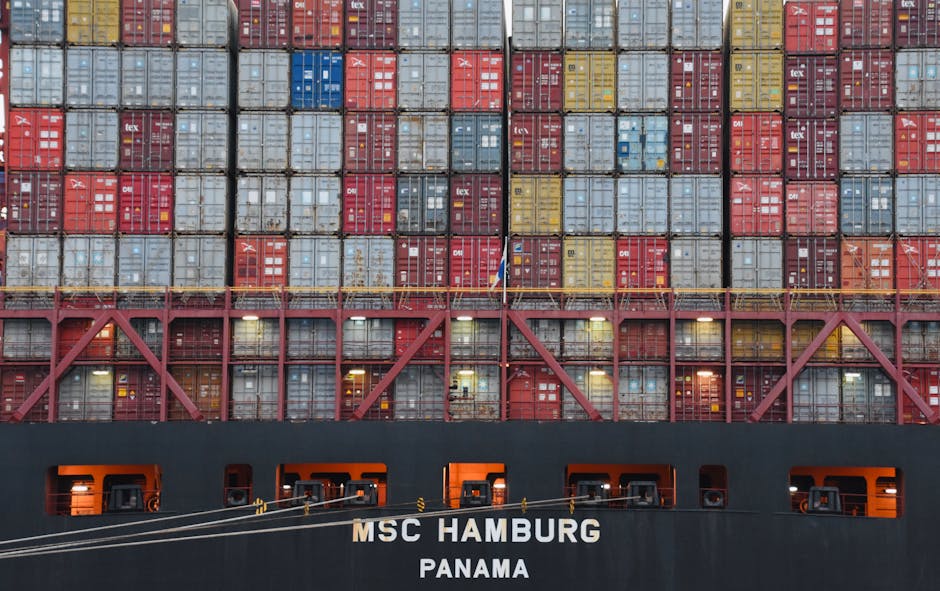
Shipping from China is a critical component of successful sourcing—get it wrong and your costs escalate, timelines blow out, and customer satisfaction suffers. This comprehensive 2026 guide covers everything you need to know about shipping from China: methods, costs, timelines, documentation, customs, and best practices. Whether you’re shipping your first order or optimizing established supply chains, this guide provides the knowledge to make informed logistics decisions.
📌 Key Takeaways
- Methods: Sea freight (cheapest for large volumes), air freight (fastest), express (door-to-door convenience)
- Sea freight costs: $1,500-4,000 per 20ft container to US West Coast in 2026
- Transit times: Sea 25-40 days, air 5-10 days, express 3-7 days
- Key players: Freight forwarders coordinate shipping; choose based on experience and service
- Documentation: Commercial invoice, packing list, bill of lading are essential
Shipping Methods from China
Sea Freight
Sea freight is the most economical option for large shipments. When considering shipping from China, Full Container Load (FCL): you rent an entire container (20ft or 40ft), best for orders filling a container. Less than Container Load (LCL): you share container space with other shippers, best for smaller orders. Sea freight costs per unit decrease with volume—making it ideal for orders over 2-3 cubic meters. Transit time: 25-40 days to US West Coast, 35-50 days to US East Coast, 25-35 days to Europe. Sea freight is the standard for most commercial imports due to cost efficiency.
Air Freight
Air freight offers faster delivery at higher cost. When considering China shipping, Cost: typically $4-8 per kg, compared to $0.10-0.30 per kg for sea freight. Transit time: 5-10 days including customs clearance. Best for: urgent shipments, high-value products, products with short shelf life, and orders under 500kg where sea freight isn’t economical. Air freight is charged by actual weight or volumetric weight (whichever is greater). For lightweight, high-value products, air freight often makes economic sense despite higher per-kg cost.
Express Shipping
Express shipping (DHL, FedEx, UPS) provides door-to-door delivery with minimal handling. When considering freight, Cost: $6-15 per kg for typical commercial shipments. Transit time: 3-7 days. Best for: samples, small orders under 100kg, urgent documents, and situations requiring tracking and reliability. Express shipping includes customs clearance in most cases, simplifying the process. For regular commercial shipments over 200kg, air freight is typically more economical than express.
Rail Freight (China-Europe)
The China-Europe Railway Express offers a middle ground between sea and air. When considering shipping from China, Cost: approximately 50% more than sea freight, 50% less than air freight. Transit time: 14-18 days to Europe. Best for: shipments to Europe where sea is too slow and air is too expensive. Routes connect major Chinese cities (Chengdu, Chongqing, Xi’an, Zhengzhou) with European hubs (Duisburg, Hamburg, Madrid). Rail freight is growing rapidly as a viable alternative for Europe-bound cargo.
Shipping Method Comparison
| Method | Cost | Transit Time | Best For |
|---|---|---|---|
| Sea FCL | $1,500-4,000/container | 25-50 days | Large orders (15+ CBM) |
| Sea LCL | $50-150/CBM | 30-55 days | Medium orders (2-15 CBM) |
| Air Freight | $4-8/kg | 5-10 days | Urgent, high-value |
| Express | $6-15/kg | 3-7 days | Small orders, samples |
| Rail (to Europe) | $3,000-6,000/container | 14-18 days | Europe, medium urgency |
Sea Freight Costs in Detail
Container Types and Sizes
Standard containers: 20ft (5.9m × 2.35m × 2.39m, 33 CBM capacity), 40ft (12m × 2.35m × 2.39m, 67 CBM capacity), 40ft High Cube (12m × 2.35m × 2.69m, 76 CBM capacity). When considering China shipping, Special containers: Refrigerated (reefer) for temperature-sensitive goods, Open-top for over-height cargo, Flat rack for over-width/over-weight cargo. Choose container type based on cargo characteristics. Standard containers suit most products; special containers cost 30-100% more.
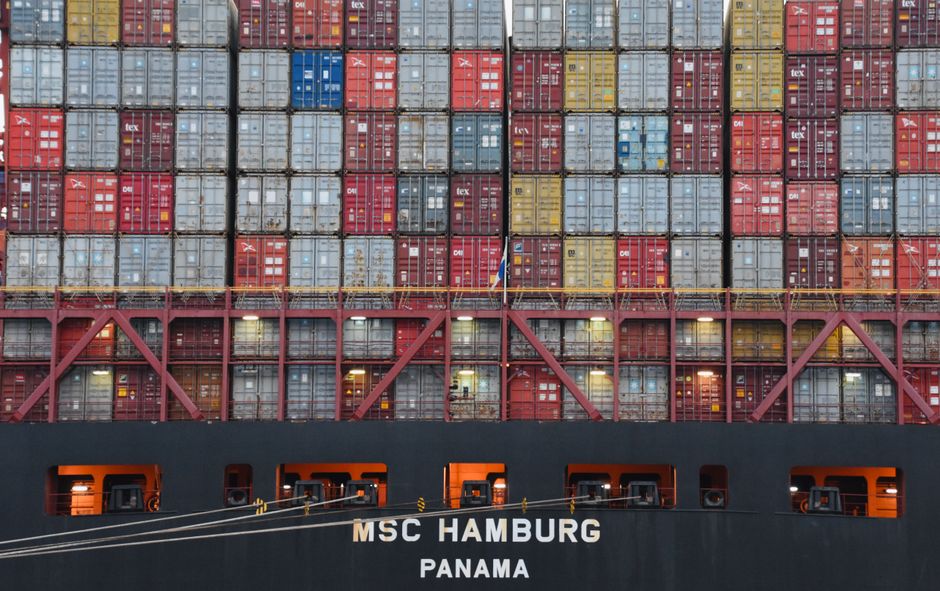
Photo by Jonas F via Pexels
Sea Freight Cost Components
Sea freight costs include multiple components. When considering freight, Ocean freight: the base shipping cost. Origin charges: terminal handling, documentation, customs clearance at origin. Destination charges: terminal handling, customs clearance, demurrage if applicable. Additional charges: fuel surcharge (BAF), currency adjustment factor (CAF), security charges. Total door-to-door cost is significantly higher than quoted ocean freight. Always get comprehensive quotes including all charges.
2026 Sea Freight Rates
Sea freight rates in 2026 have stabilized after pandemic volatility. When considering shipping from China, Approximate FCL rates from Shanghai: To US West Coast: $1,500-2,500 per 20ft container, $2,500-4,000 per 40ft container. To US East Coast: $2,500-4,000 per 20ft container, $4,000-6,000 per 40ft container. To Northern Europe: $1,000-2,000 per 20ft container, $1,800-3,500 per 40ft container. Rates fluctuate based on demand, season, and carrier capacity. Get current quotes for accurate pricing.
LCL Pricing
LCL (Less than Container Load) pricing is per cubic meter (CBM) or per ton (whichever is greater). When considering China shipping, Typical rates from Shanghai: To US West Coast: $50-100/CBM. To US East Coast: $80-150/CBM. To Europe: $40-80/CBM. Minimum charge typically 1 CBM. LCL includes consolidation and deconsolidation fees. For shipments over 15 CBM, FCL is usually more economical than LCL.
Working with Freight Forwarders
What Freight Forwarders Do
Freight forwarders coordinate shipping logistics on your behalf. When considering freight, Services: booking cargo space with carriers, arranging pickup from factory, handling documentation, customs clearance coordination, cargo insurance arrangement, and tracking and communication. Forwarders have relationships with carriers, understand documentation requirements, and can resolve problems. For most importers, using a freight forwarder is more efficient than dealing directly with carriers.
Choosing a Freight Forwarder
Select forwarders based on: experience with your product type and shipping routes, competitive pricing (get multiple quotes), communication and responsiveness, track record and references, and service capabilities (customs, insurance, warehousing). When considering shipping from China, Forwarders range from global logistics companies to specialized China-focused forwarders. For China sourcing, forwarders with China expertise and local presence provide better service. Get quotes from 3-5 forwarders before selecting.
Information Needed for Quotes
To get accurate freight quotes, provide: pickup address in China, delivery address, cargo details (weight, dimensions, number of cartons), product type and HS code, desired shipping method, and any special requirements (insurance, customs clearance). More detailed information produces more accurate quotes. Vague requests lead to estimates that may change significantly.
Shipping Documentation
Commercial Invoice
The commercial invoice is essential for customs clearance. Required information: seller and buyer details, invoice number and date, product description and quantity, unit price and total value, currency, and terms of sale (Incoterms). The declared value affects import duties—under-declaring is illegal and risks penalties. Ensure commercial invoice matches actual goods shipped. Customs may verify invoice accuracy.
Packing List
The packing list details shipment contents. Information: total number of packages, dimensions and weight of each package, contents of each package, total weight and volume, and marks and numbers. The packing list helps customs verify shipment contents and helps you check received goods against what was shipped. Ensure packing list matches commercial invoice and actual shipment.
Bill of Lading (B/L)
The bill of lading is the contract between shipper and carrier. Types: Original B/L: negotiable document required to claim goods. Telex Release: electronic release allowing pickup without original B/L. Sea Waybill: non-negotiable document for trusted relationships. The B/L shows: shipper, consignee, notify party, port of loading and discharge, vessel name, and cargo description. Ensure B/L details are correct—errors cause delays and additional costs.
Other Documents
Additional documents may be required: Certificate of Origin: certifies goods were made in China, may reduce duties under trade agreements. Product certifications: CE, FCC, FDA as required for product type. Material Safety Data Sheet (MSDS): for chemicals and hazardous materials. Import licenses: for restricted products. Check destination country requirements for specific products. Missing documents cause customs delays.
Customs Clearance
Import Process
Customs clearance process: 1) Documents submitted to customs, 2) Customs reviews documents and assesses duties, 3) Physical inspection (random or risk-based), 4) Duties and taxes paid, 5) Goods released. Timeline: typically 1-5 days if no issues, longer if inspection required. Use a customs broker for efficient clearance—they understand requirements and can resolve issues. Many freight forwarders offer customs brokerage services.
Import Duties and Taxes
Import costs include: Customs duty: percentage of goods value, varies by product (HS code) and country of origin. VAT/GST: consumption tax on imports (typically 10-20%). Other fees: merchandise processing fee, harbor maintenance fee (US). Total import costs typically add 15-30% to product cost. Research duty rates for your products using government tariff databases. Some products qualify for reduced duties under trade agreements.
Common Customs Issues
Problems that cause delays: incorrect HS code classification, under-declared value, missing required certifications, prohibited or restricted items, and documentation errors. Avoid issues by: using correct HS codes, declaring accurate values, ensuring required certifications are obtained, and double-checking all documentation. A customs broker helps navigate requirements and avoid problems.
Shipping Insurance
Why Insurance Matters
Shipping involves risks: damage during transit, loss of cargo, theft, and general average (shared loss when cargo is jettisoned to save vessel). Carrier liability is limited—typically $500 per package under international conventions. Without insurance, you bear the loss. Insurance cost is typically 0.3-1% of cargo value—a small price for protection. Always insure cargo for its full value including shipping costs.
Types of Coverage
Marine cargo insurance types: All-risk: covers most causes of loss or damage, broadest coverage. Named perils: covers only specified risks (fire, collision, jettison, etc.). Total loss only: covers only complete loss of shipment. Warehouse-to-warehouse: covers from origin warehouse to destination warehouse. All-risk coverage is recommended for most shipments. Read policy terms carefully—exclusions apply.
Obtaining Insurance
Insurance options: through freight forwarder (convenient but may have limited coverage), through insurance broker (more options, potentially better rates), or through online cargo insurance platforms. Provide: cargo description, value, shipping method, and route. Ensure coverage starts when risk transfers to you (based on Incoterms). Keep documentation in case of claim—photos, inspection reports, and correspondence.
Common Shipping Mistakes
Mistake 1: Not Planning Lead Times
Shipping takes time—sea freight 30-50 days, plus production time. Plan inventory to avoid stockouts. Rush shipping (air freight) is expensive.
Mistake 2: Choosing Only on Price
The cheapest shipping option may have hidden costs, poor service, or reliability issues. Consider total cost and service quality.
Mistake 3: Inadequate Documentation
Documentation errors cause delays and additional costs. Double-check all documents before shipping.
Mistake 4: Not Insuring Cargo
Carrier liability is limited. Without insurance, you bear the loss if cargo is damaged or lost. Always insure.
Mistake 5: Ignoring Destination Charges
Destination charges (terminal handling, customs, delivery) can be significant. Get complete quotes including all charges.
Shipping Best Practices
Plan Ahead
Build adequate lead time into your planning. Production time + shipping time + customs clearance + buffer. For sea freight, plan 60-90 days from order to receipt. For air freight, plan 15-25 days. Rush orders cost more and create stress. Regular planning and ordering prevents emergencies.
Get Multiple Quotes
Shipping rates vary significantly between forwarders and carriers. Get quotes from 3-5 forwarders for each shipment. Compare: total cost including all charges, transit time, service level, and terms. Don’t automatically choose the cheapest—consider reliability and service. Build relationships with 2-3 reliable forwarders for consistent service.
Track Shipments
Monitor shipment progress. Use: carrier tracking systems, forwarder updates, and container tracking websites. Tracking helps you: anticipate delays, plan for receipt, and identify problems early. Most forwarders provide regular updates—ensure you’re receiving them.
Inspect on Receipt
When goods arrive, inspect promptly. Check: quantity matches packing list, condition of packaging, and visible damage. Document any issues with photos. Report damage to carrier and insurer immediately—there are time limits for claims. Thorough inspection protects your rights if there are problems.
Conclusion
Shipping from China is a complex but manageable process with proper planning and knowledge. This guide covered: shipping methods including sea, air, express, and rail with their costs and transit times, sea freight details including container types, costs, and LCL pricing, working with freight forwarders for logistics coordination, documentation requirements including commercial invoice, packing list, and bill of lading, customs clearance process and import duties, and shipping insurance for cargo protection. The key principles: choose shipping method based on volume, urgency, and budget, work with experienced freight forwarders, ensure complete and accurate documentation, plan lead times to avoid rush shipping, and always insure your cargo. Shipping costs are a significant part of total landed cost—optimize your logistics strategy to minimize costs while meeting your timeline requirements. With the knowledge in this guide, you can make informed shipping decisions that support your China sourcing success.
Need Help with Shipping from China?
Top China Sourcing provides comprehensive logistics services including freight forwarding coordination, customs clearance support, and shipping optimization. We help you choose the right shipping method and manage the entire process. Contact us today to discuss your shipping needs.
Last updated: April 30, 2026 | Shipping Guide by TCS Editorial Team
Sources
- Freightos Baltic Index (FBX) 2026
- World Container Index 2026
- US Customs and Border Protection Import Requirements
- TCS Shipping Database 2026
- International Chamber of Commerce Incoterms 2020