Pre-shipment quality check (PSI) is your last line of defense against defective products leaving China. Conducted when 100% of production is complete and packed, PSI verifies quality before goods ship—when you still have leverage to address issues. This 2026 guide covers everything about pre-shipment inspection in China: costs, process, timing, what’s checked, how to prepare, and how to handle results. Whether you’re planning your firassessmention or optimizing existing processes, this guide provides the practical knowledge to implement effective PSI and protect your sourcing investment.
📌 Key Takeaways
- Timing: PSI occurs when production is 100% complete and goods are packed—before shipping
- Cost: $200-300 per man-day for standard consumer goods in China (2026 rates)
- Duration: 1 day for up to 2,000 units; larger orders require multiple days
- Coverage: Quantity, appearance, functionality, packaging, labeling, and dimensions
- ROI: $250 inspection can prevent $2,000-20,000+ in defect-related losses
What is Pre-Shipmeexaminationion?
Definition and Purpose
Pre-shipment inspection (PSI) is a quality control check performed when production is complete and goods are packed, but before shipment to the buyer. Purpose: verify that finished products meet specifications and quality standards before they leave the factory. PSI is your final opportunity to identify and address quality issues while goods are still in China—when resolution is most cost-effective. Unlike during-productquality checktion which catches issues mid-production, PSI evaluates the final product as it will be received by customers.
Why PSI is Essential
PSI provides critical value for several reasons. Final verification: confirms the entire order meets requirements, not just samples or early production. Leverage: issues discovered before shipment can be addressed at factory’s cost; after shipment, resolution is much harder. Documentation: inspection report provides evidence for claims, disputes, or negotiations. Risk mitigation: prevents shipment of defective goods that would cause returns, complaints, or safety issues. Peace of mind: knowing goods were inspected reduces anxiety about quality. For most importers, PSI should be standard practice for every order, especially from new suppliers or for high-value products.
PSI vsassessmentpection Types
| Inspection Type | Timing | Purpose | Best For |
|---|---|---|---|
| Pre-Production (PPI) | Before production | Verify materials/readiness | New suppliers, complex products |
| During Production (DPI) | 20-80% complete | Catch issues early | Large orders, critical quality |
| Pre-Shipment (PSI) | 100% complete, packed | Final quality verification | All orders (minimum recommended) |
| Container Loading (CLI) | During loading | Verify proper loading | Fragile/high-value goods |
PSI Cost Breakdown
Standard Pricing (2026)
Pre-shexaminationpection costs in China vary by inspection company, product complexity, and location. Thirquality checkspection companies: QIMA: $269-309 per man-day, SGS: $300-400 per man-day, Bureau Veritas: $280-350 per man-day, Asia Quality Focus: $228-268 per man-day, Goodada: $199-229 per man-day. A “man-day” is one inspector for one day (typically 8 hours). Most standard consumer goods inspections require 1 man-day for up to 2,000-3,000 units. Larger orders or complex products may require multiple days.

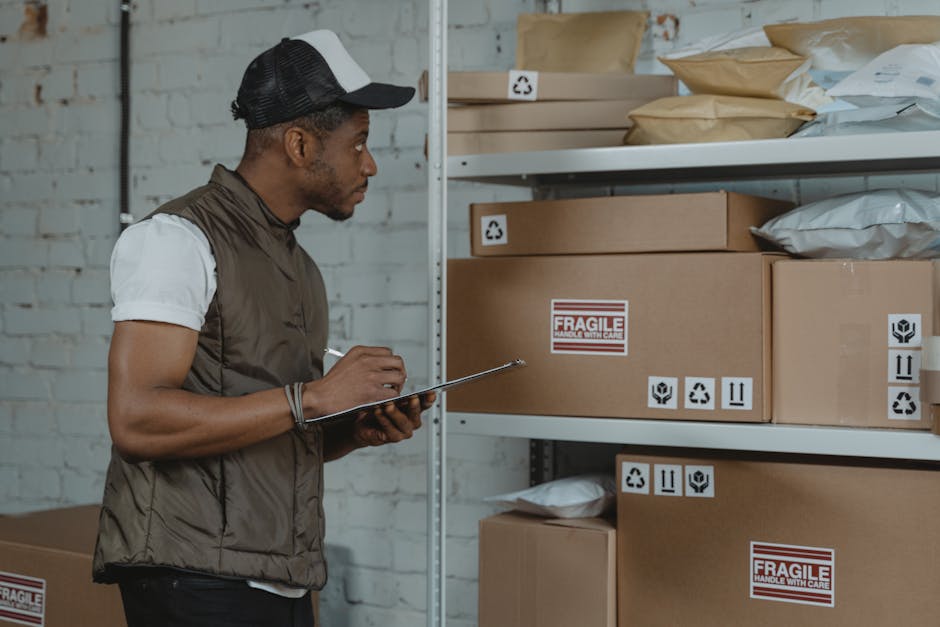
Photo by RDNE Stock project via Pexels
Factors Affecting Cost
Several factors influence PSI cost. Product complexity: electronics, multi-component products reassessment inspection time. Sample size: larger lots require more samples per AQL standards. Location: remote factory locations may incur travel fees. Special testing: lab testing, specialized equipment adds cost. Urgency: rush inspections (less than 48 hours notice) may have premium charges. Multiple products: inspecting several SKUs in one visit may require additional time. Get quotes from multiple inspection companies and specify your exact requirements for accurate pricing.
Cost vs. Value Analysis
| Order Value | PSI Cost | % of Order | Potential Loss Without PSI |
|---|---|---|---|
| $3,000 | $250 | 8.3% | $300-3,000 |
| $5,000 | $280 | 5.6% | $500-5,000 |
| $10,000 | $300 | 3.0% | $1,000-10,000 |
| $25,000 | $350 | 1.4% | $2,500-25,000 |
| $50,000 | $500 | 1.0% | $5,000-50,000 |
PSI Process Step-by-Step
Step 1examination Inspection
Book inspection when production is nearly complete. Timing: schedule 3-5 days before expected completion. Information needed: factory name and address, factory contact person and phone, product description and specifications, ordequality check, inspection requirements, and AQL levels. Most inspection companies offer online booking. Confirm: inspector will contact factory to schedule specific date, factory must have goods ready and accessible, and inspector needs clear access to all cartons.
Step 2: Prepare Documentation
Provide inspector with necessary documentation. Product specifications: dimensions, materials, colors, features. Reference samples: golden sample (approved) and reject samples (defects assessmentor). Inspection checklist: specific tests and criteria. Photos: images showing acceptable and unacceptable conditions. Packaging requirements: labeling, inserts, materials. Special requirements: any client-specific criteria. Clear documentation ensures consistent inspection regardless of which inspector performs it.
On inspection day, the inspector travels to the factory aquality checks the inspection. Typical timeline: 8:00-9:00 AM: arrive at factory, meet contact. 9:00-10:00 AM: verify production status, random sample selection. 10:00 AM-3:00 PM: detailed inspection of samples. 3:00-assessmentackaging inspection, quantity verification. 4:00-5:00 PM: complete paperwork, take photos. Inspector should have unrestricted access to goods and factory cooperation. If factory obstructs inspection, this is a red flag.
Step 4: Report Delivery
Inspection report is typically delivered within 24-48 hours after inspection. Report contents: executive summary with pass/fail result, quantity verification, detailed defect findings with photos, AQL statistical analysis, packaging and labeling assessment, and inspector recommendations. Review report carefully, especially photos of defects. The report is your evidence for any claims or negotiations with the supplier.
What PSI Checks
Quantity Verification
First, inspector verifies that the correct quantity has been produced. Process: count total cartons, verify carton quantities match packing list, random count verification of carton contents, and confirm total quantity matches order. Discrepancies: if quantity is short, note in report; if quantity is over, verify with buyer whether extra was ordered. Quantity verification ensures you receive what you paid for.
Appearance and Cosmetic Inspection
Visual inspection checks product appearance against specifications. Criteria: color accuracy (compare to reference sample), surface finish (scratches, blemishes, marks), dimensional accuracy (measure against specifications), markings and printing (correct, legible, positioned correctly), and overall workmanship. Inspector uses AQL sampling to select units for detailed inspection. Photos document both acceptable and defective conditions.
Functionality Testing
Functional tests verify products work as intended. Tests vary by product type: Electronics: power on, all functions, safety check. Mechanical products: operation cycles, moving parts function. Textiles: seam strength, zipper function, fit. Hard goods: assembly fit, weight, durability. Include specific test procedures in your inspection checklist. All functional tests should have clear pass/fail criteria.
Packaging and Labeling
Packaging inspection ensures products will arrive safely and meet requirements. Check: packaging materials (correct, adequate protection), shipping marks (correct, legible), product labels (content, placement, accuracy), inserts and instructions (present, correct language), and barcodes (scannable, correct). Packaging issues cause customer complaints and shipping damage—don’t overlook this inspection area.
AQL Application in PSI
Standard AQL for PSI
PSI uses AQL sampling to determine how many units to inspect and what defect rate is acceptable. Typical AQL levels for PSI: Critical defects: AQL 0 (zero tolerance), any critical defect fails inspection. Major defects: AQL 2.5 (standard) or AQL 1.5 (stricter). Minor defects: AQL 4.0 (standard) or AQL 2.5 (stricter). Inspection level: General Level II (standard) or Level III (stricter). These levels can be adjusted based on product requirements and buyer risk tolerance.
Sample Size Example
For a 2,000 unit order at General Inspection Level II: Sample size: 125 units randomly selected. AQL 2.5 (major defects): acceptance number = 7, rejection number = 8. AQL 4.0 (minor defects): acceptance number = 10, rejection number = 11. If inspector finds 7 or fewer major defects, lot passes for major defects. If inspector finds 8 or more major defects, lot fails. Same logic applies to minor defects. Overall result is FAIL if any category fails.
Defect Classification Guidelines
Proper defect classification is essential for accurate AQL application. Critical defects: safety hazards, regulatory non-compliance, complete non-functionality. Examples: sharp edges on children’s product, missing required warning label, product doesn’t work at all. Major defects: significantly affect use, appearance, or value; customer would return. Examples: malfunctioning feature, significant cosmetic flaw, wrong size. Minor defects: slight deviations; customer might not notice. Examples: small scratch, slight color variation, minor packaging imperfection.
Handling PSI Results
Pass Result Actions
When PSI passes: approve shipment to supplier, notify freight forwarder to arrange pickup, retain inspection report for records, update supplier performance tracking, and proceed with payment if terms require inspection pass. A pass doesn’t mean zero defects—it means defect rate is within acceptable limits. Review defect details even for passing inspections to identify improvement opportunities.
Fail Result Actions
When PSI fails: immediately notify supplier with detailed findings, request supplier response and correction plan, decide on next steps (rework, discount, rejection), schedule re-inspection after corrections if applicable, and document all communications. Options after fail: supplier reworks defects at their cost, price discount to accept goods as-is, replacement of defective units, full rejection and refund, or partial shipment of good units. Decision depends on defect severity, timeline, and supplier relationship.
Negotiating After Failed PSI
Failed PSI provides leverage for negotiation. Approach: share inspection report with photos, request supplier’s proposed solution, evaluate options based on your needs. Common resolutions: Rework: supplier fixes defects, re-inspection scheduled (allow 3-7 days). Discount: accept goods with price reduction (typically 5-20% depending on defect severity). Replacement: supplier provides replacement units for defective ones. Rejection: return goods, receive refund (most serious option, affects relationship). Document all agreements in writing. Most suppliers will work to resolve issues to maintain the relationship.
Common PSI Mistakes
Mistake 1: Not Inspecting Every Order
Skipping PSI to save $250 can cost thousands in defective products. Inspect every order until supplier proves consistent quality over multiple orders.
Mistake 2: Insufficient Specifications
Vague specifications lead to inconsistent inspection. Provide detailed, measurable criteria with photos of acceptable and unacceptable examples.
Mistake 3: Not Reviewing Reports Thoroughly
Don’t just check pass/fail. Review defect details, photos, and inspector comments to understand quality issues and make informed decisions.
Mistake 4: Delaying Inspection Until Last Minute
Rush inspections may be less thorough. Schedule PSI with adequate time for potential rework and re-inspection before shipping deadline.
Mistake 5: Ignoring Packaging Inspection
Packaging issues cause damage during shipping and customer complaints. Include packaging in PSI scope.
PSI Best Practices
Preparing for Effective PSI
Maximize PSI value with proper preparation. Provide clear specifications: detailed, measurable criteria. Send reference samples: approved sample and reject samples. Create inspection checklist: specific tests and criteria for each product. Include photos: visual examples of acceptable and unacceptable conditions. Specify AQL levels: clear acceptance criteria. Communicate with factory: ensure they understand inspection requirements and provide access. Good preparation ensures consistent, effective inspection.
Working with Inspection Companies
Choose inspection company based on: coverage in your manufacturing regions, pricing that fits your budget, technology platform for booking and reports, experience with your product category, and responsiveness and customer service. Build relationship with one or two inspection companies for consistent service. Provide feedback on inspection quality—they want to improve and retain your business.
Building Quality Improvement Loop
Use PSI results for continuous improvement. Process: analyze defect patterns across inspections, identify root causes with supplier, implement corrective actions, verify improvement in subsequent inspections, and update specifications and checklists. Track supplier performance over time. Consistently good PSI results may justify reduced inspection frequency. Consistently poor results warrant increased inspection or supplier change.
Conclusion
Pre-shipment inspection is your final quality checkpoint before goods leave China—making it the most important inspection for most importers. This guide covered the essential elements: PSI definition as final quality verification after production completion, costs of $200-300 per man-day representing 1-5% of typical order value, process from scheduling through report delivery, inspection scope including quantity, appearance, functionality, and packaging, AQL application for statistical sampling and acceptance decisions, and result handling for both pass and fail scenarios. The key principles: inspect every order until supplier proves consistent quality, prepare thoroughly with clear specifications and reference samples, use AQL standards for professional, consistent inspection, review reports carefully and act on findings, and build quality improvement loop with suppliers. PSI cost is minimal compared to the risk of shipping defective products. The $250-300 investment protects your order value, your customers, and your reputation. For China sourcing success, make PSI a non-negotiable part of your quality control process.
Need Pre-Shipment Inspection in China?
Top China Sourcing provides professional PSI services across all major manufacturing regions. Our trained inspectors follow international AQL standards and deliver detailed reports within 24 hours. Contact us today to schedule your inspection.
Last updated: April 30, 2026 | PSI Guide by TCS Editorial Team
Sources
- ISO 2859-1:1999 Sampling Procedures for Inspection
- QIMA Inspection Pricing 2026
- SGS Pre-Shipment Inspection Standards
- TCS Quality Control Database 2026
- China Import Quality Guidelines