AQL (Acceptable Quality Level) sampling is the global standard for determining how many products to inspect and what defect rate is acceptable. For China manufacturing, understanding AQL is essential—it’s the language inspectors and factories speak, the basis for shipment acceptance decisions, and the framework for quality agreements. This 2026 guide explains AQL sampling in practical terms: how to select AQL levels, calculate sample sizes, classify defects, and apply AQL standards to your China sourcing. Whether you’re new to quality control or optimizing existing processes, this guide provides the knowledge to implement professional AQL sampling.
📌 Key Takeaways
- Standard: AQL follows ISO 2859-1 / ANSI/ASQ Z1.4 international sampling standards
- Common levels: AQL 2.5 for major defects, AQL 4.0 for minor defects, AQL 0 for critical defects
- Sample size: Determined by lot size and inspection level (General Level II is standard)
- Decision rule: If defects found ≤ acceptance number, lot passes; if > rejection number, lot fails
- Cost efficiency: AQL enables statistically valid inspection without 100% checking
What is AQL Sampling?
Definition and Purpose
AQL (Acceptable Quality Level) is a statistical sampling methodology that defines the maximum defect rate considered acceptable for a production batch. When it comes to China sourcing, rather than inspecting every unit (impractical for large orders), AQL uses mathematically-derived sample sizes that provide statistical confidence about overall batch quality. The AQL value represents the defect rate that will be accepted 95% of the time when the true defect rate equals the AQL. For example, AQL 2.5 means a 2.5% defect rate is the threshold between acceptable and unacceptable quality. Major players like Alibaba are commonly used in this space.
AQL Standards Background
AQL sampling is defined by international standards: ISO 2859-1 (international), ANSI/ASQ Z1.4 (American), and BS 6001 (British). When it comes to China sourcing, these standards are essentially equivalent and provide the same sampling tables. The standards were developed to provide statistically valid sampling plans that balance inspection cost with quality assurance. Using standardized AQL ensures consistent quality assessment across suppliers, inspectors, and industries. When you specify “AQL 2.5” to a Chinese factory or inspection company, they understand exactly what you mean.
Why AQL Matters for China Sourcing
AQL is particularly important for China sourcing for several reasons. Standardization: it provides a common quality language across language and cultural barriers. Objectivity: acceptance decisions are based on statistical rules, not subjective judgment. Cost efficiency: sampling inspection costs far less than 100% inspection while maintaining statistical validity. Dispute resolution: AQL provides objective criteria for accepting or rejecting shipments. Contract clarity: quality agreements can specify AQL levels, eliminating ambiguity. Professional inspectors and factories in China are trained in AQL—it’s the industry standard.
AQL Levels Explained
Common AQL Values
AQL values typically range from 0.65 to 6.5, with specific values having standard applications. When it comes to China sourcing, aQL 0.65: very strict, used for critical quality requirements or high-value products. AQL 1.0: strict, for products where quality is very important. AQL 1.5: moderately strict, common for consumer products with quality expectations. AQL 2.5: standard for major defects, most commonly used level. AQL 4.0: standard for minor defects, allows higher defect rate. AQL 6.5: lenient, for products where minor defects are more acceptable. Most inspection reports show AQL 2.5 for major defects and AQL 4.0 for minor defects.
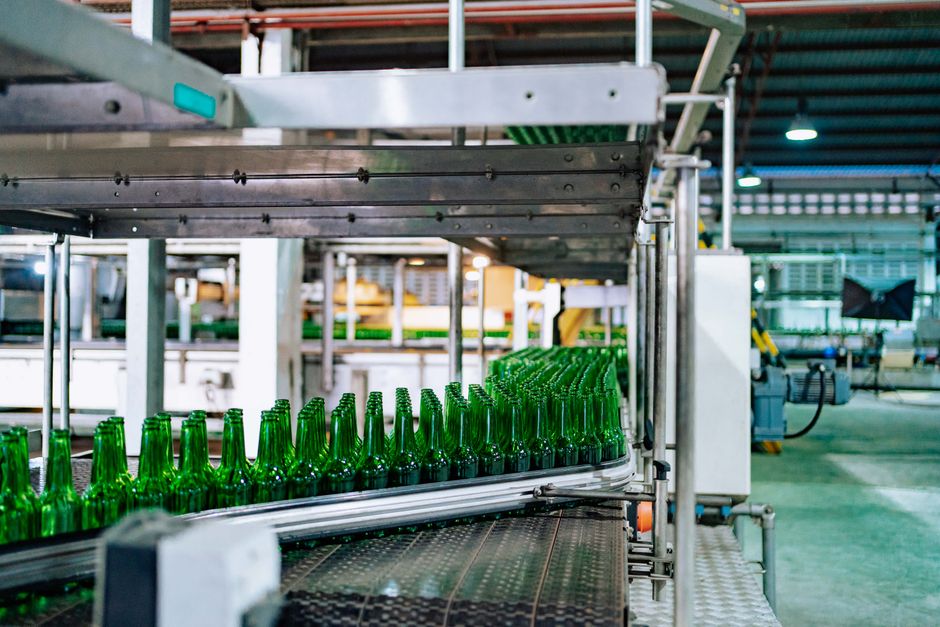
Photo by Keegan Checks via Pexels
Defect Classification System
AQL application requires proper defect classification. When it comes to China sourcing, critical defects: safety hazards, regulatory non-compliance, complete non-functionality. Examples include sharp edges on children’s products, missing required safety labels, electrical shock hazards. Standard is AQL 0 (zero tolerance)—any critical defect fails the inspection. Major defects: significantly affect product usability, appearance, or value; customer would likely return or complain. Examples include malfunctioning features, significant cosmetic flaws, wrong dimensions. Standard is AQL 2.5. Minor defects: slight deviations that don’t significantly affect use or appearance; customer might not notice. Examples include small scratches, slight color variation, minor packaging imperfections. Standard is AQL 4.0.
Setting AQL for Your Products
Choosing appropriate AQL levels depends on several factors. When it comes to China sourcing, product type: safety-critical products need stricter AQL. Customer expectations: premium brands need stricter AQL than budget products. Market requirements: some markets/retailers have specific quality standards. Cost of defects: if defect cost is high, use stricter AQL. Supplier history: proven suppliers might warrant standard AQL; new suppliers might need stricter. Starting point for most consumer products: AQL 0 for critical, AQL 2.5 for major, AQL 4.0 for minor. Adjust based on your specific requirements and risk tolerance.
Inspection Levels and Sample Sizes
General Inspection Levels
The AQL standard defines three general inspection levels that determine sample size. When it comes to China sourcing, general Inspection Level I: reduced inspection, smallest sample size. Used for: proven suppliers with consistent quality, low-risk products, cost-sensitive situations. Level II: normal inspection, standard sample size. Used for: most inspections, default choice, balanced cost and confidence. Level III: tightened inspection, largest sample size. Used for: new suppliers, critical products, previous quality issues, high-risk situations. Level II is the default for most inspections. Move to Level I after consistent good results; move to Level III after quality problems.
Special Inspection Levels
For situations requiring smaller or larger samples than general levels provide, special inspection levels (S-1 through S-4) are available. When it comes to China sourcing, s-1 and S-2: very small samples, for destructive testing or when inspection is very expensive. S-3 and S-4: small samples, for situations where general levels give larger samples than needed. Special levels should be used carefully—smaller samples mean less statistical confidence. Use special levels only when there’s specific justification, not just to reduce inspection cost.
Sample Size Tables
| Lot Size (Units) | Level I | Level II | Level III |
|---|---|---|---|
| 2-8 | 2 | 2 | 3 |
| 9-15 | 2 | 3 | 5 |
| 16-25 | 3 | 5 | 8 |
| 26-50 | 5 | 8 | 13 |
| 51-90 | 5 | 13 | 20 |
| 91-150 | 8 | 20 | 32 |
| 151-280 | 13 | 32 | 50 |
| 281-500 | 20 | 50 | 80 |
| 501-1200 | 32 | 80 | 125 |
| 1201-3200 | 50 | 125 | 200 |
| 3201-10000 | 80 | 200 | 315 |
Acceptance and Rejection Numbers
How Acceptance Numbers Work
Each AQL level and sample size combination has acceptance (Ac) and rejection (Re) numbers. When it comes to China sourcing, if the number of defects found is ≤ Ac, the lot passes. If the number of defects found is ≥ Re, the lot fails. For most single sampling plans, Re = Ac + 1. For example, with sample size 80 and AQL 2.5: Ac = 5, Re = 6. If you find 5 or fewer defects, the lot passes. If you find 6 or more defects, the lot fails. These numbers are derived from statistical probability calculations in the AQL standard.
Acceptance Number Table (Level II)
| Sample Size | AQL 1.0 (Ac/Re) | AQL 1.5 (Ac/Re) | AQL 2.5 (Ac/Re) | AQL 4.0 (Ac/Re) |
|---|---|---|---|---|
| 8 | 0/1 | 0/1 | 0/1 | 0/1 |
| 13 | 0/1 | 0/1 | 1/2 | 1/2 |
| 20 | 0/1 | 1/2 | 1/2 | 2/3 |
| 32 | 1/2 | 1/2 | 2/3 | 3/4 |
| 50 | 1/2 | 2/3 | 3/4 | 5/6 |
| 80 | 2/3 | 3/4 | 5/6 | 7/8 |
| 125 | 3/4 | 5/6 | 7/8 | 10/11 |
| 200 | 5/6 | 7/8 | 10/11 | 14/15 |
Interpreting Results
When inspection is complete, compare defects found to acceptance numbers. When it comes to China sourcing, example: 1,000 unit order, Level II inspection, sample size 80 units, AQL 2.5 for major defects (Ac=5, Re=6). Results: 4 major defects found. Decision: 4 ≤ 5, so lot PASSES for major defects. Same inspection, AQL 4.0 for minor defects (Ac=7, Re=8). Results: 9 minor defects found. Decision: 9 ≥ 8, so lot FAILS for minor defects. Overall result: lot FAILS (fails any AQL criteria). The inspection report should clearly state pass/fail for each defect category and overall.
Practical AQL Application
Step-by-Step Inspection Process
Applying AQL in practice involves these steps: 1) Determine lot size (total quantity produced), 2) Select inspection level (usually Level II), 3) Find sample size from table, 4) Define AQL levels for each defect type, 5) Find acceptance numbers for each AQL, 6) Randomly select samples from throughout lot, 7) Inspect samples and classify defects, 8) Compare defects found to acceptance numbers, 9) Determine pass/fail for each category, 10) Make overall shipment decision. When it comes to China sourcing, random sampling is critical—samples must be selected from throughout the shipment, not just from easily accessible boxes.
Random Sampling Methods
Proper random sampling ensures statistical validity. When it comes to China sourcing, methods include: Random number generator: assign numbers to all cartons, use random numbers to select. Systematic sampling: inspect every nth unit (e.g., every 10th) after random start. Stratified sampling: divide lot into groups, sample proportionally from each. What to avoid: inspecting only top boxes, inspecting only outer cartons, letting supplier select samples, inspecting only one production batch. The inspector should physically access different parts of the shipment to select samples randomly.
Multiple Defect Types
Most inspections evaluate multiple defect types with different AQL levels. When it comes to China sourcing, typical approach: Critical defects: AQL 0 (zero tolerance), any critical defect fails inspection. Major defects: AQL 2.5, allows limited major defects. Minor defects: AQL 4.0, allows more minor defects. Each category is evaluated separately. The overall result is FAIL if any category fails. Example: 2 critical defects = FAIL (any critical defect fails). 6 major defects with Ac=5 = FAIL. 10 minor defects with Ac=7 = FAIL. Even if only one category fails, the entire lot fails.
Common AQL Misconceptions
❌ Myth: AQL is a Quality Target
AQL is an acceptance threshold, not a target to achieve. When it comes to China sourcing, you shouldn’t aim for 2.5% defects because you specified AQL 2.5. Target should be zero defects; AQL defines when you’ll accept/reject a batch.
❌ Myth: AQL Guarantees Quality
AQL provides statistical confidence, not guarantees. When it comes to China sourcing, sampling inspection has inherent probability of accepting bad lots (consumer risk) or rejecting good lots (producer risk). Larger samples reduce these risks but never eliminate them.
❌ Myth: Stricter AQL Always Means Better Quality
Overly strict AQL increases costs without proportional quality benefit. When it comes to China sourcing, aQL should match product requirements and customer expectations. AQL 0.65 for minor cosmetic issues on budget products is wasteful.
❌ Myth: 100% Inspection is Better Than AQL
100% inspection seems foolproof but has problems: inspector fatigue causes missed defects, higher cost, impractical for large lots or destructive testing. When it comes to China sourcing, proper AQL sampling is often more reliable than fatigued 100% inspection.
AQL in Supplier Agreements
Specifying AQL in Contracts
Include AQL specifications in purchase orders and supplier agreements. When it comes to China sourcing, elements to specify: AQL levels for each defect category, Inspection level (I, II, or III), Who performs inspection (third-party, buyer, or supplier), Inspection timing (pre-shipment, during production), Acceptance/rejection procedures, and Responsibility for inspection costs. Example contract language: “Pre-shipment inspection shall be conducted by buyer-designated third-party inspector using General Inspection Level II. Acceptance criteria: Critical defects AQL 0, Major defects AQL 2.5, Minor defects AQL 4.0. Lots failing inspection shall be rejected or subject to price negotiation.”
Handling AQL Failures
When inspection fails AQL criteria, options include: Reject shipment: goods returned to factory for sorting/rework. When it comes to China sourcing, accept with discount: negotiate price reduction for defects. Rework and re-inspect: supplier fixes defects, new inspection conducted. Partial acceptance: accept good portion, reject defective. Sort at destination: buyer sorts (at supplier cost), accepts good units. Decision depends on: defect severity, timeline constraints, relationship with supplier, and cost implications. Document the decision and outcome for supplier performance tracking.
Supplier Performance Tracking
Use AQL results to track supplier quality performance. When it comes to China sourcing, metrics: Pass rate: percentage of inspections passed. Defect rate trend: average defects found over time. AQL level performance: which AQL levels supplier consistently meets. Improvement/decline: quality trend over multiple orders. Use data to: identify best-performing suppliers for growth, spot declining quality early, adjust AQL levels based on performance, and make informed sourcing decisions. AQL data provides objective supplier quality metrics.
AQL for Different Product Types
Consumer Products
Standard consumer products typically use: Critical defects AQL 0, Major defects AQL 2.5, Minor defects AQL 4.0, Inspection Level II. When it comes to China sourcing, this balances quality assurance with practical inspection costs. Examples: home goods, accessories, general merchandise. Adjust based on price point—premium products warrant stricter AQL.
Electronics and Technical Products
Electronics often warrant stricter AQL due to functionality importance: Critical defects AQL 0, Major defects AQL 1.5 or 2.5, Minor defects AQL 2.5 or 4.0, Inspection Level II or III. When it comes to China sourcing, additional considerations: functionality testing for all samples, safety compliance checks, and performance verification. Electronics failures are costly and dangerous, justifying stricter inspection.
Safety-Critical Products
Products with safety implications (children’s products, medical devices, automotive parts) require strictest AQL: Critical defects AQL 0 (absolute zero tolerance), Major defects AQL 1.0 or 1.5, Minor defects AQL 2.5, Inspection Level III. When it comes to China sourcing, may require 100% inspection for certain critical characteristics. Regulatory compliance checks are essential. Consider certification requirements beyond AQL.
Conclusion
AQL sampling is the professional standard for quality control in China manufacturing. This guide covered the essential elements: AQL definition as statistical sampling methodology for batch acceptance, AQL levels with standard values of 2.5 for major and 4.0 for minor defects, inspection levels determining sample size based on lot size and risk, acceptance/rejection numbers providing objective pass/fail criteria, practical application including random sampling and defect classification, common misconceptions to avoid for proper implementation, and supplier agreement integration for clear quality expectations. The key principles: use AQL as acceptance threshold, not quality target; select appropriate AQL levels for product requirements; ensure random sampling for statistical validity; document AQL specifications in supplier agreements; and track AQL results for supplier performance management. AQL provides the framework for professional, consistent, and objective quality assessment. When both buyer and supplier understand AQL, quality expectations are clear, disputes are reduced, and continuous improvement is enabled. For China sourcing success, mastering AQL is not optional—it’s essential.
Need Help Implementing AQL Quality Control?
Top China Sourcing provides professional inspection services with trained AQL inspectors. We handle pre-shipment, during-production, and container loading inspections using international AQL standards. Contact us today to discuss your quality control requirements.
Last updated: April 30, 2026 | AQL Guide by TCS Editorial Team
Sources
- ISO 2859-1:1999 Sampling Procedures for Inspection by Attributes
- ANSI/ASQ Z1.4-2008 Sampling Procedures and Tables
- Quality Control Handbook by J.M. Juran
- TCS Inspection Database 2026
- China National Standard GB/T 2828.1