QC process is the single most important factor in successful China sourcing. Without proper inspection processes, even the best supplier relationships can result in defective products, costly returns, and damaged brand reputation. This comprehensive 2026 guide covers every aspect of China quality control—from inspection types and AQL standards to third-party services and defect management. Whether you’re a first-time importer or scaling your sourcing operation, these proven strategies will protect your investment and ensure consistent product quality.
📌 Key Takeaways
- Inspection timing: Pre-production, during production, and pre-shipment inspections each serve different purposes
- AQL standards: Acceptable Quality Level sampling determines pass/fail criteria for batch acceptance
- Cost-benefit: $200-300 inspection cost prevents $2,000-20,000 in potential losses from defective products
- Third-party advantage: Independent inspectors provide unbiased assessment vs. supplier self-inspection
- Documentation: Detailed inspection reports are essential for claims, negotiations, and continuous improvement
Why Qualiquality managementers for China Sourcing
The Cost of Poor Quality
Defective products from China create cascading costs beyond the obvious. Direct costs include: product replacement, return shipping, customer refunds, and disposal of unsellable inventory. Indirect costs are often larger: damaged brand reputation, negative reviews, lost repeat customers, increased customer service burden, and potential legal liability. A single quality failure can erase profits from multiple successful orders. For Amazon FBA sellers, quality issues can trigger account warnings or suspension. The math is clear: investing 1-3% of order value in quality control protects the remaining 97-99%.
China Manufacturing Quality Challenges
Several factors make ququality assurancearticularly important for China sourcing. Production scaling: factories serving multiple customers may deprioritize your order. Communication barriers: specifications can be misunderstood across language and cultural differences. Cost pressure: factories may substitute materials or skip steps to maintain margins. Seasonal variation: quality can decline during peak production periods like pre-Chinese New Year. Distance factor: problems discovered at destination are expensive to resolve. These challenges don’t mean China manufacturing is inherently low quality—they mean quality control processes must be systematic and rigorous.
QC process as Competitive Advantage
Companies that implement robust quality control gain competitive advantages. Consistent quality builds customer trust and loyalty. Lower defect rates reduce costs and improve margins. Quality data enables supplier performance optimization. Strong quality reputation differentiates from competitors. Many sourcing failures stem from treating quality control as optional expense rather than essential investment. The most successful importers build quality control into their business model from day one.
Types of Quality Inspections
Pre-Production Inspection (PPI)
Pre-production inspection occurs before manufacturing begins, typically after order confirmation but before mass production starts. Purpose: verify raw materials, components, and production readiness. What’s checked: material quality and specifications, component samples, production line setup, worker training status, and understanding of requirements. Benefits: catches issues before they affect entire order, prevents wrong materials from being used, confirms factory capability. Best for: new suppliers, complex products, critical materials, large orders. Cost: $200-300 for standard consumer goods. Timing: schedule 3-5 days before production start.

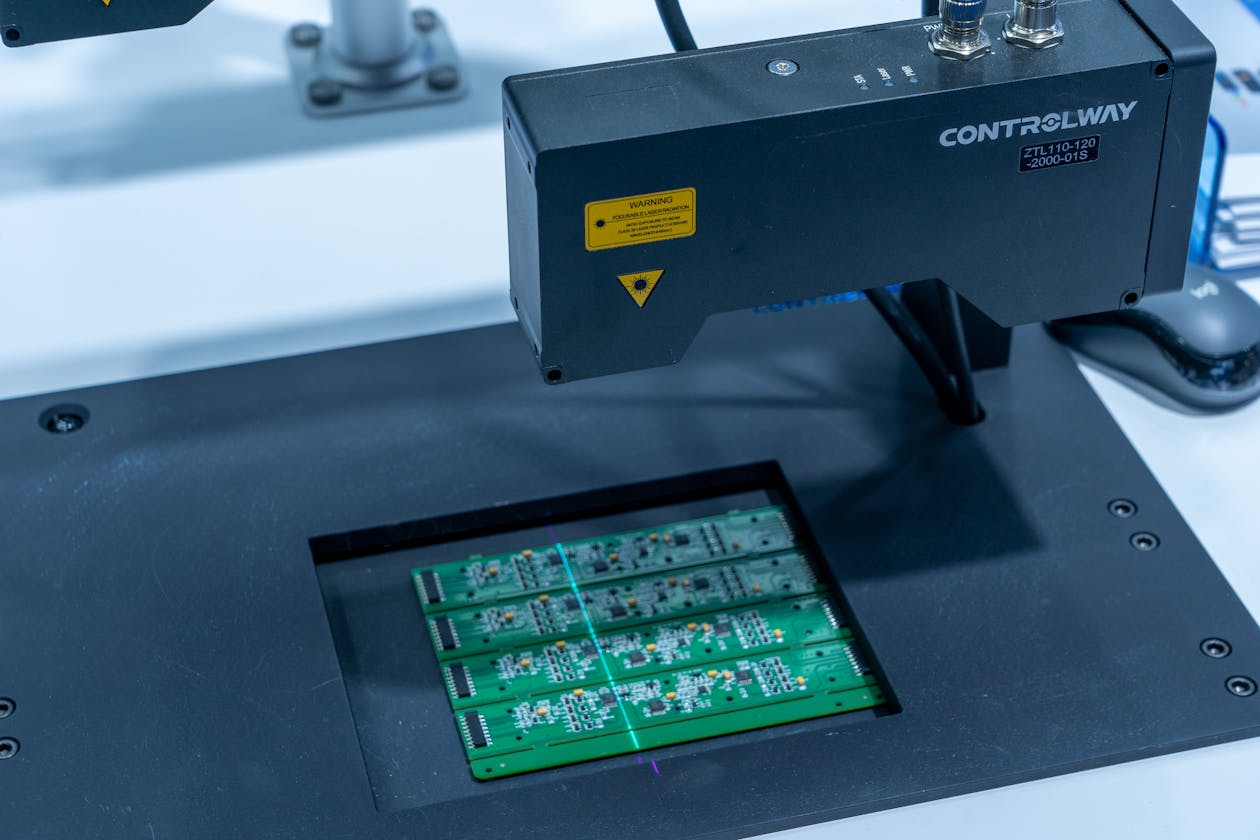
Photo by RDNE Stock project via Pexels
During Production Inspection (DPI)
During production inspection happens when 20-30% of production is complete. Purpose: catch issues early while there’s time to correct. What’s checked: samples from completed portion, production process adherence, work-in-progress quality, packaging preparation, and production timeline. Benefits: early problem detection, course correction opportunity, maintains production schedule, identifies systemic issues. Best for: large orders (1000+ units), new products, complex manufacturing, critical quality requirements. Cost: $150-250 per visit. Frequency: can be repeated at 50% and 80% completion for critical orders.
Pre-Shipment Inspection (PSI)
Pre-shipment inspection is the most common inspection type, occurring when 100% of production is complete and packed, before shipping. Purpose: final quality verification before goods leave factory. What’s checked: random sampling from finished goods, functionality testing, appearance/cosmetic check, packaging condition, labeling accuracy, quantity verification, and shipping marks. Benefits: last chance to catch defects, basis for shipment approval/rejection, documentation for claims. Best for: all orders, especially first orders, high-value products, quality-critical items. Cost: $200-300 for standard inspection. This is the minimum recommended inspection for every order.
Container Loading Inspection (CLI)
Container loading inspection monitors the loading process at the factory or warehouse. Purpose: ensure proper packing and documentation. What’s checked: container condition (cleanliness, damage), proper stowage and bracing, correct quantity loaded, shipping mark accuracy, seal application, and documentation accuracy. Benefits: prevents damage during transit, ensures correct shipment, documents loading condition. Best for: fragile products, high-value shipments, new freight forwarders, first-time shipping routes. Cost: $100-200 (often combined with PSI).
AQL Sampling Standards Explained
What is AQL?
AQL (Acceptable Quality Level) is a statistical sampling method that determines how many units to inspect and what defect rate is acceptable. Rather than 100% inspection (impractical for large orders), AQL uses statistically valid sampling to represent batch quality. The standard used is ISO 2859-1 / ANSI/ASQ Z1.4. AQL levels typically used: AQL 2.5 for major defects (2.5% defect rate acceptable), AQL 4.0 for minor defects (4.0% defect rate acceptable), and AQL 0 for critical defects (zero tolerance). Understanding AQL enables professional communication with inspectors and suppliers.
Sample Size Determination
Sample size is determined by lot size and inspection level. Standard inspection levels: General Inspection Level II (most common), Level I (reduced inspection for trusted suppliers), Level III (tightened inspection for critical products). For a 1,000 unit order at Level II: sample size is 80 units. For a 5,000 unit order at Level II: sample size is 200 units. The inspector randomly selects this many units from throughout the shipment (not just from one box). This sampling provides statistical confidence in batch quality.
AQL Reference Table
| Lot Size | Sample Size (Level II) | Max Major Defects (AQL 2.5) | Max Minor Defects (AQL 4.0) |
|---|---|---|---|
| 51-90 | 13 | 1 | 1 |
| 91-150 | 20 | 1 | 2 |
| 151-280 | 32 | 2 | 3 |
| 281-500 | 50 | 3 | 5 |
| 501-1200 | 80 | 5 | 7 |
| 1201-3200 | 125 | 7 | 10 |
| 3201-10000 | 200 | 10 | 14 |
Defect Classification
Proper defect classification is essential for AQL application. Critical defects: safety hazards, completely non-functional, regulatory non-compliance. Examples: sharp edges on children’s product, electrical shock hazard, missing required certification marks. Zero tolerance—any critical defect fails the inspection. Major defects: reduce product usability or value significantly, customer would likely return. Examples: malfunctioning feature, significant cosmetic flaw, wrong size. Acceptable rate typically AQL 2.5. Minor defects: slight deviations from specifications, customer might not notice. Examples: small cosmetic blemish, minor packaging damage, slight color variation. Acceptable rate typically AQL 4.0.
Third-Party Inspection Services
Why Use Third-Party Inspectors
Third-party inspection companies provide independent, unbiased quality assessment. Advantages over supplier self-inspection: no conflict of interest, professional expertise, standardized processes, detailed documentation, and industry benchmarking. Advantages over buyer inspection: local presence (lower cost), manufacturing expertise, language capability, and established supplier relationships. For most importers, third-party inspection offers the best combination of reliability, cost, and convenience. The inspector works for you, not the supplier, ensuring honest assessment.
Major Inspection Companies in China
| Company | Coverage | Starting Price | Specialties |
|---|---|---|---|
| QIMA | All China regions | $269/day | Tech platform, fast booking |
| SGS | Global | $300+/day | Certifications, testing |
| Bureau Veritas | Global | $280+/day | Audit, certification |
| Intertek | Global | $280+/day | Testing, certification |
| Goodada | China focused | $199/day | E-commerce, food |
| Asia Quality Focus | China, Vietnam | $228/day | Consumer goods |
How to Book an Inspection
Booking process typically involves: 1) Submit inspection request with product details, 2) Confirm factory location and contact, 3) Specify inspection type and requirements, 4) Schedule date (allow 2-3 days lead time), 5) Provide product specifications and photos, 6) Inspector confirms and travels to factory, 7) Inspection performed, 8) Report delivered within 24-48 hours. Most companies offer online booking platforms. Have ready: product specifications, photos of reference samples, factory address and contact, special requirements or test procedures, and AQL standards to apply.
Creating Effective Inspection Checklists
Checklist Components
A comprehensive inspection checklist includes: Product identification (SKU, model, specifications), Quantity verification (order quantity vs. produced quantity), Appearance inspection (color, finish, markings, dimensions), Functionality tests (specific tests for each feature), Packaging inspection (materials, labels, inserts), and Special requirements (client-specific criteria). The checklist should be detailed enough that any inspector can perform the inspection consistently. Include photos of acceptable and unacceptable examples for visual criteria.
Product-Specific Tests
Functionality tests vary by product type. Electronics: power on test, all functions operational, safety check, accessories included. Textiles: fabric weight, color fastness, seam strength, sizing accuracy. Hard goods: dimensional accuracy, surface finish, assembly fit, weight. Mechanical products: operation cycles, stress points, moving parts function. Include pass/fail criteria for each test. For regulated products, include regulatory compliance checks (CE mark, FCC label, etc.).
Common Inspection Mistakes to Avoid
Mistake 1: Inspecting Only Finished Goods
Waiting until production is complete means problems affect the entire batch. During-production inspection catches issues early.
Mistake 2: Unclear Specifications
Vague specifications lead to inconsistent inspection. Provide detailed, measurable criteria with photos.
Mistake 3: Ignoring Packaging
Damaged or incorrect packaging causes customer complaints and shipping damage. Include packaging in inspection scope.
Mistake 4: Not Following Up on Defects
Inspection reports are useless without action. Create processes for addressing identified issues.
Mistake 5: Using AQL Inappropriately
AQL is for batch acceptance, not for setting quality targets. Use it correctly as a sampling standard.
Handling Inspection Results
Pass Result Actions
When inspection passes: approve shipment, notify supplier of approval, retain inspection report for records, update supplier performance tracking, and proceed with shipping arrangements. A pass doesn’t mean zero defects—it means defect rate is within acceptable limits. Review the defect details even for passing inspections to identify improvement opportunities.
Fail Result Actions
When inspection fails: immediately notify supplier with detailed findings, request supplier response and correction plan, decide on acceptance criteria for re-inspection, schedule re-inspection after corrections, and document all communications. Options after fail: reject entire shipment, accept with deduction for defects, require rework and re-inspection, or negotiate partial shipment of good units. Decision depends on defect severity, timeline flexibility, and relationship with supplier.
Negotiating Quality Issues
When defects are discovered, negotiation options include: Supplier reworks defects at their cost (most common for minor issues), Price discount to accept goods as-is (for minor cosmetic issues), Replacement of defective units (for functional issues), Full rejection and refund (for major quality failures), or Split shipment—accept good portion, reject defective. Document all negotiations in writing. Use inspection report as objective evidence. Most suppliers will work with you to resolve legitimate quality issues to maintain the relationship.
Quality Control Cost Analysis
Inspection Costs vs. Risk
| Order Value | Inspection Cost | % of Order | Risk Without Inspection |
|---|---|---|---|
| $2,000 | $250 | 12.5% | $200-2,000 |
| $5,000 | $280 | 5.6% | $500-5,000 |
| $10,000 | $300 | 3.0% | $1,000-10,000 |
| $25,000 | $350 | 1.4% | $2,500-25,000 |
| $50,000 | $400 | 0.8% | $5,000-50,000 |
When Inspection is Essential
Certain situations always warrant inspection: First order from new supplier, High-value orders (>$5,000), Products with safety requirements, Regulated products (children’s, electronics, food), Products with complex specifications, Orders with tight deadlines (no time for rework), Products for Amazon FBA (quality issues risk account), and After previous quality problems. Build inspection into your cost calculations from the start—it’s not optional for serious importers.
Building a Quality Control System
Supplier Quality Agreements
Formalize quality expectations in supplier agreements. Include: Quality standards and specifications, AQL levels for different defect types, Inspection rights and access, Defect resolution procedures, Warranty and liability terms, and Documentation requirements. A quality agreement sets expectations before problems occur. Many disputes are resolved by referring to agreed standards rather than negotiating after the fact.
Supplier Performance Tracking
Track supplier quality performance over time. Metrics to track: Defect rate by order, On-time delivery rate, Inspection pass rate, Response time to issues, and Corrective action effectiveness. Use this data to: identify best-performing suppliers for growth, spot declining quality trends early, make informed sourcing decisions, and negotiate based on performance. A supplier scorecard enables data-driven supplier management.
Continuous Improvement Process
Use inspection data for continuous improvement. Process: 1) Analyze defect patterns across orders, 2) Identify root causes with supplier, 3) Implement corrective actions, 4) Verify improvement in subsequent inspections, 5) Update specifications and checklists. Common improvements: clearer specifications, better reference samples, adjusted AQL levels, and process changes at factory. Quality should improve over time with proper feedback loops.
Conclusion
Quality control is not an expense—it’s an investment that protects your entire sourcing operation. This guide covered the essential elements: inspection types (PPI, DPI, PSI, CLI) for different production stages, AQL sampling standards for professional defect assessment, third-party inspection services for unbiased quality verification, inspection checklists for consistent evaluation, handling inspection results including fail scenarios, cost-benefit analysis showing inspection ROI, and building systematic quality control processes. The key principles: inspect every order until supplier proves consistent quality, use appropriate inspection type for the situation, apply AQL standards professionally, document everything for claims and improvement, and treat quality control as integral to your business model. For most importers, a single major quality failure costs more than years of inspection fees. The choice is clear: invest in quality control or pay for quality failures. With the systems and knowledge in this guide, you can implement professional quality control that protects your China sourcing investment and builds competitive advantage through consistent quality.
Need Help with China Quality Control?
Top China Sourcing provides comprehensive quality control services including factory audits, during-production inspection, and pre-shipment inspection. Our team ensures your products meet specifications before they ship. Contact us today to discuss your quality control needs.
Last updated: April 30, 2026 | Quality Control Guide by TCS Editorial Team
Sources
- ISO 2859-1:1999 Sampling Procedures for Inspection
- ANSI/ASQ Z1.4-2008 Sampling Procedures
- QIMA Inspection Services Data 2026
- SGS Quality Control Standards
- TCS Supplier Quality Database 2026