
Choosing between Amazon FBA (Fulfillment by Amazon) and FBM (Fulfillment by Merchant) significantly impacts your China import business profitability and operations. In 2026, the right choice depends on your product type, sales volume, storage capabilities, and growth goals. This comprehensive comparison analyzes costs, logistics, scalability, and profitability to help you choose the optimal fulfillment model for your China-sourced products.
📌 Key Takeaways
- FBA advantage: Prime eligibility, higher conversion rates (30-50% more), Amazon handles shipping and customer service
- FBM advantage: Lower fees, inventory control, no long-term storage charges, better for large/heavy items
- FBA breakeven: Typically 150+ monthly orders makes FBA more profitable than FBM
- Best for China imports: FBA for most products under 2 lbs; FBM for heavy items or low-volume sellers
- Hybrid approach: Many sellers use both models for different products or seasons
FBA vs FBM: Core Differences
What is Amazon FBA?
Fulfillment by Amazon (FBA) means you ship products to Amazon warehouses, and Amazon handles storage, picking, packing, shipping, and customer service. When considering Amazon FBA, Benefits include: Prime eligibility (free 2-day shipping for Prime members), Buy Box advantage (FBA listings win Buy Box more often), customer service handled by Amazon, and returns processing included. Costs: FBA fulfillment fees ($3.22-5.42 per unit depending on size), storage fees ($0.87/cubic foot monthly), and long-term storage fees for inventory over 365 days. FBA works best for sellers with consistent sales volume who want hands-off fulfillment.
What is Amazon FBM?
Fulfillment by Merchant (FBM) means you store products in your own warehouse or third-party logistics (3PL) facility and handle all shipping and customer service. When considering FBA sourcing, Benefits include: lower per-order costs for many products, complete inventory control, no storage fees to Amazon, flexibility in shipping methods, and better for large/heavy items. Costs: your warehouse or 3PL fees, shipping costs, packaging materials, and customer service time/expense. FBM works best for sellers with existing fulfillment infrastructure, low-volume sellers, or products where FBA fees exceed shipping costs.
Key Differences Comparison
| Factor | FBA | FBM |
|---|---|---|
| Prime eligibility | Yes (automatic) | No (unless Seller Fulfilled Prime) |
| Buy Box advantage | High | Lower |
| Storage location | Amazon warehouses | Your warehouse/3PL |
| Shipping handled by | Amazon | You |
| Customer service | Amazon handles | You handle |
| Returns processing | Amazon handles | You handle |
| Inventory visibility | Limited | Complete |
| Multi-channel fulfillment | Available (MCF) | Your choice |
Cost Comparison: FBA vs FBM
FBA Fee Structure 2026
FBA fees depend on product size and weight. When considering Amazon FBA sourcing, Small standard (under 1 lb): $3.22 fulfillment + $0.87/cf storage. Large standard (1-3 lbs): $4.75 fulfillment + $0.87/cf storage. Small oversize (3-20 lbs): $5.42 fulfillment + $0.87/cf storage. Additional fees: long-term storage ($6.90/cf for 181-365 days, $15/cf over 365 days), removal fees ($0.50-0.60/unit), and return processing fees ($0.50-1.00 for certain categories). FBA fees are predictable but add up—calculate total cost per unit including storage.
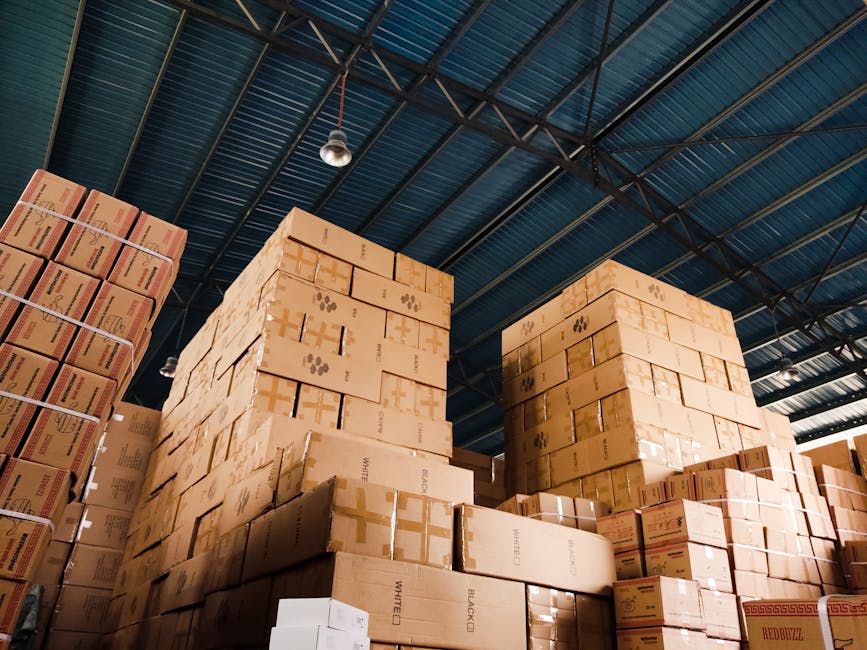
Photo by Ihsan Adityawarman via Pexels
FBM Cost Structure
FBM costs vary based on your setup. When considering Amazon FBA, Self-fulfillment: warehouse space ($0.50-2.00/sf monthly), labor ($15-20/hour), packaging ($0.30-1.00/unit), shipping ($3-8/unit depending on weight/service), and your time for customer service. 3PL fulfillment: pick and pack ($1.50-3.00/order), storage ($0.50-1.50/cf monthly), shipping (negotiated rates), and account management fees ($50-200/month). FBM costs are more variable but can be lower for certain product types.
Cost Comparison Example
| Cost Component | FBA | FBM (3PL) | FBM (Self) |
|---|---|---|---|
| Fulfillment fee | $4.75 | $2.50 | $1.50 |
| Storage (monthly avg) | $0.50 | $0.35 | $0.25 |
| Shipping | Included | $4.00 | $5.00 |
| Packaging | Included | $0.50 | $0.50 |
| Customer service | Included | $0.25 | $0.50 |
| Total per unit | $5.25 | $7.60 | $7.75 |
Example: 1.5 lb product, 200 units/month, standard shipping. FBA often cheaper when including shipping costs.
Sales Performance: FBA vs FBM
Conversion Rate Impact
FBA listings convert 30-50% higher than FBM listings. When considering FBA sourcing, Reasons: Prime badge signals fast, reliable shipping, customer trust in Amazon fulfillment, and Buy Box preference for FBA offers. Example: Product with 5% conversion rate FBM might convert at 7-7.5% with FBA. Higher conversion means more sales from same traffic, improving advertising ROI and organic ranking. The conversion advantage often outweighs higher FBA fees through increased volume.
Buy Box Competition
The Buy Box (Add to Cart button) drives 80-90% of Amazon sales. When considering Amazon FBA sourcing, FBA sellers win Buy Box more frequently due to: Amazon’s preference for FBA, Prime eligibility requirement for many Buy Box wins, and better seller metrics (shipping time, order defect rate). FBM sellers can win Buy Box but need: excellent seller metrics, competitive pricing, and fast shipping times. For competitive products with multiple sellers, FBA provides significant Buy Box advantage.
Prime Eligibility Value
Prime members spend 2-3x more than non-Prime members. When considering Amazon FBA, Prime eligibility (automatic with FBA) means: access to 200+ million Prime members worldwide, free 2-day shipping appeal, and Prime Day and Lightning Deal eligibility. FBM sellers can apply for Seller Fulfilled Prime (SFP) but requirements are strict: 99% on-time shipping, 0.5% cancellation rate, and use of Amazon Buy Shipping. Most sellers find FBA easier for Prime access.
When to Choose FBA for China Imports
Best FBA Scenarios
FBA is optimal for most China-sourced products when: product weight under 3 lbs (FBA fees reasonable), consistent monthly sales of 150+ units (volume justifies FBA), you want Prime eligibility for conversion boost, you lack warehouse space or fulfillment infrastructure, you prefer hands-off operations, and you sell on multiple channels (Multi-Channel Fulfillment available). When considering FBA sourcing, FBA excels for sellers who want to focus on sourcing and marketing rather than fulfillment operations.
FBA Profitability Threshold
Calculate your FBA profitability threshold. When considering Amazon FBA sourcing, Formula: Monthly FBA cost = (Fulfillment fee + Storage fee) × Units sold. Compare to FBM cost = (Pick/pack + Storage + Shipping + Packaging) × Units sold. Generally, FBA becomes more cost-effective at 150+ monthly units due to shipping cost advantage and conversion rate boost. Below 150 units, FBM may be cheaper but you lose Prime benefits. Factor in conversion rate improvement—higher sales volume may make FBA more profitable even at higher per-unit cost.
Products Best Suited for FBA
Ideal FBA products from China: small electronics accessories, home organization products, kitchen gadgets, pet products, fitness accessories, and beauty tools. When considering Amazon FBA, These categories have: lightweight items (under 2 lbs), consistent demand, good margins (30%+), and competitive markets where Prime eligibility matters. Avoid FBA for: heavy items (over 5 lbs), slow-moving inventory (storage fees accumulate), and seasonal products (long-term storage risk).
When to Choose FBM for China Imports
Best FBM Scenarios
FBM makes sense when: you have existing warehouse or 3PL relationship, products are heavy or oversized (FBA fees prohibitive), sales volume is low (under 150 units/month), you want complete inventory control, you sell on multiple platforms with unified fulfillment, and you can match Amazon shipping times. FBM works well for established sellers with fulfillment infrastructure or sellers testing new products at low volume.
Heavy and Oversized Products
FBA fees for heavy/oversized products can destroy margins. Example: 10 lb product FBA fees: $8.75 fulfillment + $0.87/cf storage = $9.50+ per unit. FBM shipping via negotiated rates: $6-8 per unit with better margin. For products over 5 lbs, always compare FBA fees to FBM shipping costs. Heavy items often more profitable with FBM or specialized 3PL.
Low-Volume Testing
When testing new products from China, FBM allows: smaller initial orders without FBA minimums, direct customer feedback before scaling, and no storage fees during slow sales period. Once product proves viable (150+ monthly sales), transition to FBA for Prime benefits. This approach minimizes risk during product validation phase.
Hybrid Approach: Using Both FBA and FBM
When Hybrid Makes Sense
Many successful sellers use both models strategically. Use FBA for: fast-moving products needing Prime eligibility, competitive categories where Buy Box matters, and peak seasons (Q4) when you need Amazon’s fulfillment capacity. Use FBM for: slow-moving inventory (avoid storage fees), heavy/oversized items, and products you also sell on other platforms. Hybrid approach provides flexibility and cost optimization across product portfolio.
Inventory Allocation Strategy
Allocate inventory between FBA and FBM based on sales velocity. High-velocity products (300+ monthly sales): 100% FBA for Prime advantage. Medium-velocity (100-300 monthly): 70% FBA, 30% FBM for backup. Low-velocity (under 100 monthly): FBM only to avoid storage fees. Adjust allocation based on seasonal demand—increase FBA before Q4, reduce after holidays.
Common Mistakes to Avoid
Mistake #1: Choosing FBA for Heavy Products
Consequence: FBA fees exceed product margin, making sales unprofitable.
Correct approach: Calculate FBA fees for your product size/weight. If fees exceed 30% of retail price, consider FBM or different product.
Mistake #2: Using FBM Without Fast Shipping
Consequence: Poor seller metrics, lost Buy Box, customer complaints, and account health issues.
Correct approach: If using FBM, ensure you can ship within 2 business days with tracking. Use Amazon Buy Shipping for metrics protection.
Mistake #3: Ignoring Storage Fees
Consequence: Long-term storage fees accumulate on slow-moving inventory, destroying profitability.
Correct approach: Monitor inventory age. Create removal orders for items approaching 365 days. Don’t over-order to get volume discounts if sales velocity doesn’t support it.
Mistake #4: Not Factoring Conversion Rate
Consequence: Choosing FBM to save fees but losing more in reduced sales from lower conversion.
Correct approach: Calculate total profit including conversion rate impact. FBA’s 30-50% conversion boost often outweighs higher fees.
Mistake #5: Switching Models Too Frequently
Consequence: Operational disruption, inventory transfer costs, and listing ranking disruption.
Correct approach: Choose model carefully, commit for reasonable period, and only switch when clearly beneficial. Test new products with FBM, then transition successful products to FBA.
Conclusion
Choosing between Amazon FBA and FBM for China imports depends on product characteristics, sales volume, and operational capabilities. FBA advantages: Prime eligibility, 30-50% higher conversion rates, Buy Box preference, and hands-off fulfillment. FBM advantages: lower costs for heavy items, inventory control, no storage fees, and flexibility. FBA is optimal for most China-sourced products under 3 lbs with 150+ monthly sales. FBM works better for heavy products, low-volume testing, and sellers with existing fulfillment infrastructure. Calculate total cost per unit including all fees and factor in conversion rate impact. Many successful sellers use hybrid approach—FBA for fast-moving products, FBM for slow-movers and heavy items. Avoid common mistakes: FBA for heavy products, FBM without fast shipping capability, ignoring storage fees, not factoring conversion rates, and frequent model switching. Choose your fulfillment model strategically based on data, not assumptions.
Need Help Choosing Fulfillment Model?
Partner with topchinasourcing for Amazon FBA and FBM guidance. We help you calculate costs, choose optimal fulfillment, and manage China-to-Amazon logistics. Contact us today for fulfillment consultation.
Last updated: April 30, 2026 | Research by TCS Editorial Team
Sources
- Amazon FBA Fee Schedule 2026
- Amazon Seller Central FBM Guidelines
- TCS Fulfillment Cost Analysis 2026-2026
- Marketplace Pulse FBA vs FBM Research
- eMarketer Amazon Seller Statistics 2026