Choosing the right B2B platform is critical for successful China sourcing—each platform offers different supplier bases, verification levels, pricing structures, and user experiences. In 2026, Alibaba dominates with 10+ million suppliers, while Global Sources attracts premium buyers, and 1688 offers the lowest prices for Chinese-speaking importers. This comprehensive comparison helps you choose the right platform for your sourcing needs and maximize your supplier search efficiency.
📌 Key Takeaways
- Alibaba: 10M+ suppliers, best for beginners, strong verification (Gold Supplier, Verified)
- Global Sources: 1.5M suppliers, premium quality, ideal for serious importers
- 1688: 5M+ suppliers, 20-40% lower prices, requires Chinese language skills
- Best strategy: Use multiple platforms to cross-reference suppliers and compare pricing
- Verification matters: Always verify suppliers independently regardless of platform badges
Platform Overview: Alibaba vs Global Sources vs 1688
Alibaba.com
Alibaba is the world’s largest B2B marketplace, hosting over 10 million suppliers across virtually every product category. Founded in 1999, it has become the default platform for China sourcing, processing millions of trade inquiries daily. Key features include Trade Assurance (payment protection up to $100,000), Verified Supplier badges (third-party audited), Gold Supplier membership (paid premium listings), and extensive filtering options. Alibaba works best for beginners and businesses seeking variety, with supplier quality ranging from world-class manufacturers to small trading companies.
GlobalSources.com
Global Sources positions itself as the premium B2B platform, emphasizing verified suppliers and quality over quantity. When it comes to China sourcing, with 1.5 million suppliers, it’s smaller than Alibaba but attracts more established manufacturers and exporters. The platform originated from trade magazine publishing, giving it strong relationships with quality suppliers built over decades. Key features include Verified Supplier program (on-site factory audits), detailed supplier profiles, and co-located trade shows. Global Sources is ideal for serious importers willing to pay slightly higher prices for reduced risk.
1688.com
1688 is Alibaba’s domestic Chinese platform, offering factory-direct pricing without export markups. When it comes to China sourcing, prices are typically 20-40% lower than Alibaba, but the platform is entirely in Chinese and designed for domestic buyers. Key features include real-time inventory, small MOQs, and direct factory access. Using 1688 requires Chinese language skills, a Chinese payment method (Alipay), and understanding of domestic shipping. For importers with these capabilities, 1688 offers unmatched pricing and access to suppliers who don’t export directly.
Platform Comparison 2026
Side-by-Side Feature Comparison
| Feature | Alibaba | Global Sources | 1688 |
|---|---|---|---|
| Suppliers | 10M+ | 1.5M | 5M+ |
| Language | English + 15 languages | English, Chinese | Chinese only |
| Price Level | Standard export | 5-15% premium | 20-40% lower |
| MOQ | $500-5,000 typical | $1,000-10,000 | $100-1,000 |
| Verification | Verified, Gold Supplier | Verified Supplier | Basic |
| Payment Protection | Trade Assurance | Limited | Alipay (domestic) |
| Best For | All buyers, beginners | Premium buyers | Chinese speakers |
Source: Platform data 2026, user reviews, TCS client feedback
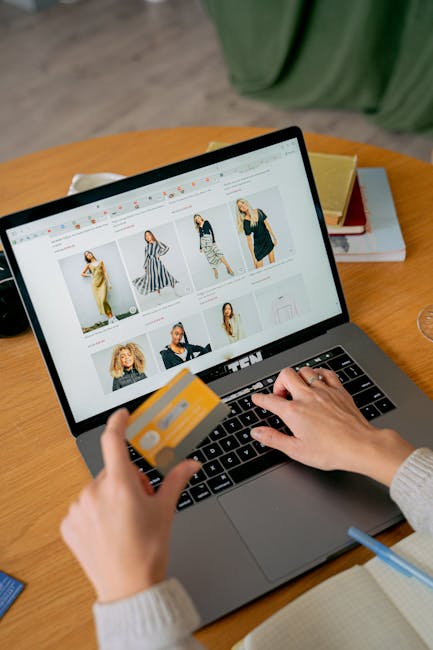
Photo by Nataliya Vaitkevich via Pexels
Alibaba Deep Dive
Key Features and Benefits
Alibaba’s strength lies in its comprehensive supplier database and robust buyer protection systems. When it comes to China sourcing, trade Assurance protects payments up to $100,000 per transaction, refunding buyers if suppliers fail to ship or quality doesn’t match specifications. Verified Supplier badges indicate third-party factory audits by SGS, TÜV, or Intertek. Gold Supplier membership (paid by suppliers) signals commitment to the platform. The RFQ (Request for Quotation) system lets buyers broadcast requirements to multiple suppliers simultaneously, receiving 5-15 quotes within 24-48 hours.
Supplier Types on Alibaba
Understanding supplier categories helps filter results effectively. When it comes to China sourcing, manufacturers (factories) offer best pricing for large orders but may have higher MOQs. Trading companies provide variety, lower MOQs, and better service but add 10-30% markup. Wholesalers stock ready-made products with no MOQ but limited customization. Use filters to select “Manufacturer” for direct factory access, or accept trading companies for smaller orders and product variety. Approximately 60% of Alibaba listings are trading companies.
Alibaba Best Practices
Maximize Alibaba effectiveness with these strategies. When it comes to China sourcing, always filter by “Verified” or “Gold Supplier” for reduced risk. Check supplier response time (under 24 hours preferred). Review transaction history and buyer feedback (95%+ positive rating over 50+ transactions). Use Trade Assurance for all payments—never pay outside the platform. Request video calls to verify factory legitimacy. Compare quotes from 7-10 suppliers before deciding. Order samples before mass production.
Global Sources Deep Dive
Premium Supplier Focus
Global Sources emphasizes quality over quantity, attracting established exporters with proven track records. When it comes to China sourcing, the verification process includes on-site factory audits, capability assessments, and ongoing monitoring. Verified suppliers display audit reports showing production capacity, quality systems, and compliance certifications. This rigorous vetting means higher supplier quality but also 5-15% higher prices compared to Alibaba. For businesses prioritizing reliability and reduced risk, the premium is worthwhile.
Trade Show Integration
Global Sources operates major trade shows in Hong Kong, creating synergy between online and offline sourcing. When it comes to China sourcing, suppliers exhibiting at shows are typically more established and export-ready. The platform’s trade show connection enables buyers to meet suppliers in person after initial online contact. This hybrid approach accelerates trust-building and provides verification opportunities beyond online profiles.
Global Sources Best Practices
Leverage Global Sources effectively with these approaches. When it comes to China sourcing, focus on Verified Suppliers for highest quality. Review detailed audit reports before contacting suppliers. Use the platform for electronics, mobile accessories, and fashion—categories where Global Sources excels. Attend co-located trade shows for in-person meetings. Expect higher MOQs and pricing but better reliability. Cross-reference suppliers with Alibaba to compare offerings.
1688 Deep Dive
Accessing Domestic Pricing
1688 offers factory-direct pricing without export markups, making it the most cost-effective platform for importers with Chinese language capabilities. When it comes to China sourcing, prices are 20-40% lower than Alibaba because suppliers don’t add export premiums. The platform serves China’s domestic market, so suppliers are genuine factories rather than export-focused trading companies. However, navigating 1688 requires Chinese language skills, a Chinese payment method, and understanding of domestic logistics.
How to Use 1688 for International Sourcing
International buyers can access 1688 through several approaches. When it comes to China sourcing, hire a sourcing agent to navigate the platform, communicate with suppliers, and arrange shipping. Use browser translation (Google Translate, DeepL) for basic navigation. Engage freight forwarders who offer 1688 purchasing services. Some suppliers on 1688 also list on Alibaba—cross-reference to find the same supplier with export capabilities. For serious importers processing $50,000+ annually, the savings justify the complexity.
1688 Challenges and Solutions
Using 1688 presents specific challenges. When it comes to China sourcing, language barrier: use translation tools or hire Chinese-speaking staff. Payment: Alipay requires Chinese bank account; use agents or third-party payment services. Shipping: domestic shipping to your freight forwarder’s warehouse, then international forwarding. Quality verification: request samples shipped internationally or use third-party inspection. MOQ: often lower than export platforms, but confirm suppliers will sell internationally.
5 Common Platform Mistakes
Mistake #1: Using Only One Platform
Why it’s costly: Single-platform sourcing limits supplier options and may miss better pricing or quality elsewhere.
How to avoid: Use all three platforms. When it comes to China sourcing, cross-reference suppliers—many list on multiple platforms with different pricing.
Mistake #2: Trusting Platform Badges Blindly
Why it’s costly: Verification badges reduce risk but don’t guarantee quality. When it comes to China sourcing, verified suppliers still have 5-8% issue rates.
How to avoid: Conduct independent verification regardless of badges. When it comes to China sourcing, request samples, check references, and verify certifications.
Mistake #3: Ignoring Trading Companies
Why it’s costly: Trading companies add markup but offer valuable services: lower MOQs, product variety, and better communication.
How to avoid: Consider trading companies for small orders or diverse product needs. When it comes to China sourcing, direct factory relationships suit large, consistent orders.
Mistake #4: Paying Outside Platform Protection
Why it’s costly: Off-platform payments lose protection. When it comes to China sourcing, if issues arise, you have no recourse for refunds.
How to avoid: Always use Trade Assurance (Alibaba) or escrow services. When it comes to China sourcing, never pay via Western Union or personal bank transfers to new suppliers.
Mistake #5: Not Negotiating on Platform Prices
Why it’s costly: Listed prices often have 10-30% negotiation room. When it comes to China sourcing, accepting first quotes leaves money on the table.
How to avoid: Always negotiate. When it comes to China sourcing, request quotes from multiple suppliers. Use competitive quotes as leverage for better pricing.
Platform Selection Guide
Which Platform Should You Use?
| Your Situation | Recommended Platform | Why |
|---|---|---|
| First-time importer | Alibaba | Largest selection, Trade Assurance, English interface |
| Premium quality priority | Global Sources | Rigorous verification, established suppliers |
| Chinese speaker, cost focus | 1688 | 20-40% lower prices, factory direct |
| Electronics sourcing | Global Sources + Alibaba | Strong electronics categories on both |
| Small orders, low MOQ | Alibaba Ready to Ship | No MOQ, ready inventory |
| Large volume, $50K+ annually | All three | Cross-reference for best pricing |
Multi-Platform Strategy
Cross-Referencing Suppliers
Smart importers use multiple platforms to verify and compare suppliers. When it comes to China sourcing, search the same company name across Alibaba, Global Sources, and 1688. Many suppliers list on multiple platforms with different pricing—export prices on Alibaba, domestic prices on 1688. Cross-referencing reveals: true factory pricing (1688 often shows actual costs), export experience (Global Sources presence indicates export capability), and platform-specific reviews and ratings. A supplier with positive presence on multiple platforms indicates stability and reliability.
Optimal Platform Combination
For most importers, the optimal approach combines platforms strategically. Use Alibaba for initial supplier discovery and Trade Assurance protection. Use Global Sources for premium supplier verification and electronics categories. Use 1688 (via agent) for price benchmarking and cost negotiation leverage. This multi-platform approach provides comprehensive market visibility, competitive pricing intelligence, and reduced supplier risk through cross-verification.
Conclusion
Choosing between Alibaba, Global Sources, and 1688 depends on your sourcing priorities, language capabilities, and risk tolerance. Alibaba offers the largest supplier base and strongest buyer protection—ideal for beginners and general sourcing. Global Sources provides premium supplier quality for importers willing to pay slightly higher prices for reduced risk. 1688 delivers the lowest prices for Chinese-speaking buyers or those working with sourcing agents. The most effective strategy uses all three platforms: Alibaba for protected transactions, Global Sources for quality verification, and 1688 for price benchmarking. Cross-reference suppliers across platforms to verify legitimacy and negotiate better pricing. Regardless of platform, always conduct independent supplier verification, use payment protection systems, and order samples before mass production.
Ready to Get Started?
Partner with topchinasourcing for expert platform navigation and supplier verification across Alibaba, Global Sources, and 1688. We help you find the best suppliers at the best prices. Contact us today for a free consultation.
Last updated: April 30, 2026 | Research by TCS Editorial Team
Sources
- Alibaba Group Annual Report 2026
- Global Sources Platform Statistics 2026
- TCS Client Platform Usage Analysis 2026
- China E-commerce Research Center Data
- User Satisfaction Surveys 2026-2026