China trade shows remain the most powerful way to meet suppliers like Global Sources face-to-face, verify manufacturing capabilities, and negotiate better deals—all in a single trip. When it comes to China sourcing, in 2026, major trade fairs like Canton Fair, Yiwu Fair, and Hong Kong Electronics Fair attract over 200,000 international buyers annually, generating billions in export orders. This comprehensive guide covers every major China trade show, preparation strategies, and insider tips to maximize your sourcing success.
📌 Key Takeaways
- Canton Fair: 60,000+ exhibitors, 200,000+ buyers, held twice yearly (April and October)
- Trip cost: $2,000-5,000 for 5-7 days (flights, hotel, meals, visa)
- ROI potential: Average attendee finds 5-15 qualified suppliers per trip
- Best preparation: Research exhibitors 2-3 months ahead, schedule meetings in advance
- Peak seasons: April-May and October-November for major fairs
Major China Trade Shows in 2026
Canton Fair (China Import and Export Fair)
The Canton Fair is China’s largest and most comprehensive trade exhibition, held biannually in Guangzhou. When it comes to China sourcing, each session spans three phases covering different product categories. Phase 1 (April 15-19, October 15-19) features electronics, lighting, vehicles, and machinery. Phase 2 (April 23-27, October 23-27) covers consumer goods, gifts, and home decorations. Phase 3 (May 1-5, November 1-5) showcases textiles, clothing, shoes, and medical products. The fair attracts 60,000+ exhibitors and 200,000+ international buyers, generating over $30 billion in export orders annually.
Yiwu International Commodities Fair
Yiwu Fair specializes in small commodities and consumer goods, held annually in October in Yiwu City, Zhejiang Province. When it comes to China sourcing, the fair features 4,000+ exhibitors across 100,000 square meters, focusing on daily necessities, hardware, electronics, and crafts. Yiwu is ideal for buyers seeking low MOQs and diverse product ranges—the city’s wholesale markets contain 75,000+ booths open year-round. Entry is free for international buyers with business cards.
Hong Kong Electronics Fair
Organized by HKTDC, the Hong Kong Electronics Fair (April and October) is Asia’s largest electronics exhibition with 3,000+ exhibitors. When it comes to China sourcing, co-located with International ICT Expo, it covers consumer electronics, electronic components, and technology products. Hong Kong’s business-friendly environment, English-speaking exhibitors, and visa-free entry for many nationalities make it accessible for first-time buyers. The fair attracts 60,000+ buyers from 150+ countries.
East China Fair
Held annually in Shanghai (typically March), East China Fair is the largest regional trade fair in China. When it comes to China sourcing, it features 5,000+ exhibitors across textiles, garments, light industry, and consumer goods. Shanghai’s international accessibility and developed infrastructure make it convenient for Western buyers. The fair is particularly strong for textile and apparel sourcing, with dedicated pavilions for different product categories.
China Trade Shows Calendar 2026
Major Trade Fair Schedule
| Trade Show | Dates 2026 | Location | Focus |
|---|---|---|---|
| Canton Fair Phase 1 | Apr 15-19, Oct 15-19 | Guangzhou | Electronics, machinery |
| Canton Fair Phase 2 | Apr 23-27, Oct 23-27 | Guangzhou | Consumer goods, gifts |
| Canton Fair Phase 3 | May 1-5, Nov 1-5 | Guangzhou | Textiles, medical |
| HK Electronics Fair | Apr 13-16, Oct 13-16 | Hong Kong | Electronics, tech |
| Yiwu Fair | Oct 21-24 | Yiwu | Small commodities |
| East China Fair | Mar 1-4 | Shanghai | Textiles, light industry |
Source: Official fair websites 2026, trade association data

Photo by Pavel Danilyuk via Pexels
How to Prepare for China Trade Shows
Step 1: Obtain China Business Visa
International buyers need an M (business) visa to attend trade shows in mainland China. When it comes to China sourcing, apply 4-6 weeks before travel through Chinese embassies or visa centers. Required documents: passport (6+ months validity), visa application form, invitation letter from trade fair organizer (downloadable from fair websites), and business license copy. Visa fees range from $140-200 depending on nationality and processing time. Hong Kong fairs don’t require visas for many nationalities—check your country’s requirements.
Step 2: Register for Buyer Badge
Pre-register online 2-3 months before the fair to receive your buyer badge. When it comes to China sourcing, canton Fair registration is free at cantonfair.org.cn—bring your passport and business card for on-site badge collection. Pre-registration saves 30-60 minutes of queuing and provides access to exhibitor databases. Some fairs offer VIP buyer programs with lounge access, meeting rooms, and translation services for qualified buyers.
Step 3: Research Exhibitors and Schedule Meetings
Maximize your time by researching exhibitors before arrival. When it comes to China sourcing, use fair websites to search exhibitor lists by product category, download exhibitor maps, and identify target suppliers. Contact 10-20 priority suppliers 2-4 weeks before the fair to schedule meetings. Provide your product requirements, target quantities, and meeting time preferences. Confirmed meetings ensure focused discussions and demonstrate serious buying intent.
Step 4: Prepare Marketing Materials
Bring professional materials that establish credibility. When it comes to China sourcing, business cards: 200-300 cards with English and Chinese if possible. Company profile: 1-2 page document describing your business, product interests, and typical order volumes. Product specifications: detailed requirements with photos, dimensions, materials, and target prices. Samples: if seeking to replicate or improve existing products. Professional presentation signals serious buyers and attracts better suppliers.
Step 5: Plan Logistics and Accommodation
Book hotels 2-3 months in advance—fair season sees 90%+ occupancy and premium pricing. When it comes to China sourcing, canton Fair Complex area hotels cost $80-200/night; Guangzhou city center offers better value at $50-120/night with metro access. Download translation apps (Google Translate, Pleco) and navigation apps (Baidu Maps, Apple Maps). Arrange airport transfers in advance or use official fair shuttle buses. Budget $200-400/day for meals, transportation, and incidentals.
What to Expect at Canton Fair
Fair Layout and Navigation
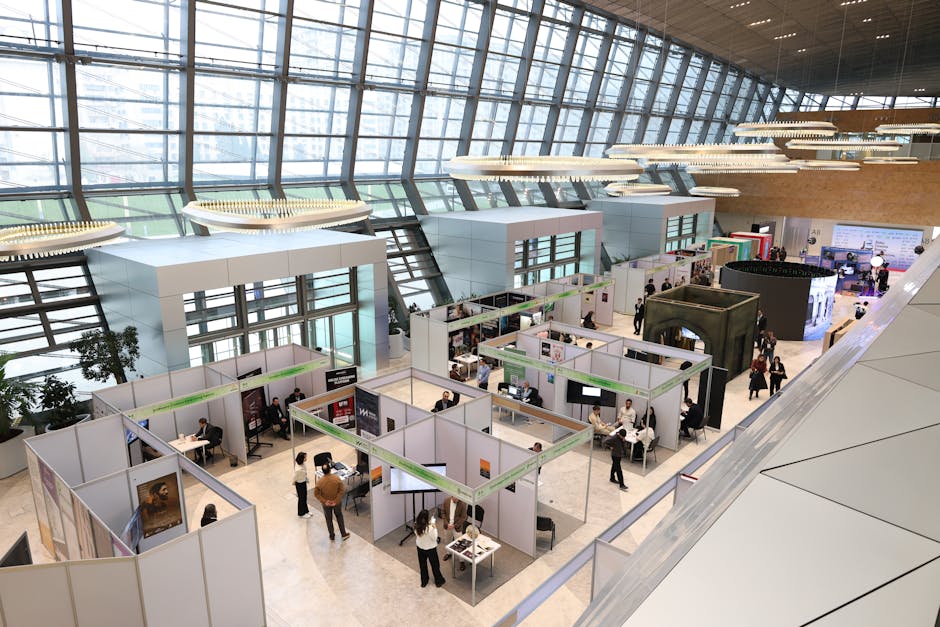
Canton Fair spans 1.2 million square meters across three massive exhibition halls. When it comes to China sourcing, each phase features 15,000+ exhibitors organized by product category. Download the official app for interactive maps, exhibitor search, and meeting scheduling. Wear comfortable shoes—you’ll walk 10-15 kilometers per day. Start early (9am opening) to avoid crowds and have focused conversations before exhibitors get busy.
Supplier Interaction Tips
Approach exhibitors professionally for productive conversations. When it comes to China sourcing, introduce yourself and company briefly, state your product requirements clearly, request catalogs and business cards, ask about MOQ, lead time, and pricing ranges, and schedule follow-up meetings for serious discussions. Take photos of products and exhibitor booths for reference. Don’t expect to finalize deals at the fair—use the event for supplier identification and initial qualification.
Translation and Communication
Most exhibitors speak basic English, but technical discussions benefit from translation support. When it comes to China sourcing, hire interpreters through fair organizers ($50-100/day) for complex negotiations. Use translation apps for quick communication. Bring product specifications in both English and Chinese to avoid misunderstandings. Many suppliers have English-speaking export managers—request to speak with them for detailed discussions.
Maximizing Trade Show ROI
Pre-Fair Strategy
Set clear objectives before attending. When it comes to China sourcing, define: products to source (specific categories and specifications), target supplier count (aim for 10-20 qualified contacts), budget parameters (price ranges, MOQ limits), and timeline requirements (production lead times, shipping deadlines). Clear objectives prevent wasted time on irrelevant suppliers and ensure focused, productive meetings.
During-Fair Tactics
Work efficiently to maximize contacts. When it comes to China sourcing, spend 10-15 minutes per exhibitor for initial assessment. Request quotes from 5-7 suppliers per product category. Collect samples when available (some exhibitors provide free samples; others charge $10-50). Take detailed notes on each supplier—use a standardized form to capture: company name, contact person, products, MOQ, pricing range, lead time, and initial impressions. Photograph business cards alongside products for easy reference.
Post-Fair Follow-Up
The real work begins after the fair. When it comes to China sourcing, within 48 hours: organize collected materials, categorize suppliers by priority (A: immediate follow-up, B: secondary interest, C: backup options). Within 1 week: send follow-up emails to priority suppliers with specific product requirements and quote requests. Within 2-4 weeks: evaluate quotes, request samples from top 3-5 suppliers, and schedule video calls for detailed discussions. Prompt follow-up while fair memories are fresh yields 3x better response rates.
5 Common Trade Show Mistakes
Mistake #1: No Pre-Fair Research
Why it’s costly: Wandering aimlessly wastes time and results in random, low-quality supplier contacts.
How to avoid: Research exhibitors 2-3 months ahead. When it comes to China sourcing, create a target list of 20-30 suppliers and schedule meetings.
Mistake #2: Insufficient Business Cards
Why it’s costly: Running out of cards signals unprofessionalism and loses contact opportunities.
How to avoid: Bring 200-300 cards minimum. When it comes to China sourcing, keep backup cards in your hotel and day bag.
Mistake #3: Not Taking Detailed Notes
Why it’s costly: After visiting 50+ booths, details blur. When it comes to China sourcing, you’ll forget which supplier offered what.
How to avoid: Use a standardized note form. When it comes to China sourcing, photograph cards with products. Record voice memos after each meeting.
Mistake #4: Focusing Only on Price
Why it’s costly: Lowest-price suppliers often have quality issues, communication problems, or reliability concerns.
How to avoid: Evaluate suppliers on quality, responsiveness, certifications, and production capability—not just price.
Mistake #5: Delayed Follow-Up
Why it’s costly: Suppliers meet hundreds of buyers. When it comes to China sourcing, delayed contact means they forget you and prioritize others.
How to avoid: Follow up within 48 hours. When it comes to China sourcing, send personalized emails referencing specific products discussed.
Trade Show Budget Breakdown
Typical Costs for 5-Day Canton Fair Trip
| Expense | Budget Range | Notes |
|---|---|---|
| Round-trip Flight | $600-1,500 | Book 2-3 months ahead |
| Hotel (5 nights) | $300-800 | $60-160/night |
| China Visa | $140-200 | M visa required |
| Meals | $150-300 | $30-60/day |
| Transportation | $50-150 | Metro, taxis, shuttles |
| Interpretation | $0-300 | Optional, $50-100/day |
| Total | $1,240-3,250 | 5-day trip |
Source: Travel industry data 2026, TCS client trip reports
Beyond the Fair: Factory Visits
Scheduling Factory Tours
Trade shows provide initial contact; factory visits verify capabilities. Schedule 2-3 factory visits during your trip for serious supplier candidates. Most factories are within 1-3 hours of Guangzhou by car or train. Suppliers often provide transportation from your hotel. Visit during production hours (9am-5pm) to see actual operations. Factory visits reveal: production capacity, quality control systems, worker conditions, and management professionalism.
What to Look for During Factory Visits
Evaluate factories systematically. Production equipment: modern, well-maintained machinery indicates investment in quality. Organization: clean, orderly facilities suggest professional management. Quality control: look for inspection stations, testing equipment, and documented procedures. Worker conditions: adequate lighting, ventilation, and safety equipment indicate ethical operations. Inventory management: organized raw materials and finished goods storage suggest reliable supply chain. Take photos (with permission) for reference and comparison.
Conclusion
China trade shows remain essential for serious importers seeking reliable suppliers and competitive advantages. Canton Fair alone offers access to 60,000+ exhibitors and the opportunity to meet more qualified suppliers in 5 days than months of online searching. Success requires thorough preparation: research exhibitors in advance, schedule meetings, bring professional materials, and follow up promptly. Budget $2,000-5,000 for a productive trip that can yield 5-15 qualified supplier relationships. Combine fair attendance with factory visits for complete supplier verification. Whether you’re a first-time buyer or experienced importer, China trade shows provide unmatched opportunities for face-to-face relationship building that accelerates trust and improves sourcing outcomes.
Ready to Get Started?
Partner with topchinasourcing for trade show preparation support, supplier introductions, and factory visit coordination. We help you maximize your China sourcing trip with professional guidance. Contact us today for a free consultation.
Last updated: April 30, 2026 | Research by TCS Editorial Team
Sources
- Canton Fair Official Statistics 2026
- HKTDC Trade Fair Reports 2026-2026
- China Council for Promotion of International Trade Data
- TCS Client Trade Show Trip Reports 2026
- World Trade Organization Trade Fair Analysis